Healthcare Best in category 2 results Elderly Care AI Tool

Popular AI tools in the Elderly Care field of Healthcare include Intuition Robotics、localposh, etc., helping you quickly improve efficiency.

Intuition Robotics

Intuition Robotics

Intuition Robotics develops ElliQ, an award-winning, empathetic AI care companion robot for older adults. It's designed to combat …

9.5K
localposh

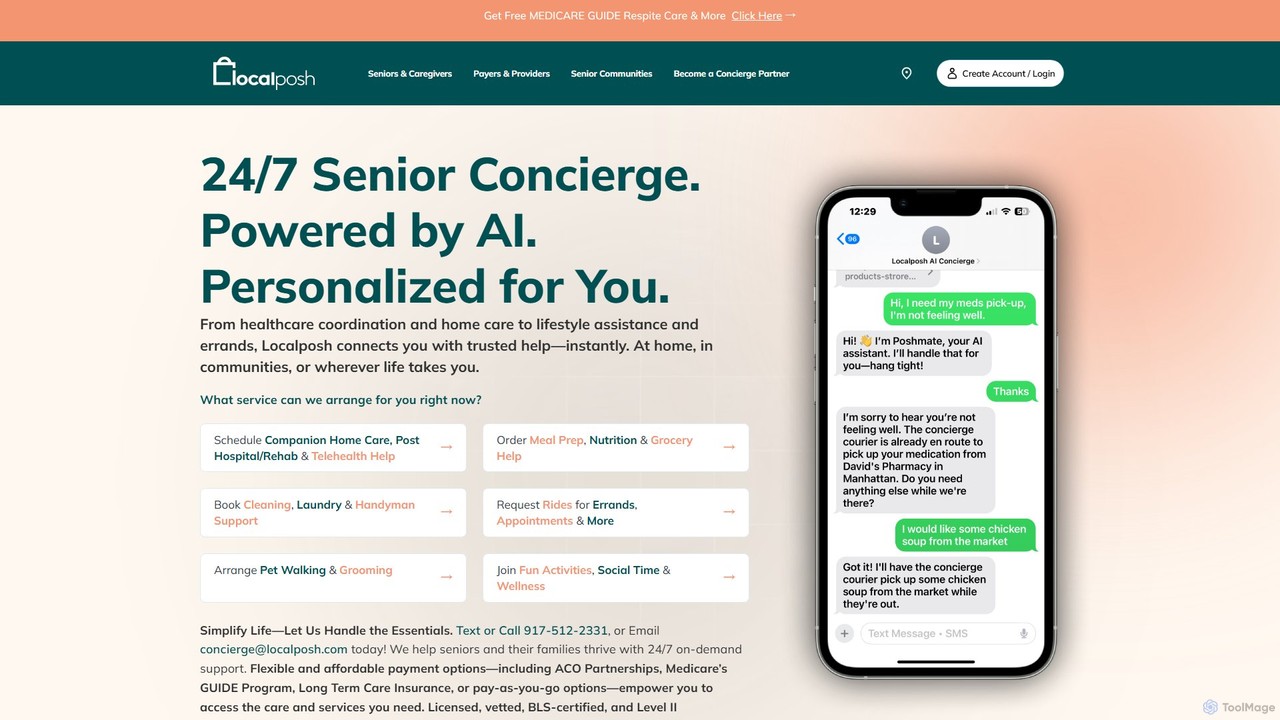
localposh

localposh is an AI-powered 24/7 senior concierge service providing personalized, on-demand support for aging in place. It connects …

3.7K

About Elderly Care

Elderly Care AI tools are a specialized category within healthcare technology, leveraging artificial intelligence to enhance the well-being, safety, and independence of older adults. These innovative solutions provide support for daily living, health monitoring, and social engagement, significantly easing the burden on caregivers and improving the quality of life for the elderly. They integrate advanced sensors, machine learning, and natural language processing to offer personalized and proactive care, allowing seniors to age in place with greater confidence.

Core Features

  • Remote Monitoring: Real-time tracking of vital signs, activity levels, and location for safety and health insights.
  • Companionship & Engagement: AI companions and interactive platforms to combat loneliness and stimulate cognitive function.
  • Medication Management: Reminders, dosage tracking, and adherence monitoring to ensure timely and correct medication intake.
  • Fall Detection & Prevention: Sensors and algorithms that detect falls and alert caregivers, often predicting potential risks.
  • Personalized Health Insights: Analyzing health data to provide tailored recommendations for diet, exercise, and preventative care.

Use Cases

These tools are invaluable for families managing care for elderly relatives, professional caregivers in assisted living facilities, and healthcare providers aiming to extend care beyond clinical settings. They are used for continuous home monitoring, facilitating virtual doctor consultations, and providing cognitive stimulation for individuals with dementia.

How to Choose

When selecting Elderly Care AI tools, consider the specific needs of the individual, such as mobility, cognitive status, and existing health conditions. Evaluate features like ease of use, data privacy and security, integration with other health systems, and the level of support offered to caregivers. Scalability and customization options are also crucial for long-term effectiveness and adaptability.

Elderly CareUse Cases

1

Remote Health Monitoring for Seniors at Home

Family caregivers can deploy AI-powered sensors and wearables in an elderly relative's home to continuously monitor vital signs, sleep patterns, and daily activity levels. The system alerts caregivers to anomalies like unusual heart rates or prolonged inactivity, enabling proactive intervention and providing peace of mind, especially for those living alone.

2

AI Companionship for Combating Loneliness

Elderly individuals, particularly those with limited social interaction, can engage with AI companion robots or virtual assistants. These tools offer conversational interaction, play memory games, remind about appointments, and even facilitate video calls with family, reducing feelings of isolation and stimulating cognitive engagement.

3

Automated Medication Reminders and Adherence Tracking

Caregivers or seniors themselves can use AI-driven medication dispensers and apps that provide timely reminders for multiple prescriptions. These systems track whether medication has been taken, sending alerts to caregivers if a dose is missed, thereby improving adherence and reducing the risk of medication errors.

4

Fall Detection and Emergency Alerting

In assisted living facilities or private homes, AI-powered cameras or wearable sensors can detect sudden falls. Upon detection, the system automatically sends immediate alerts to designated caregivers or emergency services, significantly reducing response times and potential injury severity for elderly residents.

5

Personalized Cognitive Stimulation for Dementia Patients

Healthcare professionals or family members can utilize AI applications designed to offer personalized cognitive exercises and memory games. These tools adapt to the individual's progress and preferences, helping to maintain cognitive function, improve mood, and provide structured engagement for individuals with early-stage dementia.

6

Optimizing Caregiver Workflow in Facilities

Nursing home administrators and professional caregivers can leverage AI platforms to optimize staffing, schedule care tasks, and analyze resident data for predictive insights. This helps in allocating resources more efficiently, identifying residents at higher risk of health issues, and ensuring a consistent, high-quality standard of care across the facility.

Elderly CareFrequently Asked Questions