Healthcare Best in category 1 results Medical Education AI Tool

Popular AI tools in the Medical Education field of Healthcare include Stepful, etc., helping you quickly improve efficiency.

Stepful

Stepful

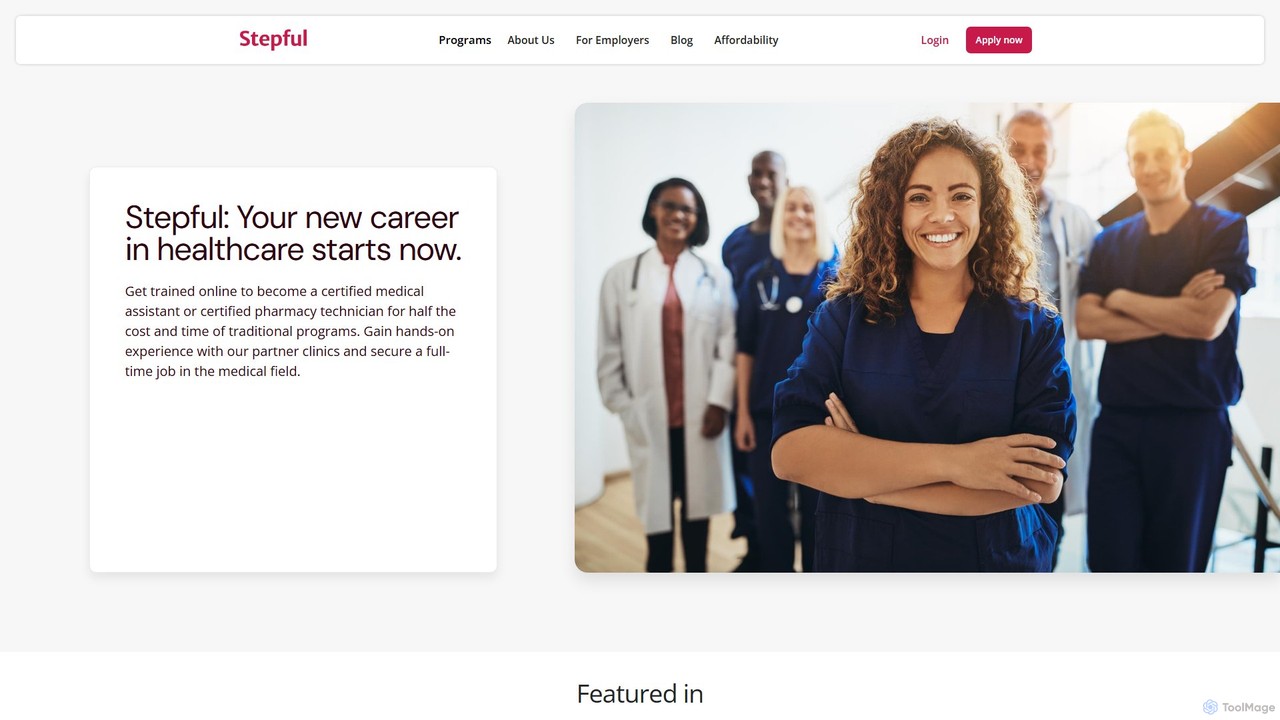
Stepful is an online training platform dedicated to preparing individuals for in-demand healthcare careers like Medical Assistant and …

421.5K

About Medical Education

Medical Education AI tools are specialized platforms that leverage artificial intelligence to enhance learning, training, and assessment for medical professionals and students. These tools utilize advanced algorithms for personalized content delivery, interactive simulations, and efficient knowledge management. They aim to revolutionize traditional medical pedagogy by providing dynamic, accessible, and highly effective educational experiences, ultimately improving clinical outcomes and patient care.

Core Features

  • Interactive Simulations: Provide realistic virtual environments for practicing surgical procedures, diagnostic skills, and patient interactions without risk.
  • Personalized Learning Paths: Adapt educational content and pace to individual student needs, identifying knowledge gaps and recommending targeted resources.
  • AI-Powered Assessment: Automate grading of complex medical cases, provide instant feedback, and analyze performance trends to guide curriculum development.
  • Medical Knowledge Retrieval: Offer intelligent search and summarization of vast medical literature, clinical guidelines, and research papers for quick reference.
  • Virtual Patient Encounters: Simulate patient interviews and examinations, allowing students to hone communication and diagnostic reasoning skills.

Applicable Scenarios

These tools are invaluable for medical schools, teaching hospitals, and continuing professional development programs. For instance, medical students can practice complex surgical techniques in a virtual operating room, while resident doctors can refine diagnostic skills through AI-driven case studies. Furthermore, healthcare organizations use these platforms for standardized training on new protocols and equipment, ensuring consistent quality of care across their staff.

How to Choose

When selecting Medical Education AI tools, consider the breadth and realism of simulations, the adaptability of personalized learning modules, and the robustness of assessment analytics. Evaluate integration capabilities with existing learning management systems (LMS) and electronic health records (EHR), as well as the quality of medical content and adherence to clinical guidelines. User interface intuitiveness and technical support are also crucial for effective adoption.

Medical EducationUse Cases

1

Simulating Complex Surgical Procedures

Medical residents use AI-powered virtual reality platforms to repeatedly practice intricate surgical techniques, such as laparoscopic appendectomy or neurosurgery, gaining muscle memory and confidence before operating on real patients. This reduces risks, accelerates skill acquisition, and allows for performance analysis to identify areas for improvement in a safe, controlled environment.

2

Personalized Learning for Medical Students

An undergraduate medical student struggling with cardiology can use an AI tutor that identifies their specific weaknesses, provides tailored explanations, interactive quizzes, and links to relevant research papers. This ensures a deeper understanding of complex topics, improves exam performance, and fosters a more efficient and engaging learning experience adapted to their individual pace.

3

Automated Clinical Case Assessment

Medical educators employ AI tools to automatically grade student responses to complex clinical vignettes, providing immediate, objective feedback on diagnostic reasoning, treatment plans, and ethical considerations. This frees up faculty time for more personalized mentorship and allows students to receive consistent, unbiased evaluations, accelerating their learning curve in clinical decision-making.

4

Continuous Professional Development for Physicians

Practicing physicians utilize AI platforms to stay updated on the latest medical research, drug developments, and clinical guidelines. The AI curates relevant articles and summaries based on their specialty and interests, ensuring ongoing competence, facilitating evidence-based practice, and helping them meet continuing medical education (CME) requirements efficiently without extensive manual searching.

5

Training Healthcare Staff on New Equipment

Hospital administrators deploy AI-driven interactive modules to train nurses and technicians on the operation of new medical devices, like advanced imaging machines or ventilators. The modules offer step-by-step guidance, simulations, and competency checks, ensuring safe and efficient use of equipment, reducing errors, and standardizing training across different shifts and departments, leading to improved patient safety.

6

Virtual Patient Communication Practice

Medical students engage with AI-powered virtual patients to practice sensitive conversations, history-taking, and delivering difficult news. The AI provides real-time feedback on communication style, empathy, and diagnostic questioning, enhancing patient interaction skills in a low-stakes environment. This prepares them for real-world clinical encounters, improving patient satisfaction and trust.

Medical EducationFrequently Asked Questions