Healthcare Best in category 9 results Patient Engagement AI Tool

Popular AI tools in the Patient Engagement field of Healthcare include Hippocratic AI、ivy.ai、CareMessage、Botco.ai、Medical Brain、Memora Health、KAI Conversations、Getpuppeteer、Elythea, etc., helping you quickly improve efficiency.

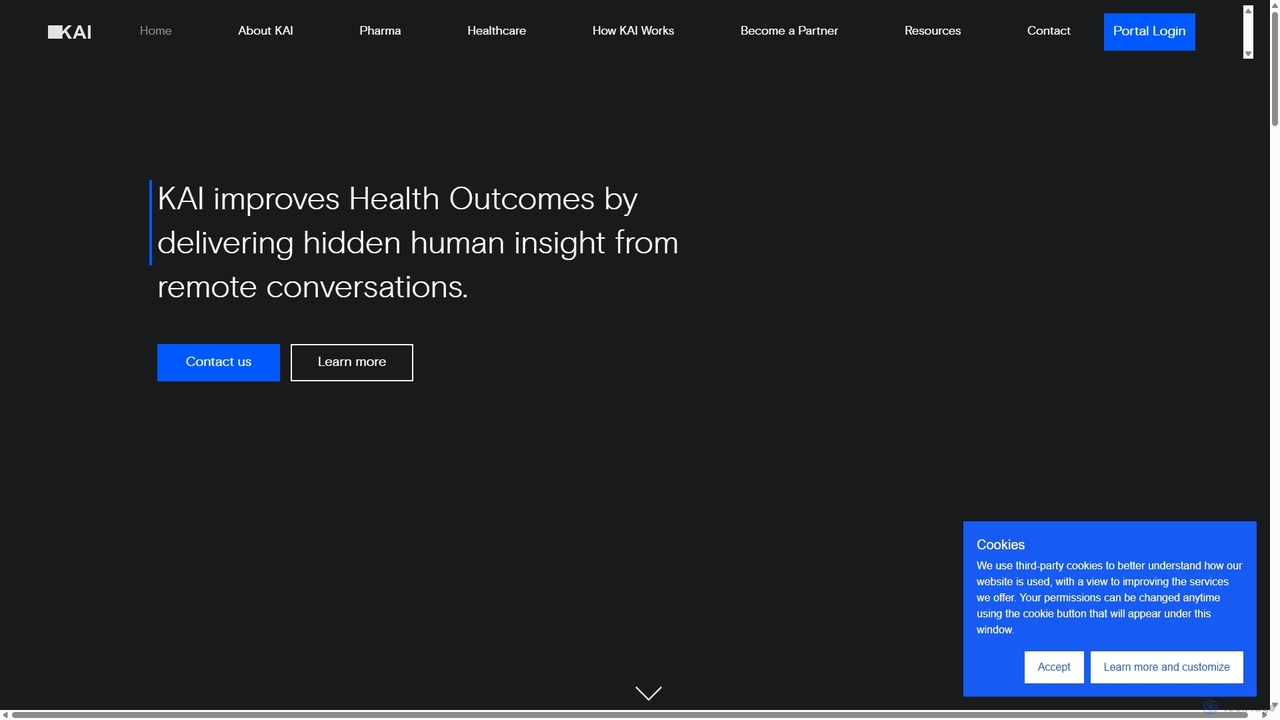
KAI Conversations

KAI Conversations

KAI Conversations is an advanced AI-powered conversation intelligence platform designed for the pharmaceutical and healthcare industries. It analyzes …

4.0K
Getpuppeteer

Getpuppeteer

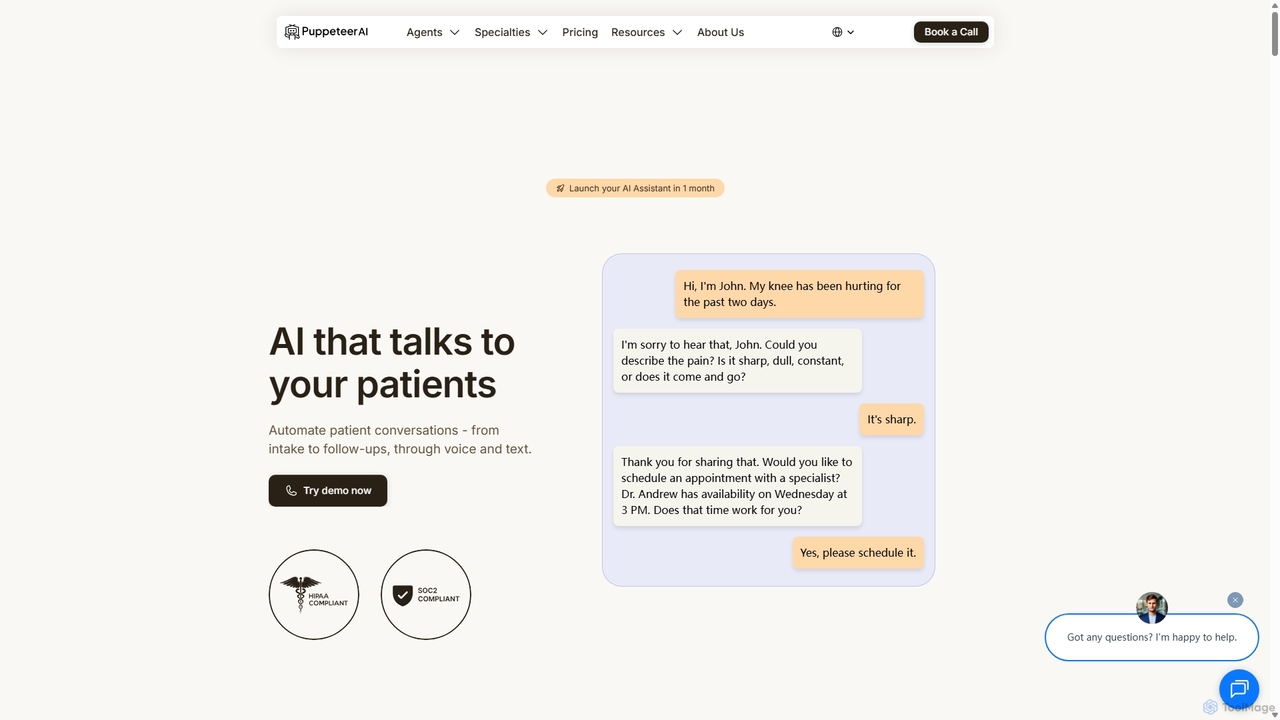
Getpuppeteer provides HIPAA-compliant AI agents for healthcare, automating patient conversations from intake and scheduling to follow-ups and billing. …

3.3K
Memora Health

Memora Health

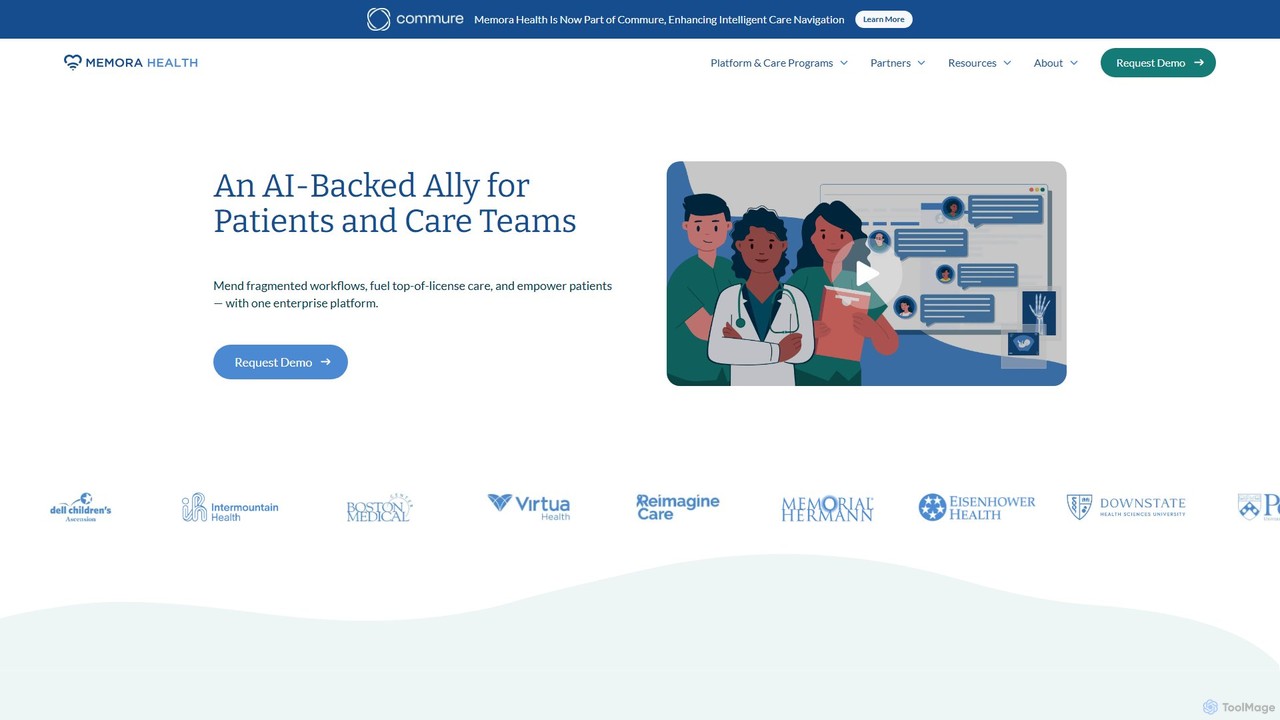
Memora Health is an AI-powered intelligent care enablement platform designed for healthcare organizations. It automates clinical workflows and …

5.6K
CareMessage

CareMessage

CareMessage is an AI-powered patient engagement platform designed for healthcare organizations, particularly those serving underserved populations. It uses …

11.2K
Medical Brain

Medical Brain

Medical Brain is an AI-powered platform designed as a clinical assistant for healthcare providers and a personal health …

5.7K
Botco.ai

Botco.ai

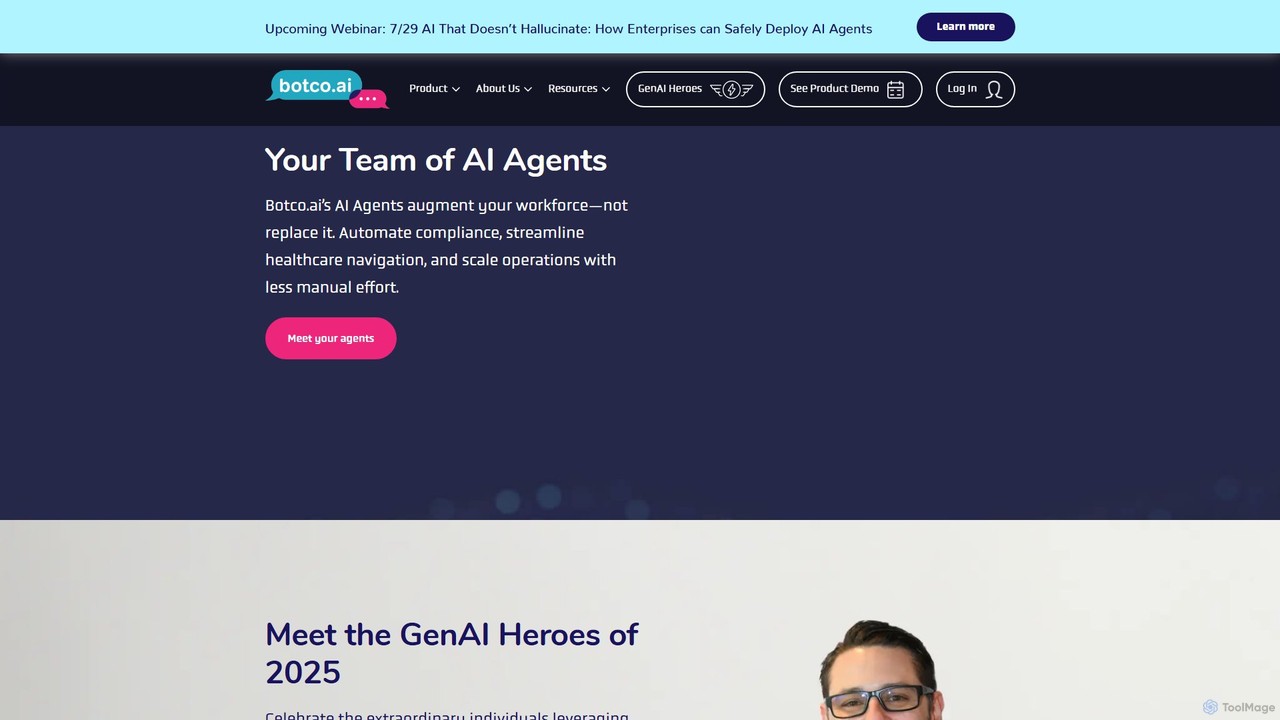
Botco.ai provides an enterprise-grade GenAI Chat Cloud, deploying a team of specialized AI agents to automate tasks, streamline …

8.4K
Elythea

Elythea

Elythea is a Voice AI platform for managed care organizations, automating member outreach with human-like calls and SMS. …

209
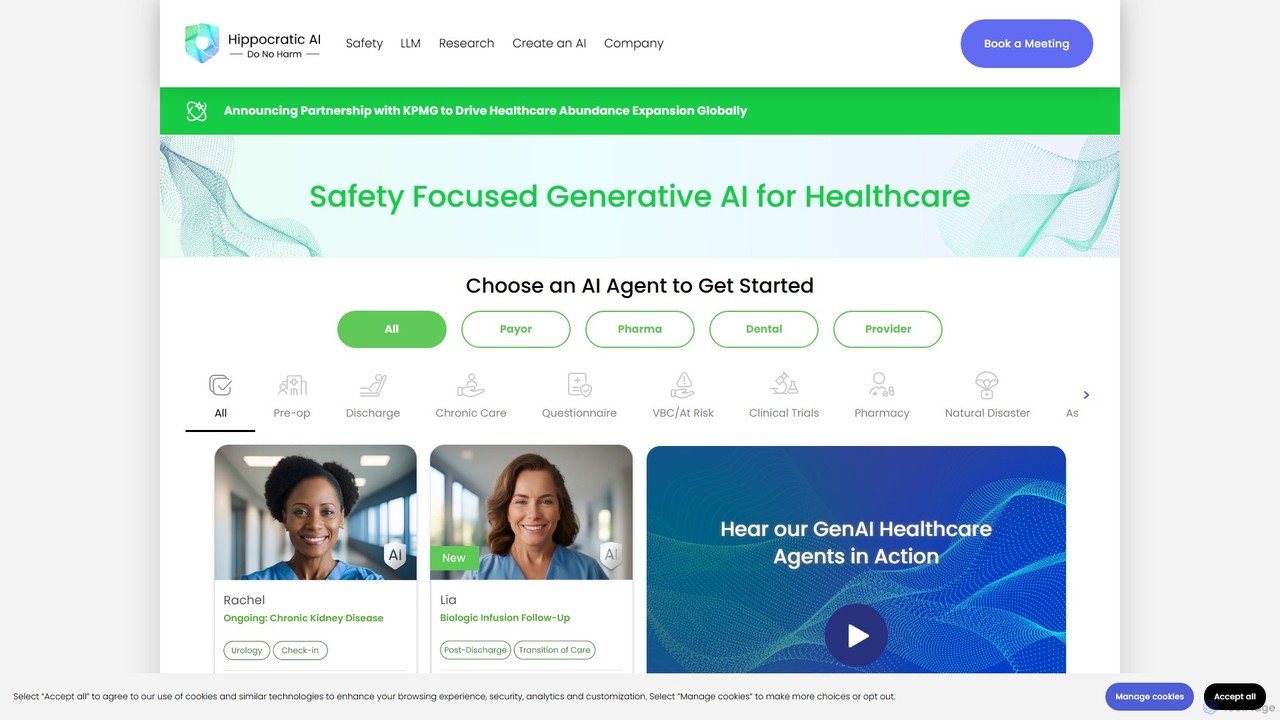
Hippocratic AI

Hippocratic AI

Hippocratic AI is a safety-focused generative AI platform for healthcare. It provides empathetic AI agents to automate non-diagnostic, …

65.2K
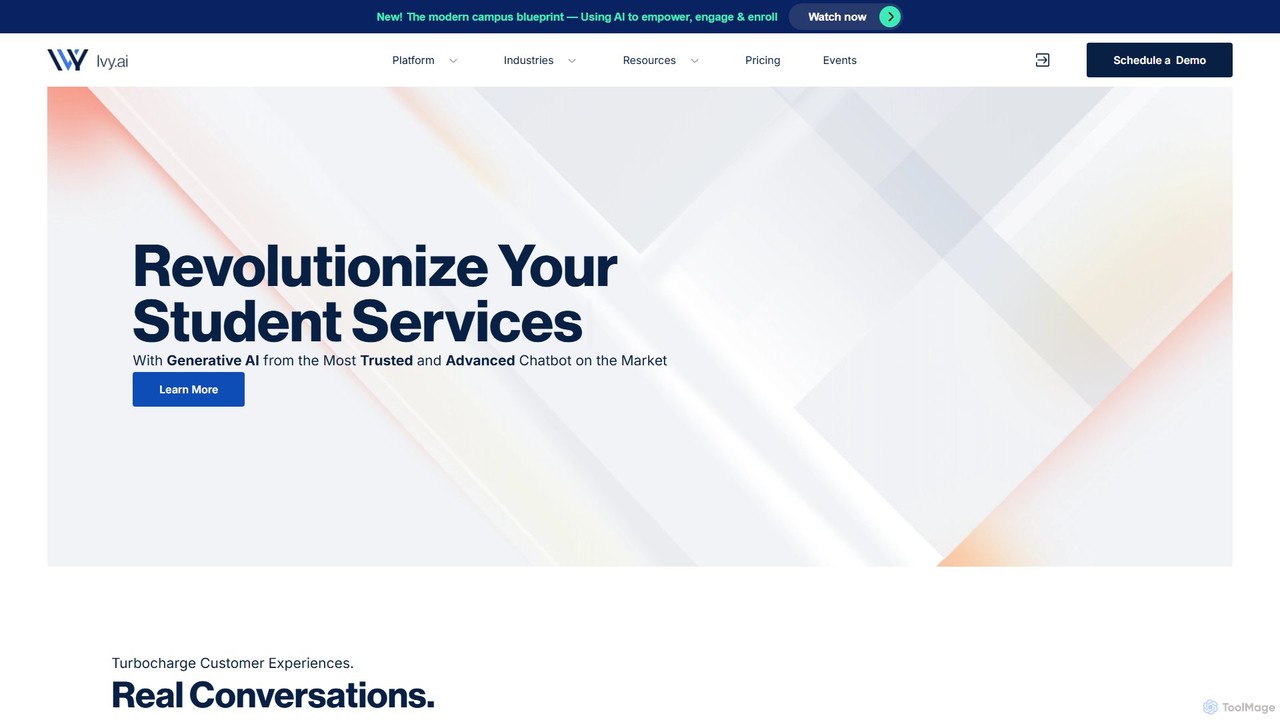
ivy.ai

ivy.ai

ivy.ai provides a generative AI chatbot platform, IvyQuantum™, specifically designed for higher education, healthcare, and government sectors. It …

33.0K

About Patient Engagement

Patient Engagement tools are AI-powered platforms designed to improve communication and collaboration between healthcare providers and patients. Leveraging natural language processing (NLP) and machine learning, these tools automate outreach, provide personalized health education, and monitor patient progress remotely. Their primary value lies in fostering proactive care, improving treatment adherence, and enhancing the overall patient experience outside of traditional clinical settings. This focus on continuous, automated interaction distinguishes them within the broader Healthcare AI landscape.

Core Features

  • Automated Communication: Sends personalized appointment reminders, medication alerts, and follow-up messages.
  • Personalized Health Education: Delivers tailored educational content based on a patient's specific condition and treatment plan.
  • AI-Powered Symptom Triage: Guides patients through preliminary symptom checks to suggest appropriate care pathways.
  • Remote Monitoring Analysis: Analyzes data from connected devices to identify health trends and alert care teams to potential issues.
  • Patient Feedback Collection: Automatically gathers and analyzes patient feedback to improve care quality and satisfaction.

Applicable Scenarios

These tools are widely used by hospitals for post-discharge follow-up, clinics for managing chronic conditions like diabetes or hypertension, and telehealth providers to maintain continuous patient connection. They are also integral to clinical trials for monitoring participant adherence and collecting real-world data.

Selection Criteria

When selecting a Patient Engagement tool, prioritize its ability to integrate with your existing Electronic Health Record (EHR) system. Evaluate its compliance with data privacy regulations like HIPAA. Also, consider the ease of use for your patient population and the level of customization available for communication workflows.

Patient EngagementUse Cases

1

Automating Post-Operative Follow-Up Care

A surgical department uses an AI tool to automatically send daily check-in messages to patients after discharge. The AI asks about pain levels, wound healing, and medication adherence. If a patient reports concerning symptoms, the system flags the case for a nurse to review, enabling early intervention and reducing readmission rates.

2

Managing Chronic Disease Adherence

A primary care clinic deploys a patient engagement platform for patients with diabetes. The AI sends personalized reminders to check blood sugar, take medication, and offers dietary tips based on their latest readings. It helps patients stay on track with their management plan between appointments, improving long-term health outcomes.

3

Streamlining Appointment Scheduling and Preparation

A large medical group uses an AI chatbot on their website and app. The bot helps patients find and book appointments, answers common questions about insurance, and sends automated instructions on how to prepare for a specific procedure. This reduces the administrative load on front-desk staff and improves patient preparedness.

4

Delivering Personalized Prenatal Education

An OB-GYN practice provides expectant mothers with access to an AI-powered app. The app delivers week-by-week educational content about fetal development and maternal health. It can also answer common non-urgent questions 24/7, providing reassurance and supplementing clinical visits by empowering patients with knowledge.

5

Gathering Patient-Reported Outcomes (PROs) for Research

A clinical research organization utilizes a patient engagement tool to collect data directly from trial participants. The AI sends scheduled surveys and prompts to patients' phones, making it easy for them to report symptoms, side effects, and quality of life measures in real-time. This approach leads to richer and more accurate study data compared to traditional methods.

6

Providing Initial Mental Health Triage

A university counseling center implements an AI chatbot as a first point of contact. The bot conducts a preliminary assessment based on standardized questionnaires, provides immediate access to self-help resources, and helps schedule an appointment with a human counselor if needed. This ensures students receive immediate support and are directed to the appropriate level of care efficiently.

Patient EngagementFrequently Asked Questions