
Healthcare Best in category 1 results Remote Patient Monitoring AI Tool

Popular AI tools in the Remote Patient Monitoring field of Healthcare include Ejenta, etc., helping you quickly improve efficiency.

Ejenta

Ejenta

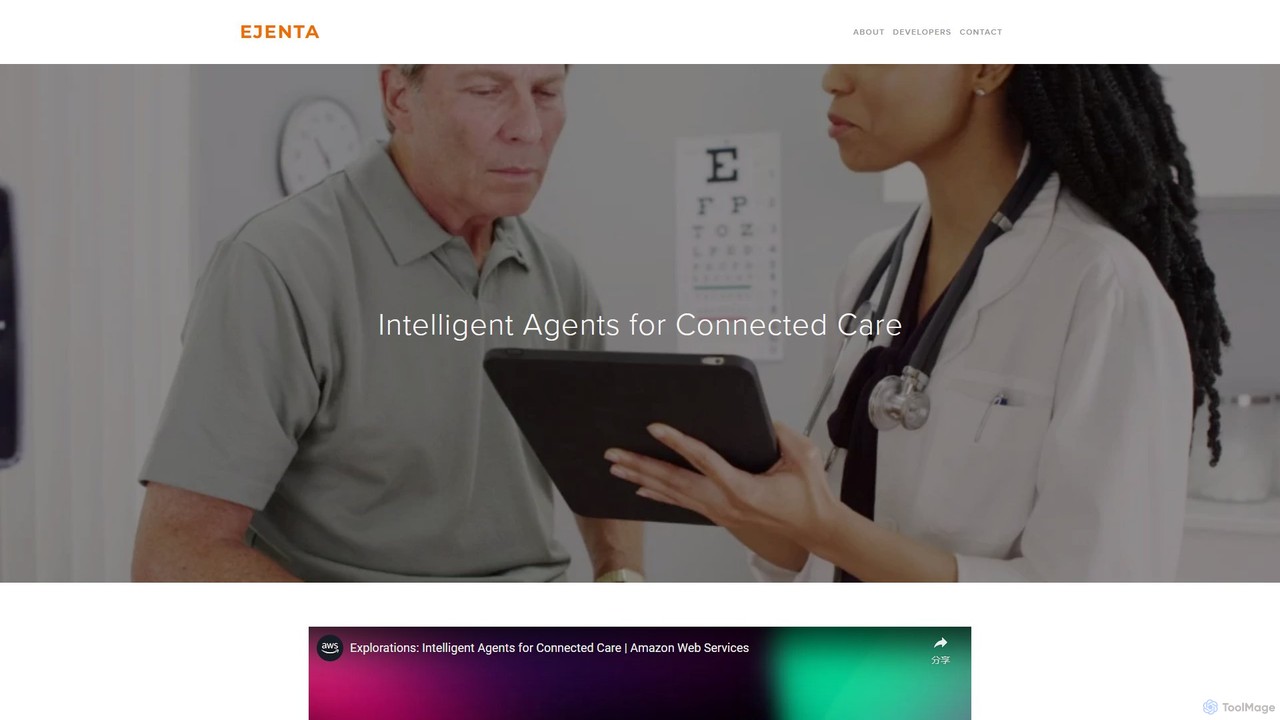
Ejenta is an AI platform that provides intelligent agents for connected care and remote patient monitoring. Leveraging technology …

4.4K

About Remote Patient Monitoring

Remote Patient Monitoring (RPM) tools are AI-driven platforms that automatically collect and analyze patient health data outside of traditional clinical settings. These systems leverage machine learning to process real-time data from wearables and medical devices, identifying trends and potential health risks. This enables healthcare providers to proactively manage chronic conditions, reduce hospital readmissions, and deliver personalized care from a distance. The core value lies in shifting from reactive to preventative healthcare through continuous, intelligent monitoring.

Core Features

  • Real-time Data Analysis: Continuously processes vital signs and biometric data from connected devices.
  • Predictive Alerting: Uses AI to forecast potential health events and notify clinicians before they become critical.
  • Automated Trend Reporting: Generates concise summaries and visualizations of patient health trends over time.
  • Clinical Workflow Integration: Seamlessly connects with Electronic Health Record (EHR) systems for efficient data management.
  • Personalized Patient Engagement: Delivers automated feedback and educational content to patients based on their data.

Use Cases

These tools are primarily used in managing chronic diseases like diabetes, hypertension, and COPD. They are also crucial for post-operative recovery monitoring, elderly care to support independent living, and managing high-risk pregnancies by tracking maternal and fetal health data remotely.

How to Choose

When selecting an RPM tool, consider its device compatibility and integration capabilities with your existing EHR system. Evaluate the platform's data security and compliance with regulations like HIPAA or GDPR. Also, assess the sophistication of its AI-powered alerting system and the user-friendliness of the patient-facing application.

Remote Patient MonitoringUse Cases

1

Proactive Management of Chronic Hypertension

A primary care physician uses an AI RPM platform to monitor a group of patients with hypertension. Patients use connected blood pressure cuffs at home, and the data is automatically sent to the platform. The AI analyzes daily readings, identifies upward trends or dangerous spikes, and alerts the clinical team. This allows for timely medication adjustments without requiring frequent office visits, reducing the risk of strokes and heart attacks for the patient population.

2

Monitoring Post-Surgical Recovery at Home

After a major cardiac surgery, a patient is discharged with a wearable sensor that tracks heart rate, oxygen saturation, and activity levels. The RPM system's AI establishes a baseline for the patient's recovery. It automatically flags anomalies, such as a sudden drop in oxygen levels or an irregular heart rhythm, enabling the hospital's care team to intervene immediately and prevent complications or costly readmissions.

3

Supporting Independent Living for the Elderly

An elderly individual living alone uses an RPM system with passive sensors and a smart watch. The AI learns their daily activity patterns, such as movement, sleep, and medication adherence. If the system detects a significant deviation, like a prolonged period of inactivity suggesting a fall, it sends an alert to family members or emergency services, providing a safety net for independent living and peace of mind for relatives.

4

Remote Diabetes Management and Coaching

A patient with Type 2 diabetes uses a continuous glucose monitor (CGM) linked to an RPM platform. The AI analyzes glucose patterns in relation to logged meals and activity. It provides personalized, automated feedback to the patient, such as 'Your glucose spiked after your last meal. Consider a walk next time.' This empowers patients with self-management skills and provides endocrinologists with rich, contextual data for treatment optimization.

5

Monitoring High-Risk Pregnancies Remotely

An obstetrician monitors a patient with gestational hypertension. The patient uses a home blood pressure monitor and a fetal doppler device connected to an RPM app. The AI system tracks trends in blood pressure and fetal heart rate, alerting the doctor to early signs of preeclampsia or fetal distress. This continuous oversight provides peace of mind and allows for earlier intervention than traditional weekly check-ups could offer.

6

Optimizing Clinical Trial Data Collection

A pharmaceutical research organization uses an RPM platform during a clinical trial for a new cardiovascular drug. Participants use wearables to collect continuous ECG and activity data from home. The AI processes this vast dataset to identify subtle drug effects or adverse events in real-time, providing researchers with higher quality, more consistent data than periodic clinic visits could ever capture, potentially accelerating drug development.

Remote Patient MonitoringFrequently Asked Questions