Vibly
Vibly is an all-in-one, AI-powered client management platform designed for coaches. It streamlines every aspect of a coaching …
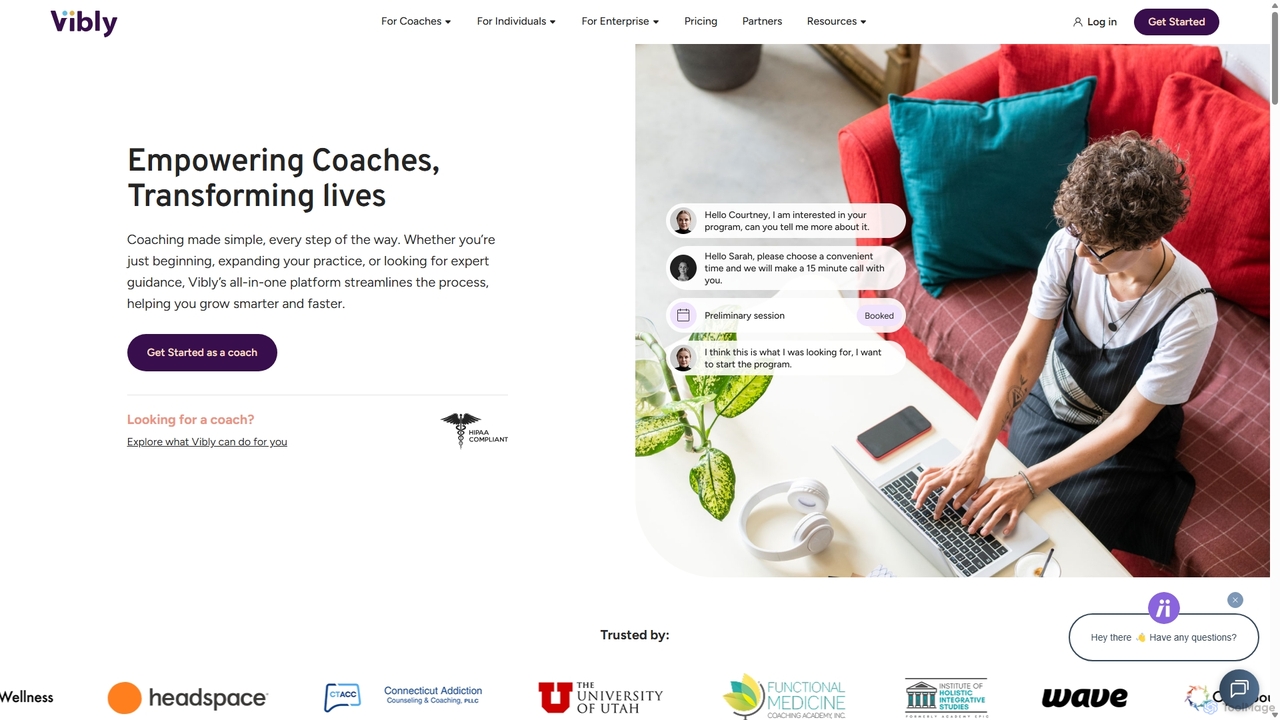
Vibly is an all-in-one, AI-powered client management platform designed for coaches. It streamlines every aspect of a coaching business, from scheduling and payments to secure client communication and progress tracking. Featuring HIPAA compliance and AI-driven tools for note-taking and insights, Vibly helps coaches save time, enhance client experience, and grow their practice efficiently.
About Wellness
AI Wellness tools are applications that leverage artificial intelligence to provide personalized guidance for mental, physical, and emotional well-being. These tools analyze user data from wearables, journals, or direct input to offer customized recommendations, track progress, and promote healthy habits. They serve as digital companions for stress management, fitness coaching, sleep improvement, and mindfulness. As a specialized area within Healthcare AI, wellness tools focus on proactive health maintenance and personal growth rather than clinical diagnosis or treatment.
Core Features
- Personalized Coaching: Delivers tailored fitness routines, nutrition plans, or mental health exercises based on individual goals and performance data.
- Mood & Habit Tracking: Uses AI to identify patterns in user-reported moods and daily activities, offering insights into emotional triggers and behaviors.
- Biofeedback Analysis: Analyzes physiological data from sensors (e.g., heart rate, sleep stages) to provide actionable feedback for improving health.
- Guided Mindfulness & Meditation: Offers AI-curated meditation sessions and breathing exercises that adapt to the user's current stress level or emotional state.
- Cognitive Behavioral Therapy (CBT) Chatbots: Provides automated, interactive therapy sessions to help users manage anxiety, stress, and negative thought patterns.
Use Cases
These tools are widely used by individuals seeking to improve their lifestyle, manage daily stress, or achieve specific fitness goals. Corporate wellness programs deploy them to support employee mental health and reduce burnout. Therapists and coaches may also recommend these apps as supplementary tools for their clients to practice skills between sessions.
How to Choose
When selecting an AI Wellness tool, consider the scientific backing of its methods and recommendations. Evaluate its data privacy policy to ensure your sensitive information is secure. Assess the level of personalization and whether it aligns with your specific goals (e.g., sleep, fitness, anxiety). Finally, check for compatibility with your existing devices, such as smartwatches or fitness trackers, for seamless data integration.
WellnessUse Cases
Personalized Stress Management for Professionals
An office worker experiencing high levels of daily stress uses an AI wellness app connected to their smartwatch. The app continuously monitors physiological indicators like heart rate variability (HRV). When it detects rising stress levels, it sends a discreet notification to the user's phone, suggesting a two-minute guided breathing exercise. By analyzing patterns over weeks, the AI identifies recurring stressors (e.g., specific meetings) and proactively suggests mindfulness techniques beforehand. This helps the user manage stress in real-time and develop long-term coping strategies, leading to improved focus and reduced feelings of being overwhelmed.
AI-Powered Adaptive Fitness Coaching
A fitness enthusiast aims to improve their strength and endurance. They use an AI fitness coach app that first assesses their current fitness level through a series of diagnostic exercises. Based on this, the AI generates a personalized, multi-week workout plan. During each workout, the app tracks performance metrics like reps, weight, and form (via phone camera). If the user struggles with an exercise, the AI might reduce the intensity for the next set. Conversely, if they consistently exceed targets, it will progressively increase the difficulty. This dynamic adjustment ensures the user is always challenged appropriately, optimizing progress and reducing the risk of injury or burnout.
Intelligent Sleep Pattern Analysis and Improvement
A user struggling with inconsistent sleep quality uses an AI wellness tool that syncs with their fitness tracker. The tool analyzes sleep stages (light, deep, REM), duration, and interruptions throughout the night. In the morning, it provides a sleep score and detailed insights, such as correlating a late-night meal with reduced deep sleep. The AI then offers personalized, actionable advice, like suggesting a consistent bedtime, recommending a wind-down routine, or adjusting room temperature. Over time, it learns the user's unique patterns and provides increasingly accurate recommendations to help them achieve more restorative sleep consistently.
AI Chatbot for Cognitive Behavioral Therapy (CBT) Exercises
A student managing anxiety uses an AI chatbot grounded in CBT principles. When feeling anxious before an exam, they can interact with the chatbot. The AI guides them through exercises like identifying negative thought patterns and reframing them into more balanced perspectives. It can also lead them through grounding techniques or progressive muscle relaxation. The chatbot provides a non-judgmental space to practice these skills 24/7, serving as a valuable supplement to traditional therapy. It logs progress and can generate summaries for the user or their therapist to review, helping to track improvement and identify persistent challenges.
Mindful Eating and AI-Powered Nutrition Guidance
An individual looking to improve their eating habits uses an AI wellness app to track their food intake. Instead of manual entry, they simply take a photo of their meal, and the AI's image recognition identifies the food items and estimates portion sizes and nutritional content. The app provides immediate, non-judgmental feedback and tracks macronutrient and micronutrient intake against daily goals. Based on eating patterns, the AI suggests healthier alternatives or recipes that align with the user's taste preferences. This simplifies nutrition tracking and fosters a more mindful approach to eating, helping the user make informed dietary choices without tedious logging.
Corporate Wellness Program Engagement
An HR manager implements an AI wellness platform to boost employee well-being. The platform offers each employee a confidential, personalized experience, including access to guided meditations, fitness challenges, and mental health resources. The AI curates content based on individual interests and stress levels identified through voluntary surveys. It also facilitates team-based wellness challenges (e.g., a step-counting competition) to foster camaraderie. The HR manager receives anonymized, aggregated data on overall workforce well-being trends, allowing them to identify areas for improvement (like high stress in a specific department) and implement targeted support initiatives, all while protecting individual employee privacy.