BodyCheck
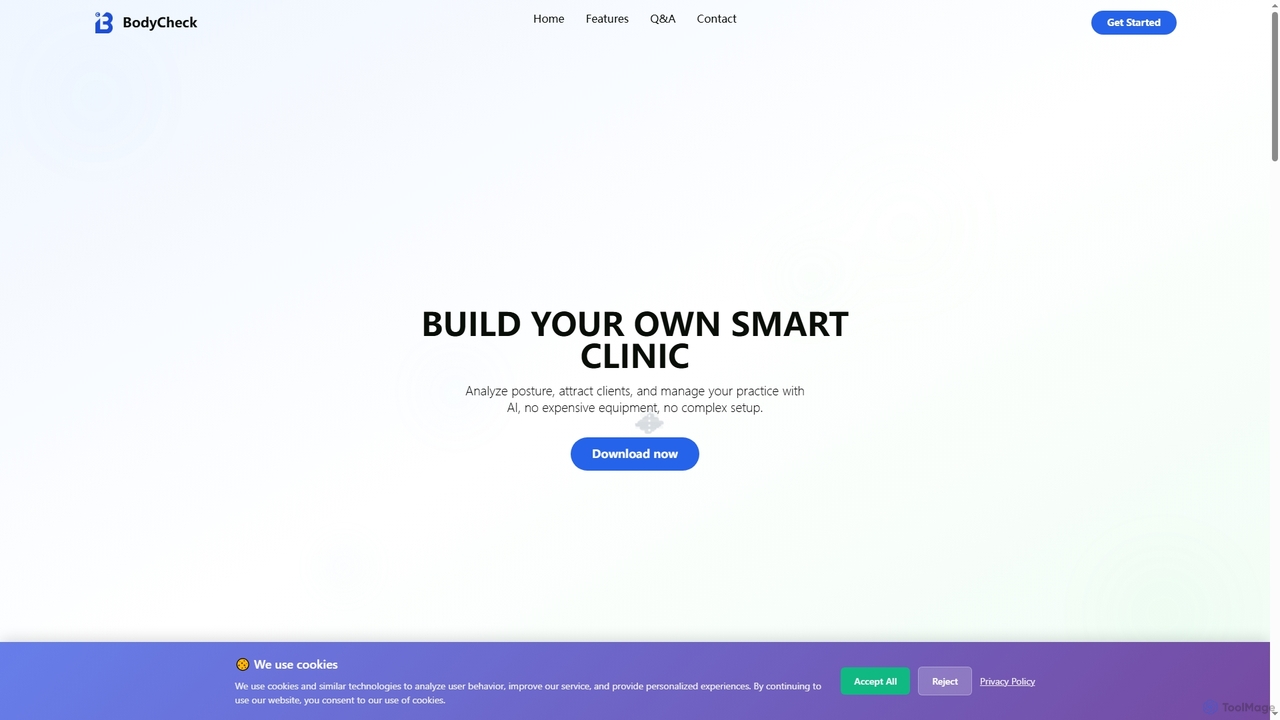
BodyCheck is an AI-powered mobile application designed for healthcare and fitness professionals to perform posture analysis, manage clients, …
BodyCheck is an AI-powered mobile application designed for healthcare and fitness professionals to perform posture analysis, manage clients, and streamline their practice without the need for expensive equipment. It offers instant AI reports, client management tools, and features to help attract and retain clients.
Intuition Robotics
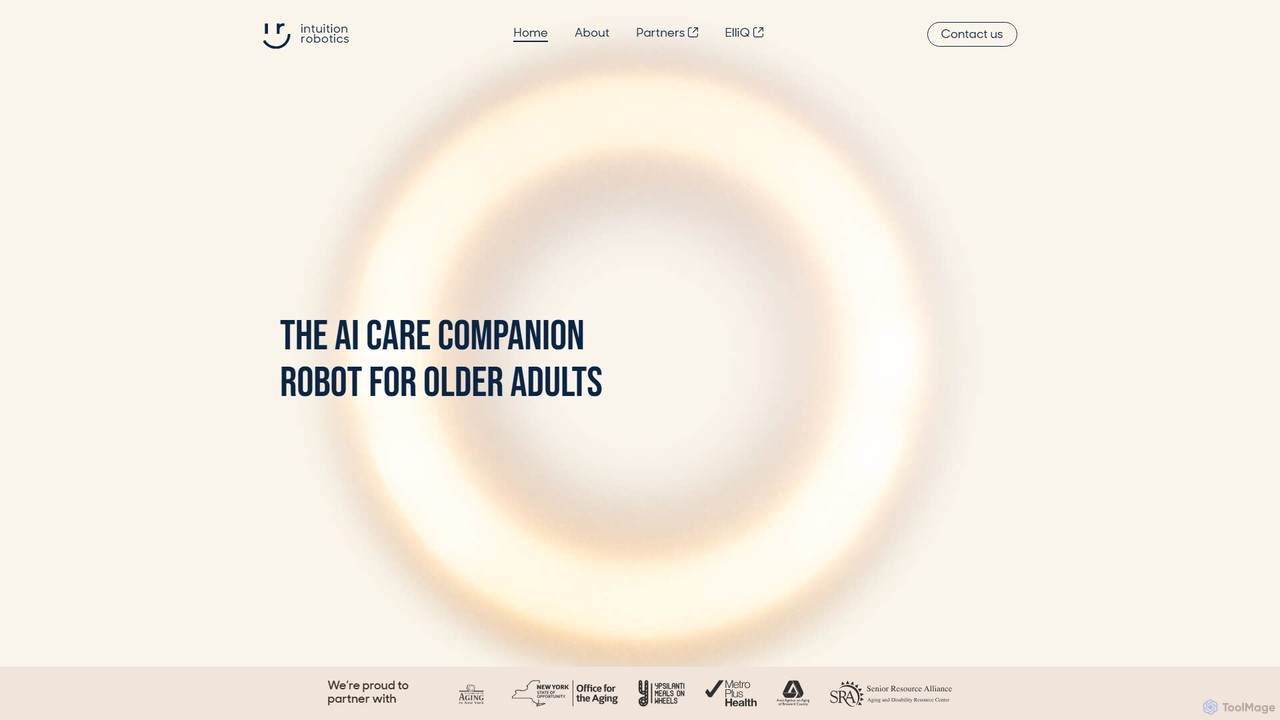
Intuition Robotics develops ElliQ, an award-winning, empathetic AI care companion robot for older adults. It's designed to combat …
Intuition Robotics develops ElliQ, an award-winning, empathetic AI care companion robot for older adults. It's designed to combat loneliness, promote healthy and independent living, and connect seniors with their families and communities through proactive, personalized, and multimodal interactions.
Sunoh.ai
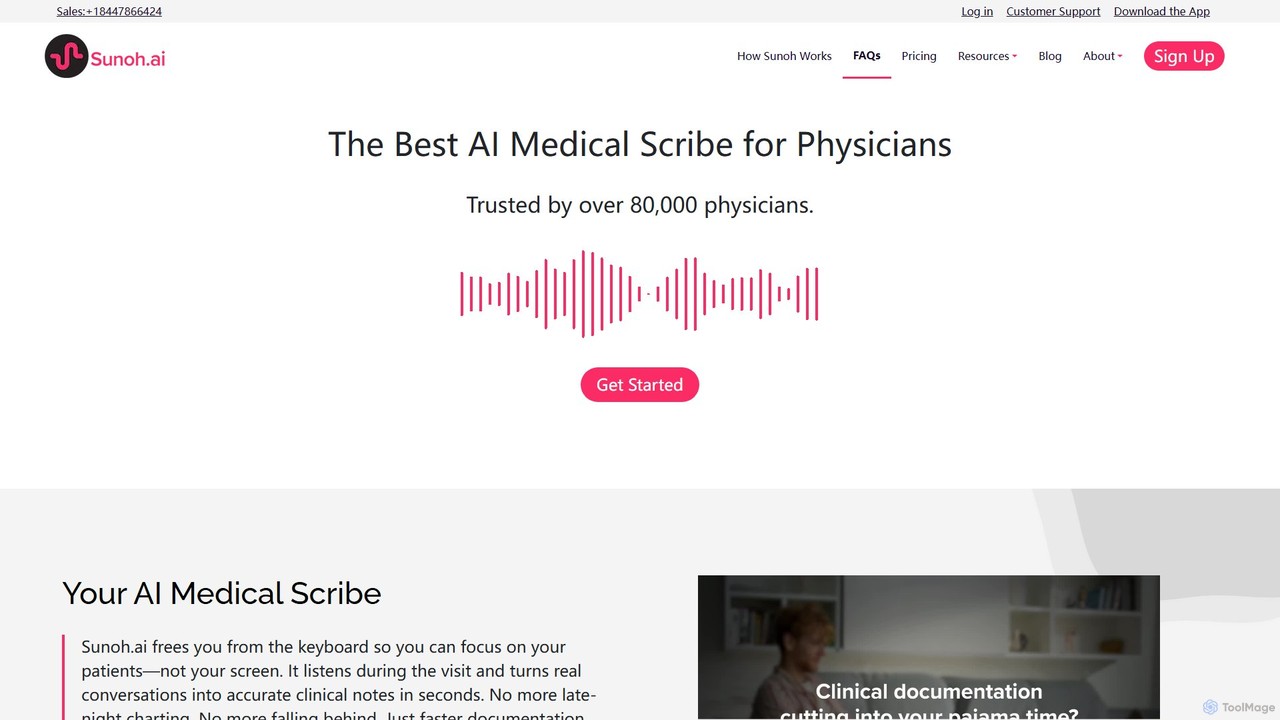
Sunoh.ai is an advanced AI medical scribe that listens to patient-provider conversations and automatically generates accurate clinical notes. …
Sunoh.ai is an advanced AI medical scribe that listens to patient-provider conversations and automatically generates accurate clinical notes. Designed for physicians, it streamlines documentation, integrates with EHR systems, and is HIPAA compliant, saving doctors hours daily and reducing burnout.
Talkatoo
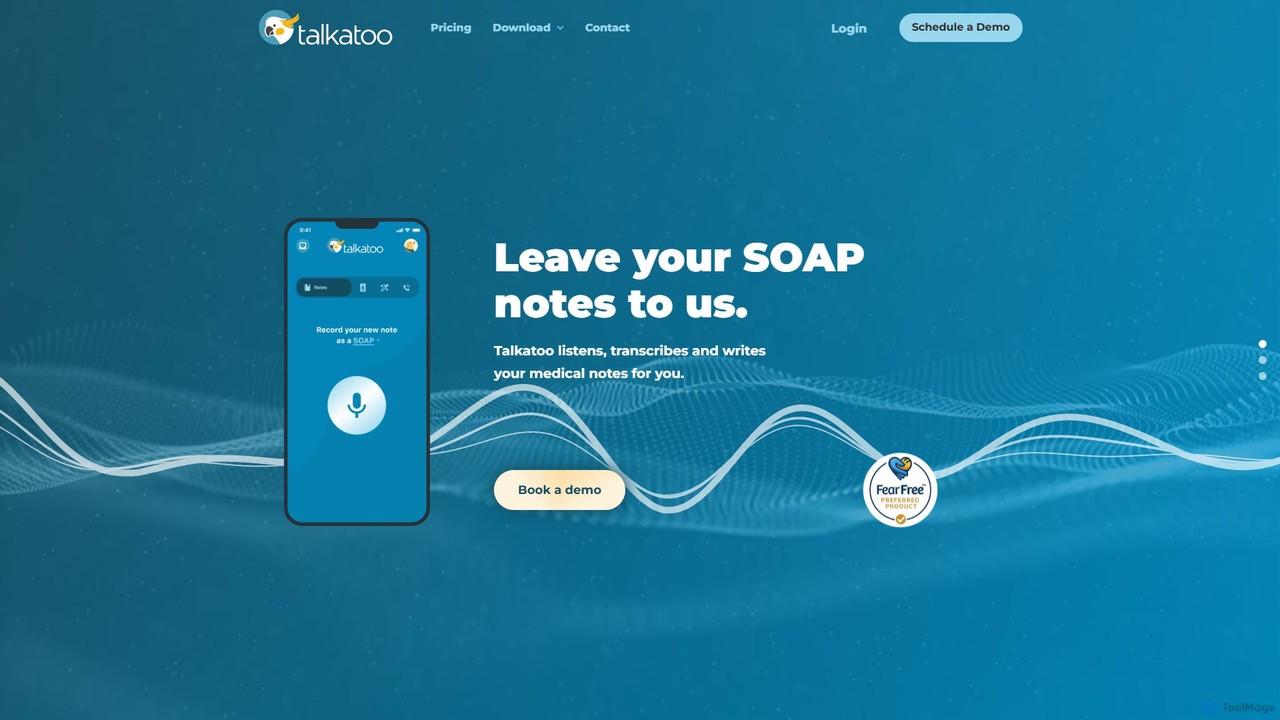
Talkatoo is an AI-powered dictation and scribe software specifically designed for veterinary professionals. It automates the creation of …
Talkatoo is an AI-powered dictation and scribe software specifically designed for veterinary professionals. It automates the creation of medical notes, such as SOAP notes, by transcribing and structuring conversations. It also offers features like call summaries and an AI assistant to streamline administrative tasks, saving veterinarians hours of paperwork.
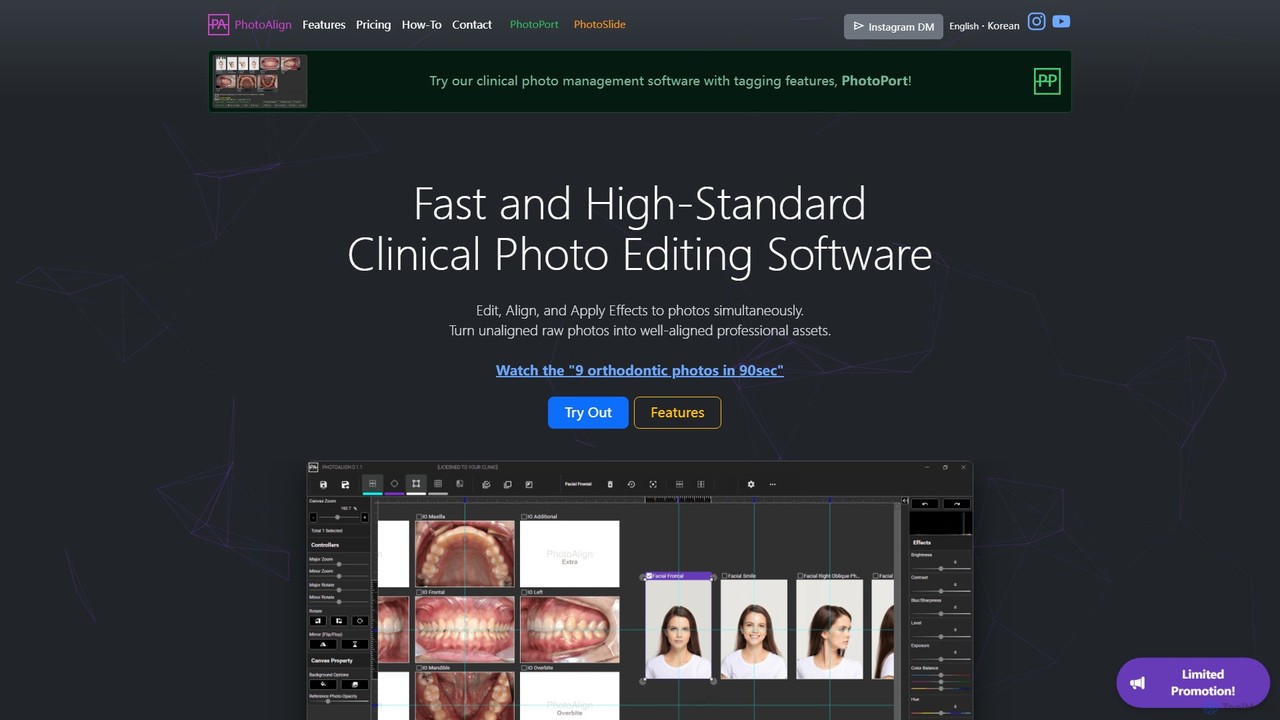
PhotoAlign
An AI-powered photo editing software designed for dental and orthodontic professionals. It streamlines the process of editing, aligning, …
An AI-powered photo editing software designed for dental and orthodontic professionals. It streamlines the process of editing, aligning, and standardizing clinical photos, saving significant time with batch processing, AI-powered placement, and professional templates.
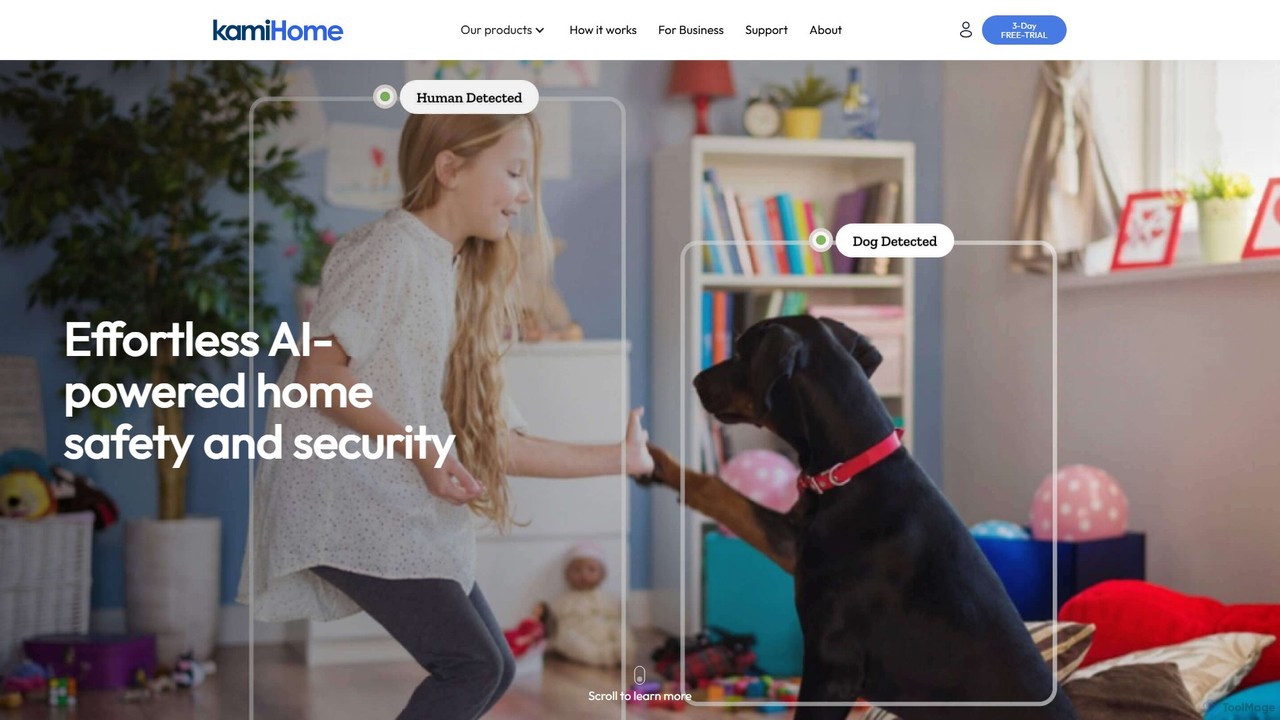
kamihome
Kami Home is an AI-powered home security platform that acts as a co-pilot for your safety. It offers …
Kami Home is an AI-powered home security platform that acts as a co-pilot for your safety. It offers smart security cameras and subscription services like secure cloud storage, 24/7 professional monitoring with emergency dispatch, and a specialized AI fall detection system for senior care. Through its mobile app, users can receive intelligent alerts for people, vehicles, or falls, view live feeds, and manage their security from anywhere, ensuring peace of mind for homeowners, renters, and caregivers alike.
About Healthcare
AI Healthcare tools are a class of software that leverages artificial intelligence, particularly machine learning and natural language processing, to analyze complex medical data. These tools process vast datasets, including medical imaging, electronic health records (EHRs), and genomic sequences, to identify patterns and predict outcomes. They are designed to support clinical decision-making, streamline hospital operations, and accelerate biomedical research. By automating analysis and providing data-driven insights, these tools help improve diagnostic accuracy and personalize patient care.
Core Features
- Medical Image Analysis: Automatically detects and highlights anomalies in X-rays, CT scans, and MRIs to assist radiologists and pathologists.
- Predictive Analytics: Forecasts disease outbreaks, patient risk stratification, and potential adverse drug events using historical data.
- Clinical Workflow Automation: Automates administrative tasks such as medical coding, patient data entry, and appointment scheduling.
- Drug Discovery Acceleration: Analyzes biological data to identify potential drug candidates and predict their efficacy, shortening research cycles.
- Personalized Treatment Planning: Recommends tailored treatment protocols based on an individual's genetic profile, lifestyle, and clinical history.
Use Cases
AI Healthcare tools are utilized across various medical settings. Hospitals and clinics use them for diagnostic support and operational efficiency. Pharmaceutical companies and research institutions apply them to accelerate drug discovery and clinical trials. Public health organizations also use predictive analytics for epidemiology and resource allocation.
How to Choose
When selecting an AI Healthcare tool, prioritize solutions with proven clinical validation and regulatory compliance (e.g., HIPAA, GDPR). Assess its integration capabilities with your existing Electronic Health Record (EHR) systems. Evaluate the model's accuracy, transparency, and the quality of the data it was trained on. Finally, ensure the provider offers robust data security measures and technical support.
HealthcareUse Cases
Automated Medical Image Screening
A radiologist in a busy hospital uses an AI-powered diagnostic tool to analyze hundreds of chest X-rays daily. The tool automatically flags images with potential signs of pneumonia or lung nodules, prioritizing them for expert review. This system acts as a second reader, helping to reduce the risk of missed diagnoses due to fatigue and high workload. As a result, the radiology department can improve its diagnostic accuracy and significantly decrease the turnaround time for critical findings, leading to earlier patient treatment.
Predicting Patient Readmission Risk
A hospital care management team uses a predictive analytics platform to identify patients at high risk of readmission within 30 days of discharge. The AI model analyzes factors from the patient's electronic health record, such as diagnosis, length of stay, comorbidities, and past admissions. Based on the risk score, the team can allocate resources more effectively, providing high-risk patients with proactive follow-up calls, home health visits, or specialized care coordination to prevent complications and ensure a smoother recovery.
AI-Powered Clinical Documentation
A primary care physician uses an ambient clinical intelligence tool during patient consultations. The tool listens to the doctor-patient conversation, automatically transcribes it, and populates the relevant fields in the electronic health record (EHR) in real-time. It can distinguish between speakers, identify medical terms, and structure the notes correctly. This automation frees the physician from extensive note-taking, reducing administrative burden and burnout, and allowing them to focus more on direct patient interaction and care.
Accelerating Drug Discovery Research
A team of researchers at a pharmaceutical company uses an AI platform to analyze vast genomic and proteomic datasets. The goal is to identify novel biological targets for a new cancer therapy. The AI model sifts through millions of data points to find correlations that would be impossible for humans to detect, predicting which proteins are most likely to be effective drug targets. This significantly narrows down the number of candidates for laboratory testing, saving months or even years of research time and millions in R&D costs.
Personalized Cancer Treatment Planning
An oncologist uses an AI decision support system to create a personalized treatment plan for a patient with a rare form of cancer. The system analyzes the patient's genomic data, pathology reports, and medical history, comparing it against a vast database of clinical trials, research papers, and treatment outcomes from similar cases worldwide. It then suggests a ranked list of potential therapies, including targeted drugs and immunotherapies, that are most likely to be effective for this specific patient, empowering the oncologist to make a more informed decision.
Intelligent Triage for Virtual Health Assistants
A large healthcare provider implements an AI-powered chatbot on its patient portal. When a patient reports symptoms, the chatbot engages in a conversational triage process, asking targeted questions to assess the severity and nature of the issue. Based on the responses, it can recommend self-care measures for minor issues, schedule a telehealth appointment with a nurse or doctor for non-urgent cases, or advise immediate emergency care for critical symptoms. This automates the initial patient intake, ensuring patients are directed to the appropriate level of care efficiently.