ToolMage
Sign in

Best 13 Hospitality AI tools

Popular Hospitality AI tools include Enso Connect, hotelincloud, mara_solutions, speakspots, GigaML, MAJC, viqal, Riviera, BnbDirect, and Wetime, helping you work more efficiently.

BnbDirect
Paid

BnbDirect

BnbDirect transforms your Airbnb listing into a commission-free direct booking website in minutes. It empowers hosts to save 15-20% on fees, own guest relationships and data, and gain full control over their rental business, offering a professional online presence without technical skills.

Commission Savings
Visits 6.1KFavorites 39Likes 37
Menyo AI
Freemium

Menyo AI

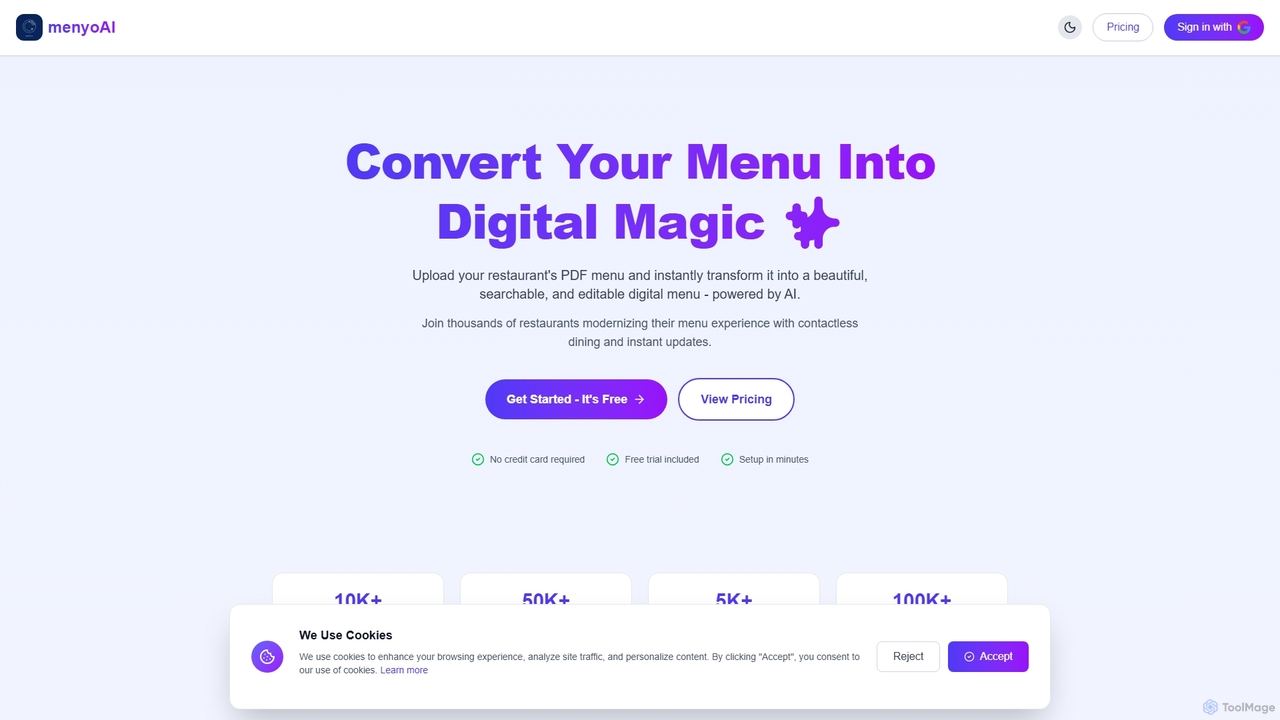
Menyo AI is an AI-powered platform that transforms traditional PDF restaurant menus into interactive, digital experiences. It enables restaurants to effortlessly create, manage, and update beautiful, searchable, and multi-language digital menus, complete with custom QR codes and real-time analytics, enhancing customer engagement and operational efficiency.

Restaurant Insights
Visits 5.4KFavorites 151Likes 147
ShortRentals
Paid

ShortRentals

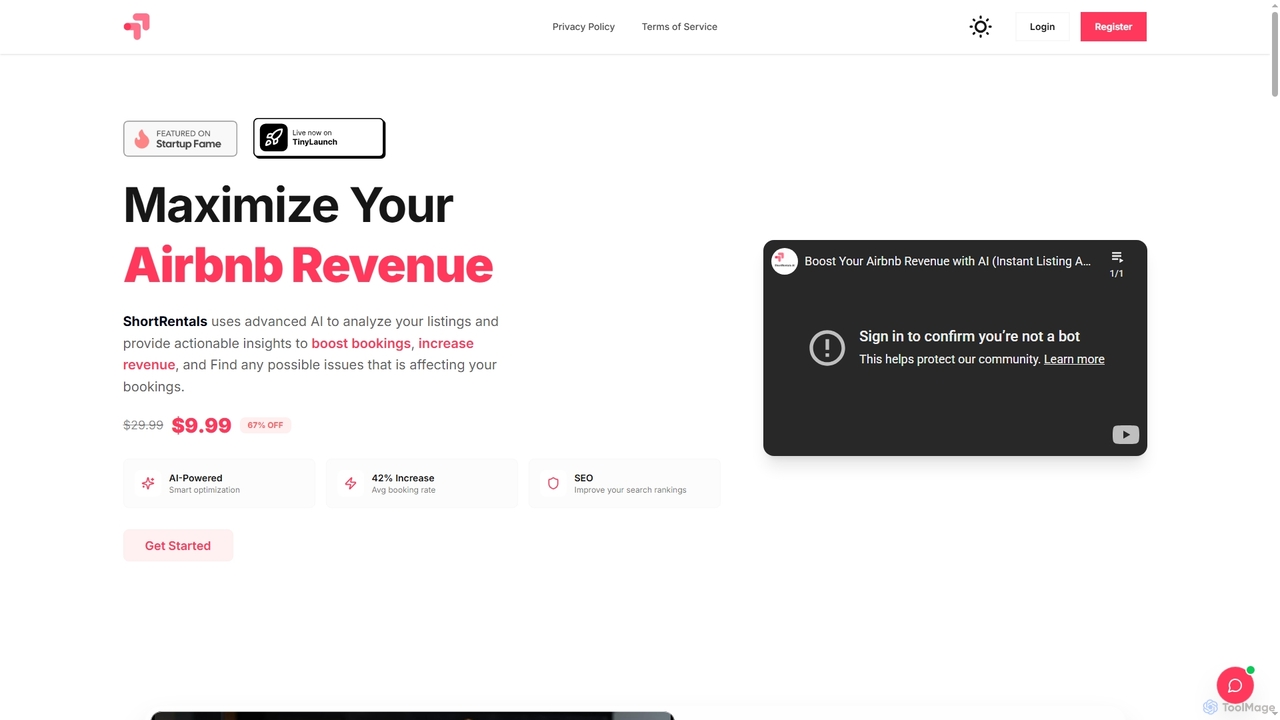
ShortRentals is an AI-powered tool designed for Airbnb hosts and property managers to optimize their listings. It analyzes listings to provide actionable insights on SEO, pricing, and amenities, aiming to boost bookings, increase revenue, and identify potential issues affecting performance.

Property Management
Visits 5.3KFavorites 150Likes 142
MAJC
Free

MAJC

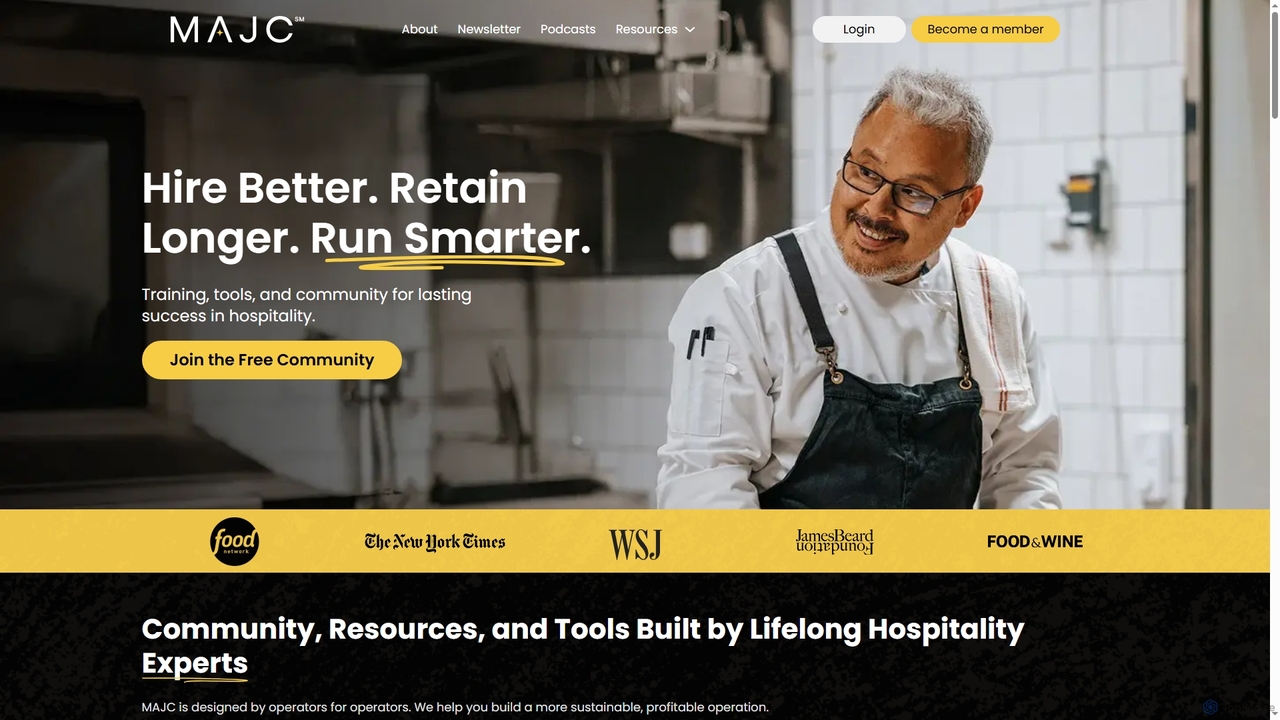
MAJC is a global community and platform dedicated to empowering hospitality professionals. It offers expert-led training, practical tools, and a supportive network to help businesses improve hiring, enhance staff retention, streamline operations, and foster sustainable growth within the industry.

Networking
Visits 18.4KFavorites 141Likes 162
Riviera
Paid

Riviera

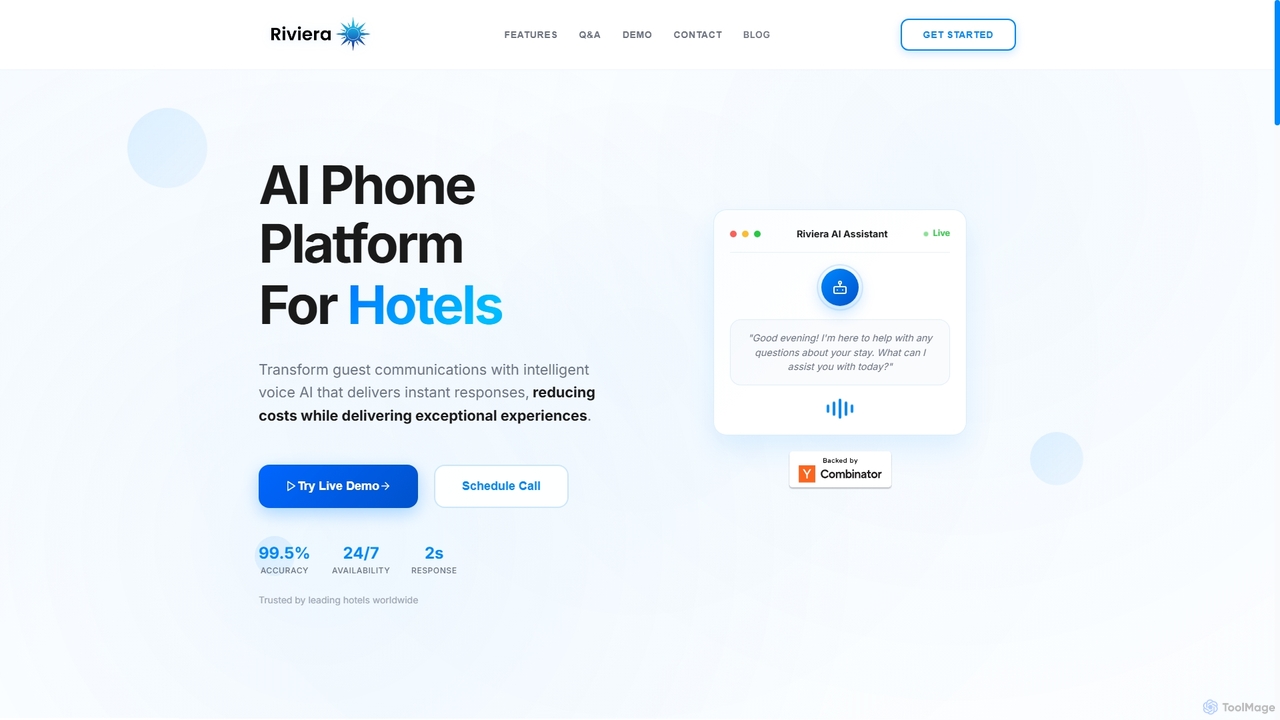
Riviera is an AI-powered voice agent platform designed for the hotel industry. It transforms guest communications by providing instant, intelligent responses 24/7, eliminating hold times, and integrating seamlessly with existing hotel systems like PBX, PMS, and POS. This reduces staff workload, cuts operational costs, and delivers an exceptional guest experience.

Voice Assistant
Visits 6.1KFavorites 134Likes 116
viqal
Paid

viqal

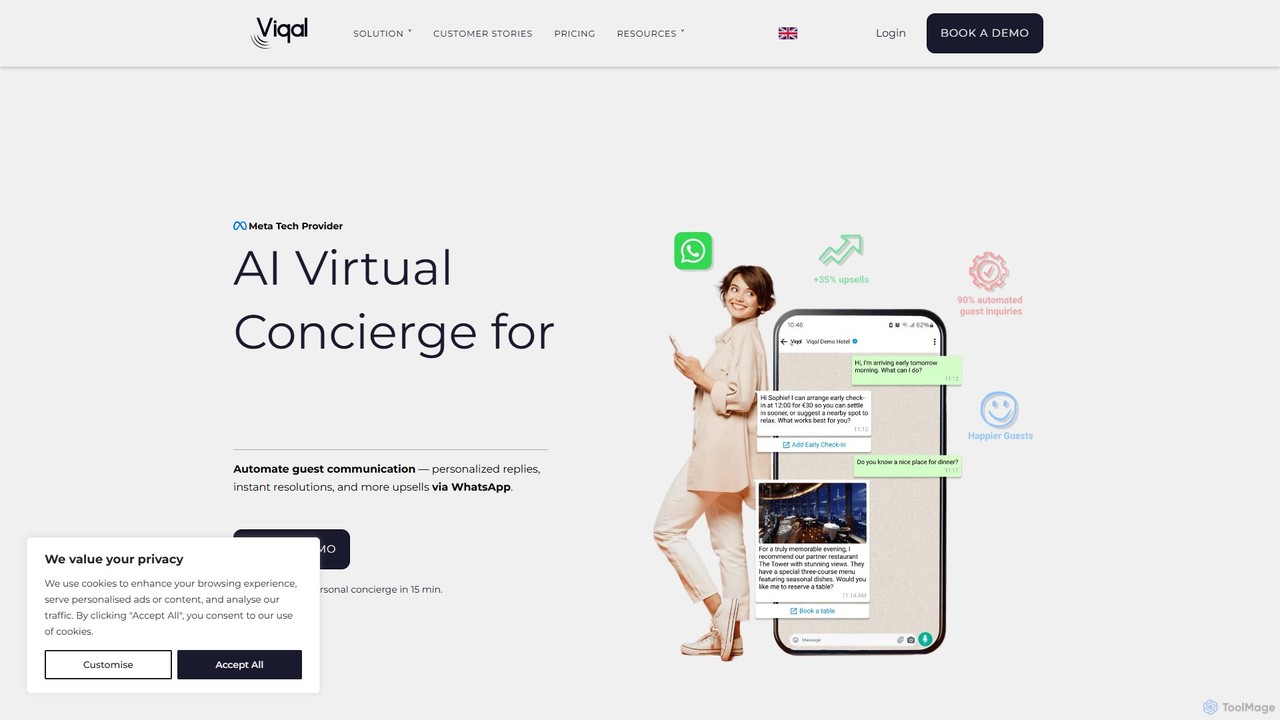
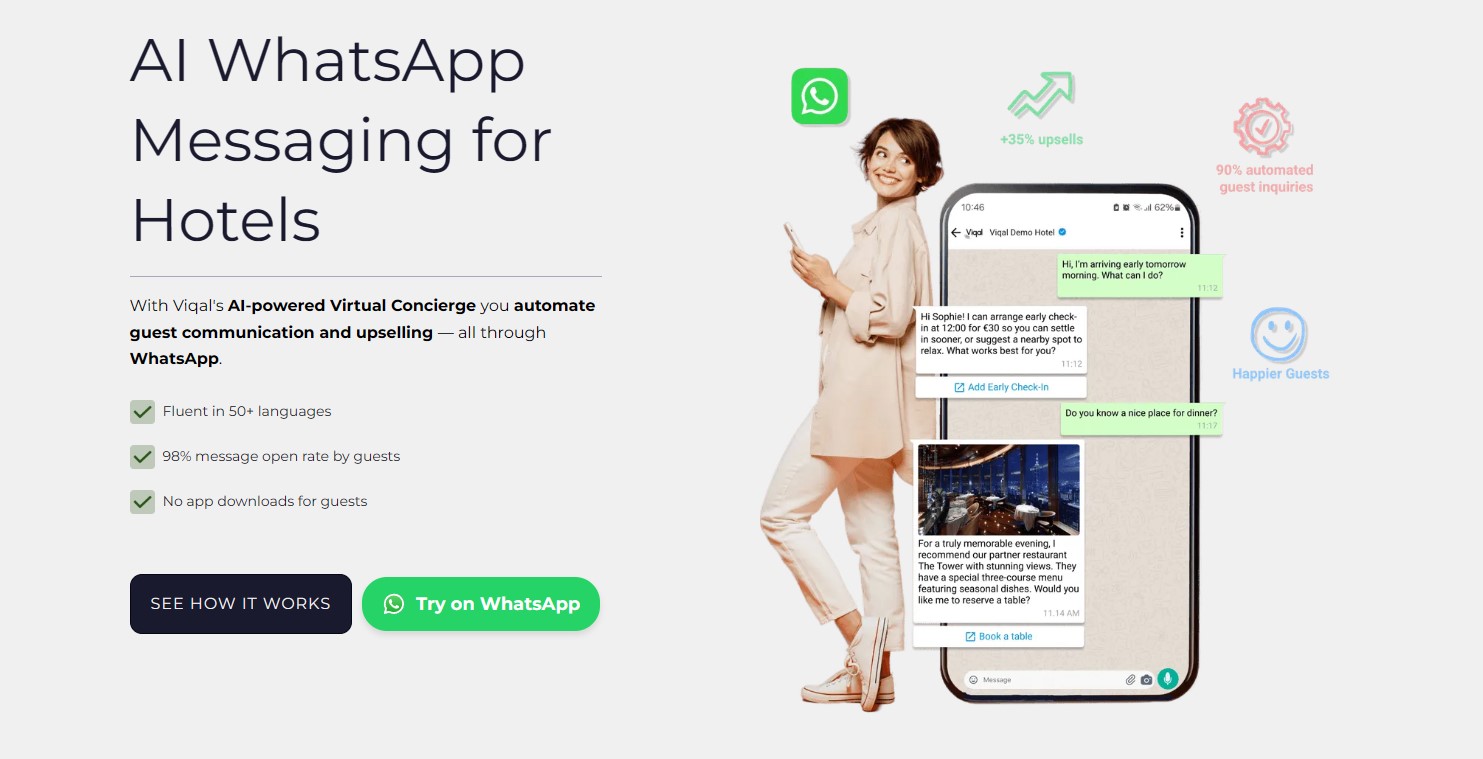
viqal is an AI-powered virtual concierge for the hospitality industry. It automates guest communication via WhatsApp, handling everything from pre-arrival check-in and in-stay requests to personalized local tips and upselling opportunities. This 24/7 service reduces staff workload, boosts revenue, and enhances the overall guest experience without requiring any app downloads.

Chatbot
Visits 7.8KFavorites 157Likes 156
innkeeper
Freemium

innkeeper

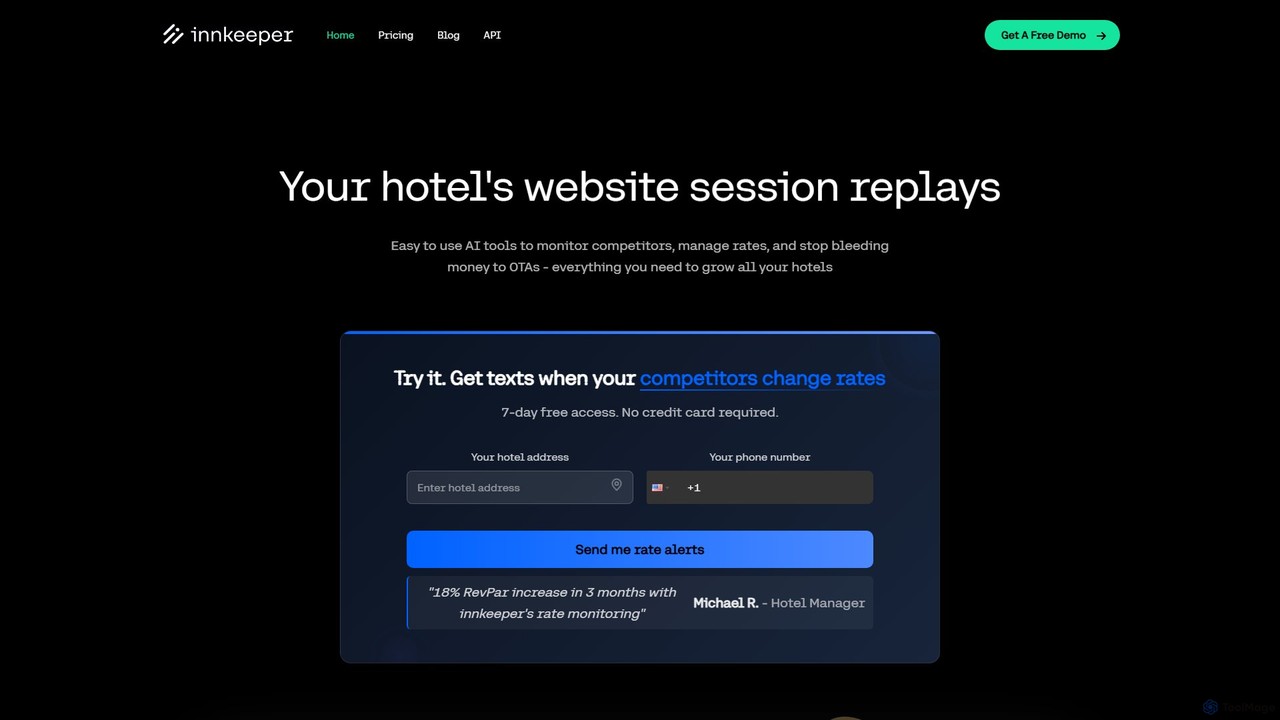
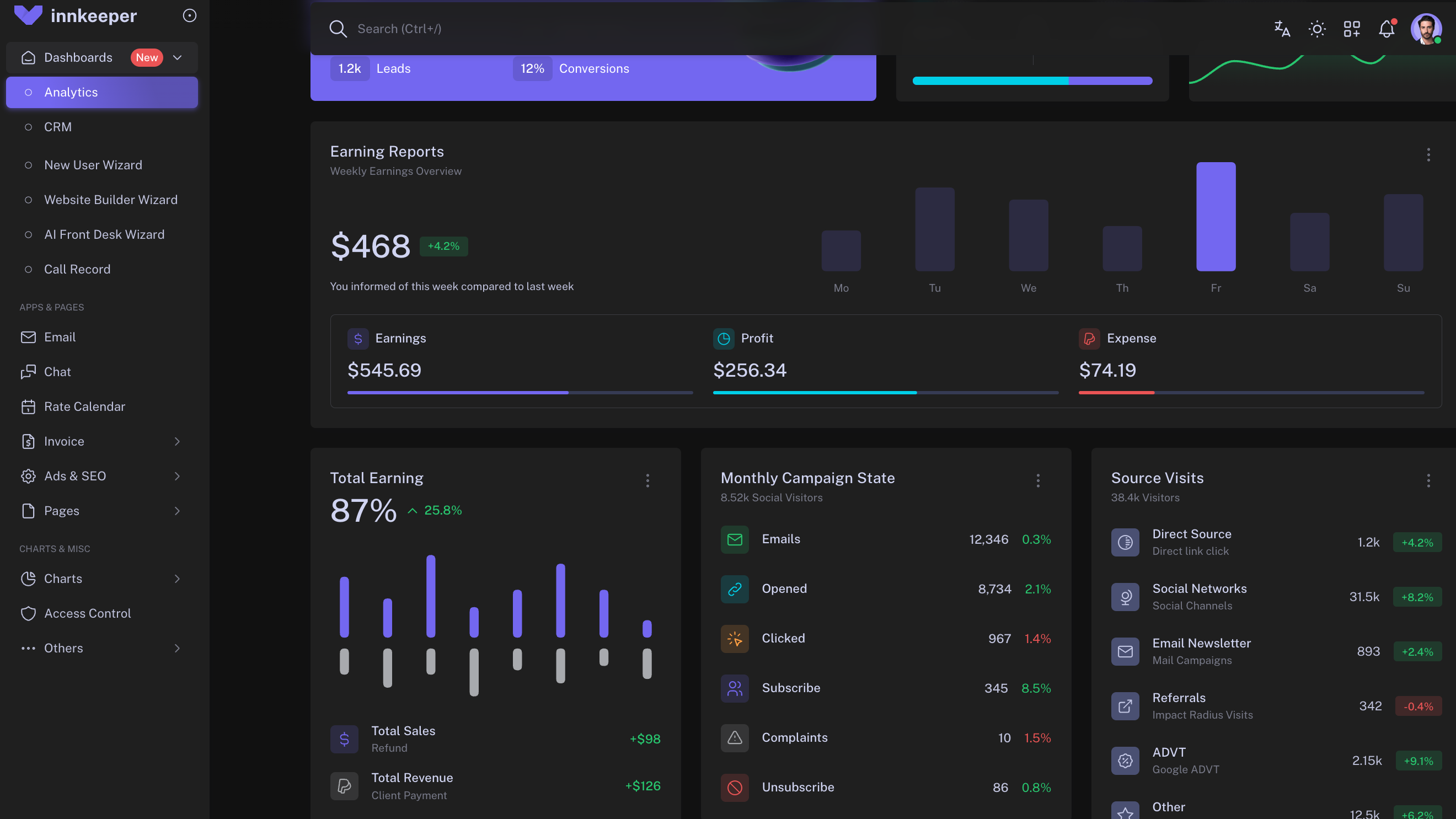
innkeeper is an all-in-one AI-powered hotel management platform designed to increase direct bookings, optimize revenue, and automate operations. It provides hotels with a high-converting website, real-time competitor rate monitoring, a 24/7 AI front desk, and dynamic pricing tools to reduce reliance on OTAs and boost profitability.

Chatbot
Visits 5.6KFavorites 139Likes 149
Enso Connect
Paid

Enso Connect

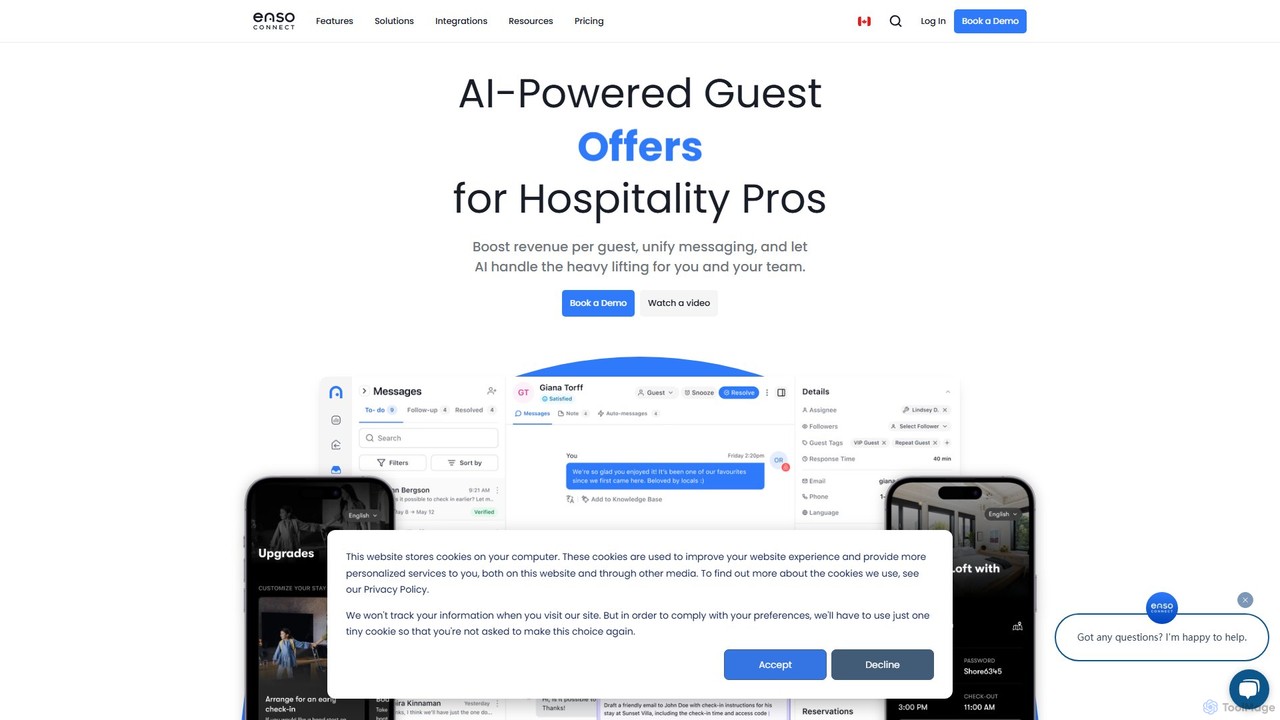
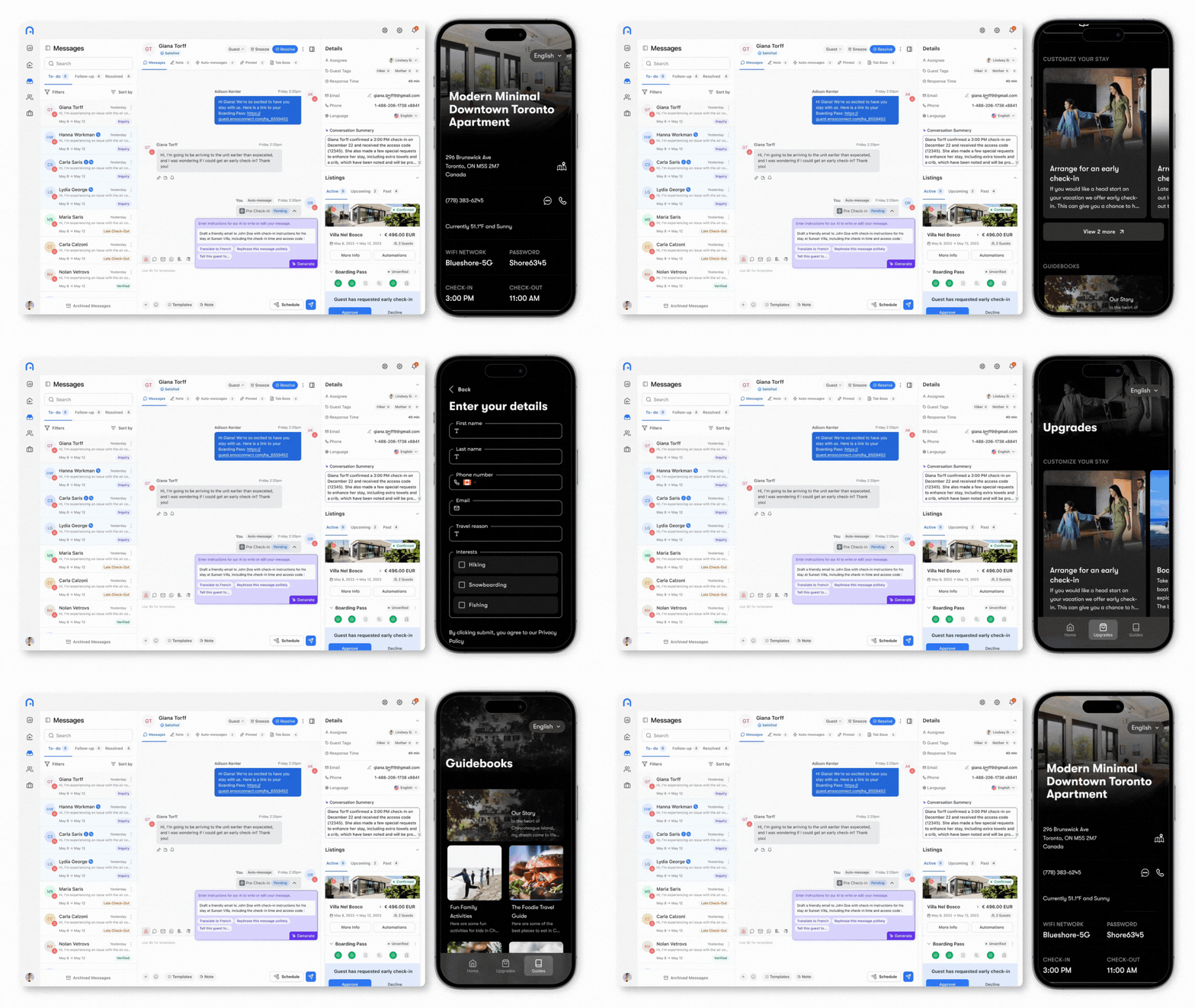
Enso Connect is an AI-powered guest experience platform for short-term rentals. It helps hospitality professionals boost revenue, automate communication, and streamline operations through features like a unified inbox, digital guidebooks, automated check-ins, and personalized upsells, creating seamless 5-star guest journeys.

Operations
Visits 364.1KFavorites 124Likes 108
GigaML

GigaML

GigaML provides enterprise-grade AI voice agents designed for human-like customer support. Leveraging ultra-low latency RAG technology, it integrates seamlessly with existing systems to automate conversations, handle high volumes of inquiries 24/7, and increase revenue through intelligent upselling, all while ensuring top-tier security and compliance.

Enterprise Solutions
Visits 26.8KFavorites 137Likes 144
speakspots
Freemium

speakspots

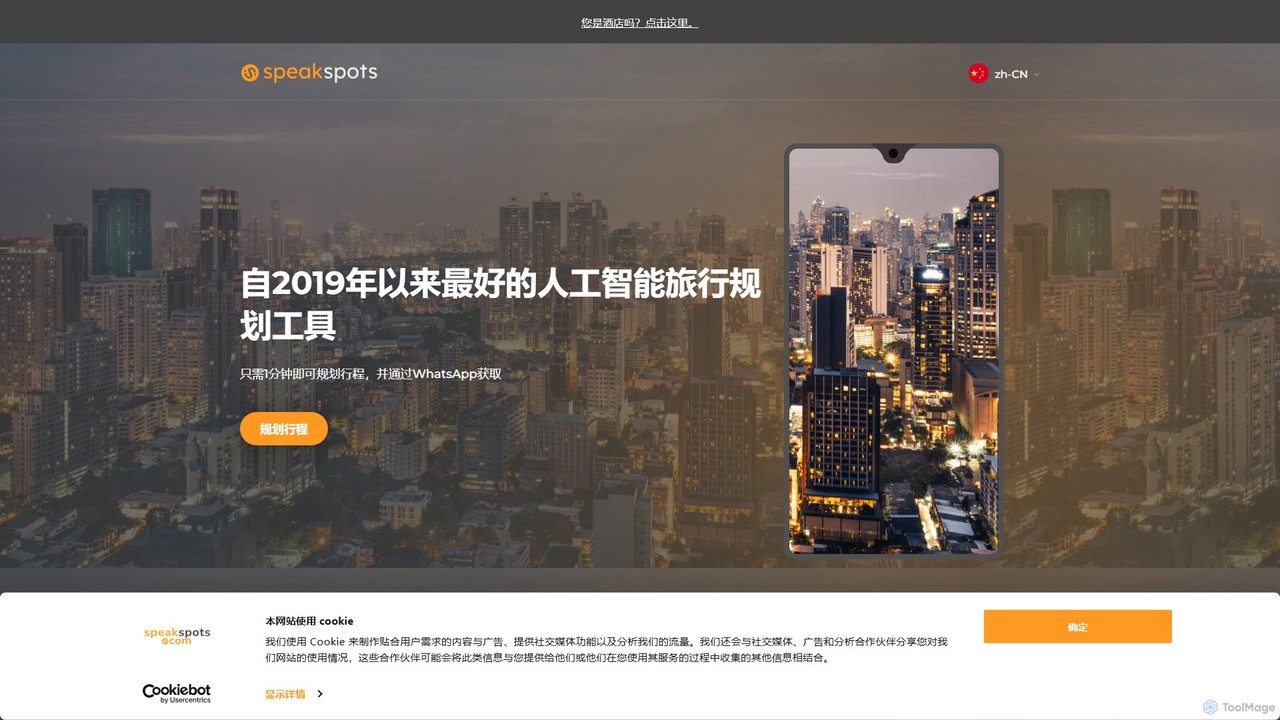
Speakspots is a dual-purpose AI assistant on WhatsApp, offering a free travel planner for individuals and an advanced guest service platform for hotels. It automates trip planning, enhances guest experiences, and boosts hotel revenue through intelligent chat.

Chatbot
Visits 28KFavorites 85Likes 97
mara_solutions
Freemium

mara_solutions

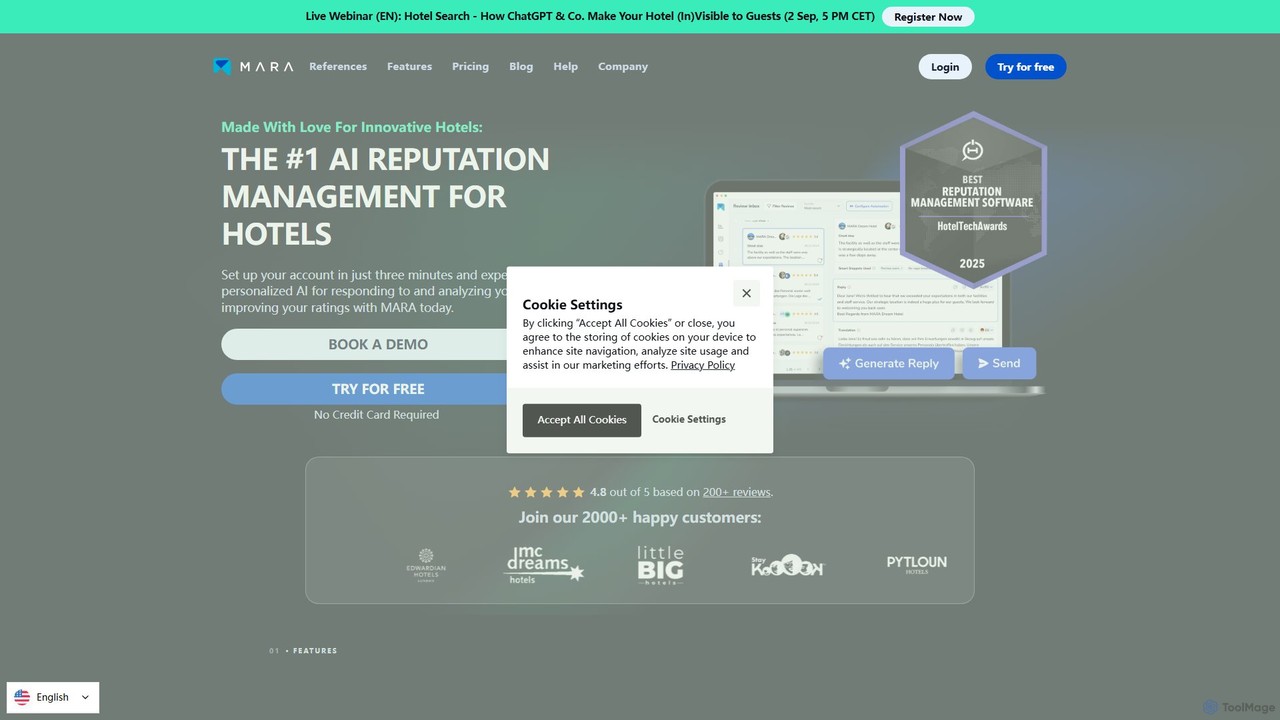
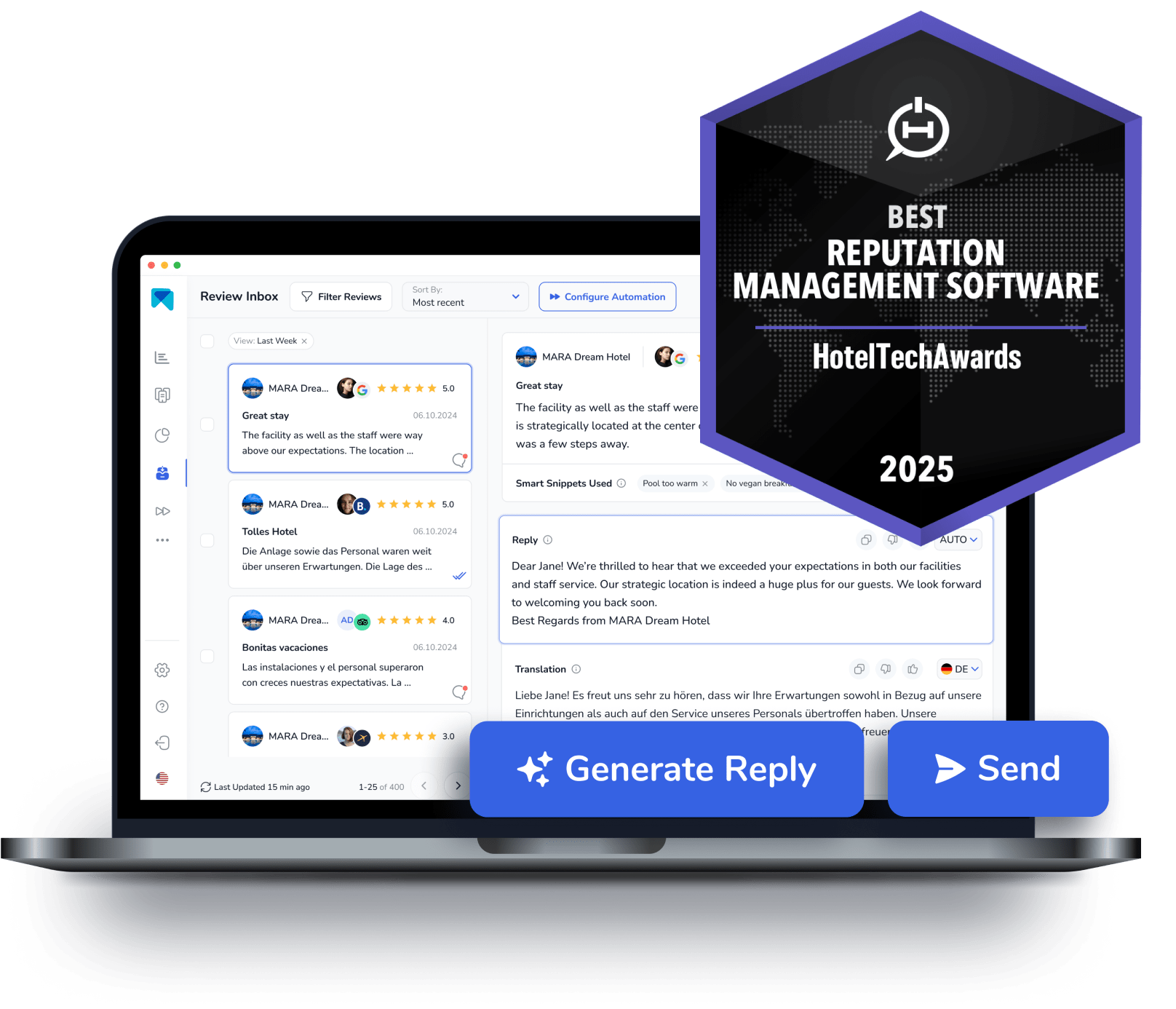
MARA is an AI-powered reputation management platform designed for the hospitality industry. It helps hotels automate personalized responses to guest reviews, analyze feedback for actionable insights, and improve their online ratings across multiple platforms, saving time and enhancing guest experience.

Reputation Management
Visits 33.6KFavorites 126Likes 124
hotelincloud
Paid

hotelincloud

Hotelincloud is an intelligent, cloud-based Property Management System (PMS) that leverages AI to automate and optimize hotel operations. It streamlines everything from reservations and channel management to dynamic pricing and guest communication, helping hoteliers increase revenue, improve efficiency, and enhance the guest experience.

Revenue Management
Visits 91.6KFavorites 165Likes 131
Wetime
Freemium

Wetime

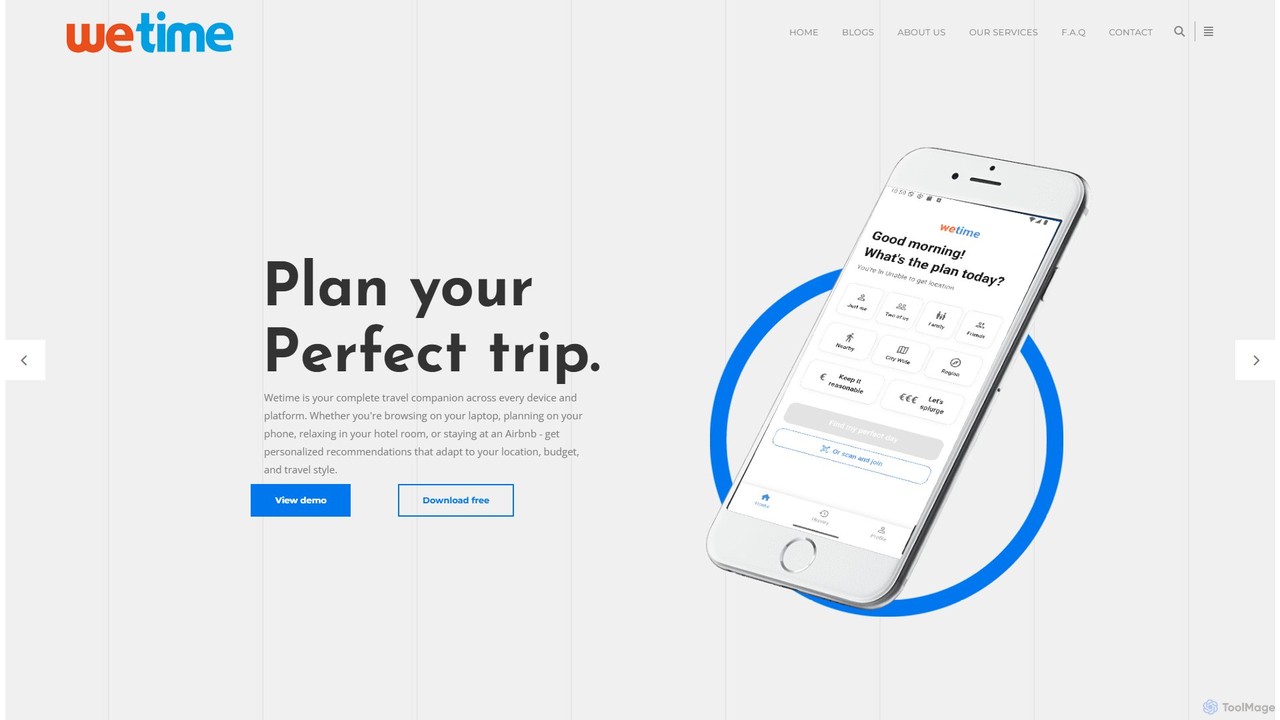
Wetime is an AI-powered travel companion that delivers personalized trip recommendations for travelers and provides seamless integration solutions for hospitality businesses. It adapts to your location, budget, and style, offering curated experiences through its app, browser extension, and in-room interfaces. For hotels and hosts, Wetime is a plug-and-play tool to enhance guest satisfaction and unlock new revenue streams.

Guest Experience
Visits 5.8KFavorites 130Likes 95

About Hospitality

AI Hospitality tools are a class of software that leverages artificial intelligence to optimize and automate operations within the hotel, restaurant, and travel industries. These tools utilize machine learning and data analysis to personalize guest experiences, streamline management tasks, and enhance service efficiency. By processing vast amounts of data, they provide actionable insights for revenue management, guest communication, and operational planning. This enables businesses to improve guest satisfaction, increase profitability, and maintain a competitive edge.

Core Features

  • Dynamic Pricing & Revenue Management: Analyzes market data, competitor rates, and demand forecasts to recommend optimal pricing for rooms and services.
  • AI-Powered Concierge & Chatbots: Provides 24/7 automated guest support for bookings, inquiries, and personalized recommendations.
  • Guest Experience Personalization: Uses guest data and preferences to tailor services, marketing offers, and in-room settings.
  • Operational Automation: Streamlines back-of-house tasks such as staff scheduling, inventory management, and housekeeping assignments.
  • Reputation Management: Monitors and analyzes online reviews and social media feedback to gauge guest sentiment and identify areas for improvement.

Use Cases

AI Hospitality tools are widely used by hotels, resorts, restaurant chains, online travel agencies (OTAs), and cruise lines. For instance, a hotel can use an AI chatbot to handle booking inquiries, while a restaurant can employ dynamic pricing to optimize its menu based on demand. These tools support the entire guest journey, from pre-arrival communication to post-stay feedback analysis.

How to Choose

When selecting an AI Hospitality tool, consider its integration capabilities with your existing Property Management System (PMS) or Point of Sale (POS) system. Evaluate the scope of its features—whether you need a specialized tool for revenue management or a comprehensive platform for operations. Also, assess the user interface's ease of use for your staff and ensure the provider offers robust data security and customer support.

Featured tool rankings

Hospitality use cases

1

Automating Hotel Guest Inquiries 24/7

A hotel front desk team often faces a high volume of repetitive questions about check-in times, Wi-Fi access, and breakfast hours. By implementing an AI-powered chatbot on the hotel's website and messaging apps, these inquiries are answered instantly, any time of day. This frees up front desk staff to focus on more complex guest needs and provide personalized service, improving overall guest satisfaction. The system can handle hundreds of simultaneous conversations, reducing wait times and ensuring no query is missed, even during peak seasons.

2

Optimizing Restaurant Menu Pricing

A restaurant manager aims to maximize profitability without alienating customers. Using an AI revenue management tool, they can analyze sales data, ingredient costs, competitor pricing, and even local events or weather patterns. The AI provides recommendations for dynamic pricing, suggesting slight price increases on popular items during peak hours or offering special promotions during slower periods. This data-driven approach helps the restaurant adjust its strategy in real-time, increasing average check size and optimizing profit margins across the entire menu.

3

Personalizing Guest Stay Experiences

A luxury hotel chain wants to provide a unique experience for every returning guest. An AI platform integrates with their Property Management System (PMS) to analyze guest history and preferences. For a guest who previously ordered a specific type of wine and used the spa, the AI can trigger a pre-arrival email offering a discount on a spa treatment and ensure their preferred wine is stocked in the minibar. This level of proactive personalization enhances the guest experience, fosters loyalty, and increases ancillary revenue without manual effort from staff.

4

Streamlining Housekeeping Management

In a large resort, the housekeeping manager needs to efficiently assign rooms to staff based on check-outs, room status, and staff availability. An AI-powered operations platform automates this process. It analyzes real-time data from the PMS to create optimized cleaning schedules and routes for each housekeeper, sending assignments directly to their mobile devices. The system can also predict cleaning times based on room type and occupancy history, helping to reduce room turnover time by up to 20% and ensuring rooms are ready for the next guests faster.

5

Managing Online Reputation and Reviews

A restaurant group with multiple locations needs to track customer feedback across various platforms like Google, Yelp, and social media. An AI reputation management tool aggregates all reviews into a single dashboard. It uses natural language processing (NLP) to perform sentiment analysis, automatically categorizing feedback as positive, negative, or neutral and identifying recurring themes (e.g., 'slow service,' 'delicious pasta'). This provides management with a clear, data-backed overview of performance at each location, enabling them to address specific issues quickly and improve service quality.

6

Forecasting Demand for Event Catering

A catering company struggles with accurately predicting demand for large events, leading to food waste or shortages. By using an AI forecasting tool, they can analyze historical sales data, seasonality, local event calendars, and even macroeconomic trends. The AI model generates highly accurate demand forecasts for different types of events and menu items. This allows the company to optimize food purchasing, schedule the right number of staff, and manage inventory more effectively, reducing waste by over 15% and improving overall profitability.

Hospitality FAQ

What are AI Hospitality tools?

AI Hospitality tools are software applications that use artificial intelligence technologies like machine learning and natural language processing to improve operations in hotels, restaurants, and other travel-related businesses. They are designed to automate tasks, personalize guest experiences, and optimize revenue. Key functions include AI-powered chatbots for customer service, dynamic pricing engines for revenue management, and data analytics platforms for understanding guest behavior and preferences.

How do I choose the right AI tool for my hotel or restaurant?

To choose the right AI tool, first identify your primary goal. Are you trying to improve guest communication, optimize pricing, or streamline back-office operations? Then, consider these factors:

  • Integration: Ensure the tool integrates smoothly with your existing systems, such as your Property Management System (PMS) or Point of Sale (POS).
  • Functionality: Select a tool with features that directly address your specific challenges. Avoid overly complex solutions with features you won't use.
  • Ease of Use: The platform should be intuitive for your staff to learn and use effectively without extensive training.
  • Scalability and Support: Choose a provider that can support your business as it grows and offers reliable customer service.
What is the main benefit of using AI in the hospitality industry?

The main benefit is the ability to simultaneously enhance the guest experience and improve operational efficiency. AI allows for data-driven personalization at a scale that is impossible to achieve manually, making guests feel uniquely valued. At the same time, it automates repetitive, time-consuming tasks like answering common questions or scheduling staff. This dual advantage leads to higher guest satisfaction, increased staff productivity, and ultimately, greater profitability for the business.

Can AI replace human staff in hotels and restaurants?

AI is not intended to replace human staff but rather to augment their capabilities. It excels at handling data-intensive, repetitive, and analytical tasks, such as processing reservations, answering FAQs, or analyzing pricing data. This frees up human employees to focus on what they do best: providing genuine, empathetic, and high-touch service. The ideal model is a collaboration where AI handles the routine work, allowing staff to deliver more personalized and memorable guest interactions.

How does AI help with hotel revenue management?

AI revolutionizes hotel revenue management by processing vast datasets in real-time to forecast demand with high accuracy. It analyzes factors like historical booking patterns, competitor pricing, local events, weather, and flight data. Based on this analysis, AI-powered tools can:

  • Recommend Dynamic Pricing: Suggest optimal room rates for different channels and times to maximize occupancy and revenue.
  • Identify Trends: Uncover hidden booking patterns and market trends that human analysts might miss.
  • Automate Adjustments: Some systems can automatically adjust prices in response to real-time market changes, ensuring the hotel remains competitive 24/7.