Human Resources Best in category 1 results Compensation AI Tool

Popular AI tools in the Compensation field of Human Resources include 6figr, etc., helping you quickly improve efficiency.

6figr

6figr

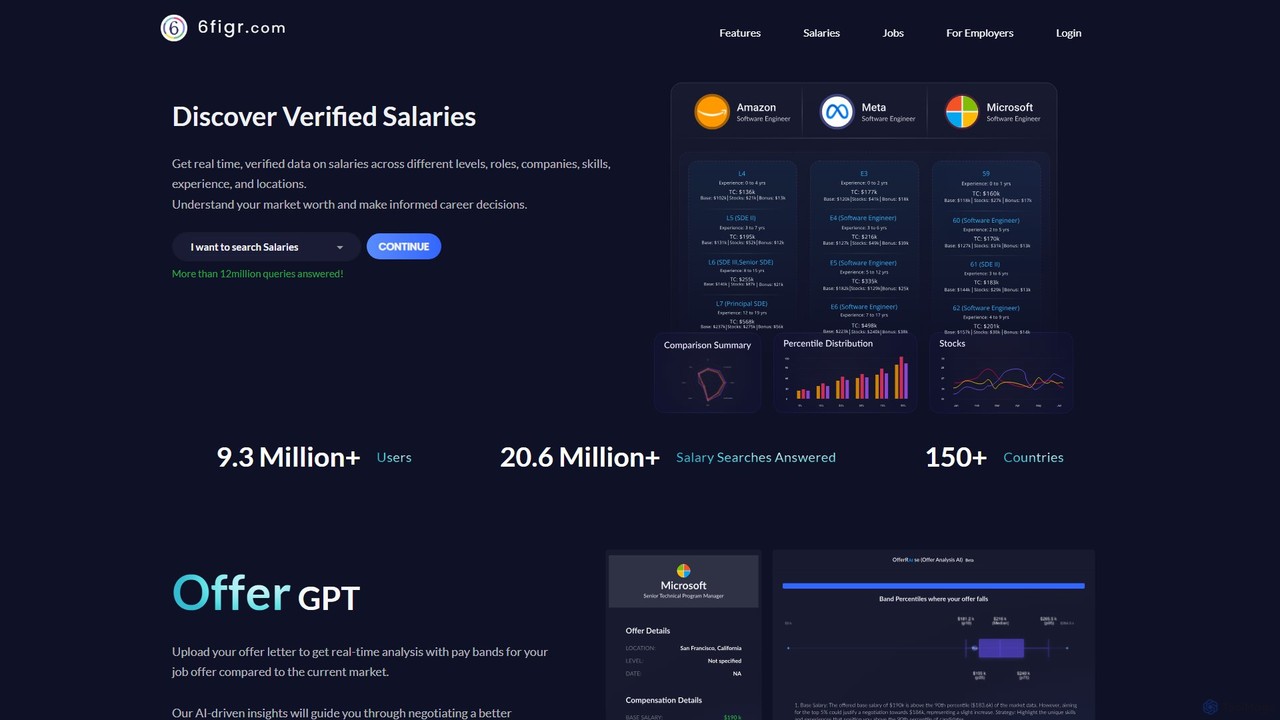
6figr is an AI-powered career and compensation intelligence platform. It provides real-time, verified salary data, AI-driven job offer …

424.5K

About Compensation

AI Compensation tools are a specialized category of HR software that uses data analytics and machine learning to design, manage, and optimize employee pay structures. These platforms analyze vast datasets, including internal salary data and real-time market benchmarks, to provide data-driven recommendations. They help organizations create fair, competitive, and compliant compensation strategies, moving beyond traditional spreadsheets and manual processes. This enables businesses to attract top talent, ensure pay equity, and control labor costs effectively.

Core Features

  • Market Benchmarking: Automatically aggregates and analyzes real-time salary data from multiple sources to ensure compensation packages are competitive.
  • Pay Equity Analysis: Utilizes statistical models to identify and flag pay disparities based on gender, ethnicity, or other demographics within similar roles.
  • Compensation Design: Assists in building and managing salary bands, job grades, and bonus structures based on role, location, and skill level.
  • Scenario Modeling: Allows HR and finance teams to simulate the financial impact of various compensation changes, such as merit increases or bonus plan adjustments.

Applicable Scenarios

These tools are crucial for companies in competitive industries like tech, finance, and professional services, where talent attraction and retention are paramount. Compensation analysts, HR managers, and executives use them for annual salary reviews, creating offers for new hires, and ensuring compliance with pay transparency laws. They are particularly valuable for fast-growing companies needing to scale their compensation practices systematically.

Selection Criteria

When choosing an AI Compensation tool, consider the quality and recency of its market data sources. Evaluate its integration capabilities with your existing HRIS and payroll systems for seamless data flow. Assess the depth of its analytics, particularly for pay equity audits and reporting. Finally, ensure the platform supports compliance with relevant local and international pay regulations.

CompensationUse Cases

1

Designing Competitive Salary Bands

An HR manager at a growing tech startup needs to attract top engineering talent. Using an AI compensation tool, they analyze real-time market data for software engineers across different regions and experience levels. The tool suggests data-backed salary bands (minimum, midpoint, maximum) for each role. This allows the company to create consistent, fair, and competitive offers, significantly reducing negotiation time and improving their ability to hire sought-after candidates.

2

Conducting a Proactive Pay Equity Audit

A large enterprise wants to ensure fair pay practices and mitigate legal risks. A compensation analyst uses the AI tool to run a company-wide pay equity audit. The system analyzes salaries while controlling for legitimate factors like job level, performance, and location. It flags statistically significant pay gaps linked to gender and ethnicity. The analyst then receives actionable recommendations, such as specific salary adjustments for underpaid employees, helping the company proactively address disparities before they become larger issues.

3

Modeling Annual Merit Increase Budgets

A finance leader, in collaboration with HR, needs to plan the budget for the upcoming annual salary review cycle. Instead of using complex spreadsheets, they use an AI compensation tool to model different scenarios. They can input various budget constraints and distribution models (e.g., a 3% overall budget distributed based on performance ratings). The tool instantly calculates the cost and shows how the increases would affect salary ranges and internal equity, allowing for more strategic and data-informed budgeting decisions.

4

Streamlining New Hire Offer Creation

A recruiter is preparing an offer for a senior product manager candidate. They input the candidate's role, location, and experience level into the AI compensation platform. The system instantly cross-references this with internal pay scales and external market data, suggesting a competitive salary range. It also provides talking points about the company's total rewards package (bonus, equity, benefits). This empowers the recruiter to confidently present a well-justified offer, speeding up the hiring process and improving the candidate experience.

5

Managing Complex Sales Commission Plans

A sales operations manager is tasked with designing and administering commission plans for a large sales team with multiple tiers and accelerators. Using an AI compensation tool specialized for sales, they can model different plan structures to see their potential impact on motivation and budget. Once implemented, the tool automates commission calculations based on CRM data, provides real-time earnings dashboards for sales reps, and simplifies the approval and payout process, reducing errors and administrative overhead.

6

Communicating Total Rewards to Employees

To improve employee retention and appreciation, an HR team uses their compensation platform to generate personalized Total Rewards Statements. For each employee, the statement visually breaks down not just their base salary, but also the value of their bonus potential, equity grants, health insurance contributions, and retirement benefits. This provides a holistic view of their compensation, helping them understand the full value the company invests in them, which can be a powerful tool for engagement and retention during performance reviews or promotion discussions.

CompensationFrequently Asked Questions