ToolMage
Sign in

Best 2 Compliance AI tools for Human Resources

Popular Compliance AI tools in Human Resources include GoodCourse and Wendi, helping you work more efficiently.

Wendi
Paid

Wendi

Wendi is an AI-powered manager workspace designed to help leaders handle sensitive people issues, document conversations, and receive HR-aligned guidance. It operates discreetly by capturing audio locally, generating notes and insights, and helping managers act early, fairly, and in compliance with best practices to prevent workplace conflicts from escalating.

Leadership
Visits 5.9KFavorites 25Likes 31
GoodCourse
Paid

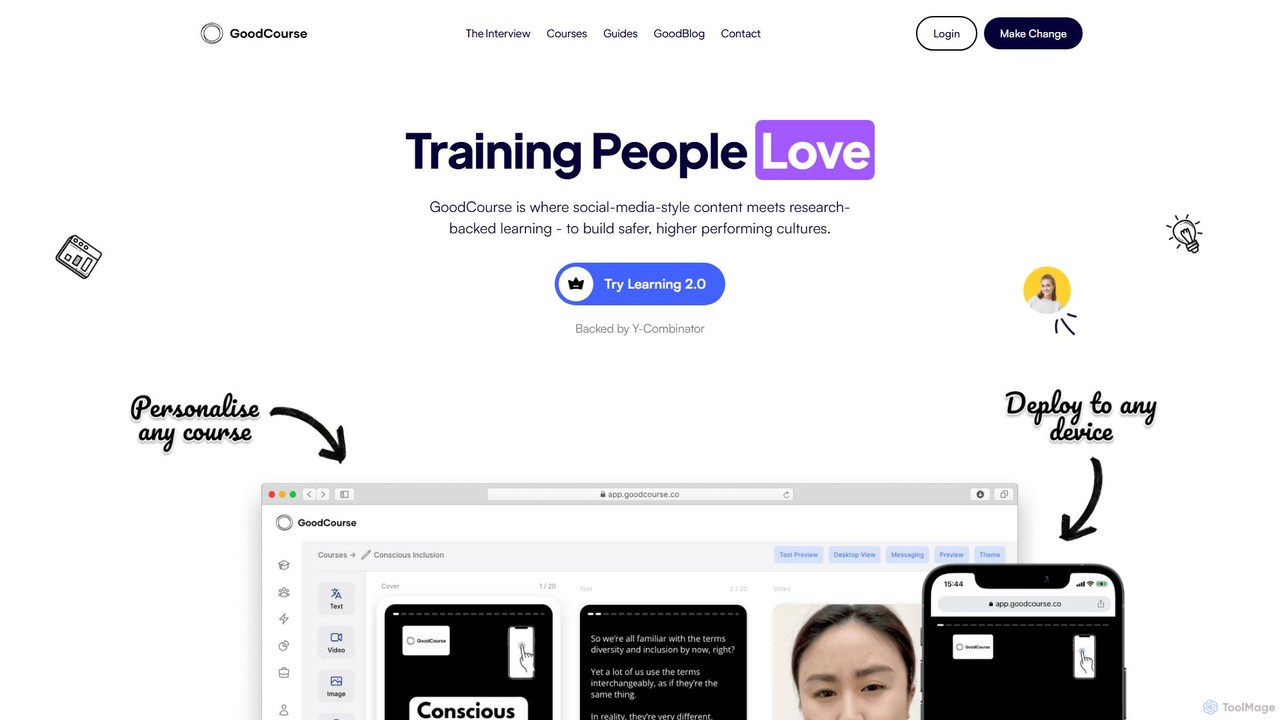
GoodCourse

GoodCourse is a micro-learning platform that transforms corporate and student training into engaging, social-media-style experiences. It delivers short, interactive courses directly to users' phones via SMS, email, or MS Teams, eliminating the need for logins. Designed to combat low engagement, GoodCourse helps organizations build safer, more inclusive, and higher-performing cultures by delivering training that people actually complete and enjoy.

Corporate Training
Visits 10.3KFavorites 129Likes 124

About Compliance

AI Compliance tools are a category of AI-powered solutions designed to help organizations adhere to laws, regulations, internal policies, and ethical standards, particularly within the Human Resources domain. These tools leverage advanced algorithms to automate monitoring, identify risks, and streamline compliance processes. They provide proactive insights, reduce manual effort, and ensure a robust framework for regulatory adherence, safeguarding businesses from legal and reputational damage.

Core Features

  • Automated Policy Monitoring: Scans internal communications and documents for potential policy violations or non-compliance.
  • Regulatory Change Tracking: Automatically identifies and alerts organizations to new or updated laws and regulations impacting their operations.
  • Risk Assessment & Prediction: Analyzes data to proactively identify potential compliance risks, such as discrimination or harassment patterns.
  • Data Privacy Management: Ensures employee data handling practices comply with global data protection regulations like GDPR and CCPA.
  • Audit Trail & Reporting: Generates comprehensive, immutable records and reports for internal and external audits.

Applicable Scenarios

AI Compliance tools are vital for HR departments in large enterprises, legal and compliance officers in regulated industries, and organizations with global workforces. They are used to manage complex regulatory landscapes, ensure fair employment practices, and maintain ethical standards across diverse operational environments.

How to Choose

When selecting an AI Compliance tool, consider its regulatory scope (which laws/regions it covers), integration capabilities with existing HRIS and legal systems, and the level of customization it offers for internal policies. Evaluate its reporting granularity, data security measures, and the accuracy of its risk prediction models to ensure it meets specific organizational needs.

Compliance use cases

1

Automating HR Policy Adherence Monitoring

HR managers in large corporations utilize AI compliance tools to continuously scan internal communications, such as emails and chat logs, for potential breaches of company policies. The AI identifies keywords, phrases, and contextual patterns that might indicate inappropriate conduct, data sharing violations, or harassment, flagging these instances for human review. This proactive monitoring significantly reduces the time spent on manual checks and helps maintain a compliant and ethical workplace environment.

2

Proactive Identification of Discrimination Risks

Data analysts and HR professionals leverage AI compliance tools to analyze vast datasets related to hiring, promotions, and compensation. The AI identifies subtle patterns or biases that might indicate systemic discrimination or unfair practices, even if unintentional. By flagging these potential risks early, organizations can take corrective actions, refine their HR processes, and ensure equitable treatment for all employees, thereby mitigating legal exposure and fostering a diverse and inclusive workplace.

3

Streamlining Regulatory Change Management

Compliance officers in multinational corporations use AI tools to continuously monitor legislative updates across various jurisdictions. The AI automatically tracks new labor laws, data privacy regulations (e.g., GDPR amendments), and industry-specific compliance requirements. It then assesses the potential impact on existing HR policies and operational workflows, providing timely alerts and recommendations. This capability ensures the organization remains agile in adapting to evolving regulatory landscapes, minimizing the risk of non-compliance penalties.

4

Ensuring Employee Training Completion & Effectiveness

Learning & Development (L&D) teams utilize AI compliance tools to manage mandatory employee training programs, especially for topics like anti-harassment, data security, and ethics. The AI can personalize training paths, track completion rates across diverse workforces, and even assess the effectiveness of training through interactive modules and quizzes. This ensures that all employees meet regulatory education requirements, reducing the risk of human error-related compliance breaches and providing a verifiable audit trail of training efforts.

5

Managing Global Data Privacy for Employee Records

IT and HR teams in global organizations deploy AI compliance tools to ensure that the collection, storage, processing, and access of employee data comply with international data privacy laws such as GDPR, CCPA, and local regulations. The AI can map data flows, identify sensitive information, and automate consent management and data retention policies. This capability is crucial for minimizing data breach risks, avoiding hefty fines, and building trust with employees regarding their personal information.

6

Facilitating Internal Investigations with AI-Powered Discovery

Legal and compliance teams use AI compliance tools to expedite internal investigations into potential misconduct, fraud, or policy breaches. The AI performs e-discovery by rapidly reviewing vast amounts of unstructured data, including emails, chat messages, and documents, to identify relevant evidence and patterns. This significantly reduces the manual effort and time required for discovery, allowing teams to quickly pinpoint critical information, build stronger cases, and ensure a thorough and compliant investigative process.

Compliance FAQ

What are AI Compliance tools?

AI Compliance tools are software solutions that use artificial intelligence to help organizations meet regulatory, legal, and internal policy requirements. They typically feature automated monitoring, risk assessment, and reporting capabilities. Common use cases include tracking regulatory changes, ensuring data privacy, and monitoring internal communications for policy breaches, thereby reducing manual effort and enhancing proactive risk management.

How do AI Compliance tools help HR departments?

AI Compliance tools significantly benefit HR departments by automating the monitoring of internal policies, identifying potential risks like discrimination or harassment, and ensuring adherence to labor laws and data privacy regulations. They streamline compliance training, maintain comprehensive audit trails, and provide proactive alerts on regulatory changes. This reduces the administrative burden on HR, minimizes legal exposure, and fosters a more ethical and compliant workplace culture.

What types of regulations can AI Compliance tools monitor?

AI Compliance tools are versatile and can monitor a wide array of regulations. This includes labor laws (e.g., minimum wage, working hours, anti-discrimination), data privacy regulations (e.g., GDPR, CCPA, HIPAA), industry-specific compliance standards (e.g., financial services, healthcare), and internal company policies (e.g., code of conduct, expense policies). Their adaptability allows organizations to manage a complex and evolving regulatory landscape efficiently across various sectors and geographies.

What's the difference between AI Compliance tools and traditional compliance software?

The key difference lies in their approach: traditional compliance software is typically rule-based and reactive, requiring manual input and configuration to enforce predefined rules. AI Compliance tools, however, are proactive and predictive. They use machine learning to analyze vast datasets, identify subtle patterns, predict potential risks before they escalate, and adapt to evolving regulations with minimal human intervention. This allows for more dynamic monitoring, deeper insights, and greater efficiency in managing complex compliance landscapes.

What should I consider when implementing AI Compliance solutions?

When implementing AI Compliance solutions, consider several factors. First, assess the specific regulatory scope you need to cover and ensure the tool supports it. Second, evaluate its integration capabilities with your existing HRIS, legal, and IT systems to ensure seamless data flow. Third, prioritize data security and privacy features, as compliance tools handle sensitive information. Finally, consider the level of customization, scalability, and user training required to effectively deploy and manage the solution within your organization.