Claryer
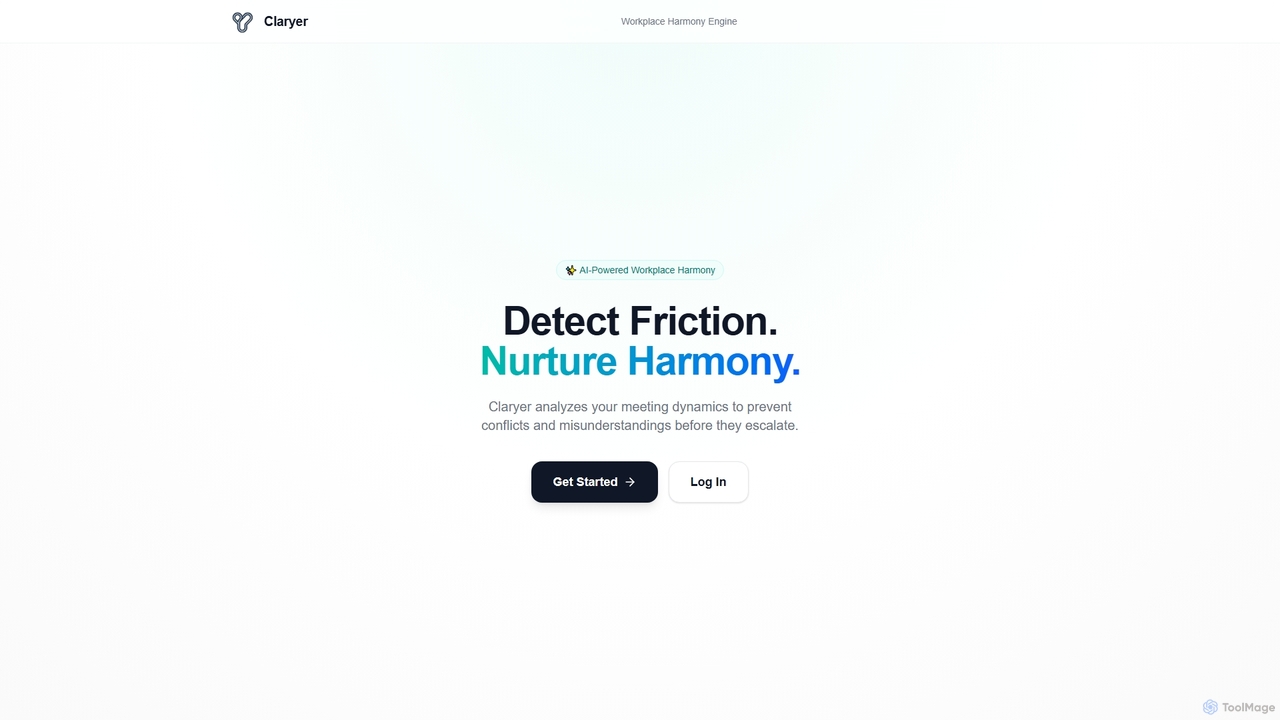
Claryer is an AI-powered tool designed to enhance workplace harmony by analyzing meeting dynamics. It proactively detects potential …
Claryer is an AI-powered tool designed to enhance workplace harmony by analyzing meeting dynamics. It proactively detects potential friction and misunderstandings, helping teams prevent conflicts before they escalate and fostering a more collaborative environment.
Angry Email Translator
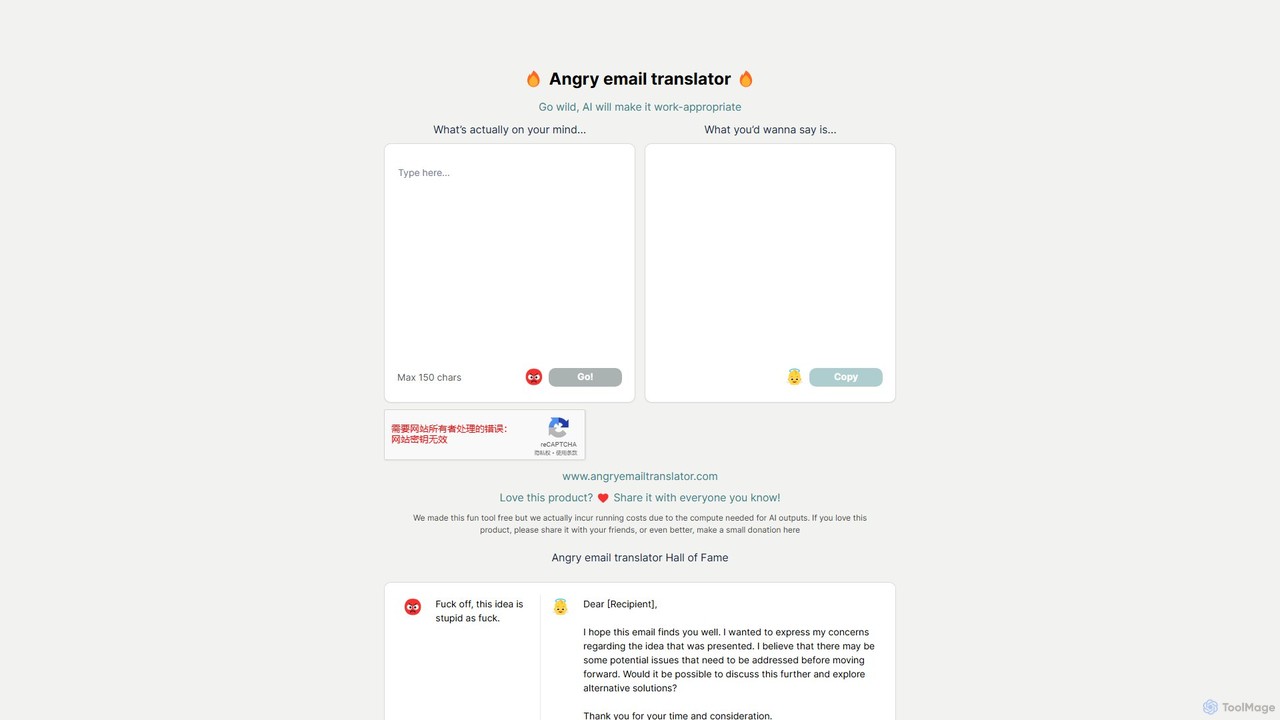
An AI-powered tool that transforms your angry, frustrated, or emotional email drafts into polite, professional, and constructive messages. …
An AI-powered tool that transforms your angry, frustrated, or emotional email drafts into polite, professional, and constructive messages. It helps you communicate effectively in difficult situations while maintaining professional relationships and a positive tone.
About Conflict Resolution
Conflict Resolution AI tools are specialized software solutions that leverage artificial intelligence to assist in identifying, analyzing, and mediating disputes or disagreements within organizations or between individuals. These tools typically employ natural language processing (NLP) and machine learning to understand communication patterns, detect sentiment, and predict potential escalations. Their primary value lies in fostering healthier interactions, reducing the time and resources spent on disputes, and facilitating more objective and fair resolutions.
Core Features
- Sentiment Analysis: Automatically detects emotional tones and underlying sentiments in written or spoken communications.
- Pattern Recognition: Identifies recurring conflict triggers, behavioral patterns, or systemic issues contributing to disputes.
- Automated Mediation Suggestions: Proposes neutral, data-driven solutions or discussion points to guide resolution processes.
- Predictive Conflict Identification: Analyzes communication data to foresee potential disputes before they escalate into major problems.
- Communication Analysis: Evaluates communication styles and effectiveness, offering insights for improved dialogue.
Use Cases
These tools are invaluable for human resources departments, team leaders, and legal professionals seeking to maintain workplace harmony and efficiency. They can be deployed to mediate employee disputes, proactively identify team tensions, or analyze grievance submissions to address root causes, ultimately fostering a more positive and productive organizational culture.
How to Choose
When selecting an AI conflict resolution tool, prioritize accuracy in sentiment and context analysis, ensuring it can handle the nuances of human communication. Consider its integration capabilities with existing HRIS and communication platforms, customization options to align with company policies, and robust data privacy and security measures for sensitive information. User-friendliness for both mediators and employees is also crucial for successful adoption.

Conflict ResolutionUse Cases
Workplace Dispute Mediation
HR professionals utilize AI conflict resolution tools to analyze communication logs and emails between disputing employees. The AI identifies core issues, emotional triggers, and suggests neutral discussion points or mediation strategies. This streamlines the mediation process, reduces HR workload, and helps achieve faster, more equitable resolutions, fostering a harmonious work environment.
Early Detection of Team Tensions
Team leaders or project managers deploy AI to monitor internal team communication platforms (e.g., Slack, Microsoft Teams) for subtle signs of tension, disagreement, or negative sentiment. The AI provides early alerts, allowing leaders to proactively intervene with coaching or support before minor disagreements escalate into significant conflicts, preserving team cohesion and productivity.
Automated Customer Complaint Analysis
Customer service departments leverage AI to process and analyze large volumes of customer feedback, support tickets, and social media comments. The tool identifies common complaint patterns, emotional intensity, and suggests personalized, empathetic responses or solutions, significantly improving customer satisfaction and reducing the time spent on resolving complex issues.
Enhancing Negotiation Strategies
Legal teams or business development professionals use AI to analyze historical negotiation transcripts and communications. The AI identifies patterns in opposing parties' behaviors, predicts potential sticking points, and suggests optimal negotiation tactics or alternative proposals. This data-driven approach enhances strategic planning and leads to more favorable outcomes in complex deals.
Systemic Grievance Identification
Organizations employ AI to analyze anonymous employee feedback, grievance submissions, and exit interview data. The AI categorizes recurring issues, identifies systemic problems within departments or policies, and recommends targeted interventions, policy adjustments, or training programs to address the root causes of widespread dissatisfaction, improving overall employee morale.
Cross-Cultural Communication Improvement
Global teams utilize AI tools to analyze communication patterns across different cultural backgrounds, identifying potential misunderstandings or communication style clashes. The AI provides real-time feedback and suggestions for more culturally sensitive and effective dialogue, fostering better collaboration and reducing friction in diverse international teams.