Human Resources Best in category 3 results Employee Training AI Tool

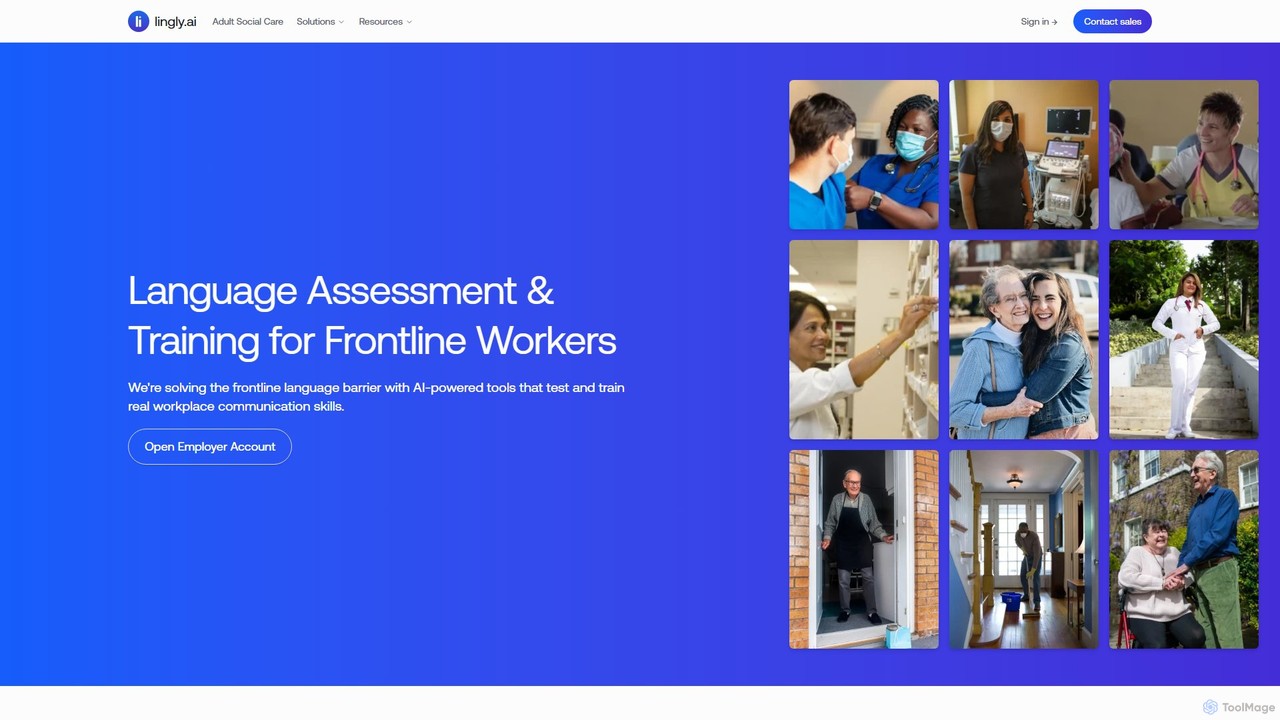
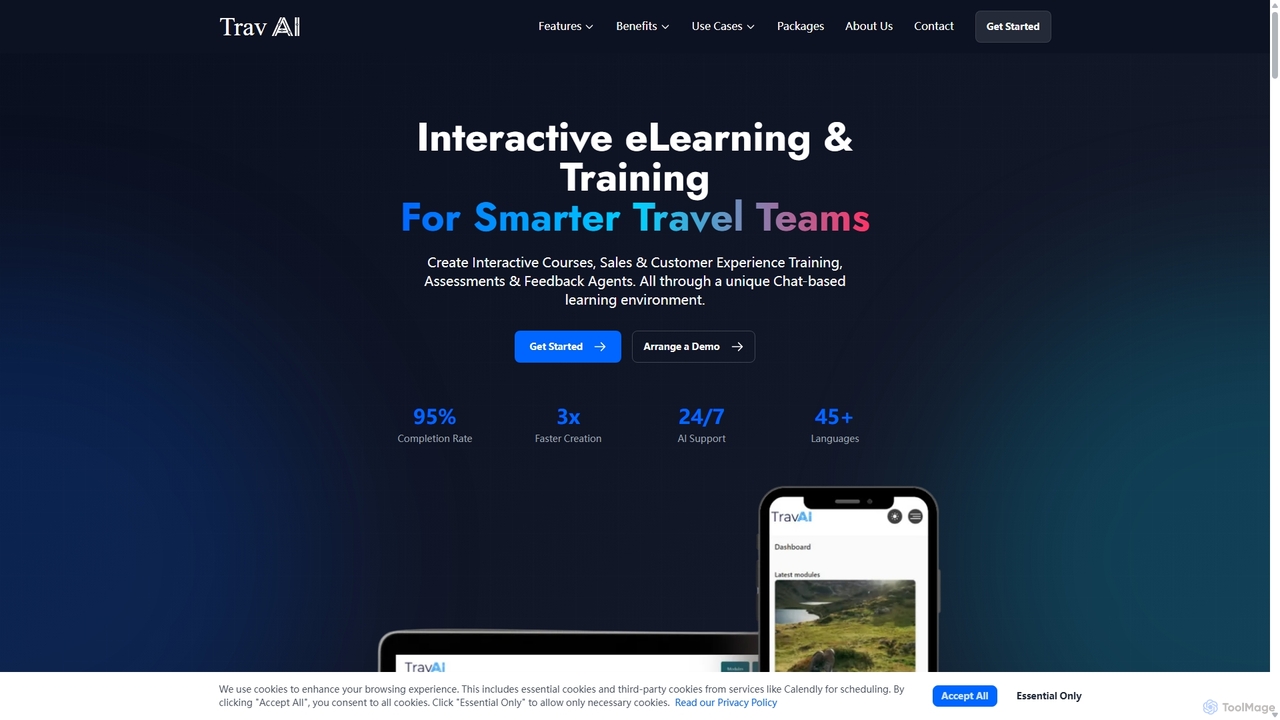
Popular AI tools in the Employee Training field of Human Resources include lingly、TravAI、get_bridge, etc., helping you quickly improve efficiency.

TravAI

TravAI

TravAI is an AI-powered eLearning and training platform specifically designed for the travel industry. It transforms standard training …

4.8K
lingly

lingly

lingly is an AI-powered platform for language assessment and training, specifically designed for frontline workers. It helps international …

27.9K
get_bridge

get_bridge

Bridge is a comprehensive, AI-powered employee development platform designed to foster growth. It unifies learning, performance management, and …

3.0K

About Employee Training

AI-powered Employee Training tools are specialized platforms designed to revolutionize how organizations educate and develop their workforce. Leveraging artificial intelligence, these solutions offer personalized learning experiences, automate content delivery, and provide data-driven insights into employee performance. They aim to enhance skill acquisition, streamline onboarding processes, and ensure compliance across various industries, making training more engaging and effective within the broader Human Resources domain.

Core Features

  • Adaptive Learning Paths: Dynamically adjusts training content and pace based on individual learner progress and needs.
  • AI-driven Content Generation: Automatically creates or customizes training modules, quizzes, and scenarios from existing materials or prompts.
  • Performance Analytics & Feedback: Tracks learner engagement, identifies knowledge gaps, and provides actionable insights for improvement.
  • Virtual Coaching & Mentoring: Offers AI-powered chatbots or virtual assistants for real-time support, answering questions, and guiding learners.
  • Automated Assessment & Certification: Streamlines the evaluation process and manages certification tracking for compliance and skill validation.

Applicable Scenarios

These tools are invaluable for HR departments, learning and development (L&D) teams, and managers seeking to optimize their training programs. They are particularly useful for large enterprises with diverse workforces, companies requiring frequent compliance updates, and organizations focused on rapid skill development and talent retention.

How to Choose

When selecting an AI employee training tool, consider its customization capabilities for content and learning paths, integration with existing HRIS or LMS, the robustness of its analytics and reporting features, and the ease of content creation. Scalability and support for various training formats (e.g., video, interactive simulations) are also crucial factors.

Employee TrainingUse Cases

1

Personalized Onboarding for New Hires

HR managers can utilize AI employee training tools to create highly personalized onboarding experiences. Based on a new hire's role, department, and prior experience, the AI system automatically assigns relevant modules, company policies, and team introductions. This ensures new employees quickly grasp essential information, feel integrated, and become productive faster, reducing the manual effort for HR teams.

2

Automated Compliance Training & Tracking

For industries with strict regulatory requirements, AI training tools automate the delivery and tracking of mandatory compliance courses. The system can schedule recurring training, send reminders, and adapt content to reflect the latest regulations. It provides detailed audit trails of completion rates and understanding, ensuring the organization meets legal obligations and minimizes risks without extensive administrative overhead.

3

Upskilling & Reskilling for Future Roles

L&D departments can deploy AI tools to identify skill gaps within the existing workforce and recommend personalized learning paths for upskilling or reskilling. By analyzing employee performance data and future business needs, the AI suggests relevant courses, certifications, and projects. This proactive approach helps employees develop new competencies, preparing them for evolving roles and fostering internal talent mobility.

4

Sales Team Product Knowledge Enhancement

Sales managers can leverage AI training platforms to keep their teams updated on new products, features, and sales techniques. The AI can deliver bite-sized, interactive modules, simulate customer interactions, and provide instant feedback on sales pitches. This ensures sales representatives have the most current and effective information, leading to improved sales performance and customer engagement.

5

Leadership Development & Soft Skills Training

Organizations use AI tools to facilitate leadership development and cultivate soft skills like communication, empathy, and problem-solving. Through virtual coaching, interactive scenarios, and peer feedback mechanisms, the AI provides a safe environment for leaders to practice and refine their abilities. This fosters a culture of continuous improvement and strengthens leadership capabilities across the company.

6

Customer Service Agent Training & Performance Improvement

Customer service departments can utilize AI training to rapidly train new agents and continuously improve the performance of existing ones. The AI delivers modules on product knowledge, service protocols, and de-escalation techniques. It can also analyze agent-customer interactions to provide personalized feedback and suggest targeted training, leading to higher customer satisfaction and agent efficiency.

Employee TrainingFrequently Asked Questions