Human Resources Best in category 2 results Employee Wellness AI Tool

Popular AI tools in the Employee Wellness field of Human Resources include Posture Corrector AI、getautumn, etc., helping you quickly improve efficiency.

getautumn

getautumn

getautumn is an AI-powered platform designed to prevent employee burnout and improve team well-being. By using intelligent pulse …

3.1K
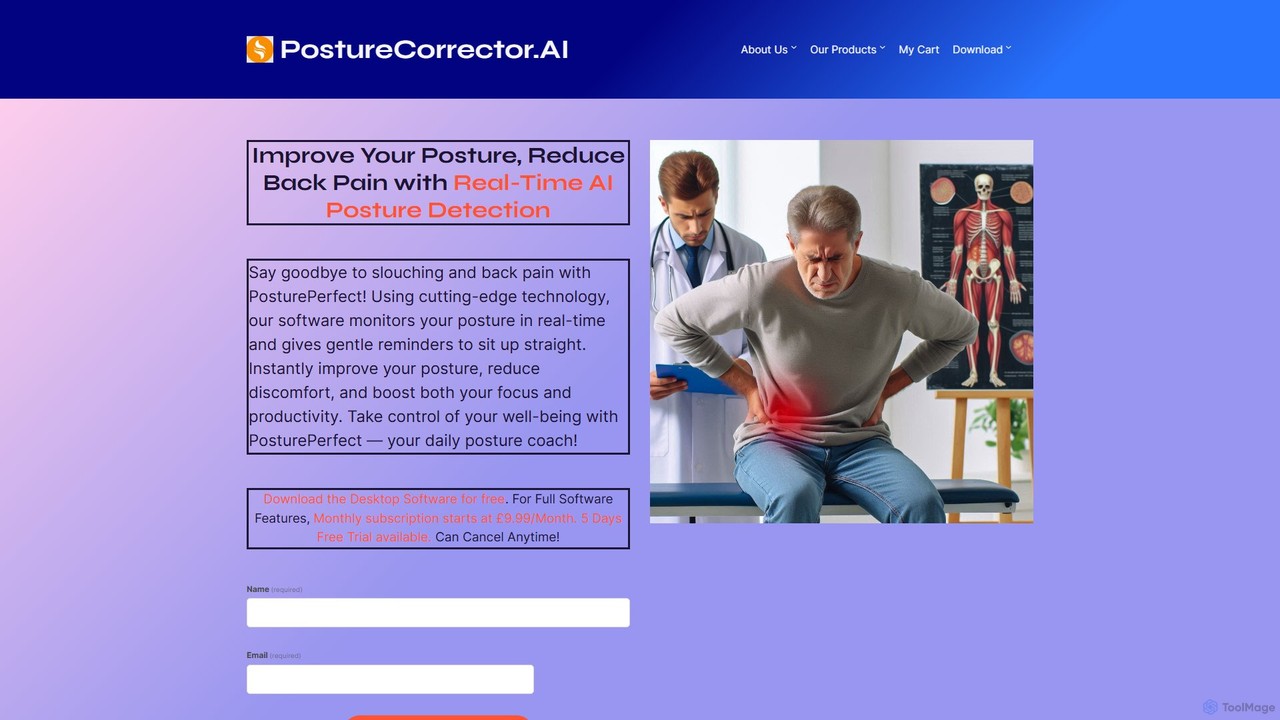
Posture Corrector AI

Posture Corrector AI

An AI-powered desktop application that uses your webcam to monitor your posture in real-time. It provides gentle reminders …

3.6K

About Employee Wellness

AI Employee Wellness tools are a specialized category of HR software designed to proactively monitor and improve the mental, physical, and emotional well-being of a workforce. These platforms leverage machine learning to analyze anonymized data, providing personalized support and identifying potential issues like burnout before they escalate. They empower organizations to create a healthier, more engaged, and productive work environment by offering scalable wellness resources. This data-driven approach moves beyond traditional wellness programs to offer real-time, individualized interventions.

Core Features

  • AI-Powered Mental Health Support: Provides access to confidential chatbots, guided meditations, and stress-reduction exercises.
  • Burnout Risk Analysis: Analyzes anonymized work patterns to predict and flag employees or teams at risk of burnout.
  • Personalized Wellness Recommendations: Delivers tailored content, activities, and resources based on individual needs and goals.
  • Anonymous Sentiment Tracking: Gathers and analyzes feedback from surveys or communications to gauge overall team morale.
  • Engagement & Activity Gamification: Encourages participation in health challenges through leaderboards, rewards, and team-based goals.

Use Cases

These tools are primarily used by HR departments, people managers, and leadership teams in mid-to-large enterprises. They are particularly valuable in high-stress industries like technology, finance, and healthcare, or for companies with remote or distributed teams seeking to maintain employee connection and well-being.

How to Choose

When selecting a tool, prioritize data privacy and its compliance with regulations like GDPR or HIPAA. Evaluate the scope of wellness covered (mental, physical, financial) and the clinical credibility of its resources. Consider its integration capabilities with your existing communication platforms (e.g., Slack, Teams) and the user-friendliness of the employee-facing interface.

Employee WellnessUse Cases

1

Proactively Preventing Team Burnout

A tech team lead notices signs of fatigue among their members. They use an AI wellness tool to analyze anonymized, team-level data on work hours, meeting load, and communication sentiment. The tool flags a high burnout risk and suggests interventions like enforcing 'no-meeting Fridays' or rebalancing workloads. This helps the manager address the root cause without singling out individuals, reducing the risk of employee turnover and improving overall team health.

2

Providing Scalable Mental Health Support

A large corporation wants to offer confidential mental health resources to its 5,000 employees across different time zones. They deploy an AI wellness platform with a 24/7 chatbot therapist. Employees can anonymously discuss stress, anxiety, or work-life balance issues and receive instant access to CBT-based exercises and resources, making mental health support accessible and stigma-free for everyone in the organization.

3

Boosting Engagement with Personalized Wellness Plans

An HR manager aims to increase participation in the company's wellness program. The AI tool allows employees to set personal goals (e.g., improve sleep, exercise more). Based on these goals and self-reported data, the AI curates personalized content, suggests relevant activities, and sends gentle reminders. This tailored approach results in significantly higher engagement rates compared to a generic, one-size-fits-all program, as employees feel the recommendations are directly relevant to them.

4

Gauging Real-Time Employee Morale

Following a major organizational change, leadership needs to understand its impact on employee morale. Instead of waiting for the annual survey, they use an AI tool that conducts short, anonymous pulse surveys via Slack. The AI analyzes the text responses for sentiment, identifying key themes and concerns in real-time. This allows management to respond quickly and transparently to employee feedback, mitigating potential issues before they grow.

5

Promoting Physical Health in a Remote Workforce

A fully remote company uses an AI wellness tool to promote physical activity. The platform creates virtual team fitness challenges, such as a step competition, that integrate with employees' wearables. The system automates tracking, displays a live leaderboard, and awards virtual badges for milestones. This gamified approach fosters friendly competition and encourages employees to stay active, improving both their physical health and sense of team cohesion despite the distance.

6

Onboarding New Hires with Wellness Support

To improve the new hire experience, an HR team integrates a wellness tool into their onboarding process. The AI provides new employees with resources to manage the stress of starting a new job, connects them with wellness-focused employee groups, and checks in on their well-being during the first 90 days. This proactive support helps improve retention and demonstrates the company's commitment to employee health from day one, fostering a positive organizational culture.

Employee WellnessFrequently Asked Questions