Human Resources Best in category 7 results Interviewing AI Tool

Popular AI tools in the Interviewing field of Human Resources include Career.io、Flowmingo、Skillora、Sagestepper、Learn、EasyHire、Hirezen, etc., helping you quickly improve efficiency.

Free
Flowmingo

Flowmingo

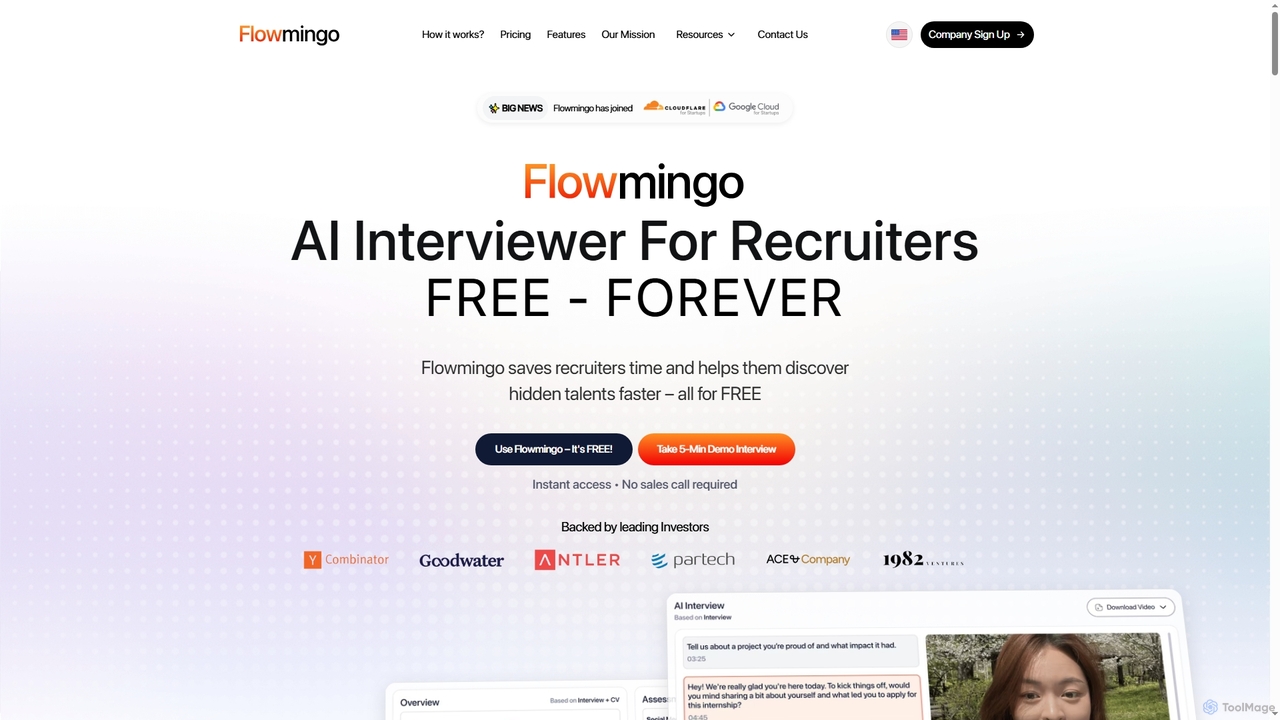
Flowmingo is a leading AI-powered interview platform designed to help recruiters identify top talent faster and more fairly. …

106.4K
Sagestepper

Sagestepper

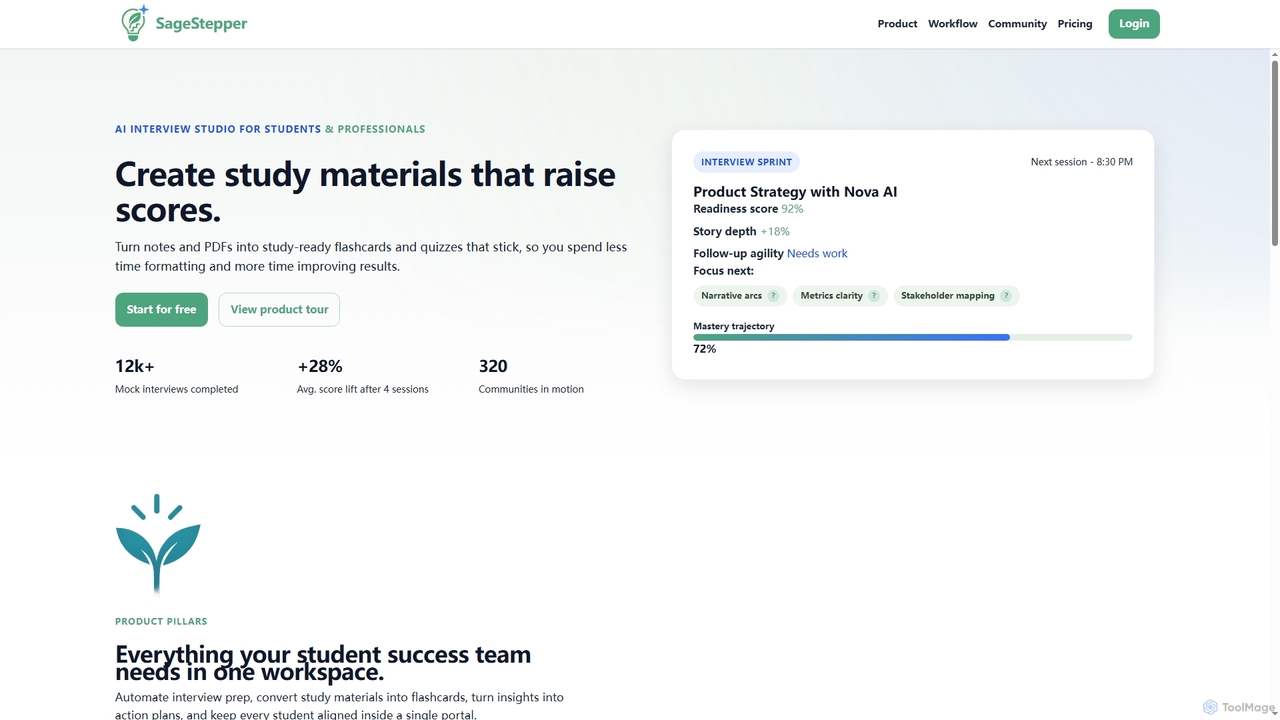
Sagestepper is an AI-powered interview studio for students and professionals. It offers adaptive mock interviews, automatically generates flashcards …

2.9K
EasyHire

EasyHire

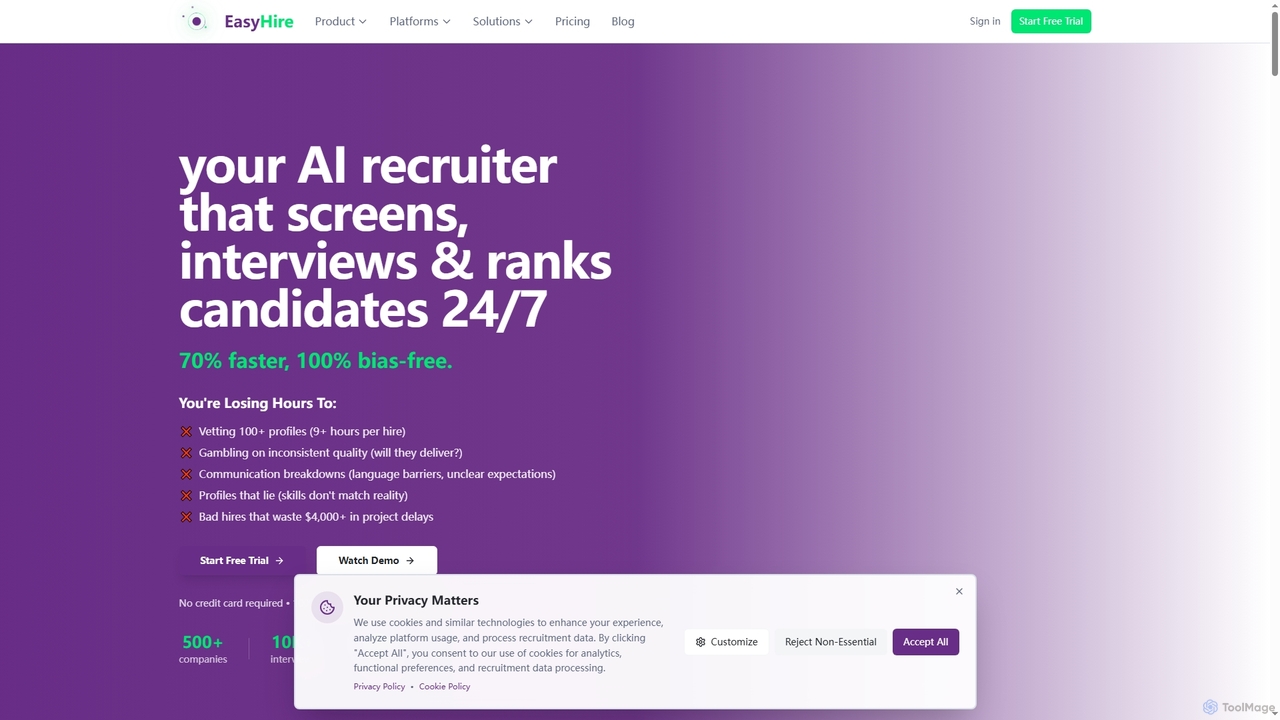
EasyHire is an AI-powered hiring platform designed to streamline recruitment by automating CV screening and candidate interviews. It …

2.3K
Skillora

Skillora

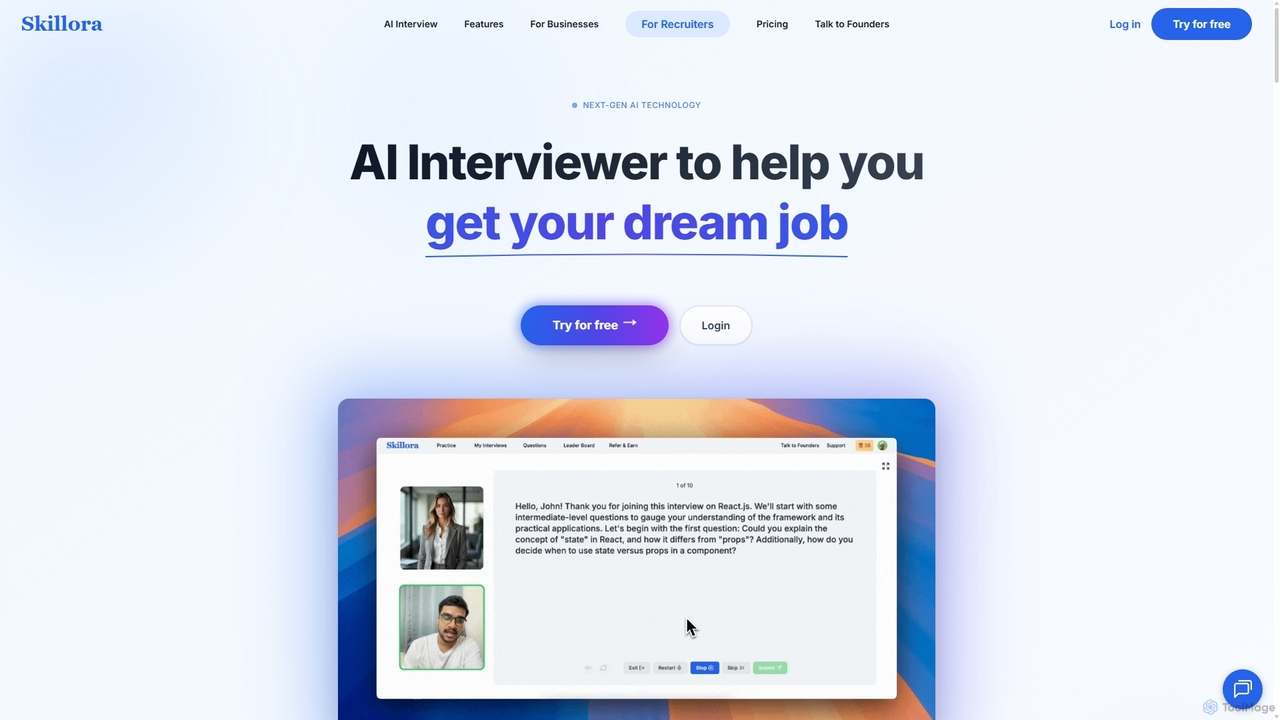
Skillora is an AI-powered interview platform designed to help job seekers practice and excel in interviews. It offers …

20.2K
Hirezen

Hirezen

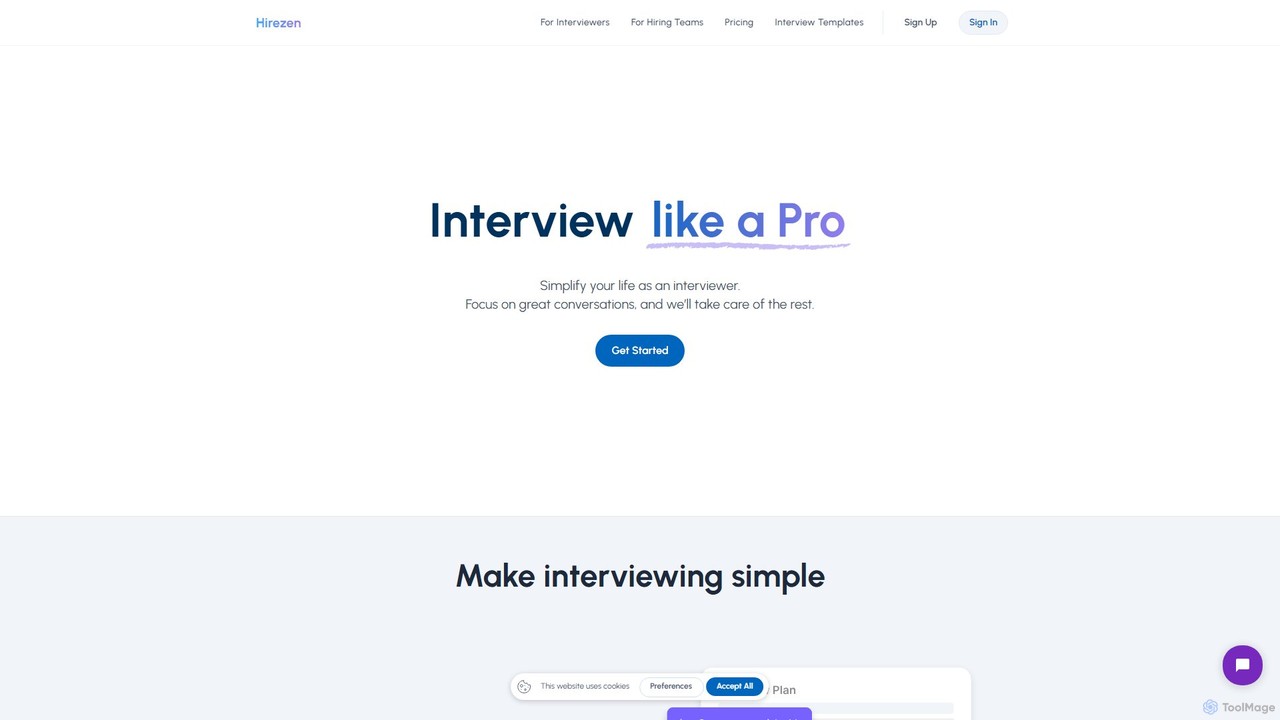
Hirezen is an AI-powered hiring platform designed to streamline the entire interview process. It assists interviewers and hiring …

2.3K
Career.io

Career.io

Career.io is an all-in-one AI-powered career companion designed to assist professionals at every stage of their journey. It …

218.9K
Learn

Learn

Learn by Imaigen.AI is an AI-powered platform designed to accelerate career growth. It offers personalized learning paths, AI-driven …

2.3K

About Interviewing

AI Interviewing tools are specialized platforms that automate and analyze job interviews to streamline the hiring process. They leverage technologies like natural language processing (NLP) and machine learning to evaluate candidate responses from video or text-based interviews. These tools help recruitment teams screen large volumes of applicants efficiently, gain objective insights, and identify top talent faster. By standardizing the initial screening process, they provide a consistent and data-driven foundation for hiring decisions within the broader human resources workflow.

Core Features

  • Automated Asynchronous Interviews: Allows candidates to record video answers to pre-set questions on their own schedule.
  • AI-Powered Response Analysis: Evaluates verbal cues, keyword usage, and sentiment to score competency against job requirements.
  • Intelligent Question Generation: Creates tailored, role-specific questions based on job descriptions and required skills.
  • Candidate Scoring & Ranking: Provides objective, data-driven rankings of candidates to help prioritize follow-ups.
  • Bias Mitigation Features: Implements mechanisms to reduce unconscious bias by focusing on job-relevant criteria.

Use Cases

These tools are widely used in high-volume recruitment for roles in customer service, sales, and entry-level positions. Tech companies also use them for initial technical screenings and coding challenges. Global organizations benefit from them to overcome time zone differences and standardize their international hiring process.

How to Choose

When selecting an AI Interviewing tool, consider its integration capabilities with your existing Applicant Tracking System (ATS). Evaluate the depth and transparency of its AI analysis and the measures it takes to mitigate bias. Assess the candidate experience to ensure it is professional and user-friendly. Also, review customization options for branding, questions, and evaluation criteria.

InterviewingUse Cases

1

High-Volume Candidate Screening

For HR teams in retail or hospitality managing hundreds of applications for similar roles, AI interviewing tools automate the initial screening. Recruiters set up a single interview with standardized questions. The AI then processes all candidate video submissions, providing scores and analysis on communication skills and role-fit, allowing the team to focus their time on the top 10% of qualified candidates instead of manually reviewing every application.

2

Standardizing First-Round Tech Interviews

A software company needs to assess the foundational knowledge of dozens of junior developer applicants. Using an AI interviewing platform, they create an interview that includes both behavioral questions and a simple coding challenge. The AI not only transcribes the answers but also analyzes the code for efficiency and correctness, providing a consistent evaluation baseline before candidates move on to a live technical interview with a senior engineer.

3

Reducing Bias in Early-Stage Recruitment

A large corporation aims to improve diversity and inclusion in its hiring process. They implement an AI interviewing tool for the first screening stage. The AI is configured to analyze responses based purely on predefined, job-relevant criteria, ignoring demographic factors like age, gender, or ethnicity. This ensures every candidate is assessed on the same objective standards, reducing unconscious human bias and creating a more equitable shortlist.

4

Global Talent Acquisition Across Time Zones

A multinational company is hiring for a remote marketing role with candidates from Europe, Asia, and the Americas. Coordinating live interviews is a logistical challenge. They use an asynchronous AI video interview tool, allowing candidates to complete the interview at their convenience. This creates a fair and flexible process for all applicants, regardless of location, and enables the global hiring team to review submissions collaboratively.

5

Assessing Soft Skills for Sales Roles

A B2B sales organization needs to hire representatives with strong communication and persuasion skills. They use an AI interviewing tool that analyzes speech patterns, tone of voice, and keyword usage related to confidence and empathy. The platform provides recruiters with data-backed insights into a candidate's soft skills, complementing their resume and helping to identify individuals who are naturally suited for a client-facing role.

6

Creating Structured Interviews for Management Positions

A company is hiring a new department manager and wants to ensure the process is thorough and consistent. The hiring manager uses an AI tool's question generation feature, which suggests competency-based questions based on the leadership requirements in the job description. This ensures all candidates are asked the same high-quality, relevant questions, making the comparison process more structured and reliable.

InterviewingFrequently Asked Questions