Image Editing Best in category 1 results Fashion AI Tool

Popular AI tools in the Fashion field of Image Editing include newfuku, etc., helping you quickly improve efficiency.

newfuku

newfuku

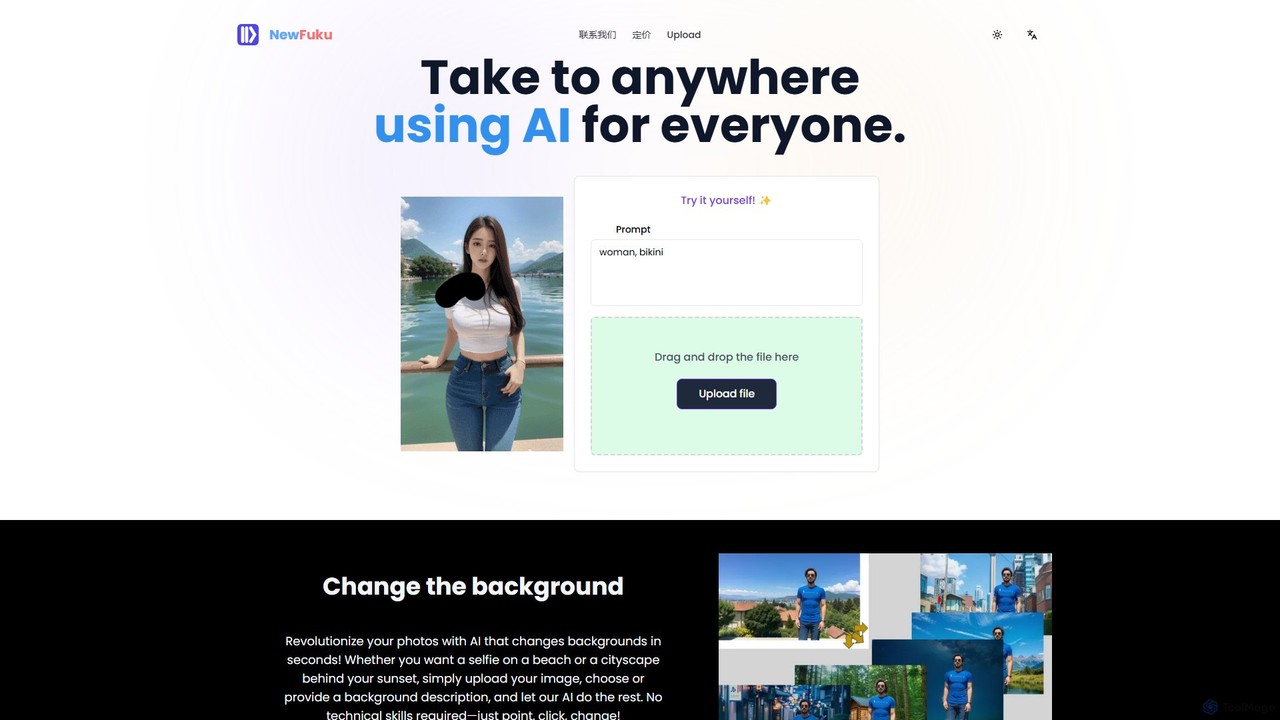
newfuku is an AI-powered image editing platform that specializes in virtual outfit changes, background removal, and image inpainting. …

3.1K

About Fashion

Fashion AI tools are specialized AI-powered image editing solutions designed specifically for the fashion industry. These tools leverage advanced artificial intelligence algorithms to automate and enhance various fashion-related tasks, from virtual try-on and outfit generation to AI model creation and style analysis. They provide innovative ways for designers, retailers, and marketers to visualize, create, and present fashion concepts, significantly streamlining workflows within the broader context of image editing.

Core Features

  • Virtual Try-On: Enables customers or designers to digitally simulate clothing and accessories on virtual models or their own uploaded images.
  • AI Outfit Generation: Automatically suggests or creates new garment combinations, styles, and accessories based on user input or trend data.
  • AI Model Creation: Generates diverse, realistic, and customizable virtual models for product display, marketing campaigns, or design visualization.
  • Fabric & Texture Simulation: Renders highly realistic digital representations of various fabrics, textures, and material drapes for accurate design previews.
  • Style & Trend Analysis: Utilizes AI to identify emerging fashion trends, analyze consumer preferences, and predict market demands.

Applicable Scenarios

Fashion AI tools are indispensable for e-commerce brands seeking to enhance online shopping experiences with virtual try-ons, and for fashion designers looking to accelerate their creative process through AI-generated concepts and visualizations. Marketing agencies leverage these tools to create compelling, diverse visual content with AI models, while stylists use them for personalized outfit recommendations and virtual styling sessions.

How to Choose

When selecting an AI Fashion tool, consider its core functionality – whether it excels in virtual try-on, design generation, or model creation – to match your specific needs. Evaluate the quality and realism of its AI-generated outputs, its integration capabilities with existing design or e-commerce platforms, and the ease of use for your team. Additionally, assess the scalability of the solution and its pricing model to ensure it aligns with your budget and growth plans.

FashionUse Cases

1

Virtual Try-On for E-commerce Platforms

E-commerce retailers integrate AI tools to offer customers a realistic virtual try-on experience for clothing and accessories. This reduces product returns, boosts customer confidence, and significantly improves conversion rates by allowing shoppers to visualize items on themselves before purchase.

2

Accelerated Fashion Design & Concept Generation

Fashion designers utilize AI to rapidly generate new garment concepts, explore variations in patterns, colors, and silhouettes, and visualize designs in 3D. This dramatically speeds up the initial design phase, fostering creativity and reducing the need for physical prototypes.

3

Automated Product Photography Enhancement & Consistency

Brands employ AI to automatically remove backgrounds, adjust lighting, and standardize product images across their catalogs. This ensures visual consistency, saves countless hours of manual editing, and prepares high-quality visuals for online stores and marketing materials efficiently.

4

Personalized Styling & Outfit Recommendations

Personal stylists and fashion apps leverage AI to analyze individual user preferences, body shapes, and existing wardrobes to provide highly personalized outfit suggestions. This enhances the user experience, drives engagement, and helps consumers discover new styles tailored to them.

5

Creating Diverse AI Models for Marketing Campaigns

Marketing teams use AI to generate a wide range of diverse, inclusive, and customizable virtual models for advertising campaigns and social media content. This eliminates the high costs and logistical challenges of traditional photoshoots, allowing for rapid content creation and broader representation.

6

Trend Forecasting and Collection Planning

Fashion brands and analysts apply AI to process vast datasets from social media, runway shows, and sales data to identify emerging trends, predict consumer demand, and inform future collection planning. This strategic insight helps minimize risks and optimize inventory.

FashionFrequently Asked Questions