ToolMage
Sign in

Best 3 Art Generation AI tools for Image Generation

Popular Art Generation AI tools in Image Generation include Tat Ink, Ghibli AI, and aitattoo.ink, helping you work more efficiently.

Ghibli AI
Freemium

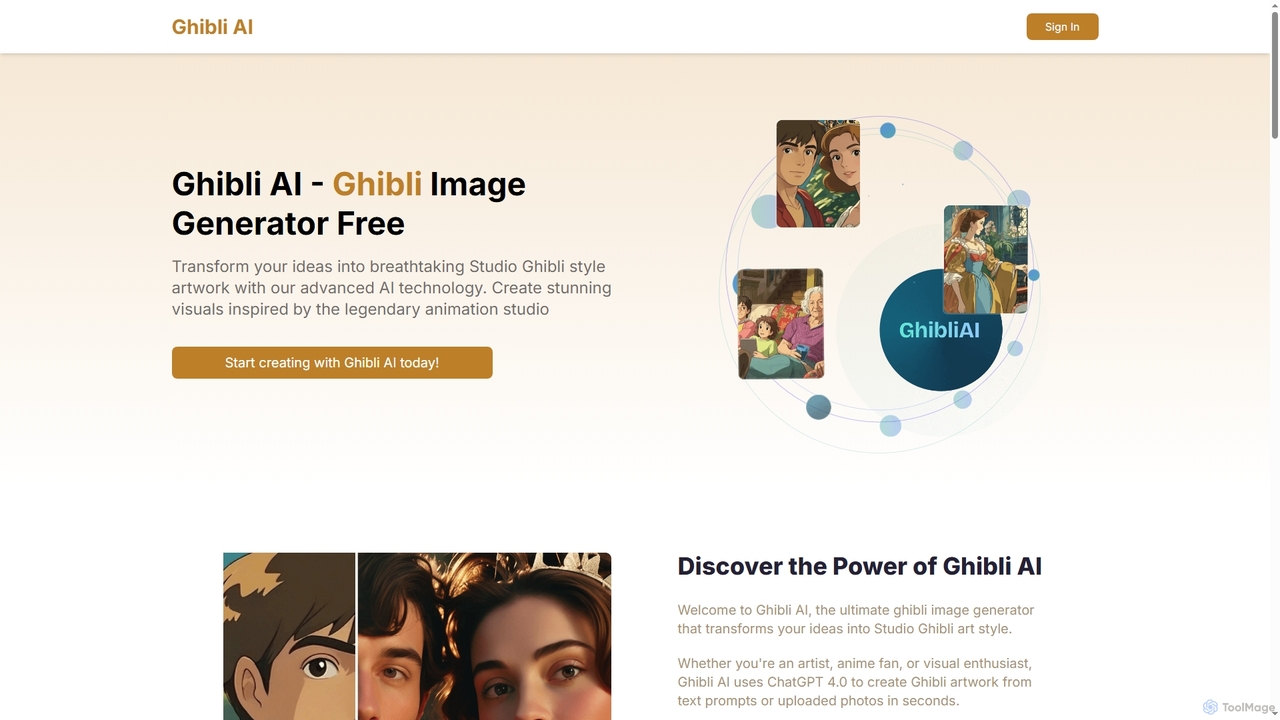
Ghibli AI

Ghibli AI is an advanced image generator that transforms your text prompts or uploaded photos into stunning Studio Ghibli-style artworks. Leveraging ChatGPT 4.0, it allows artists, fans, and professionals to effortlessly create enchanting visuals inspired by legendary animation, simplifying the process of crafting anime-style masterpieces in seconds.

Style Transfer
Visits 6.5KFavorites 109Likes 116
Tat Ink
Freemium

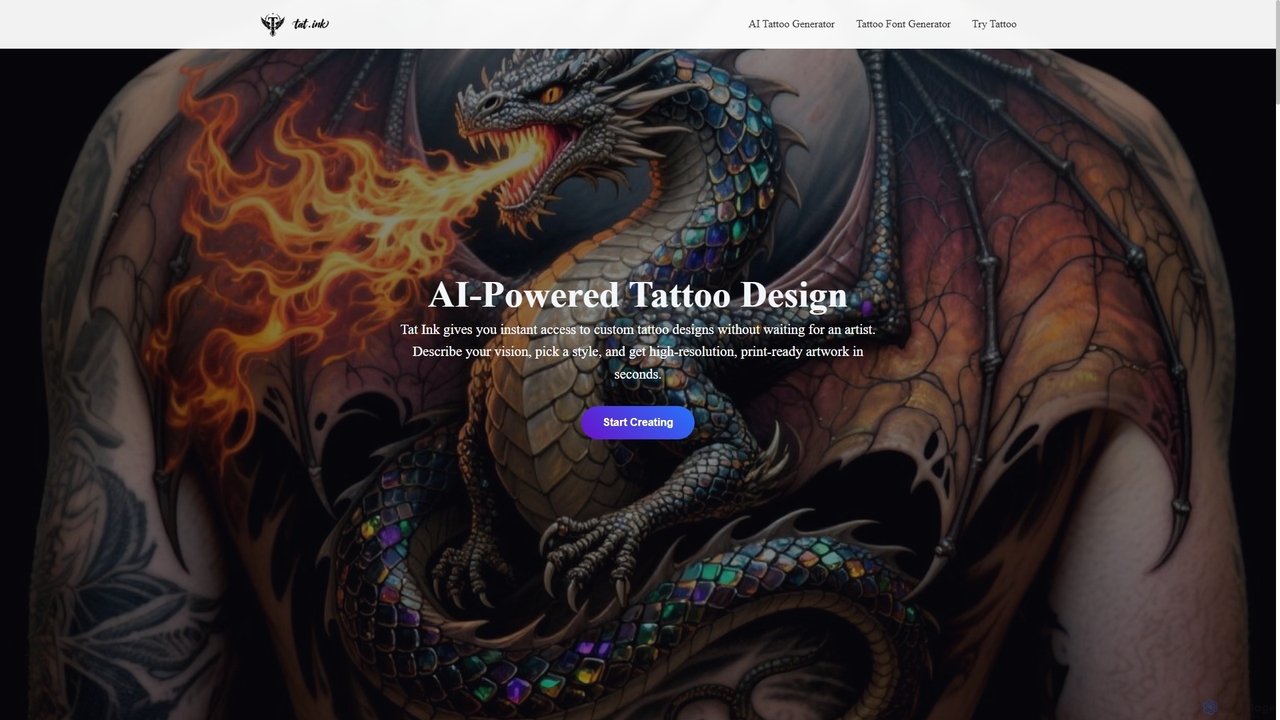
Tat Ink

Tat Ink is an innovative AI-powered platform that transforms your tattoo ideas into unique, high-resolution designs in seconds. It offers an AI tattoo generator, a vast idea explorer, a versatile font generator, and a realistic virtual try-on feature, allowing users to visualize custom ink on their skin before commitment. Perfect for enthusiasts, artists, and designers seeking creative inspiration and personalized body art.

Idea Generation
Visits 84.7KFavorites 122Likes 150
aitattoo.ink
Paid

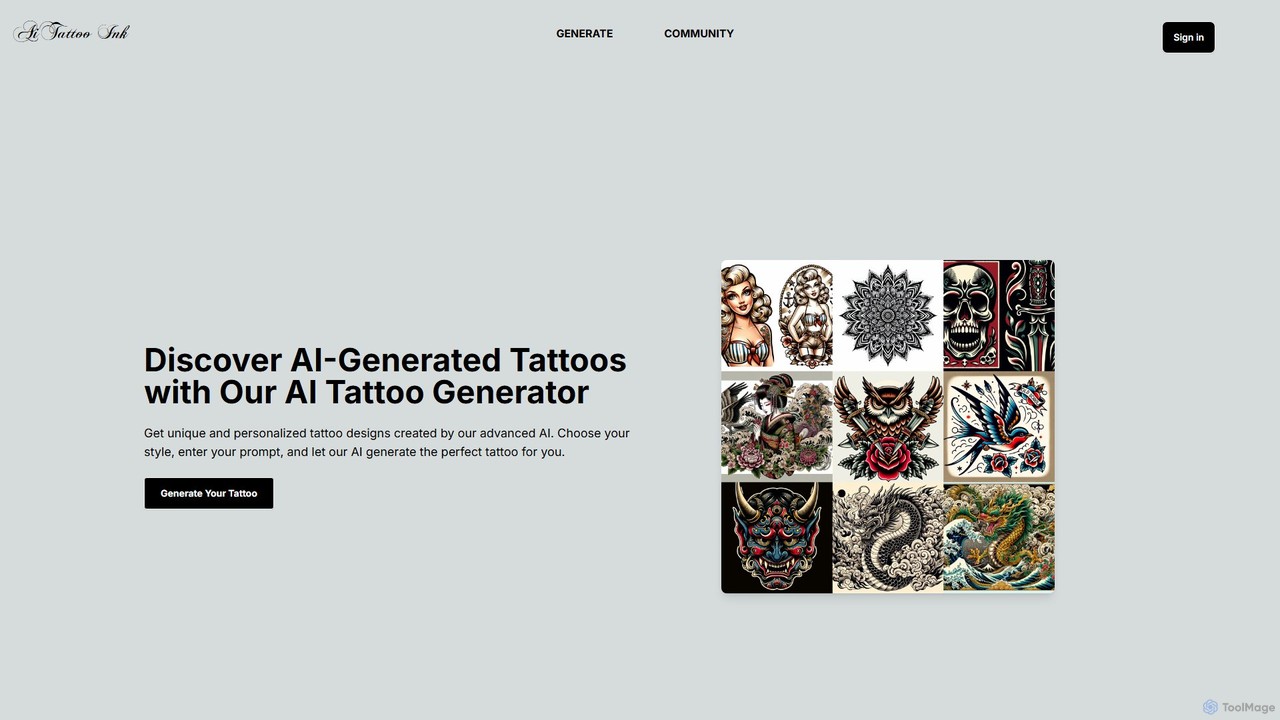
aitattoo.ink

An AI-powered tattoo generator that creates unique, personalized tattoo designs in various styles. Simply enter a prompt, choose a style, and let the advanced AI generate the perfect tattoo concept for you, saving time and sparking endless creativity.

Tattoo Design
Visits 4.8KFavorites 106Likes 94

About Art Generation

AI Art Generation tools are a specialized category of image generators focused on creating visually expressive and stylized artwork. They utilize advanced models, such as diffusion or GANs, to translate text prompts into unique digital paintings, illustrations, and abstract pieces. These tools empower artists, designers, and creators to rapidly explore visual concepts, develop unique styles, and produce high-quality artistic content. Their primary value lies in accelerating creative workflows and making artistic creation more accessible.

Core Features

  • Style Mimicry & Transfer: Apply the aesthetic of famous artists or art movements to generated images.
  • Advanced Prompt Interpretation: Generate complex scenes and characters from detailed textual descriptions.
  • Artistic Control Parameters: Fine-tune elements like color palettes, composition, and brushstroke effects.
  • Iterative Variation: Produce multiple artistic interpretations from a single concept for creative exploration.
  • High-Resolution Output: Render artwork suitable for digital display, print, and commercial use.

Use Cases

These tools are ideal for concept artists designing characters and environments for games or films, digital marketers creating unique brand visuals, and individual creators producing content for social media or NFT collections. They serve anyone who needs original, stylized imagery that stands out from standard stock photography.

How to Choose

When selecting an AI Art Generation tool, consider the diversity of its available art styles, the level of control over generation parameters (like negative prompts), its image resolution capabilities, and the platform's community features for sharing prompts and inspiration. Also, evaluate the pricing model, whether it's subscription-based or uses a credit system.

Art Generation use cases

1

Designing Video Game Concept Art

A concept artist working on a new fantasy RPG needs to brainstorm character and environment designs. Instead of starting from a blank canvas, they use an AI Art Generator to input detailed prompts like 'ethereal elven city in a bioluminescent forest, matte painting, epic fantasy style'. The tool generates dozens of visual starting points in minutes. This allows the artist to rapidly visualize different worlds and characters, accelerating the pre-production phase and providing a rich pool of ideas to refine into final designs, saving significant time and effort.

2

Create Unique Illustrations for Books and Blogs

An author or blogger needs custom, non-stock imagery for a series of articles. They use an AI art tool to generate illustrations in a consistent style, such as 'whimsical watercolor style, cute forest animals reading books'. By reusing parts of the prompt and a seed image, they can create a cohesive set of visuals for each post. This process produces an original visual identity for their content, enhancing reader engagement without the high cost or long turnaround time of hiring a traditional illustrator.

3

Developing an NFT Art Collection

An NFT artist wants to build a large, thematically consistent collection for a marketplace launch. They define a core concept and prompt, such as 'cyberpunk samurai cat, neon-lit alley, detailed armor'. Using the tool's variation or batch generation features, they produce hundreds of unique but related artworks by slightly modifying parameters or keywords. This streamlines the creation of a large-scale generative art project, allowing the artist to focus on curation, storytelling, and community building rather than manually producing each individual piece.

4

Crafting Stylized Social Media Visuals

A social media manager for a fashion brand needs eye-catching, on-brand images for an Instagram campaign. Instead of relying on stock photos, they use an AI art tool to generate visuals in a specific aesthetic, like 'product shot of a handbag in a surrealism painting style'. This creates a unique and memorable visual theme for the campaign that stands out in a crowded feed. The process is faster than a traditional photoshoot and provides endless creative variations, increasing audience engagement and reinforcing the brand's artistic identity.

5

Generating Abstract Art for Backgrounds and Decor

A graphic designer needs unique abstract visuals for website backgrounds or printable wall art for a client. They experiment with abstract prompts in an AI art generator, such as 'symphony of chaotic colors, geometric patterns, liquid metal texture'. The tool allows them to quickly iterate through different color palettes and compositions to match the client's brand identity. This provides a source of high-quality, royalty-free abstract artwork that is perfectly tailored to specific aesthetic requirements, avoiding generic stock patterns.

6

Visualizing Architectural and Fashion Concepts

An architect or fashion designer is in the early stages of a project and wants to explore highly stylized concepts. They use an AI art generator as a mood boarding tool, inputting prompts like 'brutalist architecture fused with organic curves, concept sketch' or 'haute couture dress inspired by nebulae, futuristic style'. The resulting images are not final blueprints but serve as powerful visual aids to communicate abstract creative visions to clients and teams, fostering a shared understanding of the project's aesthetic direction long before detailed drafting begins.

Art Generation FAQ

What is AI Art Generation?

AI Art Generation is the use of artificial intelligence to create original artwork from text or image inputs. Unlike general image generators that may aim for photorealism, these tools specialize in producing images with distinct artistic styles, such as paintings, drawings, or abstract designs. They are trained on vast datasets of art and imagery, allowing them to understand and replicate complex aesthetics, from classical art movements to modern digital styles. Their primary purpose is to facilitate creative expression and visual exploration.

How to choose the right AI Art Generator?

To choose the right tool, consider these key factors:

  • Style Range: Does the tool excel in the specific styles you need, such as anime, fantasy, or abstract art? Some models are better at certain aesthetics than others.
  • Control & Customization: How much control do you have over the output? Look for features like negative prompts, parameter tuning (e.g., CFG scale), and image-to-image capabilities.
  • Image Quality: What is the maximum output resolution and overall image coherence? Ensure it's suitable for your intended use, whether for web or print.
  • Ease of Use: Is the interface intuitive for your skill level? Some tools are simple and prompt-based, while others offer complex interfaces for advanced users.
  • Pricing Model: Evaluate the cost structure. Is it a monthly subscription with unlimited generations, or a credit-based system where you pay per image?
What's the difference between AI Art Generation and general AI Image Generation?

The primary difference is focus and intent. General AI Image Generation is a broad category that includes creating photorealistic images, product mockups, and functional graphics. Its goal is often utility or realism. AI Art Generation is a specialized subcategory focused specifically on creating aesthetic, stylized, and expressive artwork. While the underlying technology can be similar (e.g., diffusion models), art generators are fine-tuned on artistic datasets and offer controls geared towards creative exploration, like style mimicry and artistic filters, rather than perfect realism.

What are the key features of AI Art Generation tools?

Most AI Art Generation tools share a set of core features designed for creative output:

  • Text-to-Art: The fundamental ability to turn written descriptions (prompts) into visual art.
  • Style Transfer: Applying the aesthetic of a specific artist, movement, or image to your generation.
  • Image-to-Image (img2img): Using an existing image as a base and modifying it with a text prompt.
  • Inpainting & Outpainting: Selectively editing parts of an image or extending its canvas to create a larger scene.
  • Model & Style Selection: Access to different AI models or pre-set styles (e.g., anime, fantasy, photorealistic) fine-tuned for specific artistic results.
  • Negative Prompts: Specifying what you don't want to see in the final image to refine the output.
Who can benefit from using AI Art Generation tools?

A wide range of users can benefit from these tools. Artists and designers use them for inspiration, rapid concepting, and creating base layers for their work. Content creators and marketers leverage them to produce unique visuals for social media, blogs, and advertisements that stand out. Writers and world-builders can visualize characters, settings, and scenes from their stories. Finally, hobbyists and enthusiasts use them for creative exploration and personal projects, making artistic creation accessible to everyone, regardless of their manual drawing skills.