Zeet
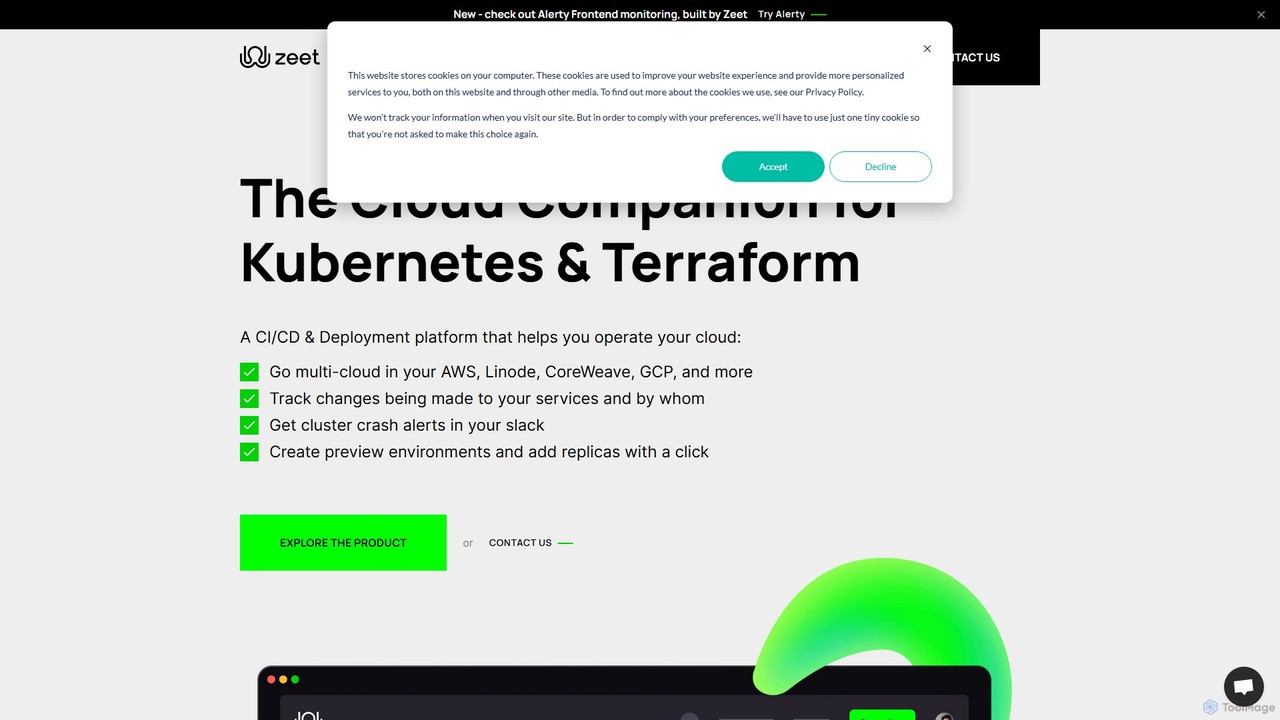
Zeet is a comprehensive DevOps and cloud operations platform designed to simplify the deployment and management of cloud …
Zeet is a comprehensive DevOps and cloud operations platform designed to simplify the deployment and management of cloud services and infrastructure. It empowers developers, SREs, and DevOps teams by automating CI/CD, Kubernetes management, and multi-cloud operations, allowing them to focus on building applications rather than managing complex infrastructure.
Codesphere
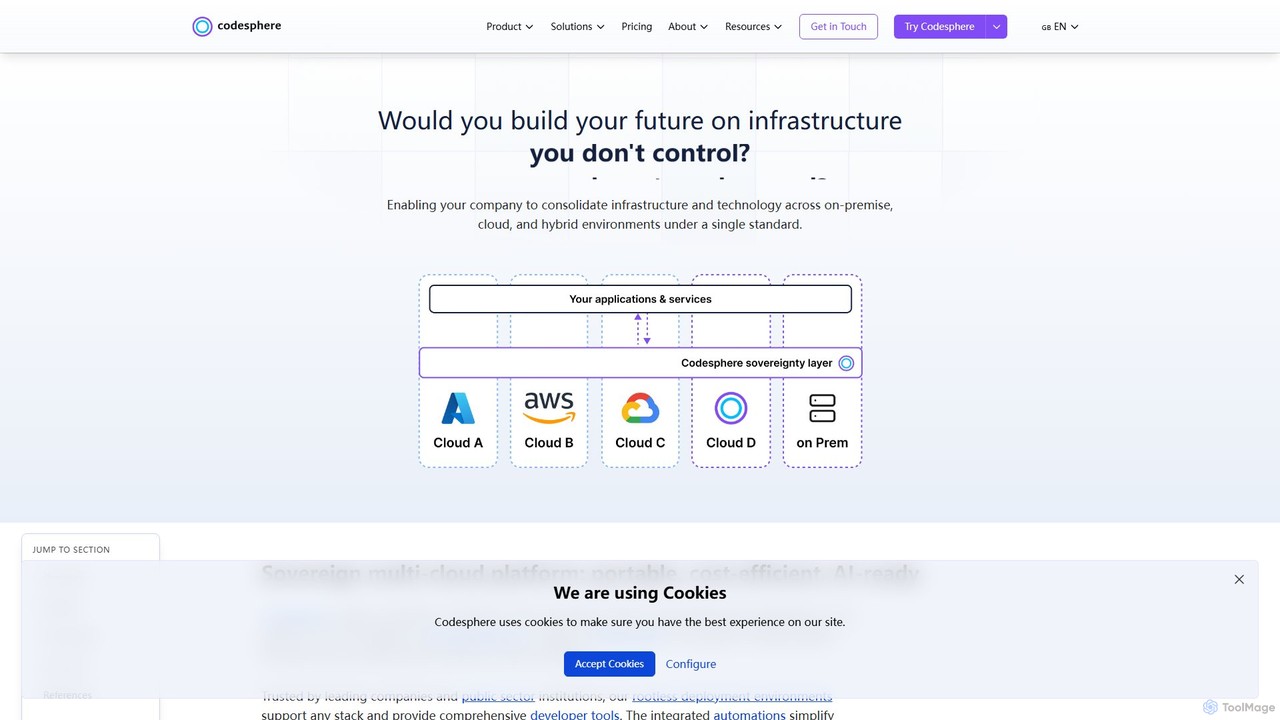
Codesphere is an all-in-one cloud IDE and DevOps platform that unifies development, deployment, and management. It offers a …
Codesphere is an all-in-one cloud IDE and DevOps platform that unifies development, deployment, and management. It offers a sovereign, multi-cloud solution designed to accelerate go-to-market, reduce costs, and simplify complex infrastructure without needing Kubernetes expertise. It's AI-ready and built for enterprise-grade security and scalability.
About Cloud Management
Cloud Management tools leverage AI to automate, optimize, and secure cloud infrastructure and applications. These advanced solutions utilize machine learning algorithms to analyze vast amounts of operational data, providing predictive insights and enabling proactive resource management. They are crucial for organizations seeking to enhance efficiency, reduce costs, and maintain compliance across complex, often multi-cloud, environments. By moving beyond traditional rule-based systems, AI-driven cloud management offers intelligent automation and continuous optimization.
Core Features
- Cost Optimization: AI analyzes usage patterns, identifies idle resources, and recommends rightsizing for significant cost savings.
- Performance Monitoring & Optimization: Predictive analytics detect potential bottlenecks and automatically adjust resources to maintain optimal application performance.
- Security & Compliance Automation: AI-powered tools continuously scan for misconfigurations, detect anomalies, and enforce security policies across cloud assets.
- Automated Operations: Intelligent automation of routine tasks like scaling, patching, backup, and disaster recovery reduces manual effort.
- Resource Provisioning & Orchestration: AI assists in the intelligent deployment and management of cloud infrastructure, optimizing resource allocation.
Applicable Scenarios
Organizations with extensive or multi-cloud deployments, particularly those managing dynamic workloads or facing escalating cloud costs, benefit immensely. This includes large enterprises, SaaS providers, and companies with strict regulatory compliance requirements, where manual management becomes unsustainable and error-prone.
How to Choose
Consider the tool's integration capabilities with your existing cloud providers and services, the breadth of its optimization features (cost, performance, security), and its level of automation. Evaluate the reporting and analytics dashboards for clarity and actionable insights, and ensure it aligns with your team's technical expertise and budget.

Cloud ManagementUse Cases
Optimizing Cloud Spending Across Multi-Cloud Environments
Cloud architects and finance teams in large enterprises utilize AI cloud management tools to gain a unified view of spending across AWS, Azure, and GCP. The AI analyzes historical billing data, identifies underutilized resources, and recommends rightsizing or decommissioning idle instances. This proactive approach helps reduce unnecessary expenditure by up to 30%, ensuring budget adherence and efficient resource allocation.
Proactive Performance Monitoring and Anomaly Detection
DevOps engineers leverage AI cloud management to continuously monitor application performance and infrastructure health. The AI learns normal operational baselines and automatically detects anomalies that indicate potential issues, such as unusual CPU spikes or network latency, often before they impact users. This enables proactive alerts and automated remediation, preventing downtime and ensuring service reliability for critical applications.
Automated Security Posture Management and Compliance Enforcement
Security and compliance officers deploy AI cloud management tools to maintain a robust security posture across dynamic cloud environments. The AI continuously scans for misconfigurations, unauthorized access attempts, and deviations from compliance standards (e.g., GDPR, HIPAA). It automates the enforcement of security policies, generates audit-ready reports, and provides real-time alerts on potential threats, significantly reducing manual security overhead and ensuring regulatory adherence.
Intelligent Resource Scaling for Dynamic Workloads
E-commerce platforms and SaaS providers use AI cloud management to automatically scale compute and database resources in response to fluctuating user demand. Instead of relying on static thresholds, the AI predicts traffic spikes and dips based on historical data and real-time metrics, dynamically adjusting resources to maintain optimal performance during peak loads (e.g., flash sales) and scaling down during off-peak hours, leading to significant cost savings and improved user experience.
Streamlining Cloud Governance and Policy Enforcement
IT governance teams in regulated industries (e.g., healthcare, finance) leverage AI cloud management to ensure continuous adherence to internal policies and external regulations. The AI automatically monitors resource tagging, access controls, and configuration changes against predefined policies. It flags non-compliant resources, suggests corrective actions, and generates comprehensive audit trails, simplifying governance, reducing compliance risks, and accelerating audit preparation.
Predictive Capacity Planning and Resource Forecasting
Cloud operations teams employ AI cloud management for advanced capacity planning. The AI analyzes historical usage trends, seasonal variations, and business growth projections to accurately forecast future resource needs. This allows organizations to proactively provision or de-provision resources, avoiding both over-provisioning (which leads to wasted costs) and under-provisioning (which causes performance issues), ensuring optimal resource utilization and cost-efficiency for upcoming demands.