Best of the Year 7 results Integration AI Tools

Popular AI tools in the Integration field include Stepper、Instruct、Metorial、Vara OS、MCPeasy、Onedollaragent、KarmaBox, etc., helping you quickly improve efficiency.

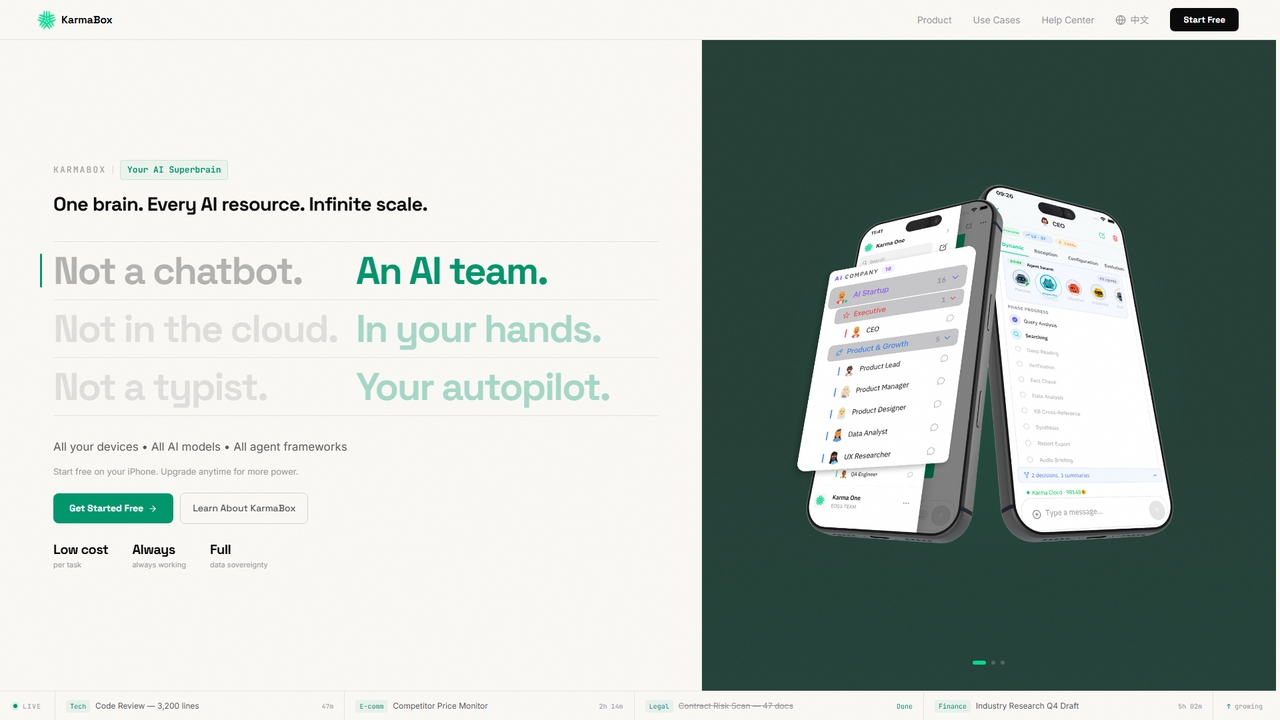
KarmaBox

KarmaBox

KarmaBox is a sovereign AI foundry app that unifies all AI tools, models, and agents into one private, …

1.8K
Instruct

Instruct

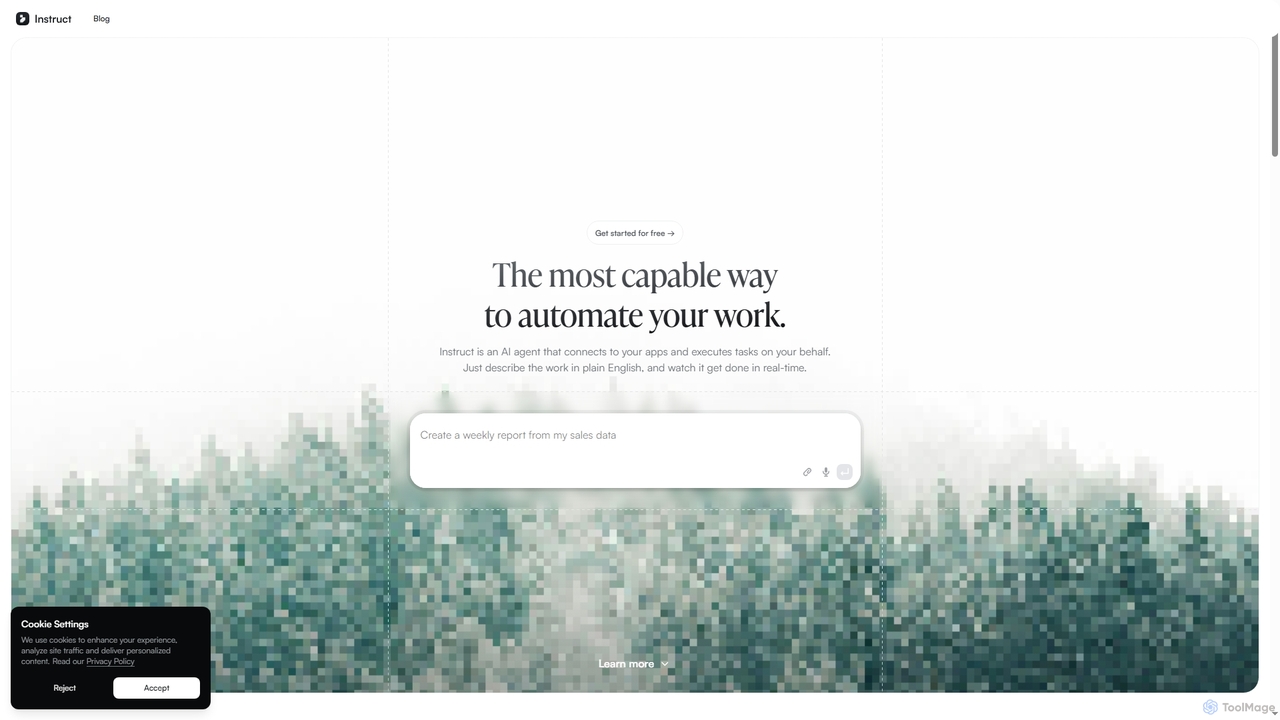
Instruct is an advanced AI agent designed to automate your work by connecting to your existing applications and …

13.6K
Onedollaragent

Onedollaragent

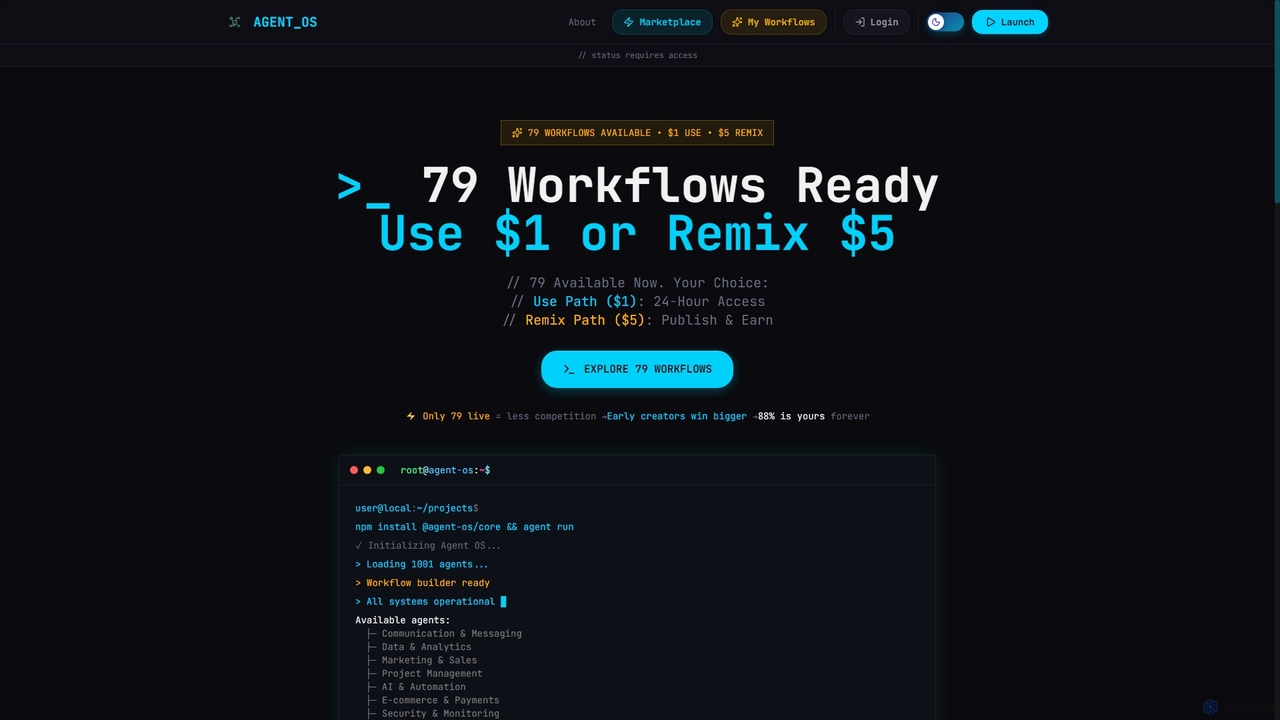
Onedollaragent is an AI workflow automation platform offering n8n-based agents for rent or ownership. Users can access existing …

1.8K
MCPeasy

MCPeasy

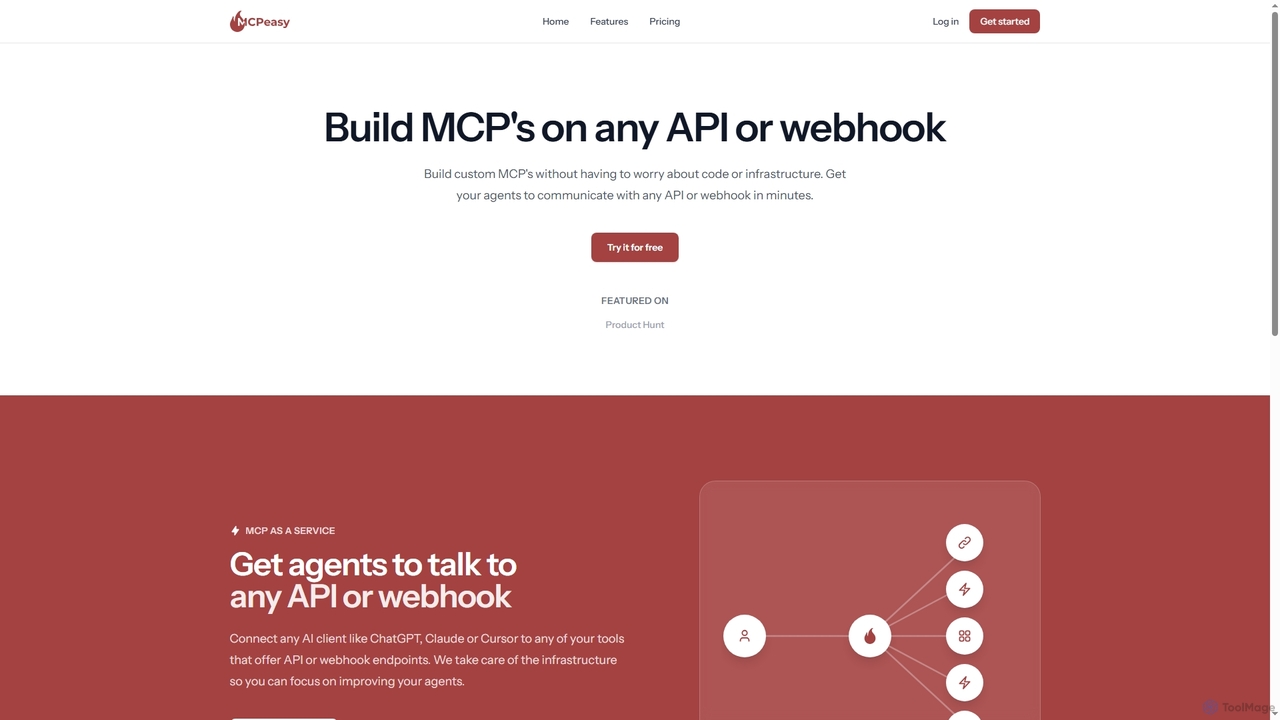
MCPeasy is a service that enables users to build custom AI agents, known as MCPs, without writing code …

1.8K
Vara OS

Vara OS

Vara OS is an AI-powered automation platform that transforms simple prompts into complex workflows, integrating seamlessly with over …

2.5K
Stepper

Stepper

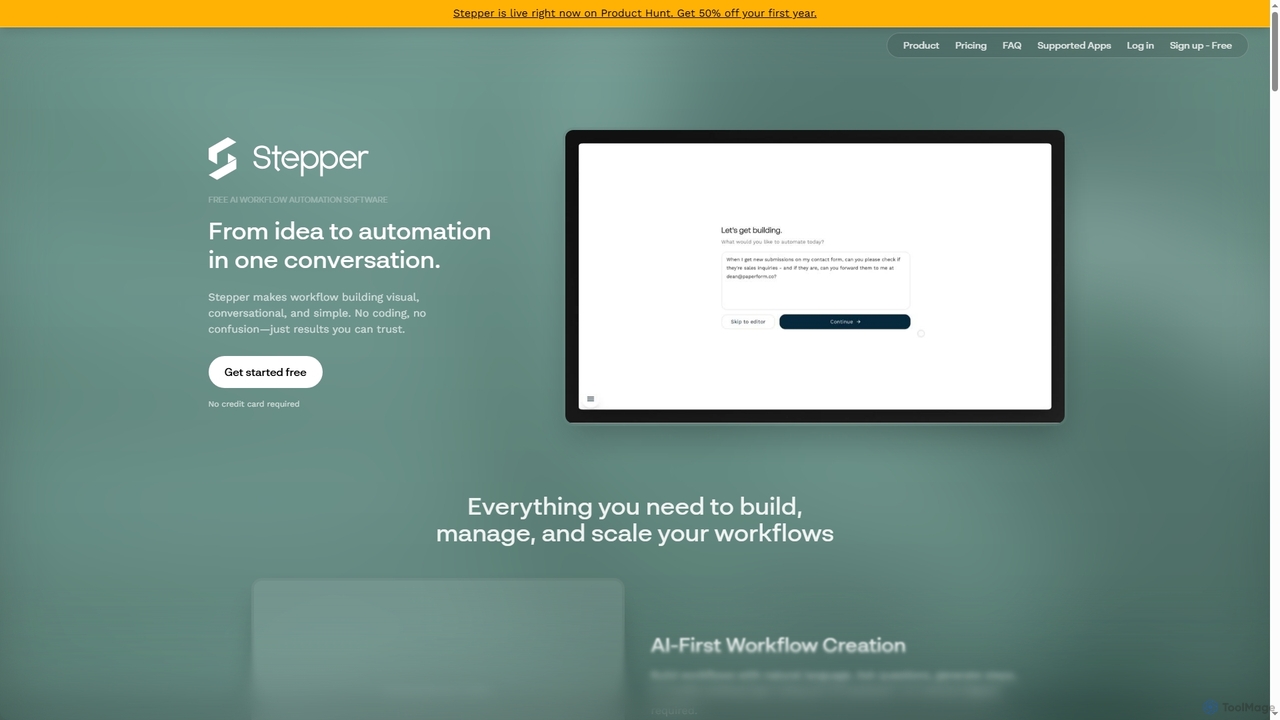
Stepper is a free AI-native workflow automation software designed to simplify complex business processes. It offers a visual, …

22.0K
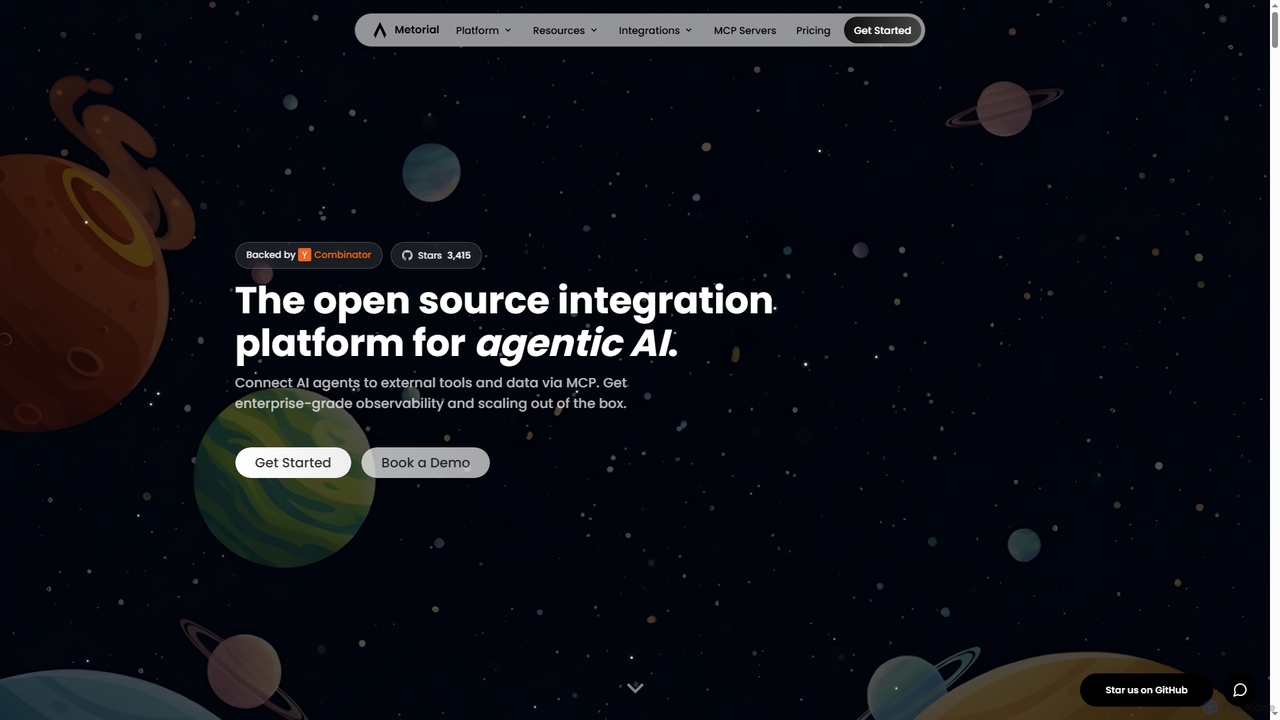
Metorial

Metorial

Metorial is an integration platform for AI agents, enabling developers to quickly build, deploy, and monitor powerful agentic …

6.4K

About Integration

Integration AI tools are AI-powered solutions that facilitate the seamless connection and interoperability between diverse AI models, applications, and data sources. These tools leverage advanced APIs, middleware, and orchestration engines to enable disparate AI components to communicate, share data, and operate cohesively within existing enterprise systems or workflows. Their primary value lies in automating complex, multi-stage processes, enhancing overall system intelligence, and breaking down data silos across an organization's digital landscape.

Core Features

  • API Management & Orchestration: Centralized management and intelligent orchestration of various AI service APIs, ensuring smooth data flow and execution across platforms.
  • Data Harmonization: Automatically transforms and standardizes data formats from different sources, making it compatible for consumption by various AI models and applications.
  • Workflow Automation: Designs and executes automated workflows that integrate multiple AI tasks and traditional software actions into a unified, intelligent process.
  • Real-time Data Sync: Ensures continuous, bidirectional synchronization of data between connected AI tools and enterprise systems, maintaining data consistency and freshness.

Applicable Scenarios

Businesses across various sectors utilize Integration AI tools to streamline operations. For instance, e-commerce platforms integrate AI-powered recommendation engines with inventory management and CRM systems to personalize customer experiences and optimize stock levels. Healthcare providers use them to connect diagnostic AI tools with electronic health records, improving data accessibility and decision-making.

How to Choose

When selecting Integration AI tools, consider the breadth of pre-built connectors for your existing AI services and enterprise applications. Evaluate the flexibility of its workflow builder, its data transformation capabilities, and its scalability to handle growing data volumes and complex integrations. Security features, compliance standards, and the ease of monitoring integrated workflows are also crucial factors.

IntegrationUse Cases

1

Automating Multi-AI Marketing Campaigns

Marketing teams integrate AI-powered content generation, sentiment analysis, and ad placement tools. This allows for automated creation of personalized ad copy, real-time campaign optimization based on audience sentiment, and seamless deployment across various social media and advertising platforms, significantly reducing manual effort and improving campaign ROI.

2

Enhancing Customer Service with AI Orchestration

Customer support centers integrate AI chatbots, knowledge base AI, and human agent platforms. When a customer query comes in, the integration tool routes it to the chatbot, escalates complex issues to a human agent with AI-summarized context, and updates the CRM system automatically, providing a unified and efficient support experience.

3

Streamlining Supply Chain Operations

Logistics companies integrate predictive analytics AI for demand forecasting with inventory management and order fulfillment systems. This enables real-time adjustments to stock levels, automated reordering, and optimized shipping routes, leading to reduced costs and improved delivery times by connecting disparate data points.

4

Personalizing E-commerce User Journeys

Online retailers integrate AI recommendation engines, customer data platforms (CDP), and email marketing tools. This allows for dynamic product suggestions based on browsing history, personalized email campaigns triggered by specific user actions, and consistent user experiences across website, app, and communication channels.

5

Accelerating Software Development & Testing

Development teams integrate AI code generation tools, automated testing frameworks, and CI/CD pipelines. This enables AI to suggest code snippets, automatically run tests on new commits, and deploy validated code, significantly speeding up the development cycle and reducing human error by connecting different stages of the SDLC.

6

Unified Data Analytics & Reporting

Data analysts integrate various AI-driven data extraction, transformation, and loading (ETL) tools with business intelligence (BI) dashboards and data visualization platforms. This automates the process of collecting, cleaning, and presenting data from disparate sources, providing a comprehensive and real-time view of business performance for informed decision-making.

IntegrationFrequently Asked Questions