Automation Best in category 21 results Workflow Automation AI Tool

Popular AI tools in the Workflow Automation field of Automation include OptimumHQ、Neura、Lection、FlowEngine、Zappr.AI、Aocr、Envole、Flumio、E-Virtual、Breezemail, etc., helping you quickly improve efficiency.

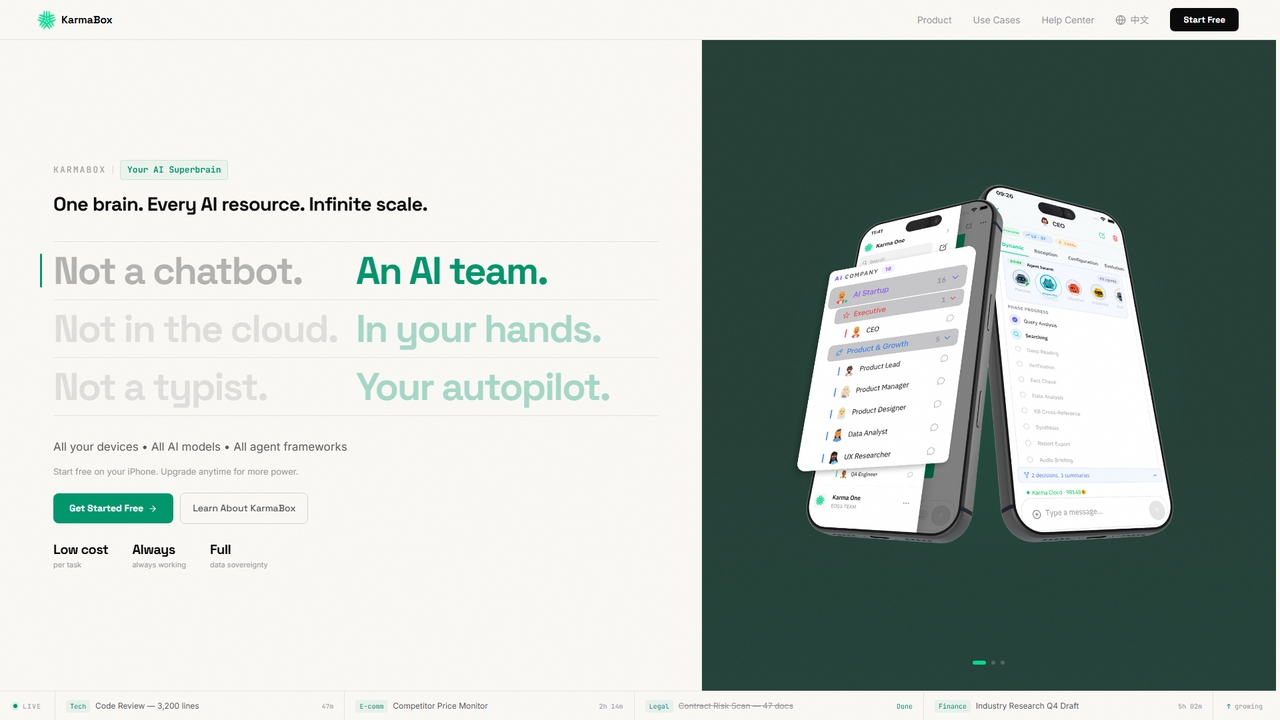
KarmaBox

KarmaBox

KarmaBox is a sovereign AI foundry app that unifies all AI tools, models, and agents into one private, …

3.5K
Aocr

Aocr

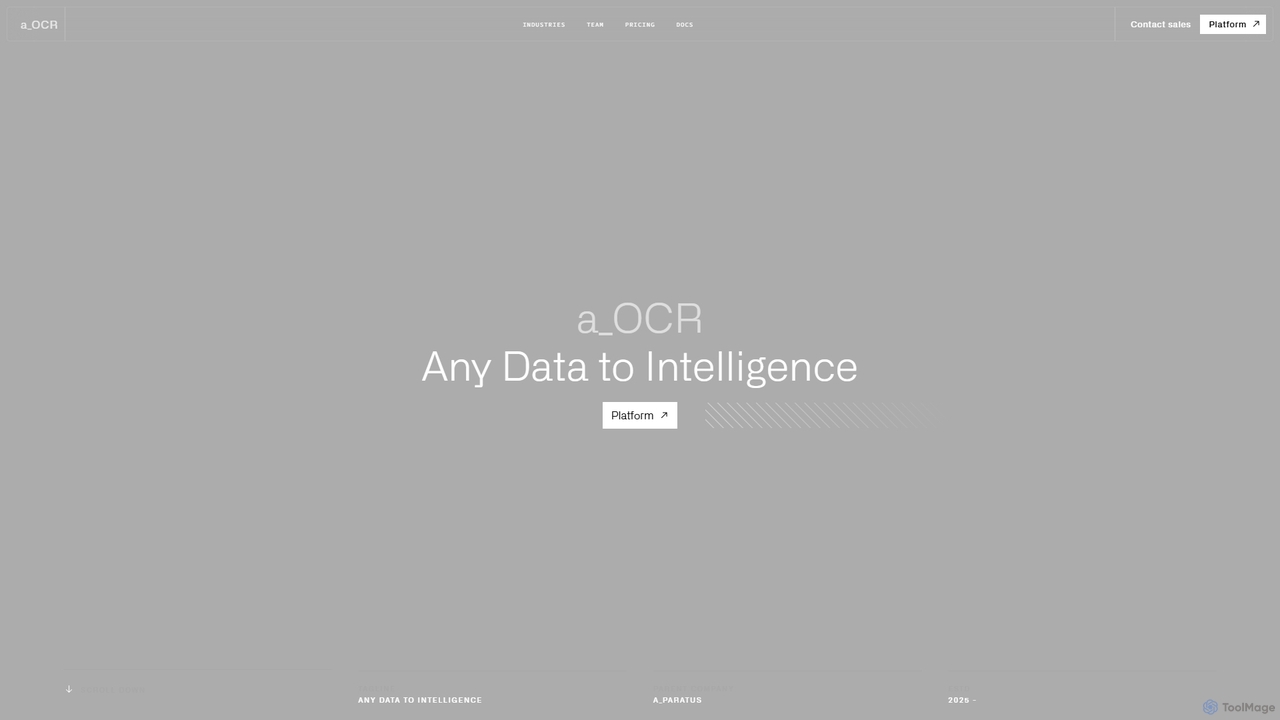
Aocr is an AI-powered OCR platform that transforms unstructured documents into machine-actionable, analytics-ready data. It excels in understanding …

4.4K
Ascend AI

Ascend AI

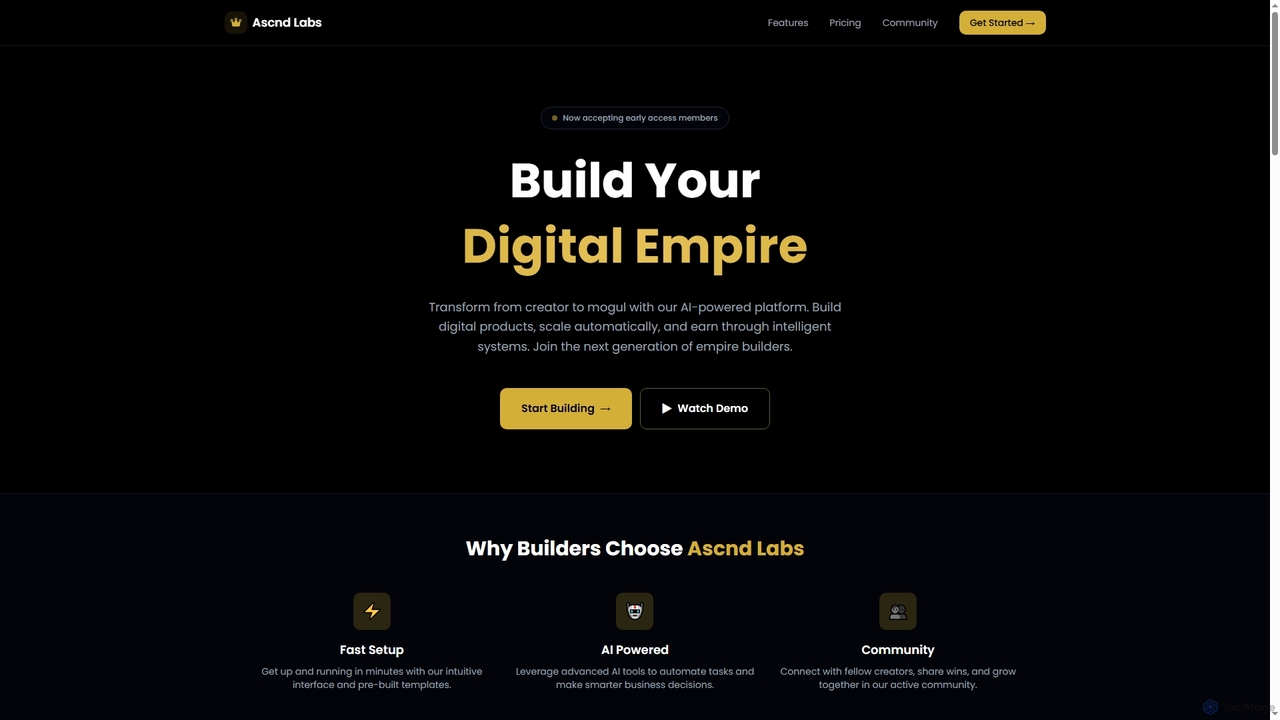
Ascend AI is an AI-powered platform for creators and entrepreneurs to build, launch, and scale digital products and …

3.5K
Lection

Lection

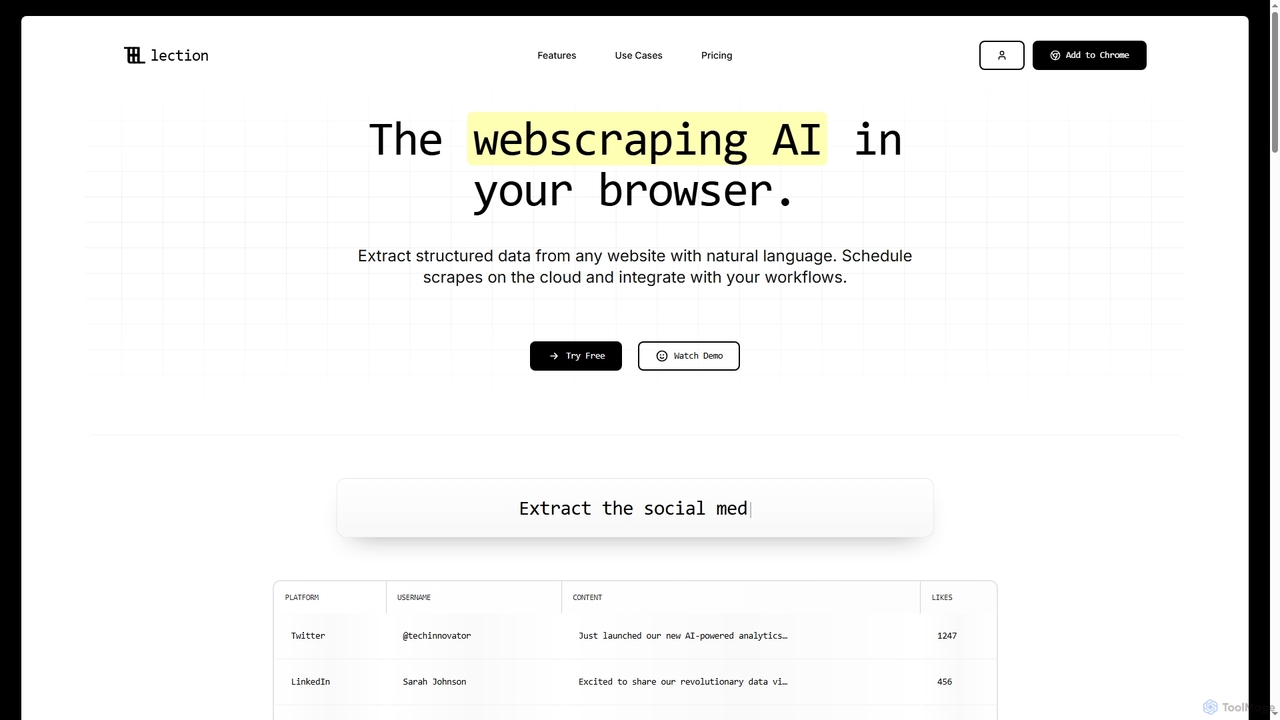
Lection is an AI-powered web scraping agent that allows users to extract structured data from any website using …

25.5K
Flow

Flow

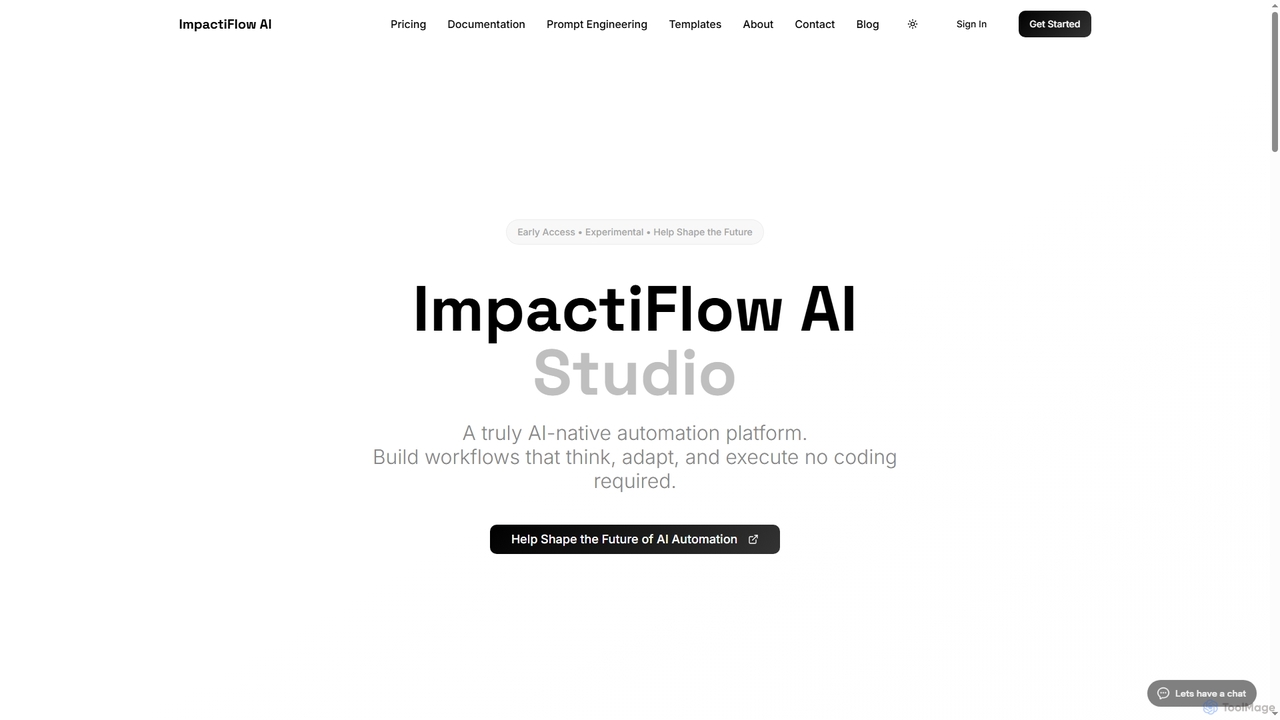
Flow is an AI-native, agentic automation platform designed to build intelligent workflows that think, adapt, and execute without …

3.4K
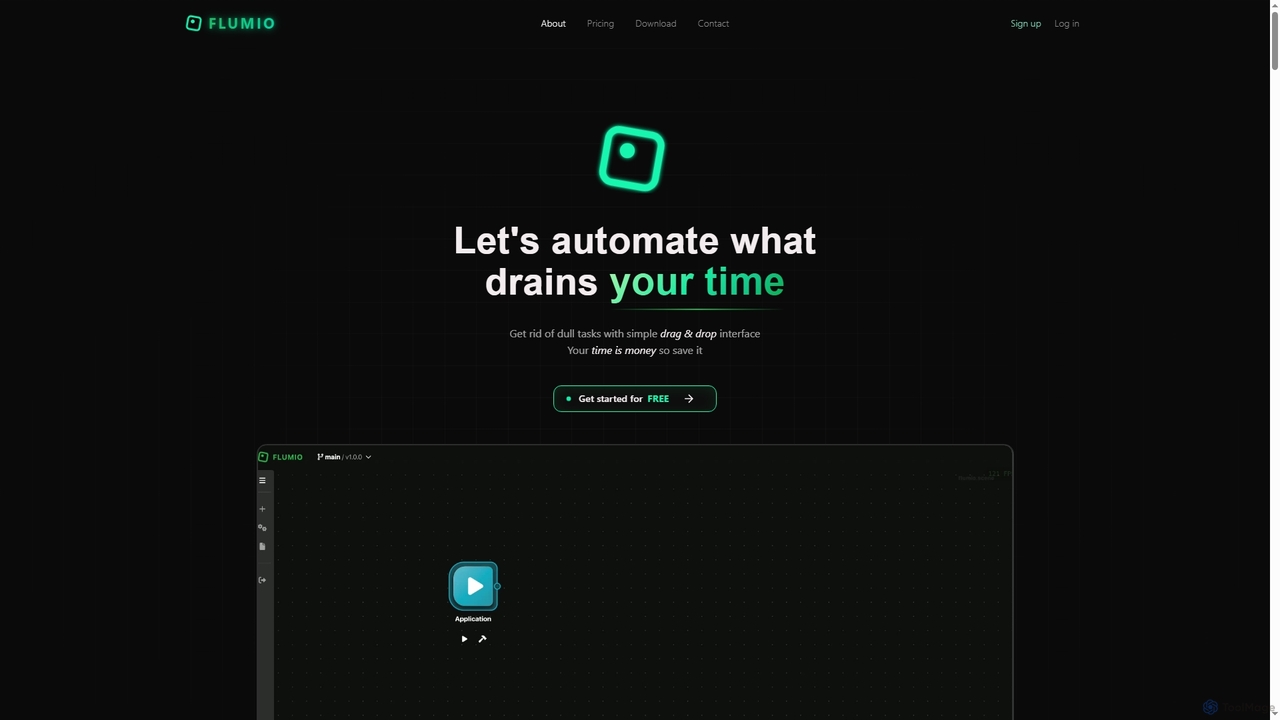
Flumio

Flumio

Flumio is a modern no-code/low-code AI automation platform designed to streamline workflows and eliminate repetitive tasks. It features …

4.0K
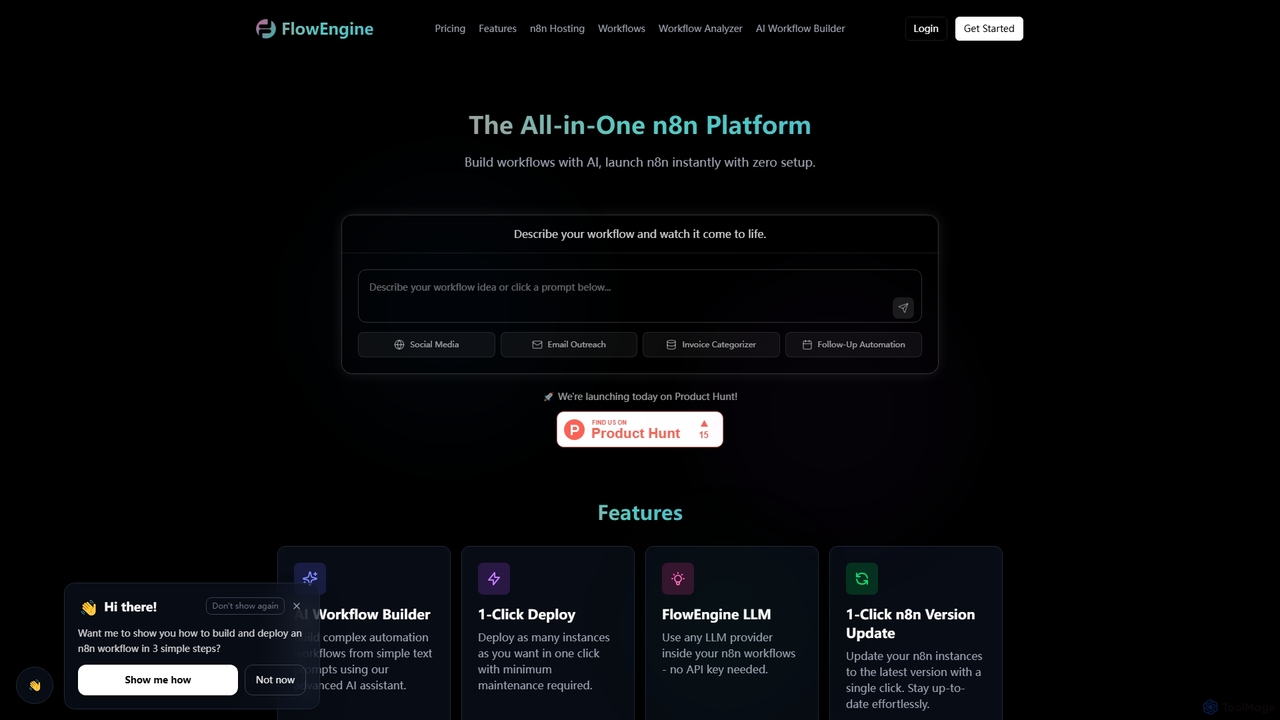
FlowEngine

FlowEngine

FlowEngine is an all-in-one n8n hosting platform that simplifies workflow automation with AI. It allows users to build …

15.9K
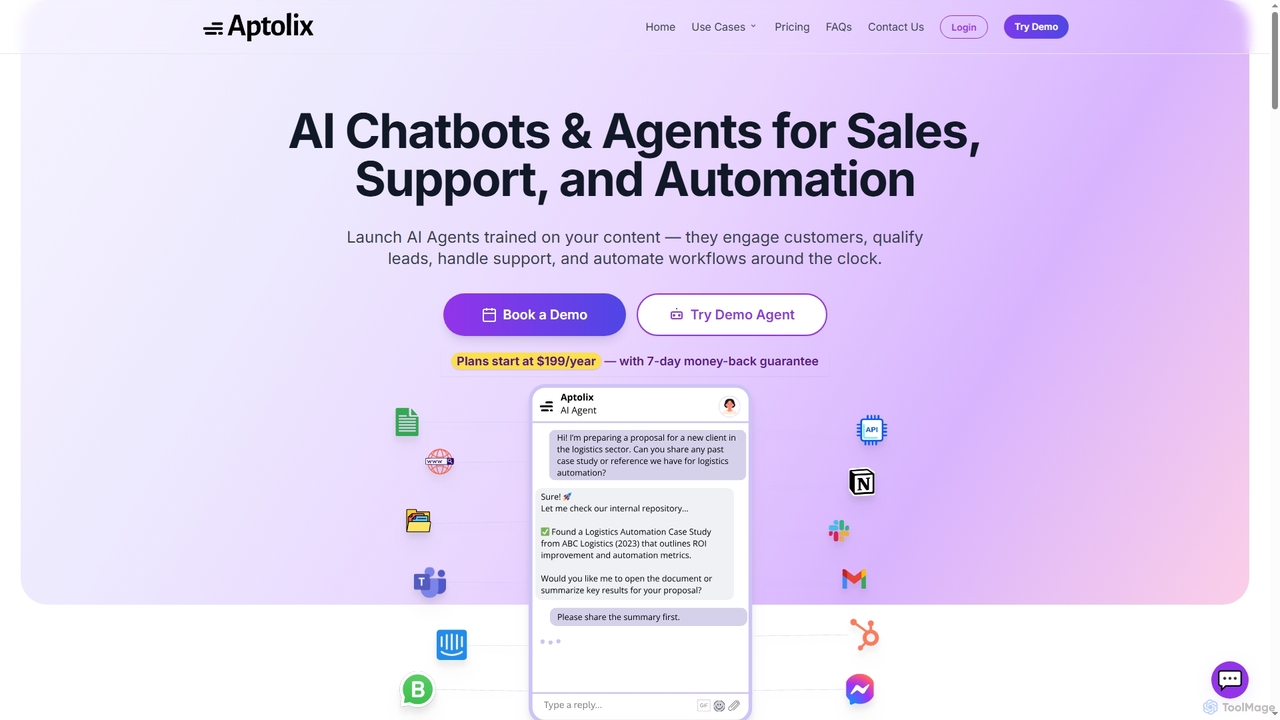
Aptolix

Aptolix

Aptolix is an AI chatbot platform designed for websites, enhancing sales, support, and automation. It allows businesses to …

3.3K
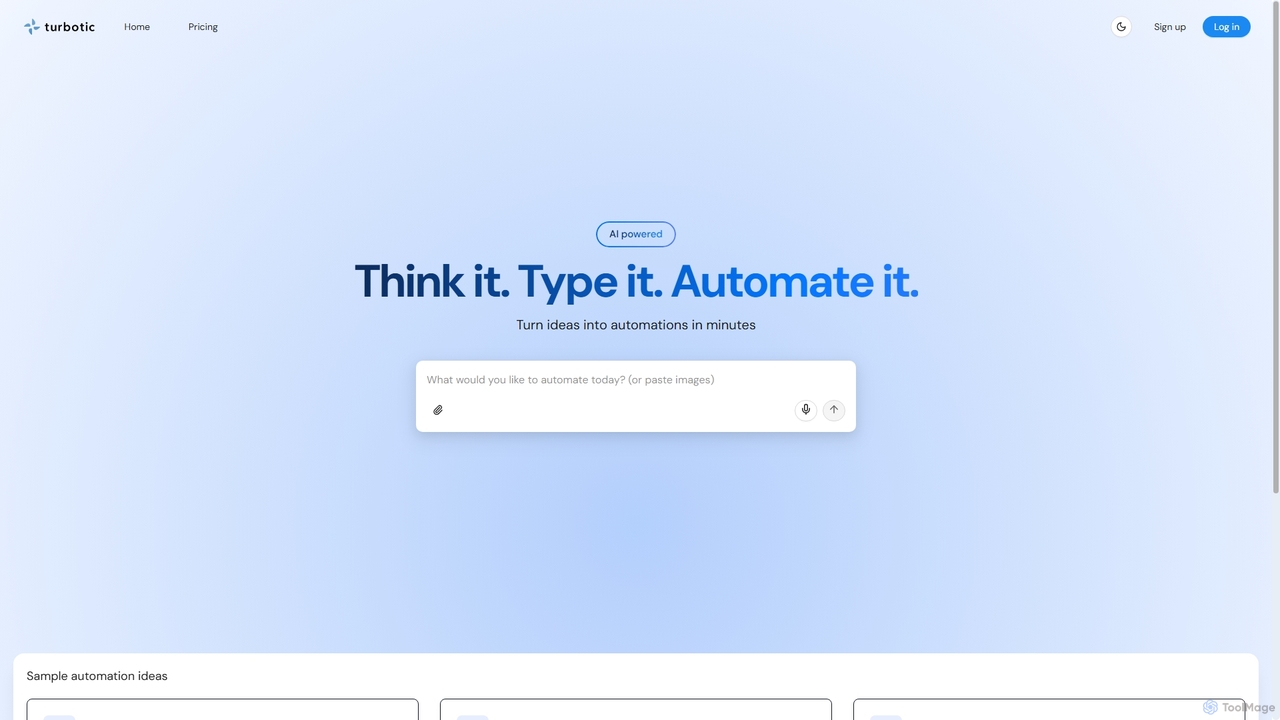
Automation AI

Automation AI

Automation AI is an AI-powered platform that transforms ideas into automated workflows in minutes. It integrates with over …

3.3K
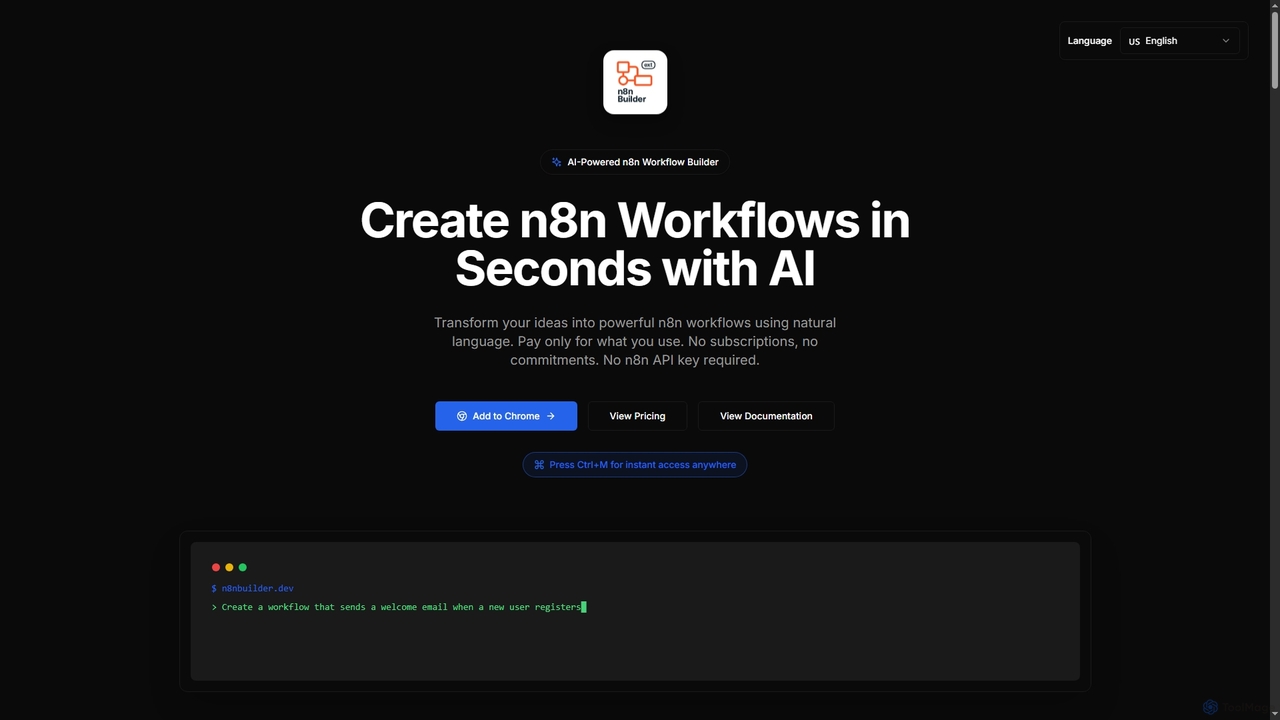
n8n Builder

n8n Builder

n8n Builder is an AI-powered Chrome extension that transforms natural language descriptions into ready-to-import n8n workflows in seconds. …

3.3K
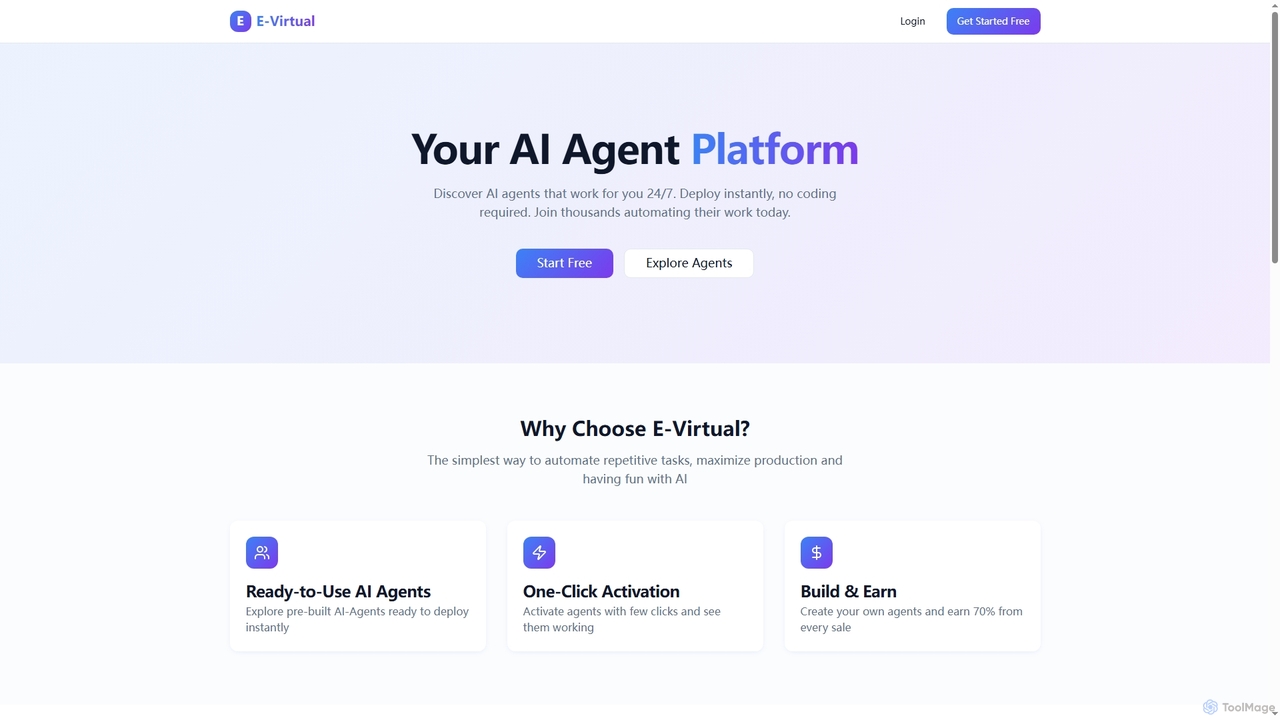
E-Virtual

E-Virtual

E-Virtual is an AI agent platform that empowers users to instantly deploy pre-built AI agents without coding, automating …

4.0K
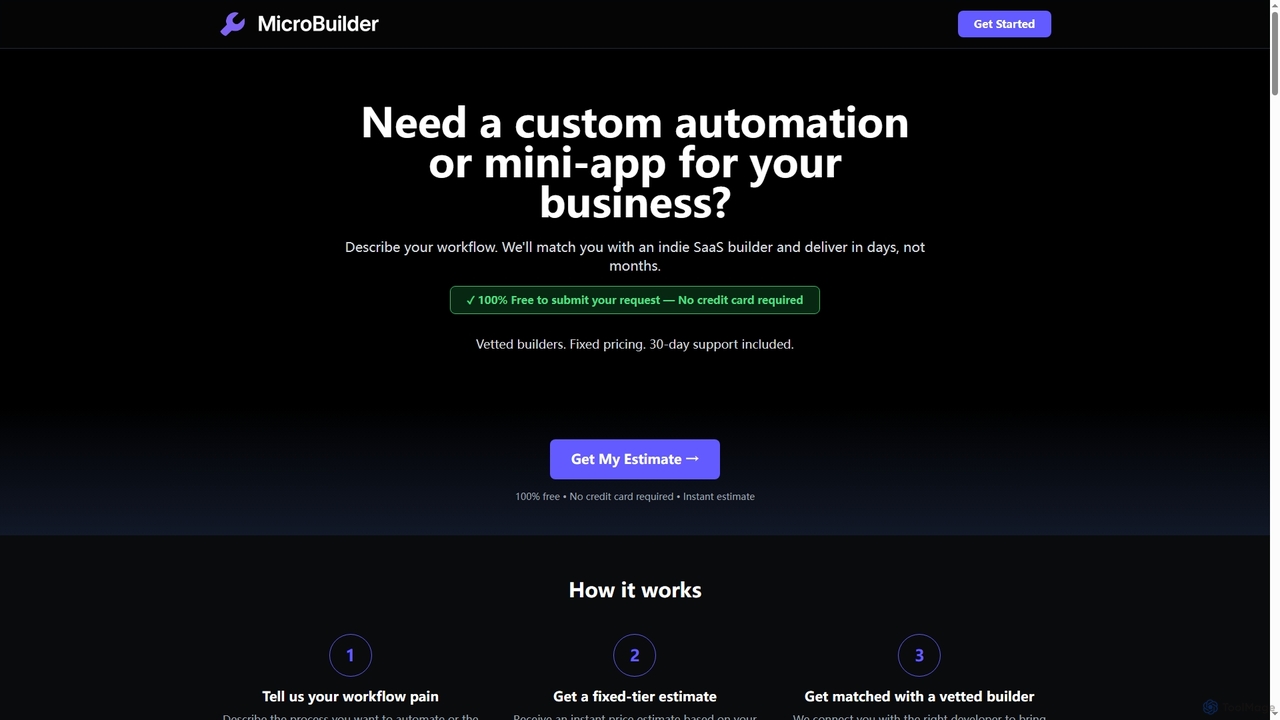
MicroBuilder

MicroBuilder

MicroBuilder rapidly delivers custom automations and mini-apps for businesses. Describe your workflow, get an instant fixed-tier estimate, and …

3.4K
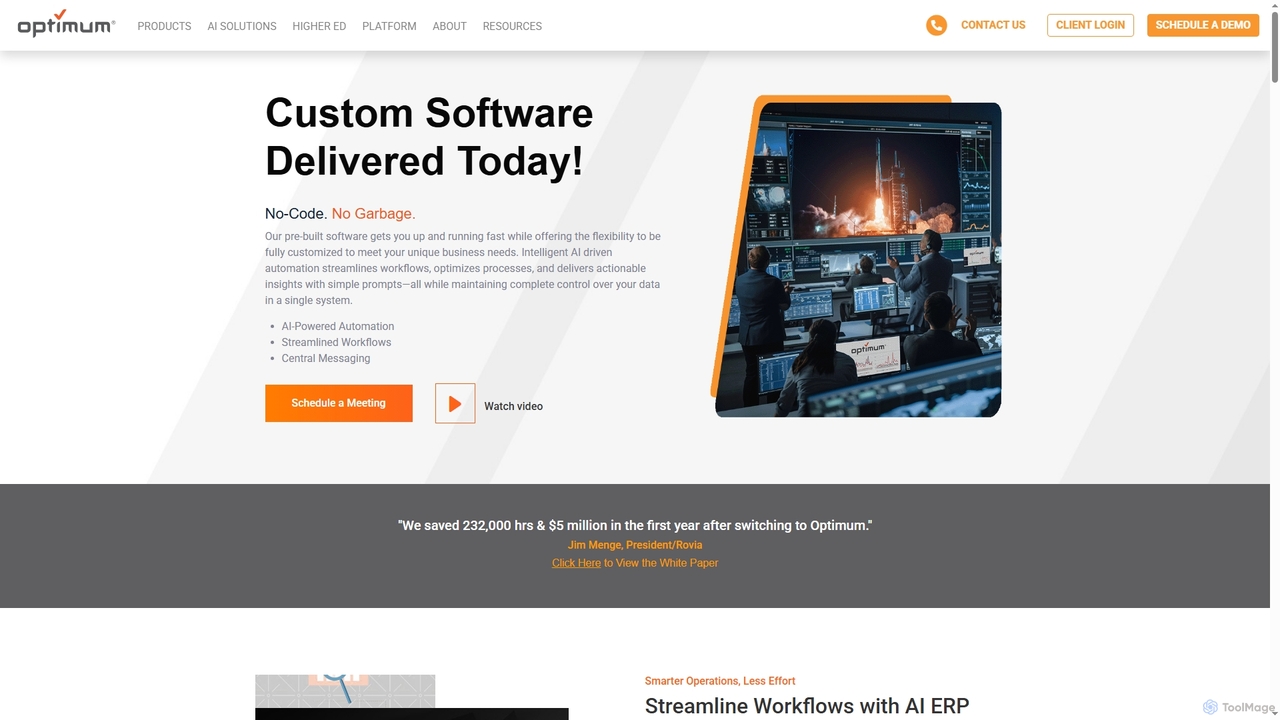
OptimumHQ

OptimumHQ

OptimumHQ is a no-code adaptive software platform that empowers businesses to rapidly create custom solutions, leveraging AI-driven automation …

41.0K
Neura

Neura

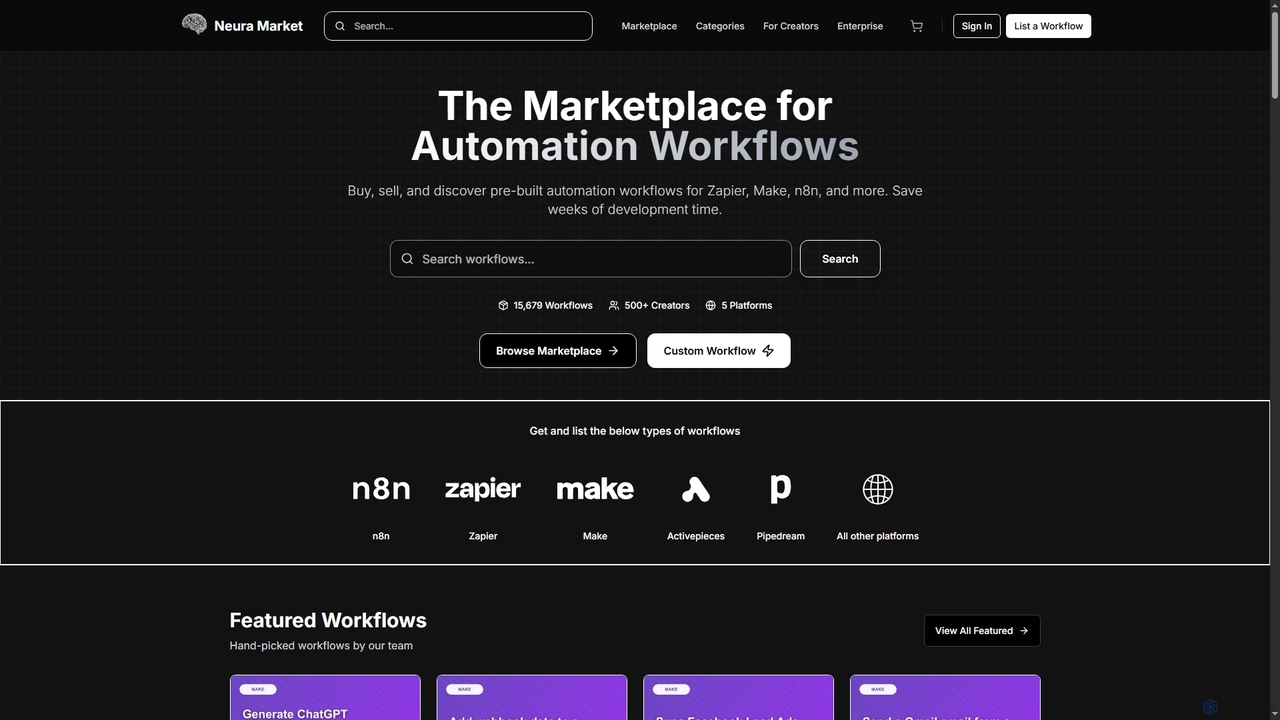
Neura is the leading marketplace for discovering, buying, and selling pre-built automation workflows. It empowers individuals and enterprises …

28.9K
MailAI

MailAI

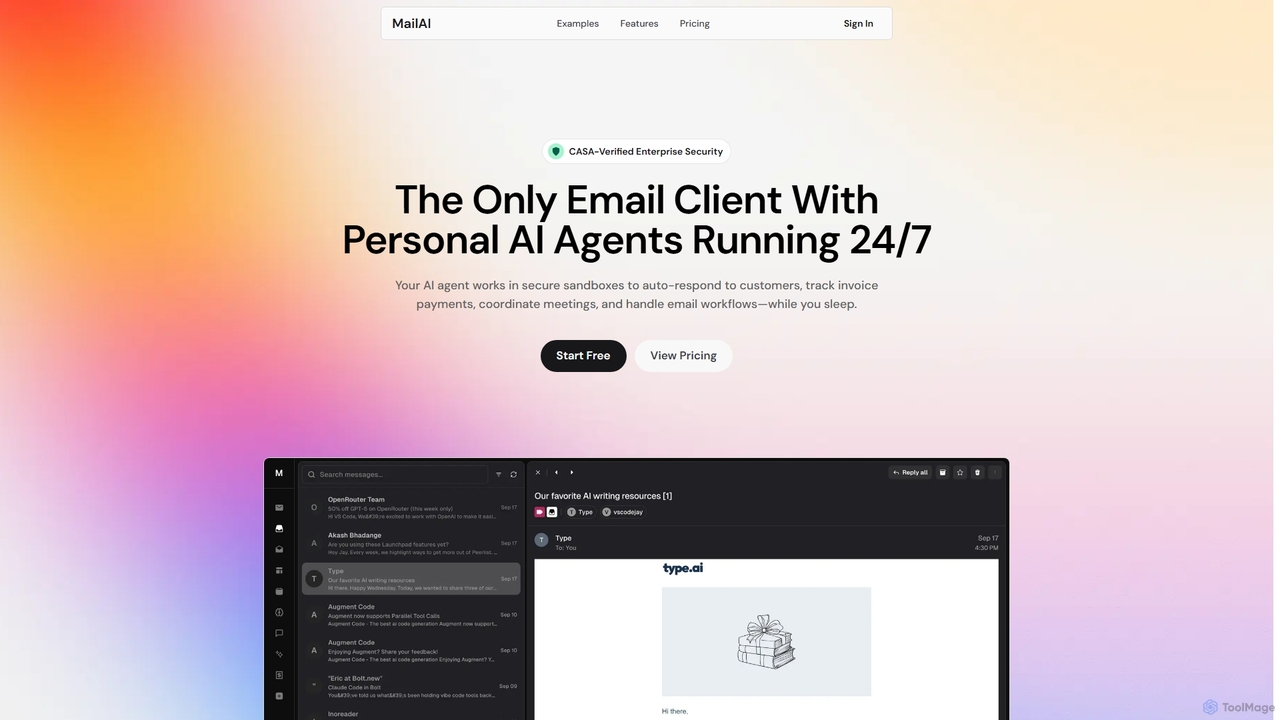
MailAI is an advanced AI email assistant that deploys personal AI agents to automate email management 24/7. Operating …

3.4K
Folderr

Folderr

Folderr is an AI-powered platform that automates file management and document organization. It intelligently sorts, tags, and categorizes …

3.3K
Envole

Envole

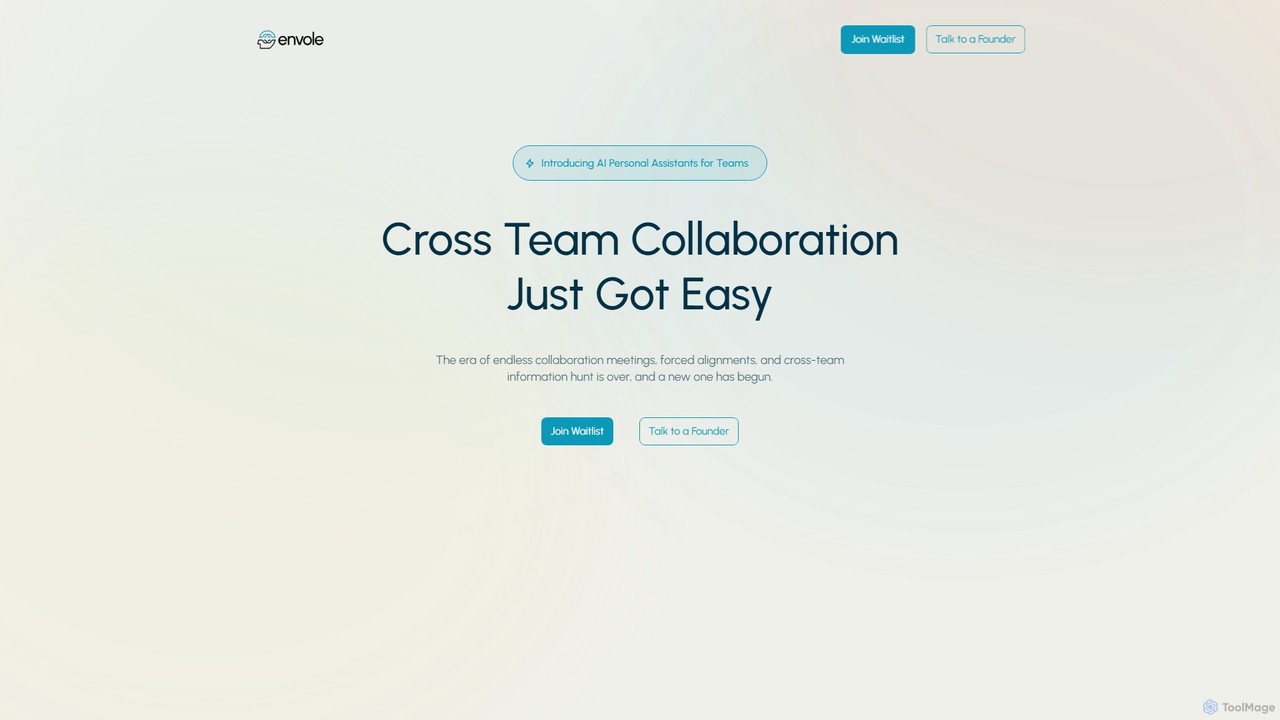
Envole provides dedicated AI Personal Assistants for teams, designed to streamline cross-team collaboration. It automates workflows, syncs tools …

4.3K
Breezemail

Breezemail

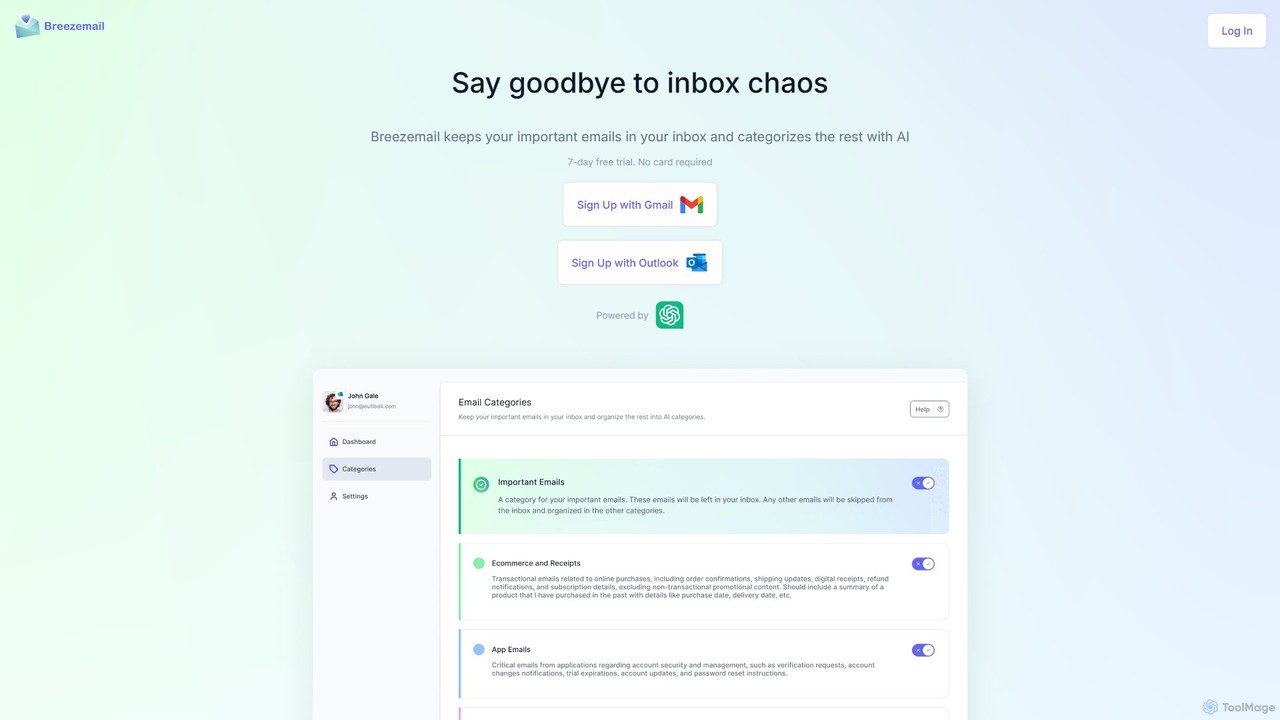
Breezemail is an AI-powered email organizer that automatically categorizes your emails in Gmail and Outlook. By creating custom, …

3.9K
Notability

Notability

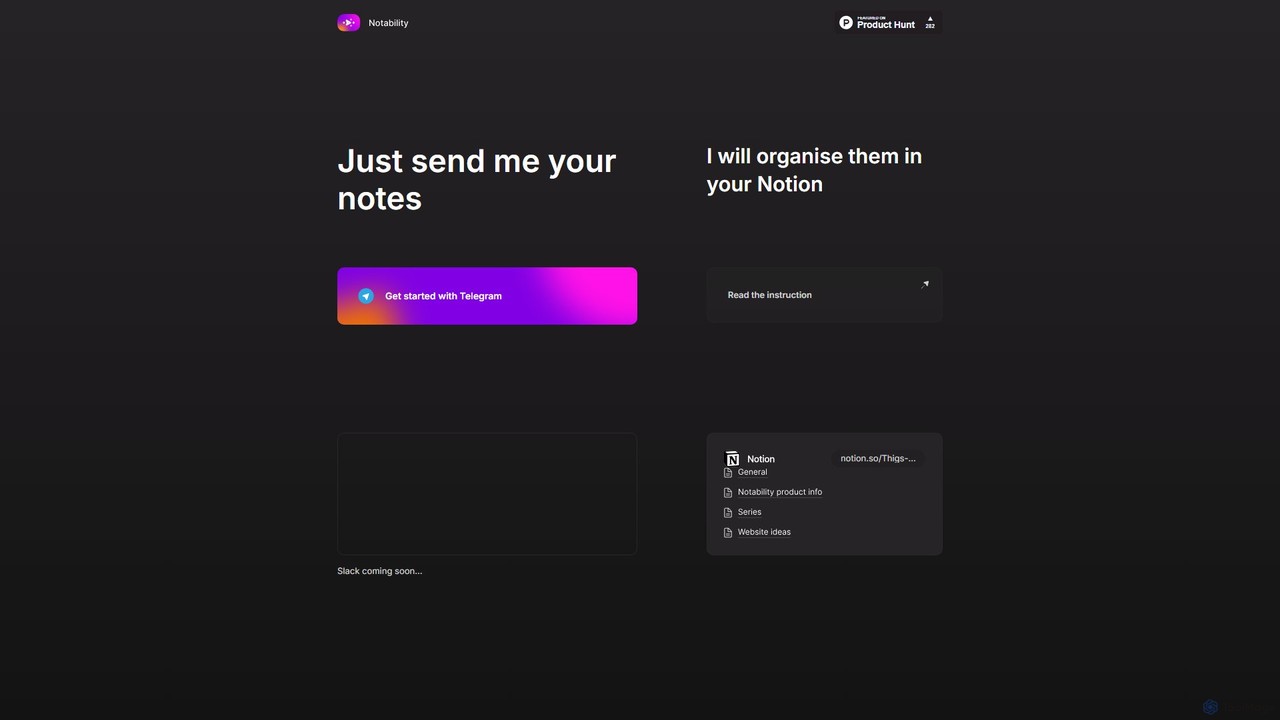
Notability is an AI-powered assistant that streamlines your workflow by automatically organizing notes from Telegram directly into your …

3.3K
4149

4149

4149 is a pioneering platform that provides proactive AI teammates. These autonomous agents are designed to take initiative, …

3.3K
Zappr.AI

Zappr.AI

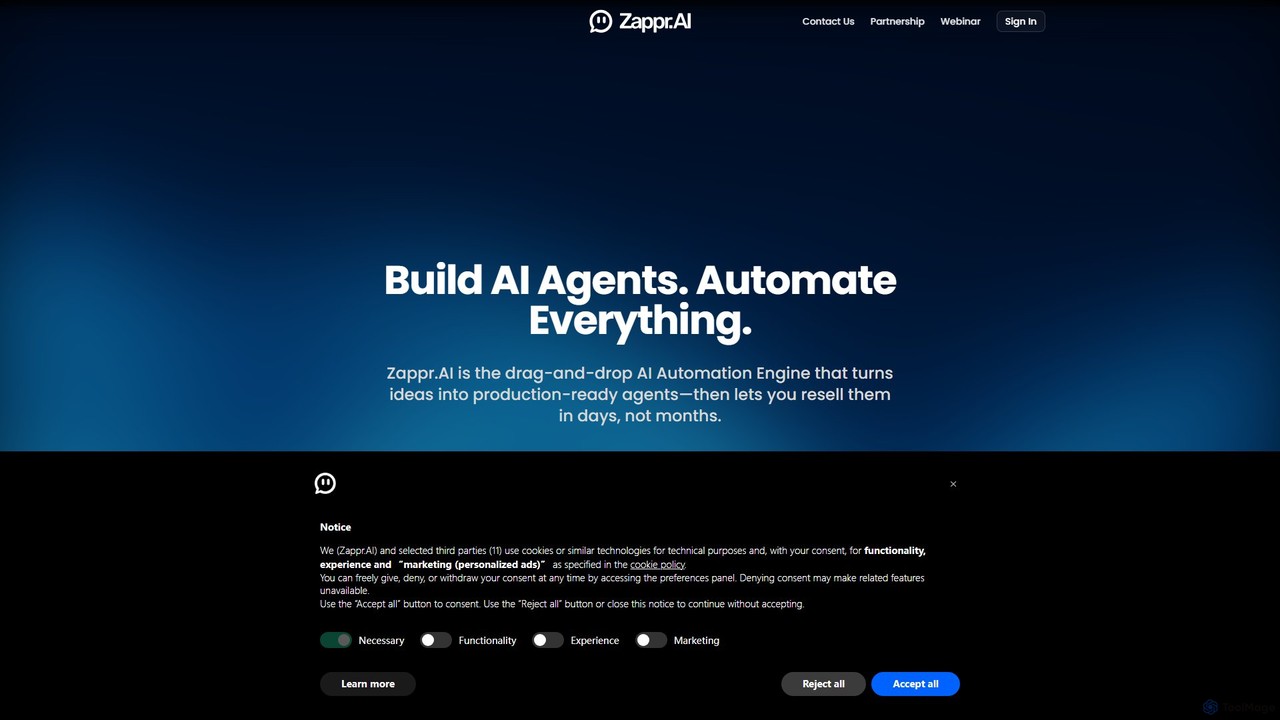
Zappr.AI is a no-code, drag-and-drop AI automation engine that enables businesses to build, deploy, and resell production-ready AI …

5.0K

About Workflow Automation

Workflow Automation is a category of AI-powered tools designed to streamline and optimize repetitive business processes by automating tasks. These tools leverage artificial intelligence, machine learning, and robotic process automation (RPA) to intelligently execute predefined sequences of actions, adapt to changing conditions, and make data-driven decisions. By automating routine operations, Workflow Automation tools significantly enhance operational efficiency, reduce human error, and free up valuable human resources for more strategic initiatives across various departments.

Core Features

  • Intelligent Task Orchestration: Automatically sequences and executes tasks based on predefined rules and real-time data inputs.
  • AI-Powered Decision Making: Utilizes machine learning to analyze data, predict outcomes, and make autonomous decisions within workflows.
  • System Integration: Connects disparate applications and platforms (CRM, ERP, HRIS) to ensure seamless data flow and process execution.
  • Process Monitoring & Analytics: Provides real-time visibility into workflow performance, identifies bottlenecks, and offers insights for continuous improvement.
  • Adaptive Learning: Learns from past interactions and outcomes to refine automation rules and improve efficiency over time.

Use Cases

Organizations across industries utilize Workflow Automation to transform their operations. For instance, in customer service, these tools can automate ticket routing, initial query responses, and follow-up communications. In human resources, they streamline employee onboarding, benefits enrollment, and leave request approvals. Finance departments benefit from automated invoice processing, expense report reconciliation, and compliance checks, significantly reducing manual effort and increasing accuracy.

How to Choose

When selecting a Workflow Automation tool, consider its integration capabilities with your existing tech stack, ensuring seamless data exchange. Evaluate the level of AI intelligence offered, particularly for decision-making and adaptive learning features. Assess the scalability to handle growing process volumes and the ease of use for non-technical users. Finally, compare pricing models and vendor support to align with your budget and operational needs.

Workflow AutomationUse Cases

1

Automate Customer Support Ticket Routing

Customer service teams often face high volumes of incoming support tickets. Workflow Automation tools can automatically categorize tickets based on keywords, sentiment, or customer history, and then route them to the most appropriate agent or department. This ensures faster response times, reduces manual triage effort, and improves customer satisfaction by connecting customers with the right expert immediately, leading to a more efficient support operation.

2

Streamline Employee Onboarding Processes

HR departments can leverage Workflow Automation to streamline the complex employee onboarding journey. From sending welcome emails and collecting necessary documents to setting up IT accounts and assigning training modules, these tools can orchestrate all steps automatically. This ensures a consistent and efficient onboarding experience for new hires, reduces administrative burden on HR staff, and accelerates time-to-productivity for new employees, improving overall organizational efficiency.

3

Automate Data Entry and Synchronization Across Systems

Many businesses struggle with manual data entry and ensuring data consistency across multiple systems like CRM, ERP, and marketing platforms. Workflow Automation tools can automatically extract data from one system, transform it if necessary, and then input it into another, or synchronize changes across all connected platforms. This eliminates tedious manual work, drastically reduces data entry errors, and ensures that all departments operate with the most current and accurate information, leading to better decision-making.

4

Optimize Marketing Campaign Execution

Marketing teams can use Workflow Automation to streamline campaign execution, from content scheduling and social media posting to email drip campaigns and lead nurturing. These tools can automatically publish content at optimal times, segment audiences based on engagement, and trigger personalized follow-up emails. This ensures consistent brand messaging, maximizes campaign reach and effectiveness, and allows marketers to focus on strategy and creativity rather than repetitive manual tasks, boosting ROI.

5

Automate Financial Reporting and Reconciliation

Finance departments often spend significant time on repetitive tasks like data extraction from various sources, report generation, and reconciliation of accounts. Workflow Automation tools can automate these processes by collecting data from ERP systems, spreadsheets, and banking platforms, then generating accurate financial reports and flagging discrepancies for review. This drastically reduces the time spent on manual reconciliation, minimizes errors, ensures compliance, and allows finance professionals to focus on strategic analysis rather than data crunching.

6

Optimize IT Operations and Incident Management

IT departments can significantly benefit from Workflow Automation in managing routine operations and incident response. These tools can automate server monitoring, alert generation for system anomalies, and even trigger initial troubleshooting steps or escalate issues to the right team based on predefined rules. This leads to faster incident resolution, proactive problem identification, reduced downtime, and frees up IT staff from repetitive monitoring tasks, allowing them to focus on more complex system improvements and security.

Workflow AutomationFrequently Asked Questions