Legal Best in category 17 results Document Analysis AI Tool

Popular AI tools in the Document Analysis field of Legal include Legora、Tavrn、Hebbia、Legalyze、InsureSmart、WhatLetter、LawBotica、LawFair、Leya、Ghostie, etc., helping you quickly improve efficiency.

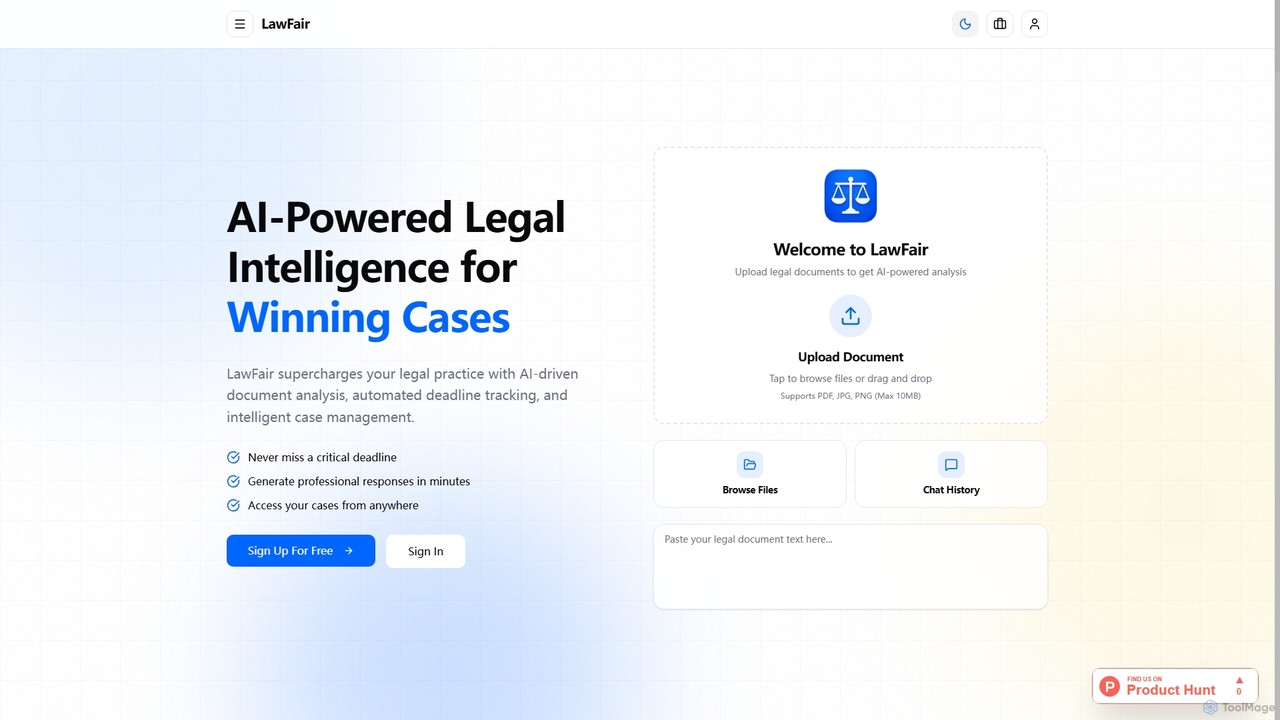
LawFair

LawFair

LawFair is an AI-powered legal intelligence platform designed to streamline case management, document analysis, and legal document generation …

2.9K
Lexreval

Lexreval

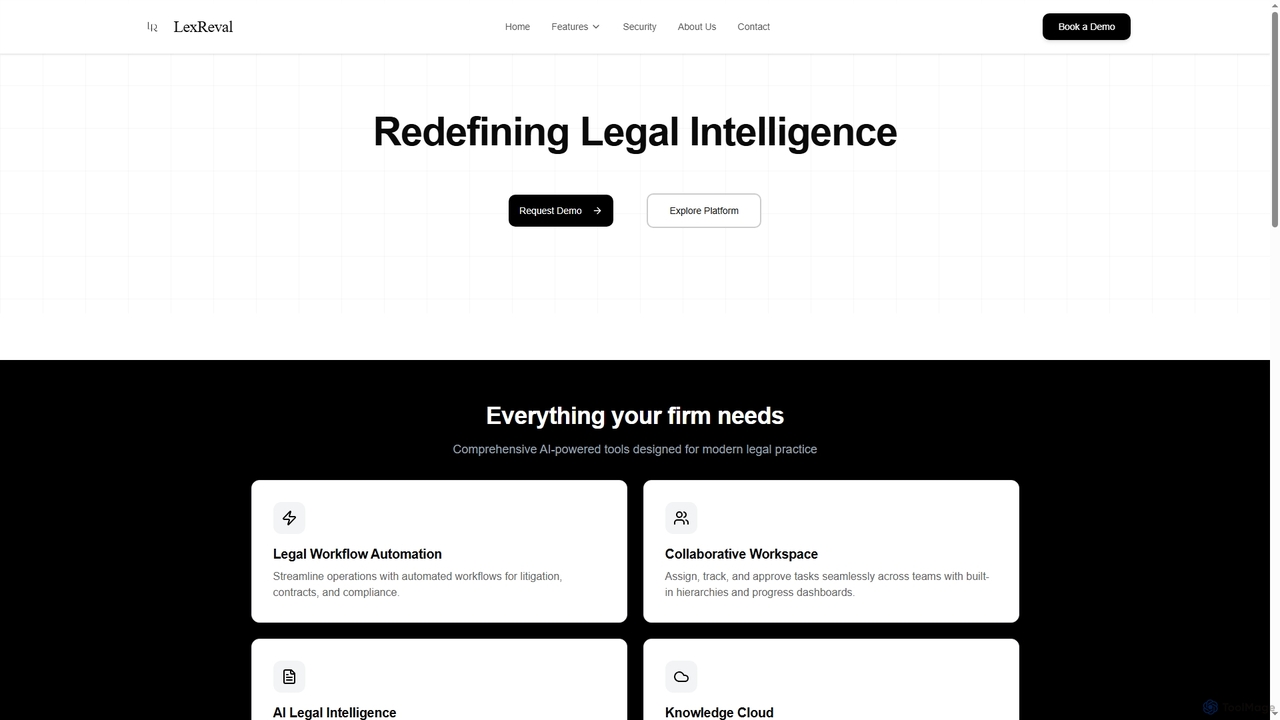
Lexreval is a comprehensive AI-powered platform designed for modern legal practices. It streamlines legal operations through workflow automation, …

2.8K
Hebbia

Hebbia

Hebbia is an advanced AI platform for finance, law, and enterprise sectors. It excels at analyzing vast amounts …

13.5K
Leya

Leya

Leya is a collaborative AI platform designed for lawyers to enhance legal workflows. It streamlines document review, accelerates …

2.9K
Secinsights

Secinsights

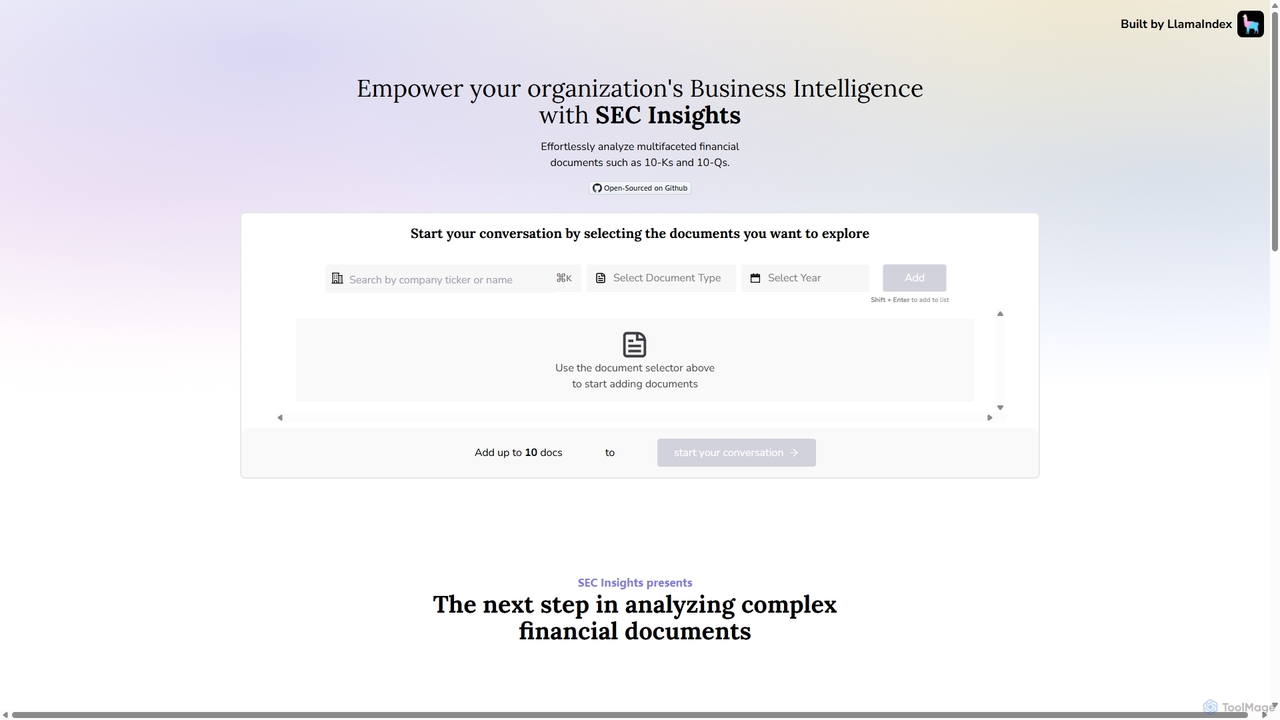
Secinsights is an AI-powered platform designed for in-depth analysis of SEC financial documents. Built by LlamaIndex, it allows …

2.8K
InsureSmart

InsureSmart

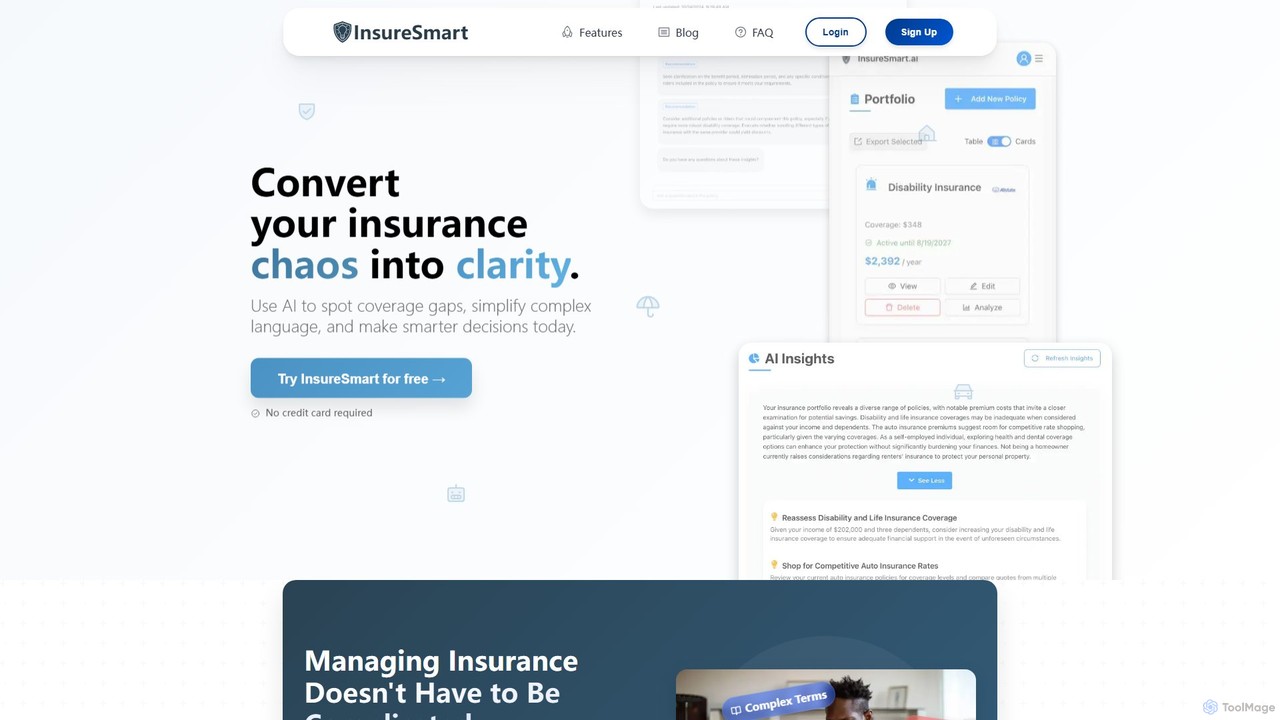
InsureSmart is an AI-powered insurance management platform that simplifies your policies. It consolidates all your insurance (health, auto, …

4.0K
Tavrn

Tavrn

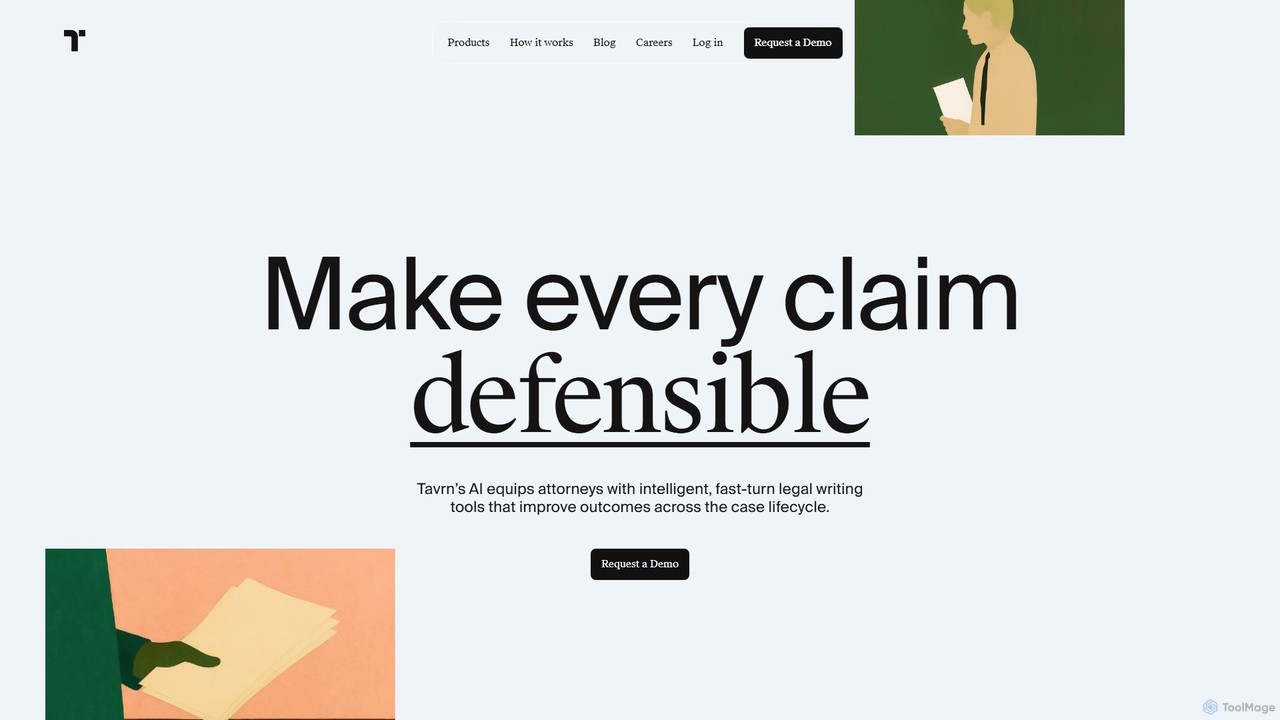
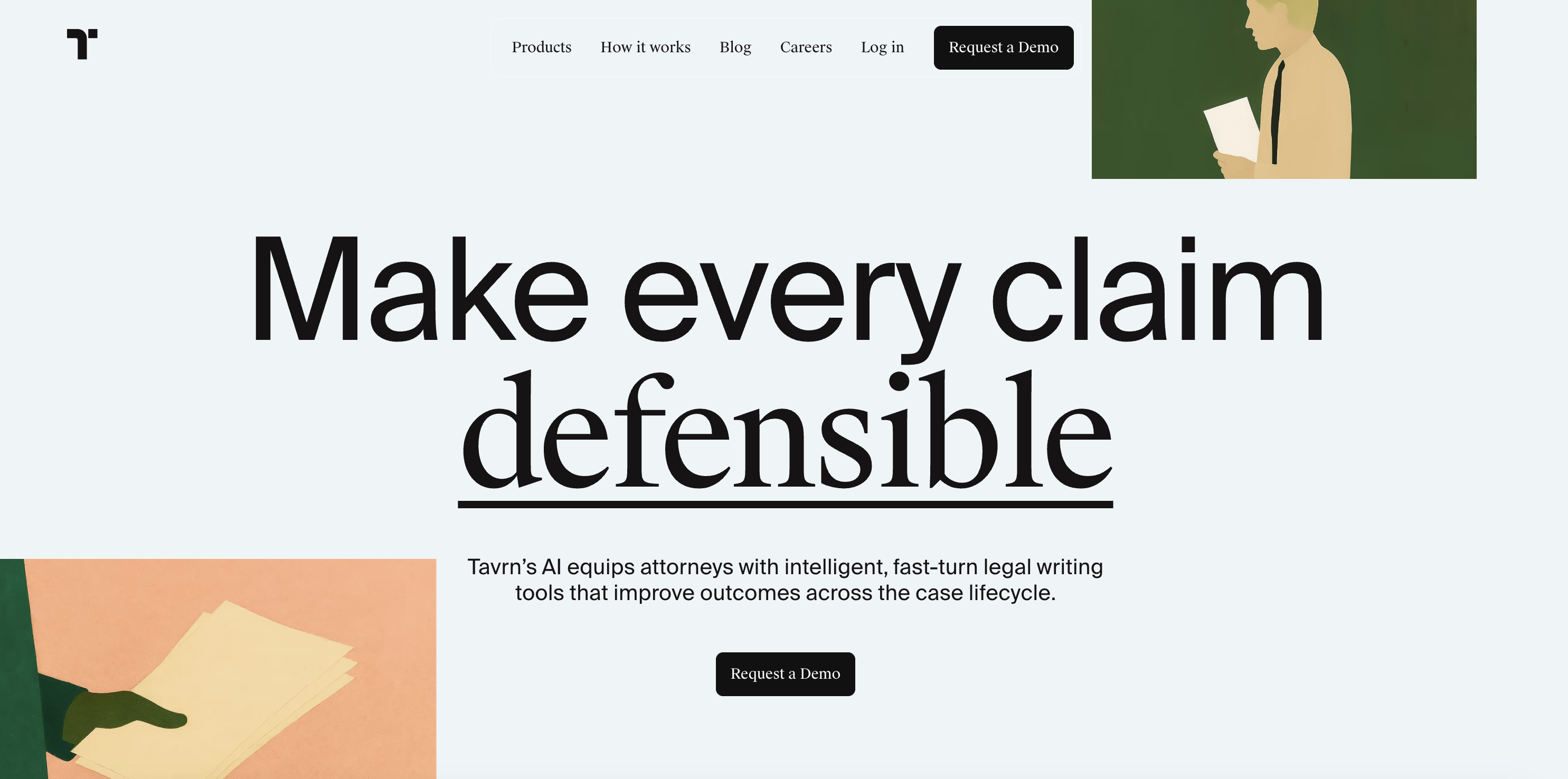
Tavrn is an AI-powered platform designed for attorneys and law firms to streamline legal workflows. It specializes in …

20.3K
Legalyze

Legalyze

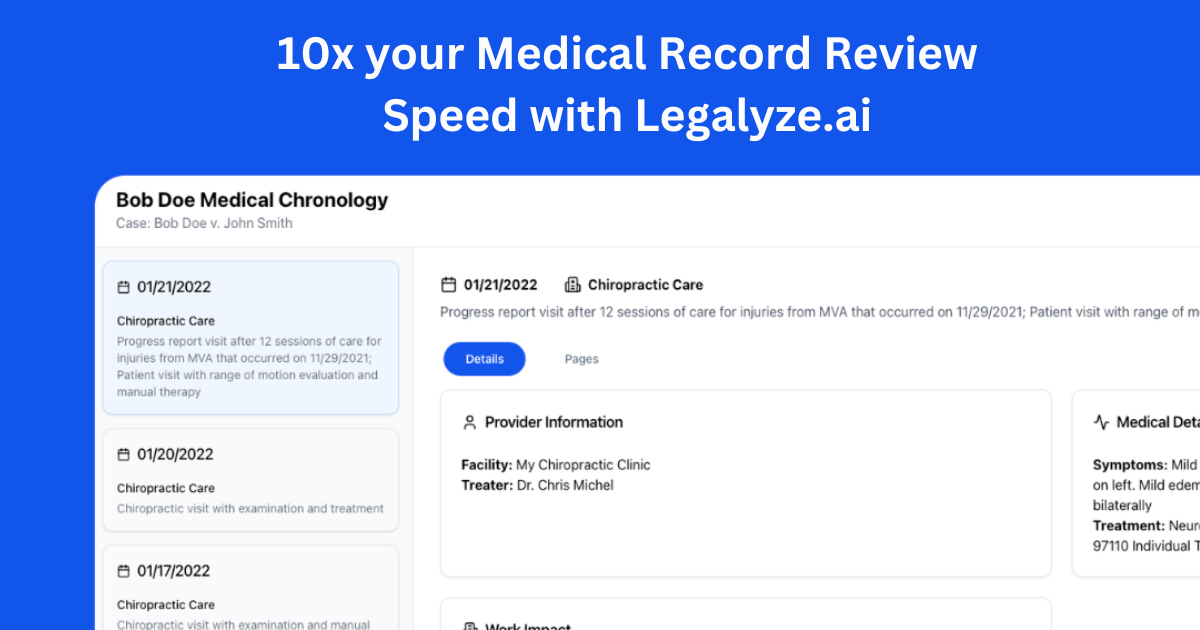
Legalyze is an AI-powered platform designed for law firms to accelerate medical record review by up to 10x. …

5.2K
Maxime Tools

Maxime Tools

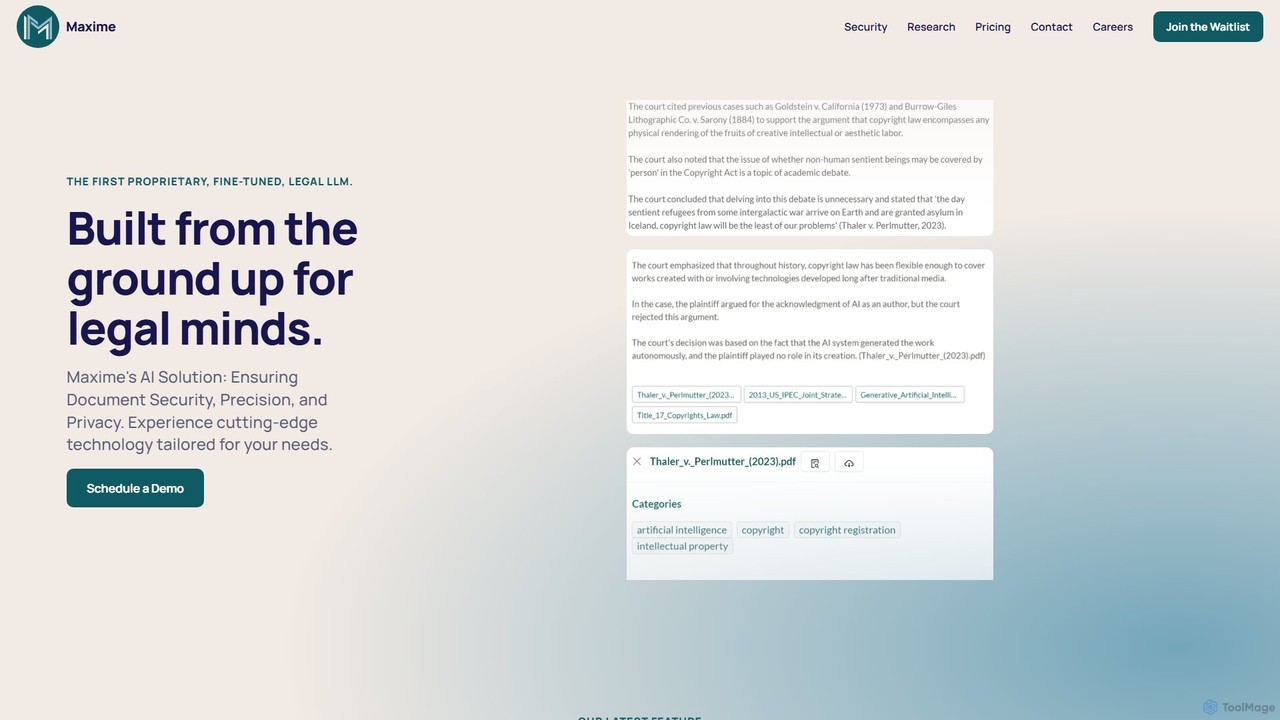
Maxime Tools is a secure, proprietary AI copilot designed specifically for legal professionals. It leverages a fine-tuned legal …

2.8K
Legora

Legora

Legora is a collaborative AI platform designed for lawyers to accelerate document review, enhance legal research, and draft …

525.5K
HiddenGPT

HiddenGPT

HiddenGPT is a private and secure AI chat platform designed for confidential conversations. It offers enterprise-grade privacy, ensuring …

2.7K
LawBotica

LawBotica

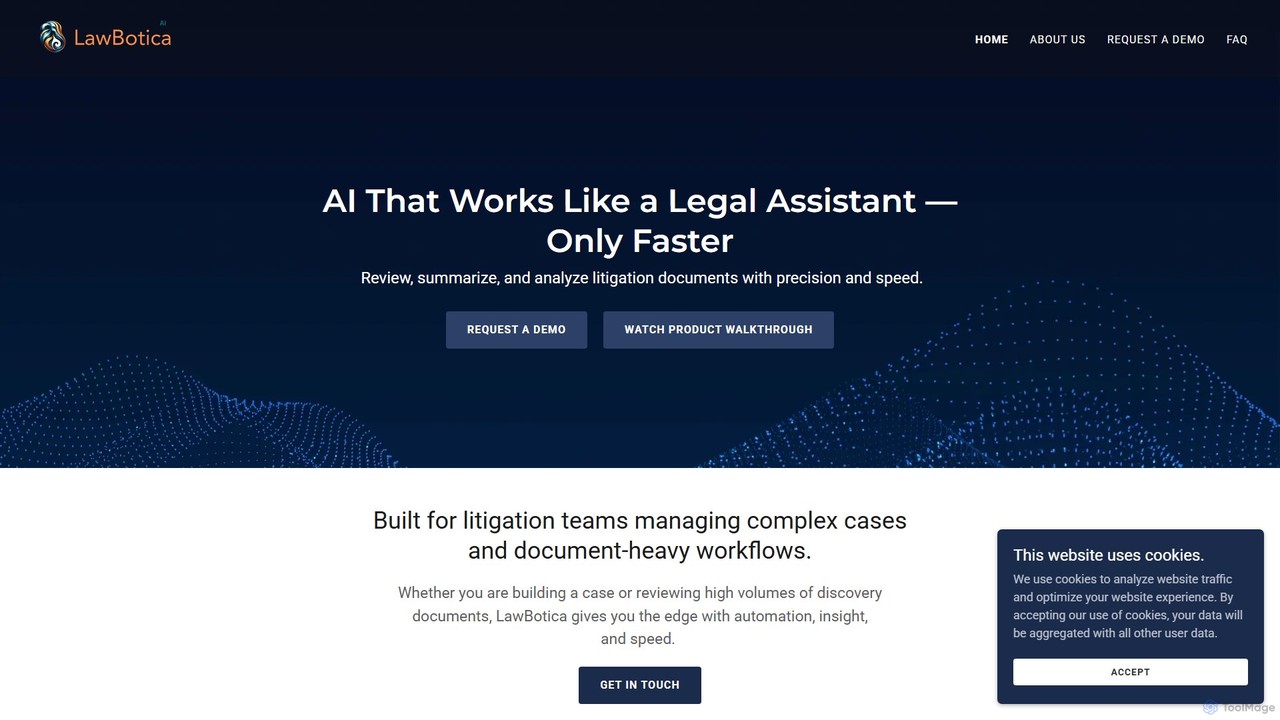
LawBotica is an AI-powered legal assistant designed for litigation teams. It streamlines document-heavy workflows by automating the review, …

2.9K
legalysis

legalysis

An AI-powered platform designed for legal professionals to analyze documents, conduct in-depth legal research, and review contracts with …

2.8K
JuriFlow

JuriFlow

JuriFlow is an AI-powered personal lawyer that provides affordable and instant legal assistance. Upload any legal document to …

2.8K
Ghostie

Ghostie

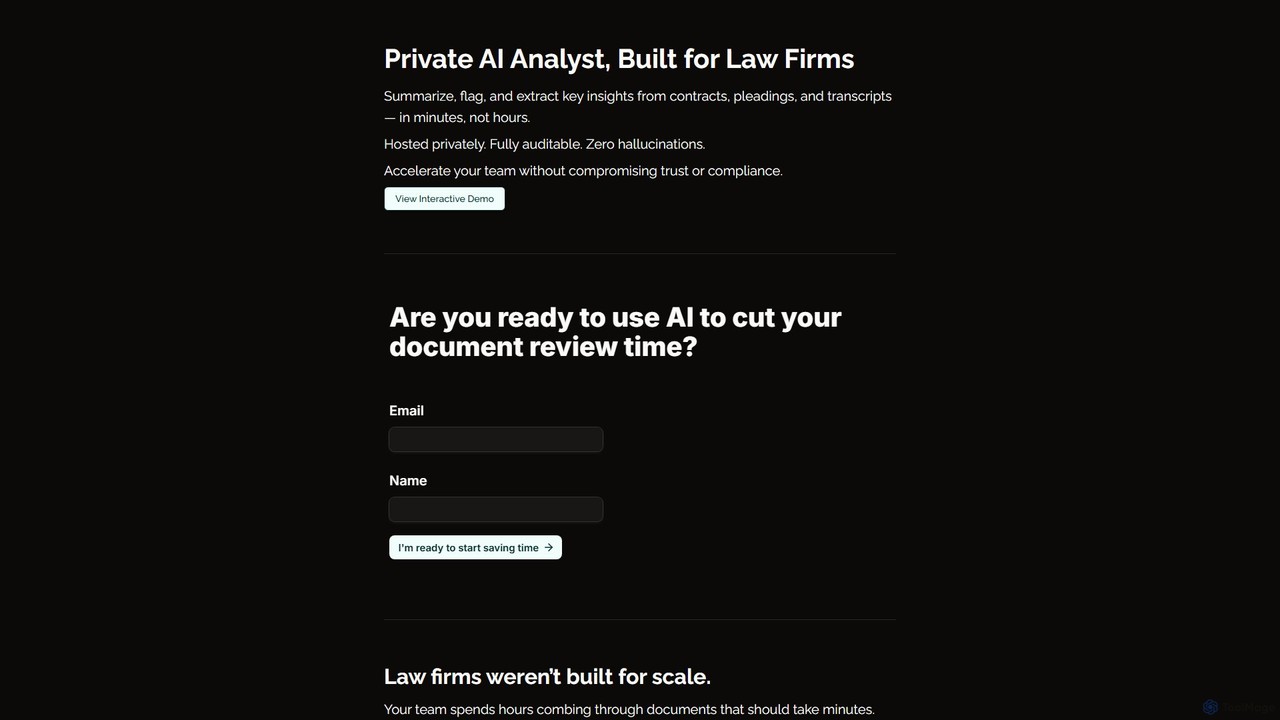
Ghostie is a private, on-premise AI analyst designed for law firms. It securely summarizes legal documents, flags risks …

2.8K
WhatLetter

WhatLetter

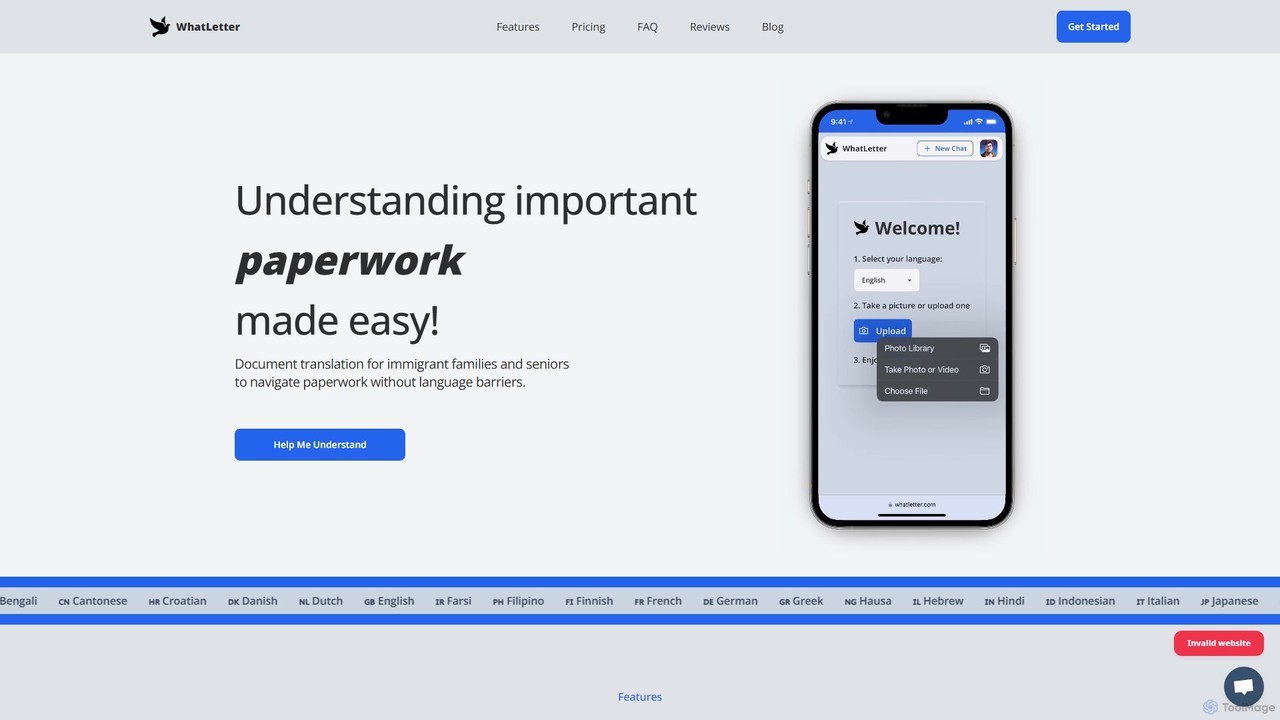
WhatLetter is an AI-powered document translator designed to eliminate language barriers. Simply snap a photo of any document, …

3.1K
remko

remko

remko is an AI-driven platform designed to streamline professional document creation. It assists users in drafting emails, memos, …

2.8K

About Document Analysis

Document Analysis tools are AI-powered platforms designed to automatically extract, interpret, and structure information from legal and business documents. Leveraging Natural Language Processing (NLP) and Optical Character Recognition (OCR), these tools can understand complex text, identify key data points, and analyze clauses within contracts, reports, and filings. Their primary value lies in drastically reducing the time and effort required for manual document review, enhancing accuracy in due diligence, and uncovering critical insights from vast volumes of unstructured data. As a specialized area within Legal AI, they focus specifically on the deep semantic understanding of document content.

Core Features

  • Automated Data Extraction: Automatically identifies and extracts key information such as names, dates, monetary values, and specific legal terms from documents.
  • Clause Identification & Classification: Recognizes and categorizes standard and non-standard clauses (e.g., liability, termination, confidentiality) across large document sets.
  • Risk Analysis & Anomaly Detection: Scans documents for potentially risky language, deviations from standard templates, or missing clauses.
  • Semantic Search: Enables users to search for concepts and meanings across thousands of documents, not just exact keywords.
  • Document Comparison: Intelligently compares different versions of a document to highlight substantive changes beyond simple text differences.

Applicable Scenarios

These tools are essential for law firms, corporate legal departments, and compliance teams. They are frequently used in M&A due diligence to rapidly review target company contracts, in e-discovery to identify relevant evidence, and in contract lifecycle management to ensure compliance and manage obligations. Financial institutions also use them for regulatory analysis and loan agreement processing.

Selection Criteria

When choosing a Document Analysis tool, consider the accuracy of its AI models for your specific document types. Evaluate its integration capabilities with your existing case management or document storage systems. Assess the security protocols and compliance certifications (like SOC 2 or GDPR) to ensure data confidentiality. Finally, consider the user interface's intuitiveness and the level of customization available for extraction and analysis rules.

Document AnalysisUse Cases

1

Accelerate M&A Due Diligence

A corporate lawyer at a firm handling a major acquisition needs to review thousands of contracts from the target company within a tight deadline. Instead of manual review, they upload the entire data room to a Document Analysis platform. The AI automatically identifies and flags critical clauses like 'Change of Control', 'Indemnification', and non-standard liability terms. The lawyer can then focus their review on these high-risk documents, generating a comprehensive risk report in days instead of weeks, significantly reducing manual labor and minimizing oversight risk.

2

Streamline e-Discovery Document Review

During litigation, a paralegal is tasked with sifting through a massive dataset of 500,000 documents to find evidence relevant to the case. Using a Document Analysis tool with semantic search capabilities, they can search for concepts like 'fraudulent intent' or 'knowledge of defect' instead of just keywords. The tool clusters related documents, identifies key entities and communication patterns, and prioritizes the most relevant files for human review. This process reduces the volume of documents for manual review by over 80%, saving significant time and costs associated with the discovery phase.

3

Automate Contract Compliance Audits

A compliance officer at a large corporation is responsible for ensuring that all third-party vendor contracts adhere to internal policies and regulatory requirements like GDPR. They use a Document Analysis tool to scan a repository of over 10,000 active contracts. The tool is configured to flag any contract that lacks a specific data privacy clause, has an auto-renewal term exceeding one year, or contains liability caps below the company's minimum threshold. This automated audit identifies non-compliant contracts in hours, allowing the team to proactively address risks and renegotiate terms.

4

Extract Key Data from Lease Agreements

A commercial real estate firm manages a portfolio of over 5,000 property leases. Manually tracking key dates and financial terms is prone to error. They implement a Document Analysis tool to process all lease agreements. The AI extracts critical data points like commencement dates, expiration dates, renewal options, rent escalation clauses, and tenant responsibilities. This structured data is then automatically populated into their property management software, creating a reliable, centralized database that enables proactive lease management and accurate financial forecasting.

5

Analyze Regulatory Change Impact

A financial institution's legal team needs to assess the impact of a new, complex 500-page regulation on their internal policies and client agreements. They use a Document Analysis tool to first ingest and summarize the new regulation, identifying key obligations and deadlines. Then, they run the tool across their library of thousands of internal policy documents and contract templates. The AI cross-references the new regulatory requirements with existing text, highlighting areas that require updates and generating a prioritized list of documents to be amended, ensuring timely compliance.

6

Manage Intellectual Property Portfolios

An in-house counsel at a tech company manages a large portfolio of patents and licensing agreements. To assess the strength of their IP and identify potential risks, they use a Document Analysis tool. The AI scans all agreements to extract key terms such as royalty rates, exclusivity clauses, field-of-use restrictions, and termination rights. This creates a structured overview of the entire portfolio, enabling the counsel to quickly identify conflicting licenses, track royalty payment obligations, and prepare for strategic negotiations or litigation by having all critical data readily accessible.

Document AnalysisFrequently Asked Questions