HashCam
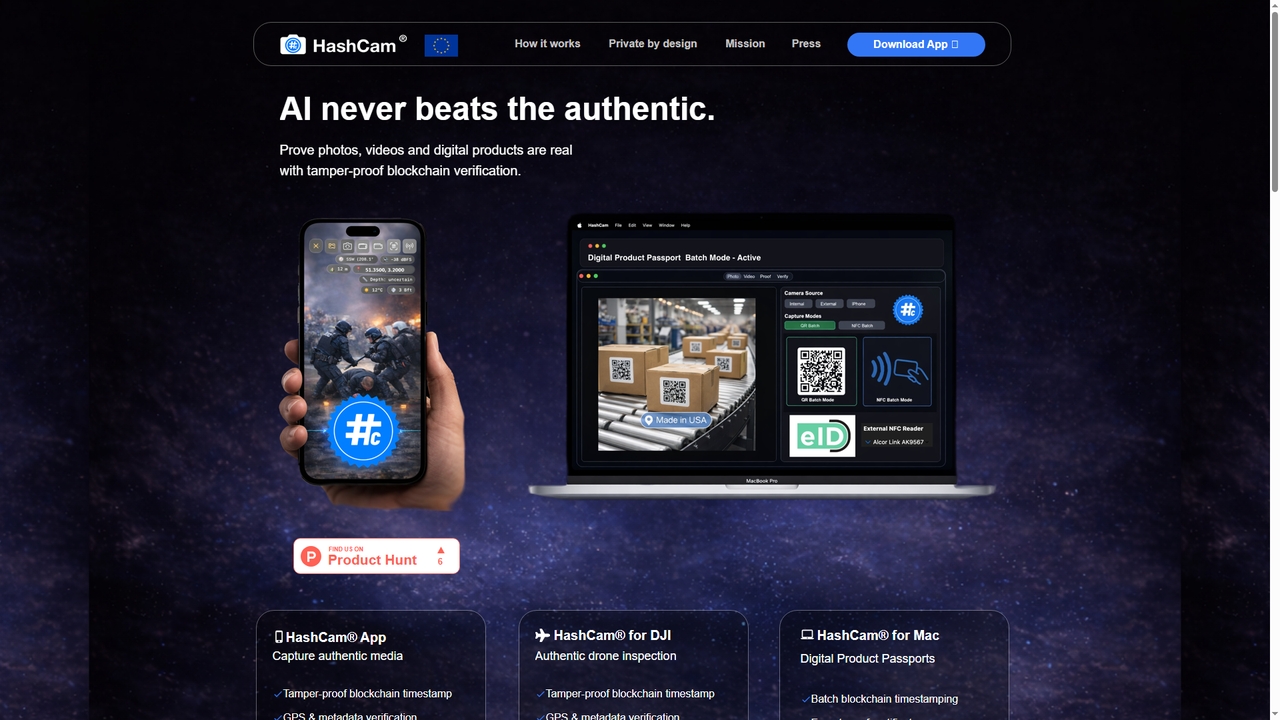
HashCam is a blockchain-based verification tool that provides tamper-proof authenticity proof for photos, videos, and digital products. By …
HashCam is a blockchain-based verification tool that provides tamper-proof authenticity proof for photos, videos, and digital products. By capturing media directly on the device with embedded GPS, metadata, and an immutable blockchain timestamp, it solves the trust deficit in the age of AI-generated content. It offers solutions for mobile (iOS), drone (DJI), and desktop (Mac) workflows, ensuring privacy by design without cloud uploads.
EasyScribe
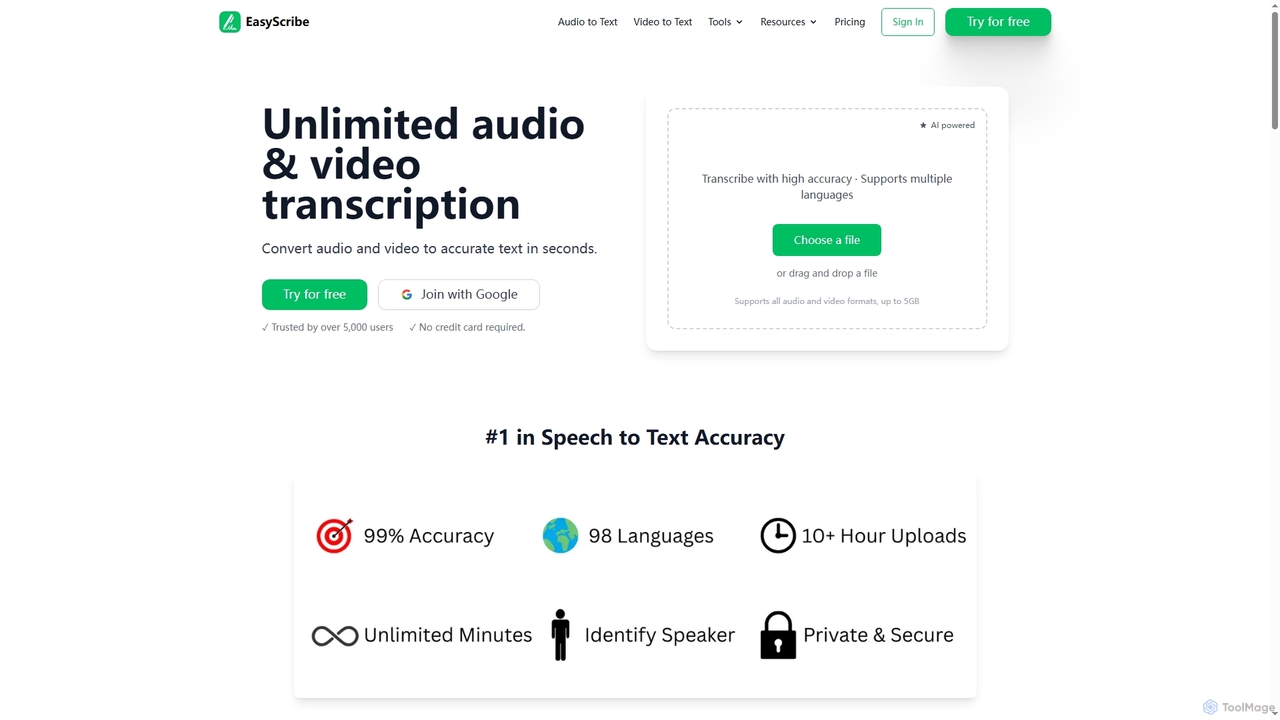
EasyScribe is an AI-powered transcription tool that converts audio and video files into accurate text in seconds. It …
EasyScribe is an AI-powered transcription tool that converts audio and video files into accurate text in seconds. It supports 98+ languages, offers speaker identification, and allows translation to 134+ languages, making it ideal for global communication and content creation.
BestInterest
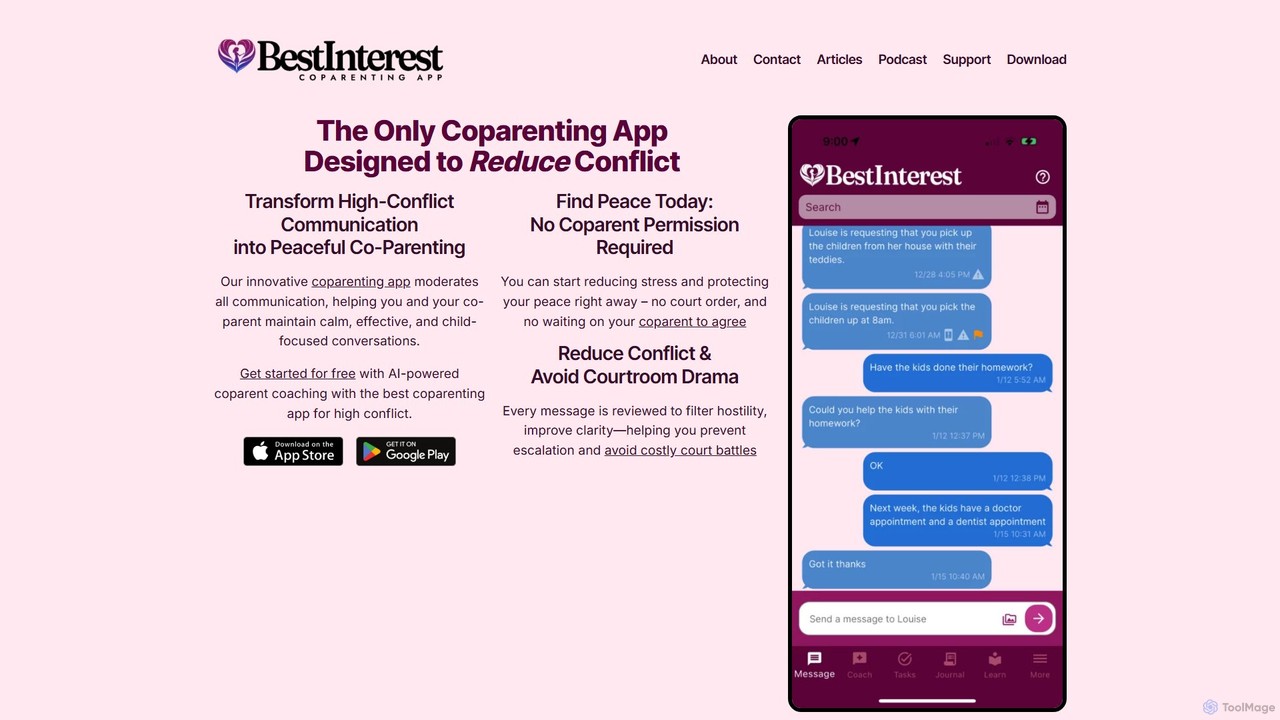
BestInterest is an AI-powered co-parenting app designed for high-conflict situations. It moderates communication by filtering hostile language, provides …
BestInterest is an AI-powered co-parenting app designed for high-conflict situations. It moderates communication by filtering hostile language, provides real-time coaching for child-focused responses, and maintains unalterable records for legal purposes. Its unique 'Solo Mode' allows one parent to use it without the other's consent, transforming stressful communication into peaceful collaboration.
About Documentation
AI-powered Documentation tools are specialized solutions designed to automate and enhance the creation, management, and analysis of legal documents. Leveraging advanced natural language processing (NLP) and machine learning, these tools streamline complex legal workflows. Their primary value lies in reducing manual errors, ensuring regulatory adherence, and significantly improving efficiency in handling sensitive legal texts. This category specifically focuses on intelligent document processing within the legal domain.
Core Features
- Automated Document Generation: Create contracts, agreements, and policies from templates with AI assistance, ensuring legal accuracy.
- Content Analysis & Review: Identify key clauses, risks, and inconsistencies in vast legal documents quickly and precisely.
- Compliance Monitoring: Automatically check documents against specific legal and regulatory standards to ensure adherence.
- Version Control & Management: Securely track changes, manage document lifecycles, and maintain audit trails for legal texts.
- Legal Research Integration: Link relevant statutes, case law, and precedents directly within documents for contextual understanding.
Applicable Scenarios
Law firms, corporate legal departments, and compliance officers utilize these tools to manage their extensive documentation needs. They are crucial for tasks requiring high accuracy and adherence to legal standards, such as drafting complex contracts or reviewing regulatory filings. These tools support legal professionals in maintaining a robust and compliant documentation framework.
How to Choose
When selecting an AI Documentation tool, consider the specific legal document types it supports (e.g., contracts, patents, regulatory filings). Evaluate its AI accuracy and customization capabilities for legal jargon and firm-specific data. Assess integration with existing legal tech systems like DMS or e-discovery platforms, and prioritize robust security and data privacy features compliant with legal standards.
DocumentationUse Cases
Automated Contract Drafting
Legal professionals in corporate legal departments or law firms can use AI documentation tools to automatically draft standard contracts like Non-Disclosure Agreements (NDAs) or service agreements. By inputting key parameters and clauses, the AI generates a legally sound draft, significantly reducing the time spent on repetitive drafting tasks and ensuring consistency across documents. This allows lawyers to focus on more complex legal analysis.
Regulatory Compliance Document Review
Compliance teams within regulated industries (e.g., finance, healthcare) leverage AI documentation tools to review vast amounts of internal policies and procedures against new or updated regulatory requirements. The AI can quickly identify discrepancies, missing clauses, or areas needing revision to ensure the organization's documentation remains fully compliant, mitigating potential legal risks and penalties.
Patent Application Preparation
Intellectual Property (IP) lawyers can leverage AI documentation tools to assist in drafting patent claims and specifications. The AI helps ensure consistency in terminology, identifies potential prior art references, and checks for completeness across complex technical documents. This streamlines the laborious process of preparing patent applications, enhancing accuracy and reducing the likelihood of rejections due to formal errors.
Litigation Document Analysis
Legal teams involved in litigation can use AI documentation tools to quickly review and analyze vast amounts of discovery documents. The AI can identify relevant evidence, flag key terms, extract entities, and pinpoint potential liabilities or inconsistencies across thousands of pages. This significantly accelerates the discovery phase, allowing lawyers to build stronger cases more efficiently.
Policy & Procedure Manual Creation
Corporate legal departments can utilize AI documentation tools to create and update internal policies (e.g., data privacy, HR policies) and procedure manuals. The AI ensures legal accuracy, consistency in language, and adherence to corporate governance standards across all internal documentation. This helps maintain a unified and compliant operational framework for the entire organization.
Client Onboarding Document Generation
Law firms can automate the creation of client intake forms, engagement letters, and consent forms using AI documentation tools. The AI personalizes these documents based on client and case specifics, ensuring all necessary legal disclosures and agreements are accurately included. This streamlines the client onboarding process, improves client experience, and reduces administrative overhead for legal staff.