Carbonfact
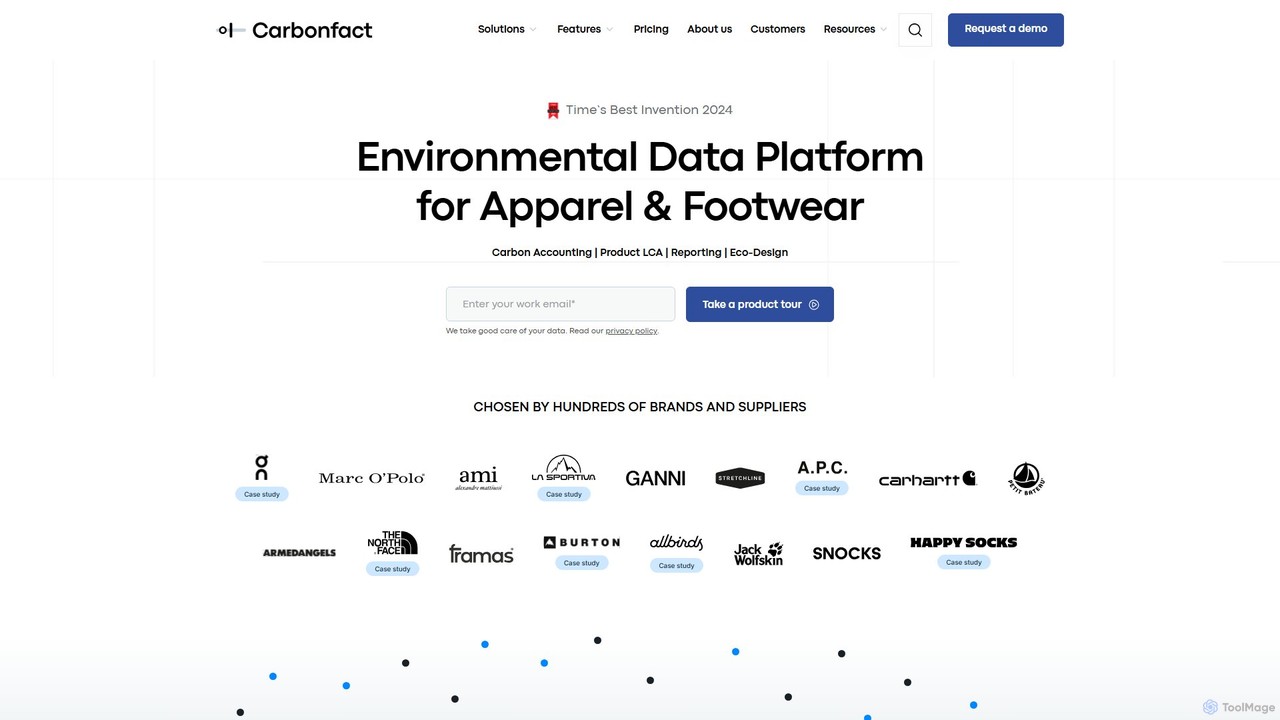
Carbonfact is an AI-powered sustainability platform specifically for the apparel and footwear industry. It automates carbon accounting, product …
Carbonfact is an AI-powered sustainability platform specifically for the apparel and footwear industry. It automates carbon accounting, product life cycle assessments (LCAs), and compliance reporting, helping brands accurately measure, manage, and reduce their environmental impact across complex supply chains.
Green Bio Tech
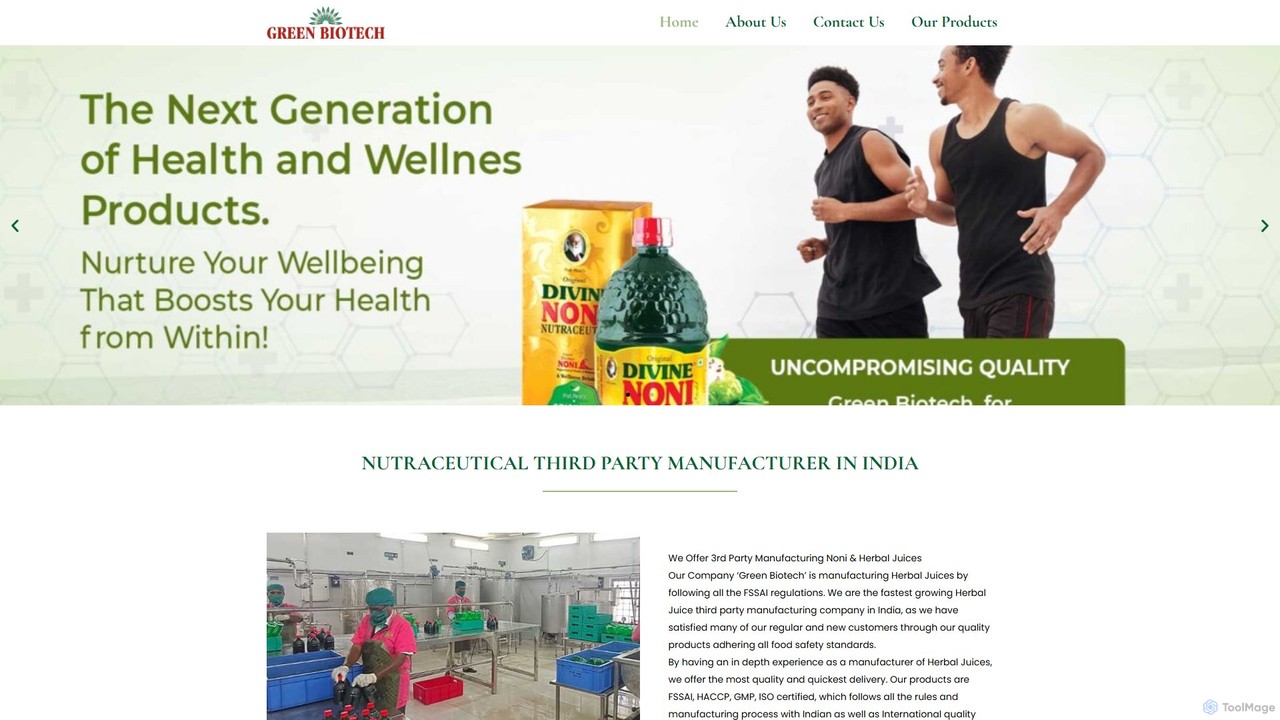
Green Bio Tech is an AI-powered platform for the nutraceutical industry, specializing in the development and third-party manufacturing …
Green Bio Tech is an AI-powered platform for the nutraceutical industry, specializing in the development and third-party manufacturing of herbal products. It leverages AI for formulation optimization, real-time quality control, and supply chain management, enabling businesses to efficiently create certified, high-purity supplements like their flagship Divine Noni juice.
Tangle
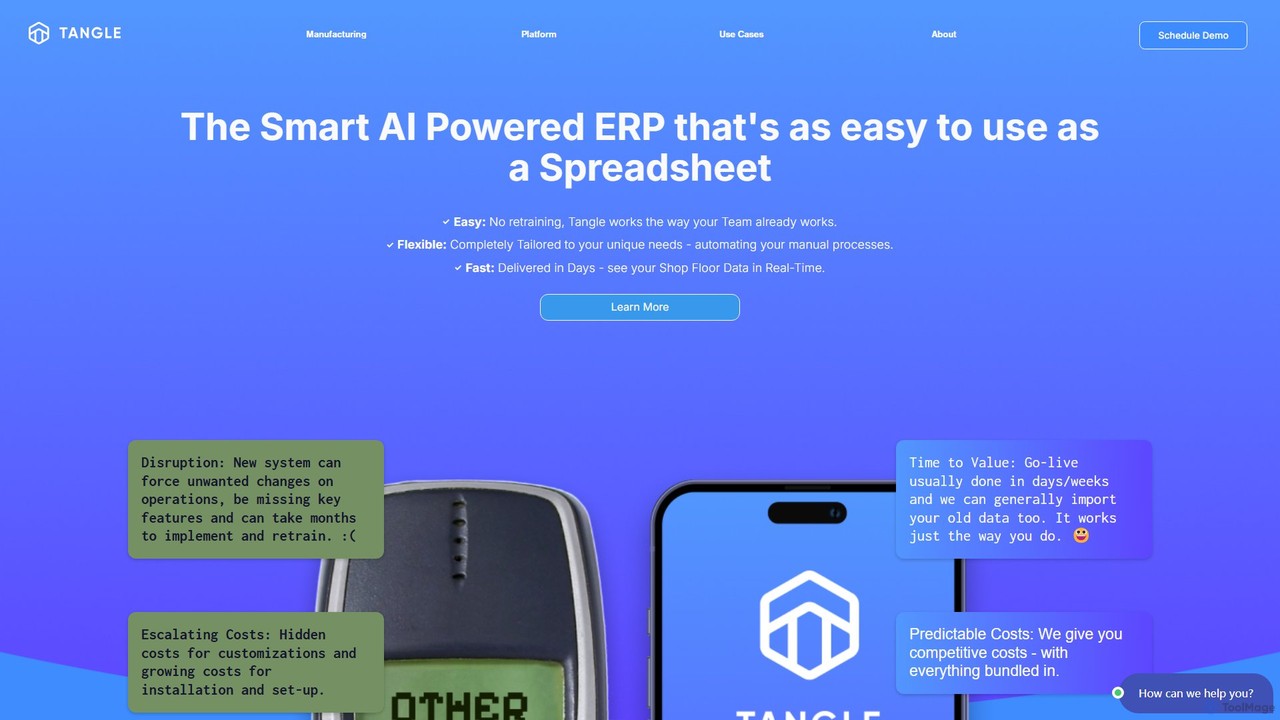
Tangle is an AI-powered Manufacturing ERP platform designed to be as flexible and easy to use as a …
Tangle is an AI-powered Manufacturing ERP platform designed to be as flexible and easy to use as a spreadsheet. It automates manual processes, provides real-time shop floor visibility, and is tailored to the unique needs of manufacturing businesses. Tangle streamlines operations from quoting to cash, including inventory, scheduling, and production management, without the disruption of traditional ERP systems.
About Supply Chain Management
AI Supply Chain Management tools are specialized platforms that use artificial intelligence to optimize and automate supply chain operations. These tools leverage machine learning, predictive analytics, and IoT data to analyze complex datasets in real-time. They provide actionable insights for demand forecasting, inventory optimization, logistics planning, and risk mitigation. Within the manufacturing sector, these tools are crucial for building resilient, agile, and cost-effective supply networks from raw material procurement to final product delivery.
Core Features
- Predictive Demand Forecasting: Utilizes historical data and external factors to generate highly accurate demand predictions.
- Inventory Optimization: Employs algorithms to recommend optimal stock levels, reducing carrying costs and preventing stockouts.
- Intelligent Route Planning: Dynamically optimizes logistics and delivery routes based on traffic, weather, and vehicle capacity.
- Supplier Risk Assessment: Monitors global events and supplier performance data to proactively identify potential disruptions.
- Automated Procurement: Streamlines the purchasing process by automating reordering based on predictive analytics.
Use Cases
These tools are essential for industries with complex logistics, such as manufacturing, retail, CPG, and pharmaceuticals. Supply chain managers, logistics coordinators, and procurement specialists use them to gain end-to-end visibility. For example, an automotive manufacturer can track parts from thousands of global suppliers in real-time, while a retail company can optimize stock distribution across its stores based on localized demand forecasts.
How to Choose
When selecting an AI Supply Chain Management tool, consider its integration capabilities with your existing ERP and WMS systems. Evaluate the sophistication of its predictive models and whether it offers modules specific to your needs (e.g., logistics, inventory). Also, assess the platform's scalability to handle growing data volumes and the quality of its data visualization for turning insights into decisions.

Supply Chain ManagementUse Cases
Predictive Demand Forecasting for Seasonal Products
A demand planner for a fashion retail company needs to accurately forecast sales for the upcoming winter collection. Using an AI Supply Chain Management tool, they analyze historical sales data, social media trends, competitor activities, and long-range weather forecasts. The AI model identifies complex patterns and predicts which items will be bestsellers with over 90% accuracy. This allows the company to optimize production orders, reducing overstock of unpopular items by 30% and preventing stockouts of popular coats and boots, maximizing revenue during the peak season.
Real-time Logistics and Route Optimization
A logistics manager for a national distribution company oversees a fleet of 200 trucks. The AI platform integrates with GPS data, traffic reports, and weather services. It dynamically re-routes drivers in real-time to avoid congestion, accidents, or severe weather. The system also optimizes delivery sequences for each truck to minimize travel distance and time. As a result, the company achieves a 15% reduction in fuel costs, improves on-time delivery rates to 98%, and increases the number of deliveries per truck each day.
AI-Powered Inventory and Warehouse Management
A warehouse manager for a large e-commerce company uses an AI system to optimize inventory placement. The tool analyzes order data to identify products that are frequently purchased together and suggests placing them closer to each other and to packing stations. It also automates reorder points for thousands of SKUs by predicting demand and lead times. This leads to a 25% faster order picking time, a 20% reduction in inventory holding costs, and ensures that 99.5% of top-selling products are always in stock.
Proactive Supplier Risk Assessment
A procurement manager at a global electronics manufacturer needs to ensure a stable supply of critical components. Their AI SCM tool continuously scans millions of data points, including news articles, financial reports, shipping lane data, and weather alerts. The system flags a key supplier in Southeast Asia showing signs of financial distress and facing potential port closures due to an upcoming typhoon. This early warning allows the manager to proactively increase orders from an alternative supplier in Mexico, preventing a production line shutdown that could have cost millions.
Automating Quality Control in Manufacturing
A quality assurance manager in an automotive plant implements an AI-powered visual inspection system. Cameras on the assembly line capture high-resolution images of engine components. The AI model, trained on thousands of images of good and defective parts, instantly identifies microscopic cracks or assembly errors that are invisible to the human eye. This automated process inspects 100% of components in real-time, reduces the defect rate by 75%, and prevents costly recalls associated with faulty parts entering the final product.
Optimizing Pharmaceutical Cold Chain Logistics
A logistics coordinator for a pharmaceutical company is responsible for transporting temperature-sensitive vaccines. They use an AI SCM platform that integrates with IoT sensors on shipping containers. The AI monitors temperature and humidity in real-time, predicting potential breaches before they occur based on weather forecasts and route analysis. If a risk is detected, it automatically alerts the team and suggests corrective actions, such as rerouting or adjusting container settings. This ensures 100% compliance with regulatory standards and prevents the spoilage of life-saving medicines.