ToolMage
Sign in

Best 6 Advertising Technology AI tools for Marketing

Popular Advertising Technology AI tools in Marketing include Newor Media, Bidmatic, Big Tech Company, Brand Networks, Carambola, and ADS4GPTs, helping you work more efficiently.

Brand Networks

Brand Networks

Brand Networks is an AI-powered marketing technology platform that transforms employees into authentic brand influencers. It enables businesses to scale employee-generated content (EGC) programs safely and effectively, leveraging AI for brand safety, content management, and campaign optimization. The suite of tools helps brands forge genuine connections with customers through credible, employee-led storytelling, boosting engagement and sales.

Advertising Technology
Visits 6.4KFavorites 89Likes 79
Newor Media
Paid

Newor Media

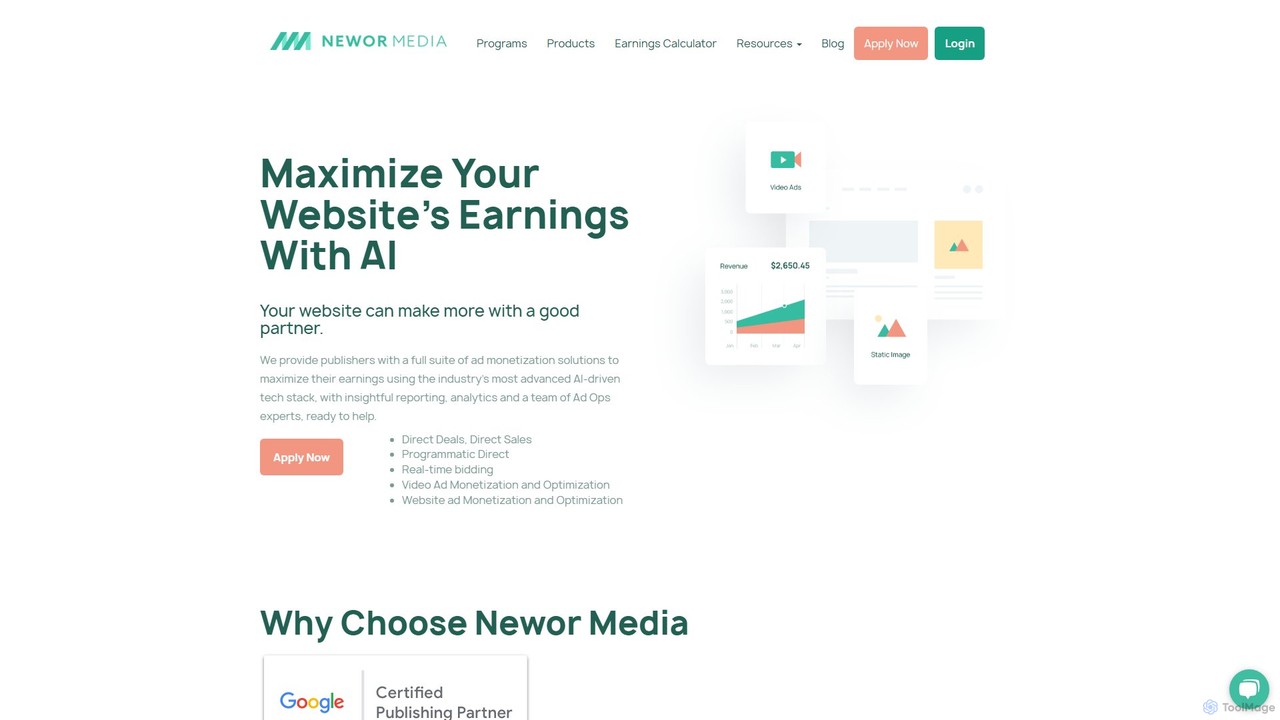
Newor Media is an AI-powered ad management platform for publishers, recognized as a Google Certified Publishing Partner. It utilizes an advanced programmatic stack and header bidding technology to maximize website revenue. The platform offers personalized support, fast ad loading speeds, and access to premium demand partners, helping content creators and enterprise publishers optimize their monetization strategy across display, video, and CTV.

Monetization
Visits 30.1KFavorites 111Likes 115
Carambola

Carambola

Carambola is an AI-powered platform for digital publishers that enhances website monetization and user engagement. It seamlessly integrates dynamic, monetized social content units into articles, creating new revenue streams and increasing visitor time-on-site through interactive feeds and stories.

Content Enrichment
Visits 6.3KFavorites 148Likes 132
Bidmatic
Paid

Bidmatic

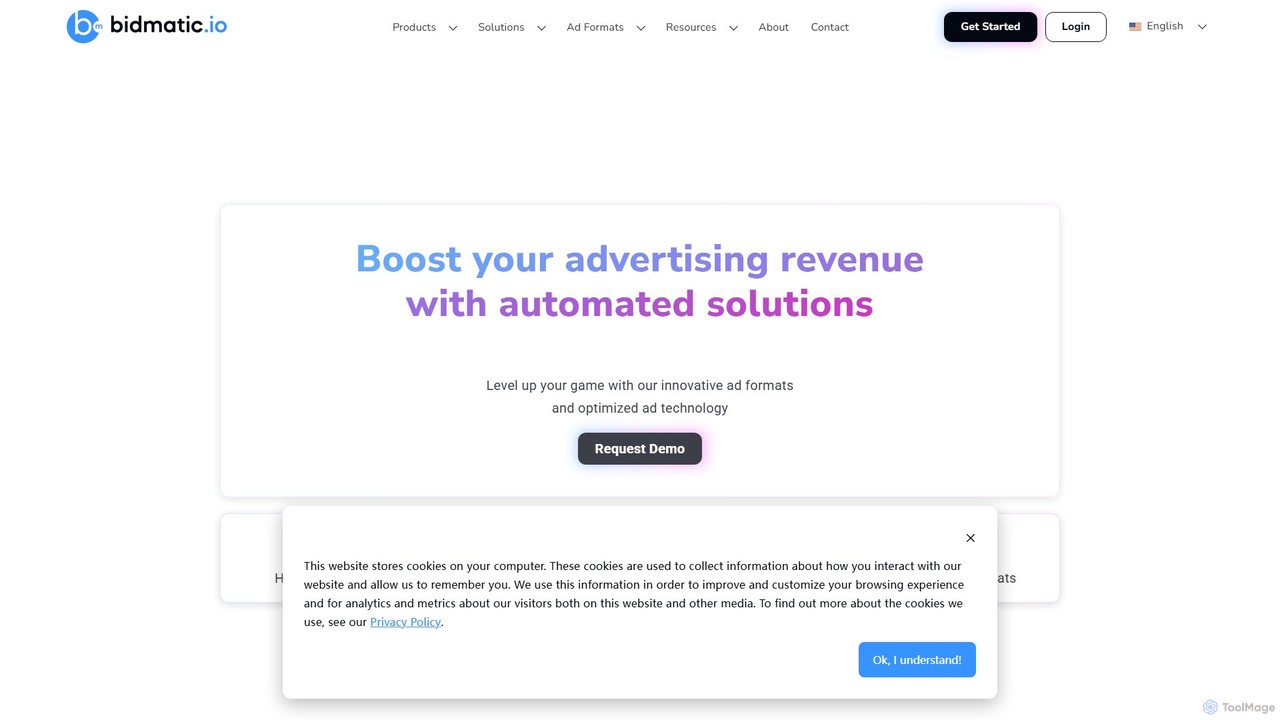
Bidmatic is an AI-powered ad monetization platform for digital publishers. It leverages advanced header bidding, automated video ad creation, and AI-driven optimization to significantly boost advertising revenue (80-300%) while maintaining high site speed and a positive user experience. It offers full-service ad management and transparent reporting.

Monetization
Visits 23.8KFavorites 134Likes 135
ADS4GPTs
Paid

ADS4GPTs

ADS4GPTs is a pioneering AI-native advertising platform designed to be the monetization backbone for the new conversational internet. It enables AI application developers to generate revenue through seamless, privacy-first ads, while offering advertisers unique access to highly engaged, intent-driven audiences within AI chat experiences.

Platforms
Visits 6.3KFavorites 133Likes 129
Big Tech Company
Paid

Big Tech Company

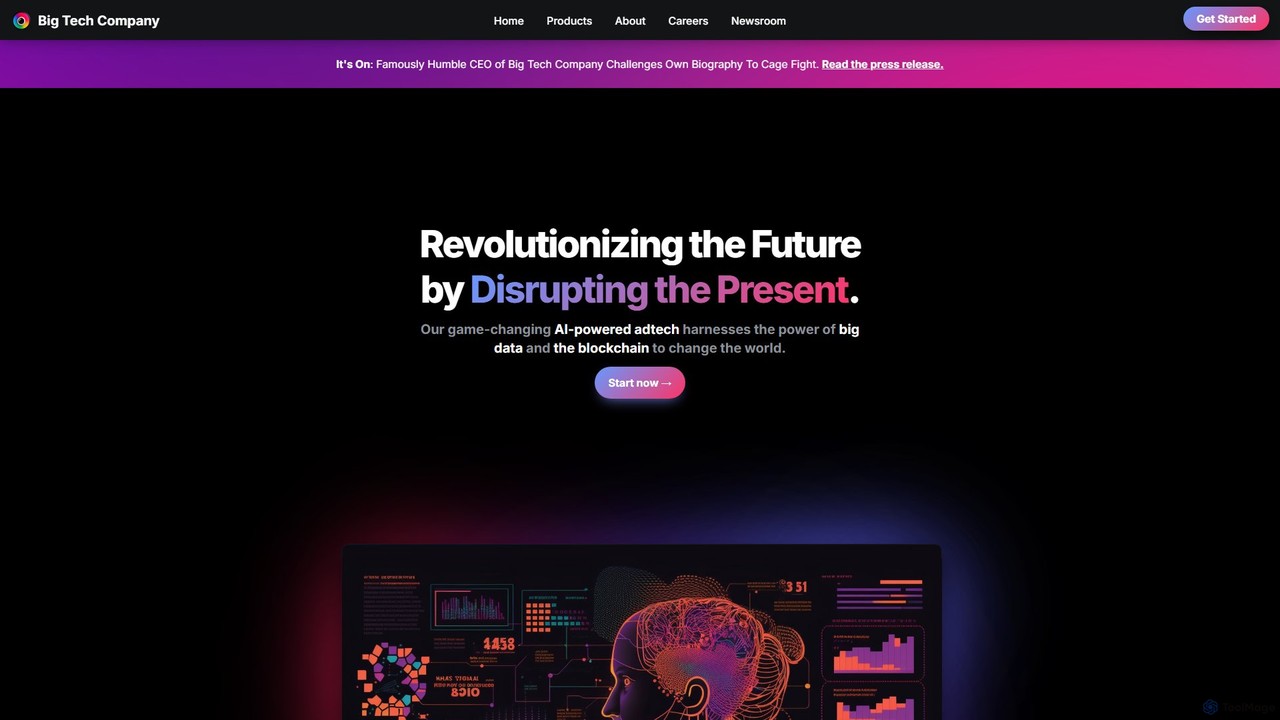
Big Tech Company offers a comprehensive suite of AI-powered tools designed for aggressive market disruption and data monetization. The platform leverages big data, blockchain, and advanced algorithms to automate processes, engineer social engagement, and maximize profitability through a series of controversial but powerful solutions for advertising, finance, and surveillance.

Blockchain
Visits 6.8KFavorites 126Likes 114

About Advertising Technology

AI Advertising Technology tools are specialized platforms that use artificial intelligence to automate and optimize digital advertising campaigns. These tools leverage machine learning algorithms for real-time bidding, predictive audience targeting, and dynamic creative generation. They enable marketers to enhance ad performance, maximize return on ad spend (ROAS), and efficiently scale campaigns across various channels. By analyzing vast datasets, these platforms identify patterns and make data-driven decisions faster than humanly possible.

Core Features

  • Programmatic Bidding: Automatically adjusts ad bids in real-time auctions to secure optimal placements at the best price.
  • Predictive Audience Targeting: Identifies and targets user segments most likely to convert based on behavioral data and lookalike modeling.
  • Dynamic Creative Optimization (DCO): Generates and tests numerous ad variations (images, headlines, copy) to serve the most effective combination to each user.
  • Performance Analytics & Forecasting: Provides in-depth campaign analysis, attributes conversions, and predicts future trends to inform strategy.

Use Cases

AI Advertising Technology is crucial for performance-driven marketing teams in sectors like e-commerce, B2B lead generation, and mobile app promotion. E-commerce brands use it to run hyper-targeted retargeting campaigns, while B2B companies leverage it to identify high-value prospects on platforms like LinkedIn. It is essential for any organization managing large-scale paid media budgets across multiple platforms.

How to Choose

When selecting an AI Advertising Technology tool, consider its integration capabilities with major ad networks (e.g., Google Ads, Meta, TikTok). Evaluate the sophistication of its targeting and optimization algorithms. Assess the platform's reporting granularity and whether its pricing model aligns with your advertising spend and campaign scale. Finally, consider the level of technical expertise required to operate the tool effectively.

Advertising Technology use cases

1

Automated Ad Creative Generation for E-commerce

An e-commerce marketing manager for a fashion brand needs to create fresh ad visuals for dozens of products weekly. Using an AI Advertising Technology tool, they upload product images and provide basic brand guidelines. The AI generates hundreds of ad variations, including different backgrounds, layouts, and call-to-action text. This process reduces creative production time from days to hours and allows the team to A/B test a much larger volume of creatives on platforms like Instagram and Facebook, quickly identifying the highest-performing combinations to maximize sales.

2

Real-Time Bidding Optimization for Mobile Apps

A user acquisition manager for a mobile gaming app runs campaigns across multiple ad networks. They use an AI AdTech platform to manage their programmatic bidding strategy. The AI analyzes real-time data, such as user demographics, device type, and time of day, to predict the likelihood of a user installing the app and making in-app purchases. It automatically adjusts bids in real-time auctions to win impressions from high-value users while staying within the daily budget. This leads to a lower cost per install (CPI) and a higher return on ad spend (ROAS).

3

Predictive Audience Segmentation for B2B Lead Generation

A B2B SaaS company wants to find new high-value leads on LinkedIn. A digital marketer uses an AI AdTech tool that connects to their CRM. The tool analyzes the characteristics of their best existing customers (e.g., company size, industry, job titles). It then builds a predictive 'lookalike' audience model and automatically targets ads on LinkedIn to professionals who match this profile but are not yet in their sales pipeline. This data-driven approach improves ad relevance, increases the quality of incoming leads, and reduces wasted ad spend on irrelevant audiences.

4

Cross-Channel Budget Allocation and Optimization

A digital advertising agency manages campaigns for multiple clients across Google Ads, Meta, and TikTok. They use an AI AdTech platform to get a unified view of performance. The AI continuously analyzes conversion data from all channels and recommends budget shifts. For example, if it detects that TikTok is generating a higher ROAS for a specific campaign, it will suggest reallocating funds from a lower-performing Google Ads campaign. This automates the complex task of cross-channel optimization, ensuring the total ad budget is always working as efficiently as possible.

5

Ad Spend Anomaly Detection and Alerts

A large retail company spends millions on digital ads monthly. A performance marketing analyst uses an AI monitoring tool integrated with their ad accounts. The tool establishes a baseline for normal performance metrics (like CPM, CPC, CPA). If it detects a sudden, unexpected spike in cost-per-click (CPC) on a major campaign, it immediately sends an alert to the analyst. This allows the team to quickly investigate the issue—such as a technical glitch or a sudden increase in competition—and pause the campaign if necessary, preventing significant budget waste before it escalates.

6

Optimizing Ad Copy for Higher Click-Through Rates

A content marketer is tasked with improving the performance of Google Search Ads. They use an AI AdTech tool specialized in text generation and optimization. The marketer inputs the target keyword, landing page URL, and key value propositions. The AI generates dozens of headline and description variations, predicting which ones are most likely to achieve a high click-through rate (CTR) based on historical data. The team can then launch multiple ad versions simultaneously, and the tool helps analyze the results to continuously refine the copy, leading to more qualified traffic and better ad quality scores.

Advertising Technology FAQ

What is AI Advertising Technology?

AI Advertising Technology (AdTech) refers to software platforms that use artificial intelligence to automate and optimize the process of buying, managing, and measuring digital advertising. Unlike traditional marketing tools, AI AdTech focuses specifically on paid media, using machine learning to make real-time decisions about ad bidding, audience targeting, and creative optimization. The primary goal is to improve campaign efficiency and maximize return on ad spend (ROAS).

How to choose the right AI AdTech tool?

Choosing the right tool depends on your specific needs. Consider these factors:

  • Channel Integration: Ensure the tool integrates seamlessly with the ad platforms you use most (e.g., Google Ads, Meta, TikTok, LinkedIn).
  • Optimization Goals: Does the tool specialize in what you need most, such as creative optimization, budget allocation, or audience targeting?
  • Scale of Spend: Some platforms are designed for large enterprise budgets, while others are more suitable for small to medium-sized businesses.
  • Technical Expertise: Evaluate how user-friendly the platform is and whether your team has the skills to manage it effectively. Some tools offer more managed services than others.
What's the difference between AI AdTech and general Marketing Automation?

The key difference lies in their focus. AI AdTech is highly specialized in managing and optimizing paid advertising campaigns. Its core functions are programmatic bidding, media buying, and ad performance analysis. In contrast, general Marketing Automation platforms have a broader scope, focusing on managing customer relationships and automating marketing workflows across owned channels like email, SMS, and website interactions. While some marketing automation tools have ad features, AdTech platforms offer far more depth and sophistication for paid media management.

What are the key benefits of using AI in advertising?

Using AI in advertising offers several significant benefits:

  • Increased Efficiency: AI automates repetitive tasks like bid management and reporting, freeing up marketers to focus on strategy and creativity.
  • Improved ROAS: By making data-driven decisions in real-time, AI can allocate budgets more effectively and target users more precisely, leading to better returns.
  • Enhanced Targeting: AI can analyze vast amounts of data to identify high-value audience segments and lookalike audiences that would be difficult to find manually.
  • Creative Scalability: AI tools can generate and test hundreds of ad variations quickly, allowing for hyper-personalization and continuous optimization at scale.
Can AI completely replace human advertisers?

No, AI is unlikely to completely replace human advertisers. Instead, it acts as a powerful augmentation tool. AI excels at data processing, pattern recognition, and executing repetitive tasks at scale, such as real-time bidding. However, human expertise remains crucial for high-level strategy, understanding nuanced market trends, defining brand voice, and developing truly original creative concepts. The most effective approach combines human strategic oversight with AI-driven execution and optimization.