ChainIntel
ChainIntel is an AI-powered blockchain analytics platform that transforms complex on-chain data into actionable intelligence. It enables users …
ChainIntel is an AI-powered blockchain analytics platform that transforms complex on-chain data into actionable intelligence. It enables users to track wallets, analyze transactions, monitor DeFi and NFT markets, and identify emerging trends across multiple blockchains.
Accubits
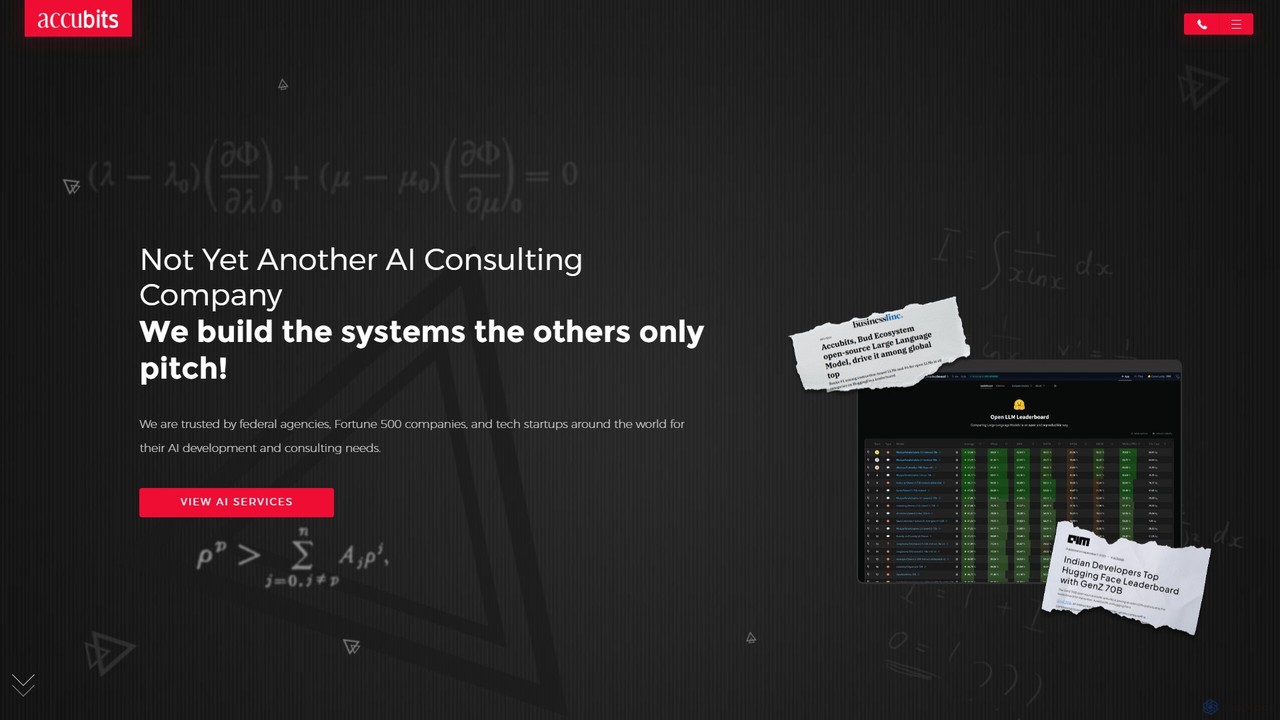
Accubits is a leading technology enabler specializing in custom AI, Blockchain, Web3, and Metaverse development. They provide full-service …
Accubits is a leading technology enabler specializing in custom AI, Blockchain, Web3, and Metaverse development. They provide full-service product development, technology consulting, and enterprise solutions for federal agencies, Fortune 500 companies, and startups worldwide.
Big Tech Company
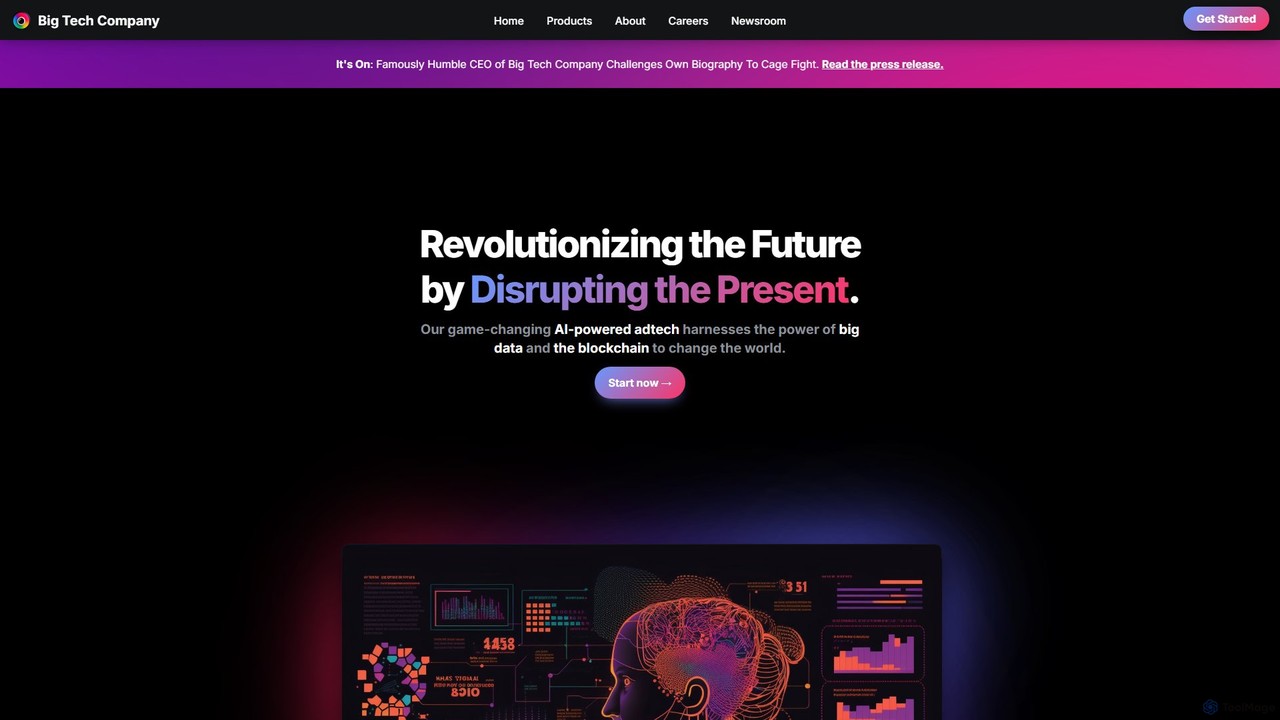
Big Tech Company offers a comprehensive suite of AI-powered tools designed for aggressive market disruption and data monetization. …
Big Tech Company offers a comprehensive suite of AI-powered tools designed for aggressive market disruption and data monetization. The platform leverages big data, blockchain, and advanced algorithms to automate processes, engineer social engagement, and maximize profitability through a series of controversial but powerful solutions for advertising, finance, and surveillance.
About Blockchain
AI Blockchain tools are a specialized category of software that applies machine learning and data analytics to blockchain networks and decentralized applications. These tools leverage AI to analyze vast amounts of on-chain data, audit smart contracts for vulnerabilities, and automate complex processes within the decentralized ecosystem. Their primary value lies in enhancing the security, efficiency, and intelligence of blockchain operations, enabling users to make data-driven decisions in areas like DeFi, NFTs, and compliance. This fusion of AI and blockchain unlocks predictive capabilities and robust security measures.
Core Features
- AI-Powered Smart Contract Auditing: Automatically scans smart contract code to identify security flaws and logical errors before deployment.
- On-Chain Data Analytics: Processes and interprets blockchain transaction data to uncover trends, track wallet activity, and generate market insights.
- Fraud and Anomaly Detection: Utilizes machine learning models to monitor network activity in real-time and flag suspicious transactions or potential security threats.
- Predictive Market Analysis: Analyzes on-chain metrics and market sentiment to forecast cryptocurrency price movements and identify trading opportunities.
- Decentralized AI Integration: Provides frameworks for building and running AI models directly on a blockchain, ensuring transparency and tamper-proof results.
Use Cases
These tools are essential for DeFi developers, crypto investment funds, security auditors, and compliance officers. They are used for securing new protocols, optimizing trading strategies, monitoring for anti-money laundering (AML) activities, and evaluating the value of digital assets like NFTs.
How to Choose
When selecting an AI Blockchain tool, consider the specific blockchains it supports (e.g., Ethereum, Solana). Evaluate the depth of its analytical capabilities, the accuracy of its predictive models, and its ease of integration via APIs. Also, assess the user interface for clarity and the pricing model based on your usage volume.

BlockchainUse Cases
Automated Smart Contract Security Audits
A DeFi development team prepares to launch a new lending protocol. Before deployment, they use an AI-powered auditing tool to scan their smart contract code. The tool automatically flags potential vulnerabilities like reentrancy bugs and integer overflows, providing detailed reports and remediation suggestions. This process reduces the risk of costly exploits and saves weeks of manual auditing time, enhancing the protocol's security and trustworthiness for users.
AI-Driven Crypto Trading Strategy
A crypto fund manager aims to outperform the market. They employ an AI analytics platform that processes real-time on-chain data, such as transaction volumes, whale movements, and exchange flows. The AI generates predictive signals and identifies emerging trends, suggesting optimal entry and exit points for various assets. This allows the manager to base trading decisions on complex data patterns rather than just sentiment, improving portfolio performance and risk management.
Real-Time On-Chain Fraud Detection
A compliance officer at a major cryptocurrency exchange is responsible for preventing illicit activities. They integrate an AI transaction monitoring tool that analyzes all incoming and outgoing transactions. The system uses machine learning to identify patterns associated with money laundering or stolen funds. When a high-risk transaction is detected, it is automatically flagged for review, enabling the exchange to meet regulatory requirements and protect its platform.
Predicting NFT Market Trends
An NFT investor wants to identify promising new collections before they become popular. They use an AI tool that analyzes NFT sales data, social media sentiment, and wallet holder distribution. The platform identifies collections with growing momentum and predicts future floor prices. This data-driven approach helps the investor discover undervalued assets and make informed purchasing decisions in the highly volatile NFT market.
Optimizing Blockchain Network Performance
The operators of a layer-1 blockchain need to ensure network stability and efficiency. They use an AI monitoring tool to analyze network health, transaction throughput, and gas fee fluctuations. The AI can predict periods of high congestion and identify inefficiently configured nodes. This allows the operators to proactively adjust network parameters, optimize resource allocation, and provide a better experience for developers and users on their platform.
Verifying Supply Chain Authenticity
A luxury goods company uses a blockchain to track its products from manufacturing to sale. They enhance this system with an AI tool that analyzes the supply chain data recorded on the blockchain. The AI looks for anomalies, such as unusual transit times or illogical location updates, which could indicate counterfeiting or theft. This provides an extra layer of security and verification, boosting consumer confidence in the brand's products.