Marketing Best in category 13 results Competitive Intelligence AI Tool

Popular AI tools in the Competitive Intelligence field of Marketing include ChampSignal、Adminer、Competitors App、Competely、unitQ、Roborabbit、Signum.AI、getbash、reedr、Gomia, etc., helping you quickly improve efficiency.

ChampSignal

ChampSignal

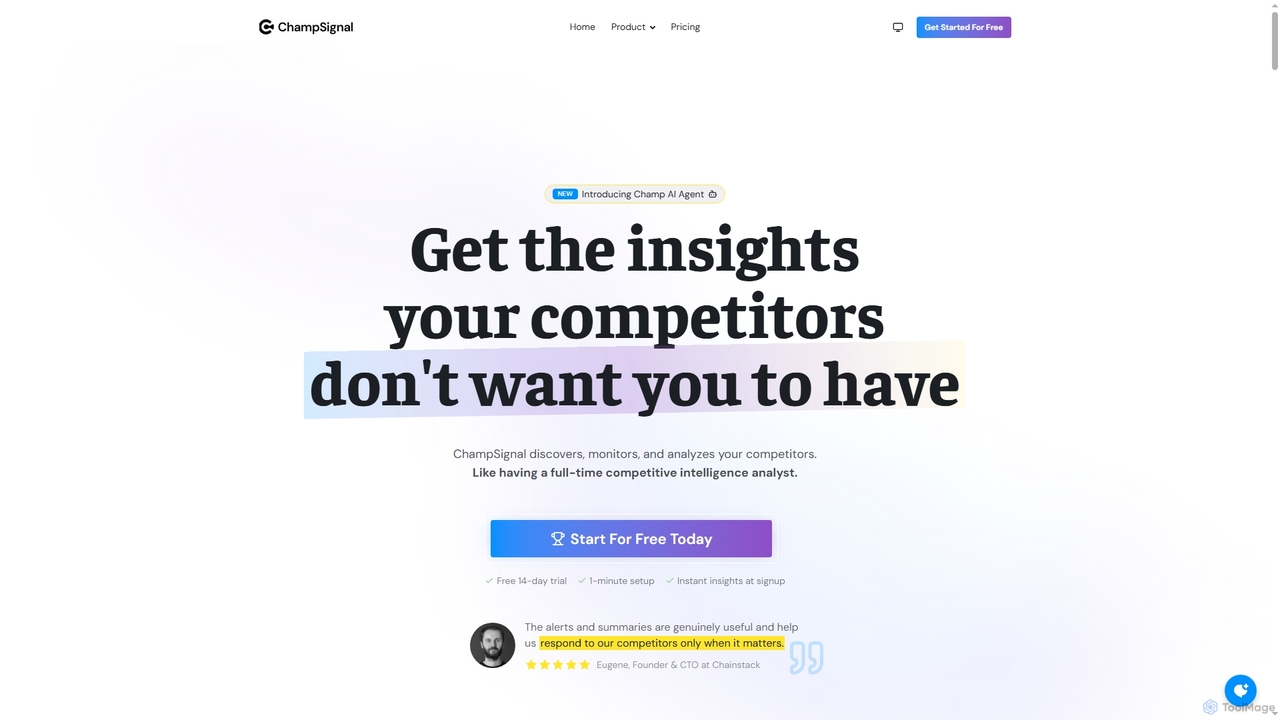
ChampSignal is an AI-powered competitive intelligence platform that automates the discovery, monitoring, and analysis of competitors. It tracks …

226.9K
Ogmax

Ogmax

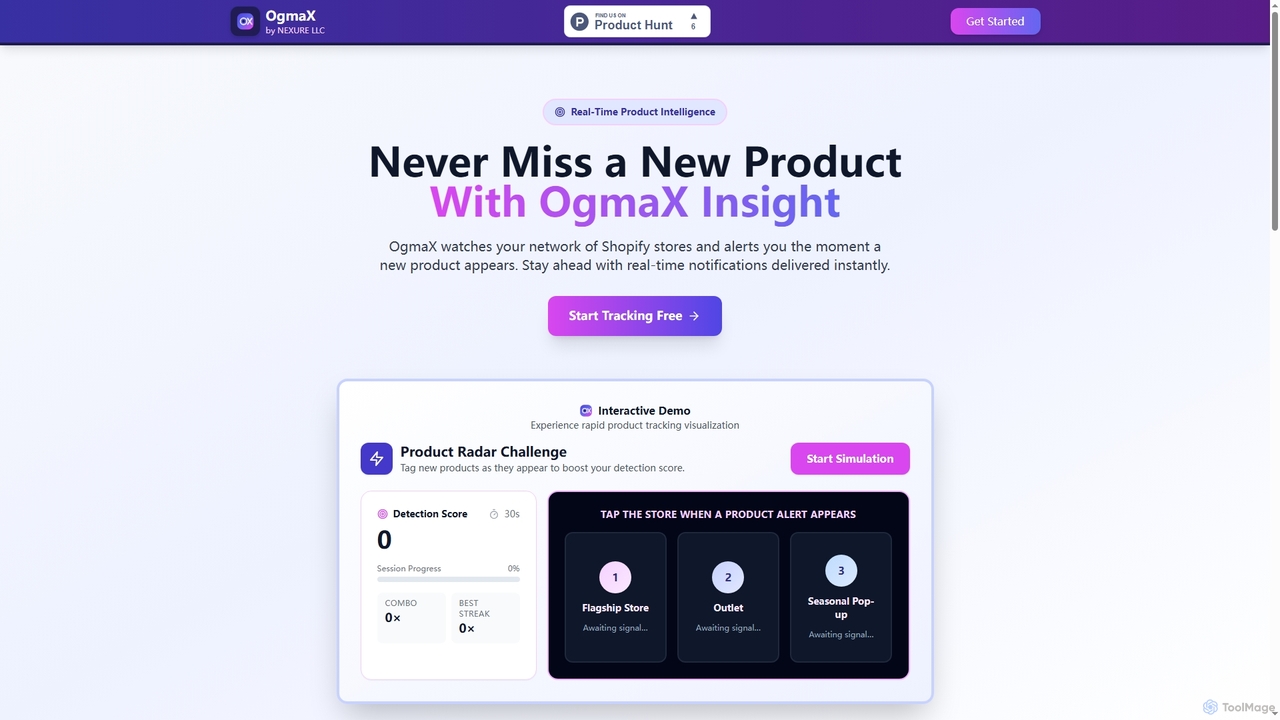
Ogmax is a real-time product intelligence tool for Shopify. It automatically monitors your chosen Shopify stores and sends …

2.8K
Gomia

Gomia

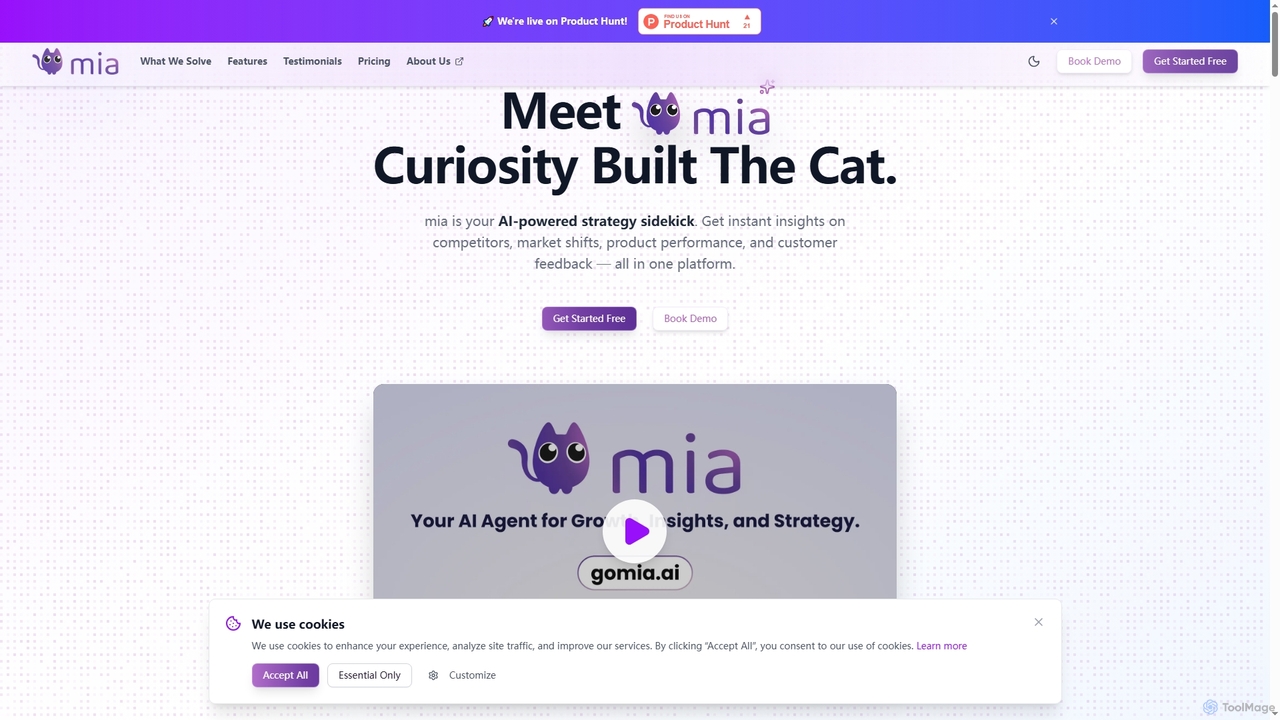
Gomia is an AI-powered market intelligence platform that unifies fragmented data to provide instant insights on competitors, market …

2.9K
Springboard

Springboard

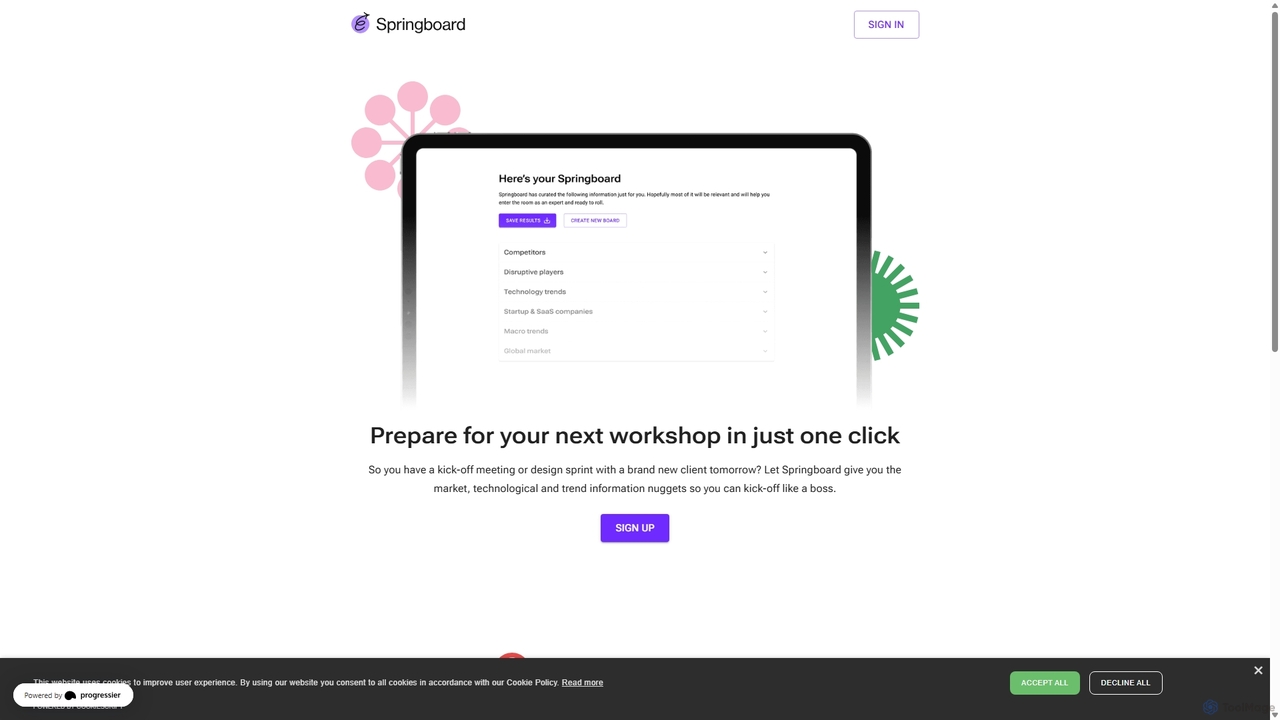
Springboard is an AI-powered research tool that prepares you for your next workshop or client meeting in a …

2.9K
Adminer

Adminer

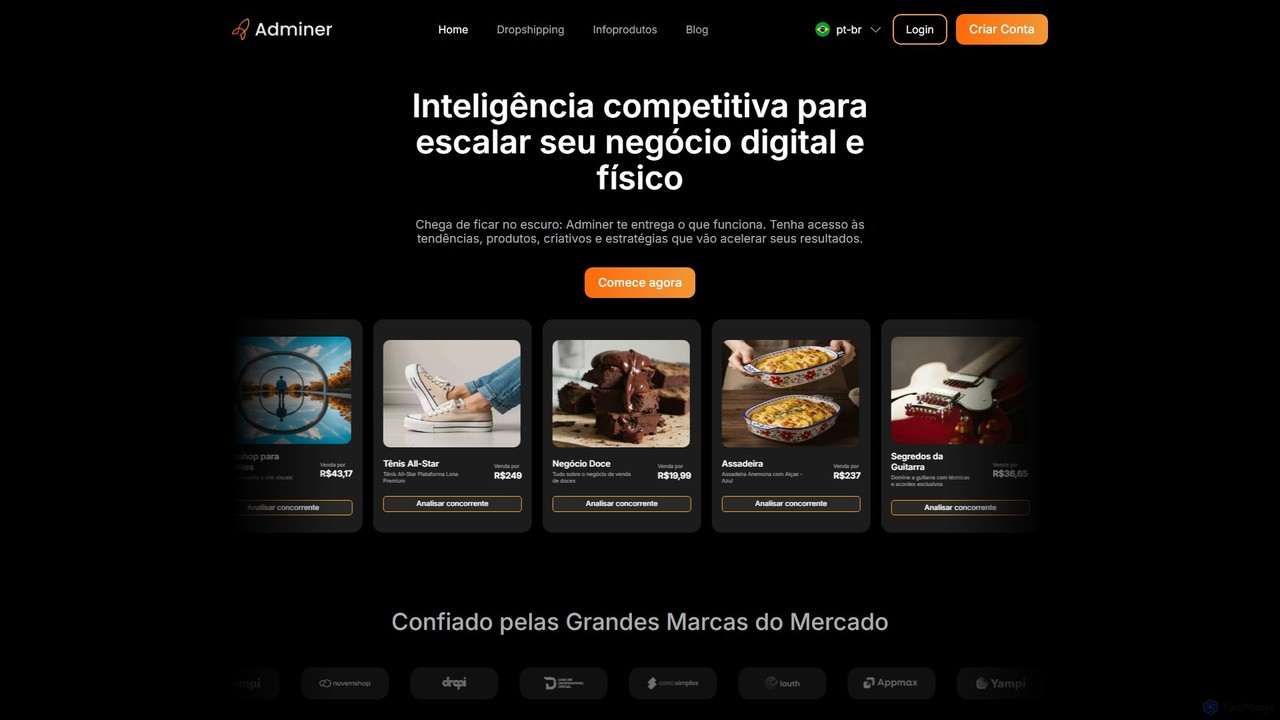
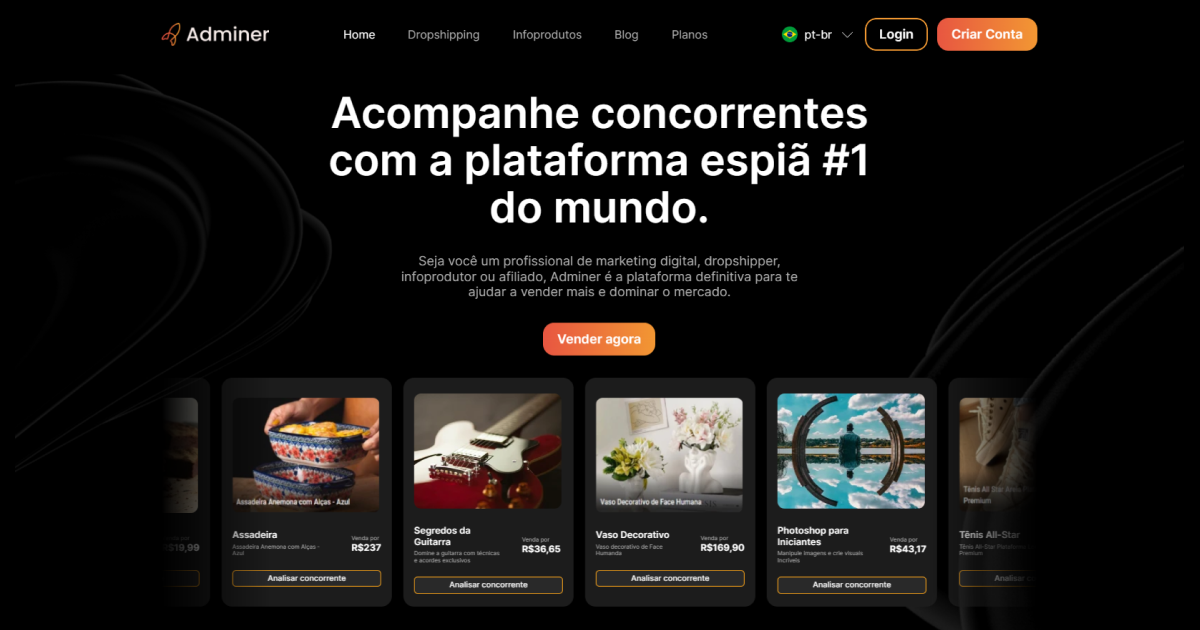
Adminer is a competitive intelligence platform for e-commerce, dropshipping, and digital marketing. It helps users discover winning products, …

49.6K
getbash

getbash

getbash is an AI-powered productivity suite that streamlines your workflow by transforming meetings, documents, and web content into …

4.5K
Competitors App

Competitors App

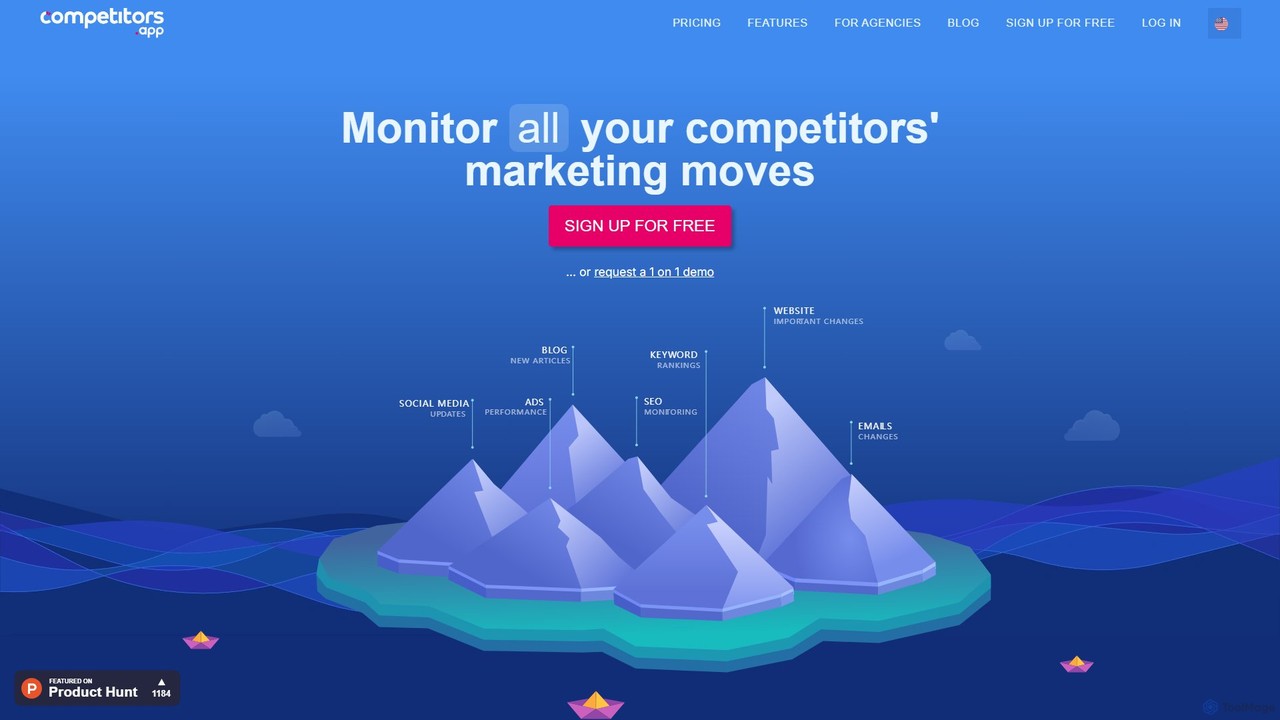
Competitors App is an AI-powered platform that automates competitive analysis. It monitors all your competitors' marketing moves across …

31.2K
InstantKnow

InstantKnow

InstantKnow is an AI-powered website monitoring tool that tracks changes on any webpage 24/7. It allows users to …

2.9K
reedr

reedr

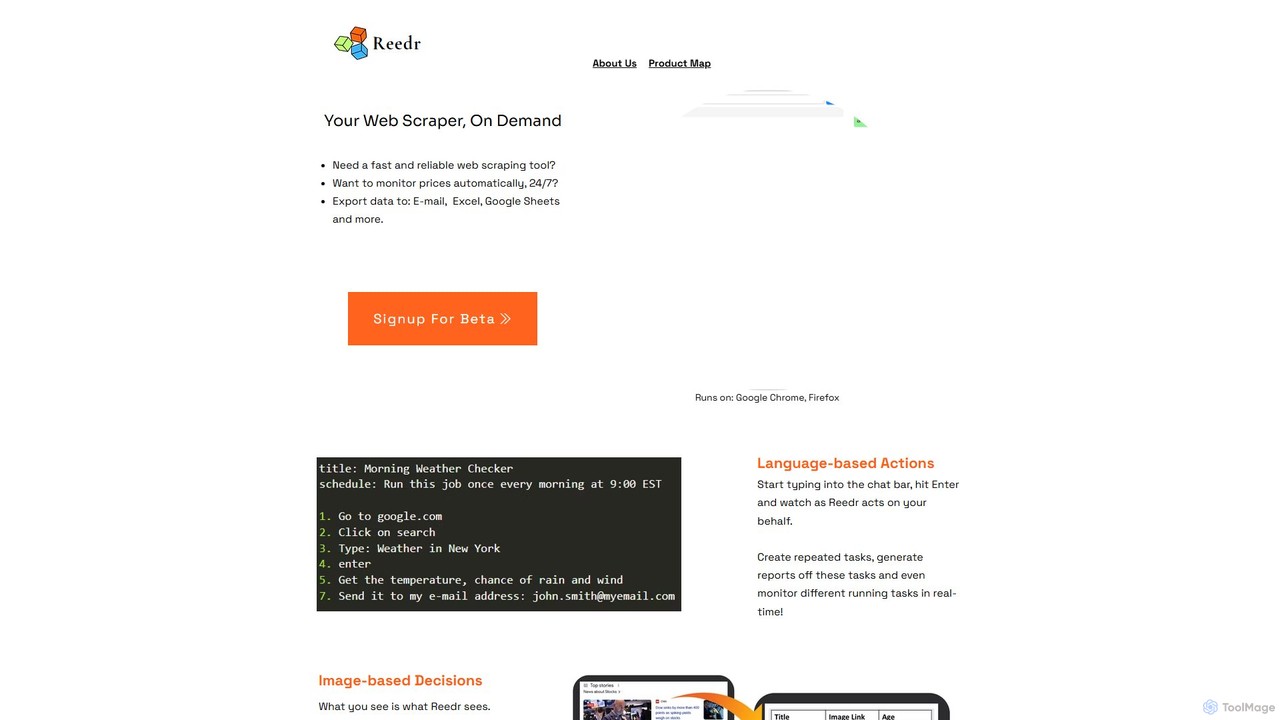
reedr is an AI-powered browser automation and web scraping tool. It uses natural language commands and visual recognition …

2.9K
Signum.AI

Signum.AI

Signum.AI is an AI-powered competitive intelligence platform that automatically tracks competitors across the web. It monitors website changes, …

7.8K
Roborabbit

Roborabbit

Roborabbit is a no-code AI-powered platform for web scraping and browser automation. It allows users to extract data …

13.5K
unitQ

unitQ

unitQ is a real-time AI customer insights platform that uses AI agents to automatically aggregate and analyze customer …

14.2K
Competely

Competely

Competely is an AI-powered agent that delivers instant, in-depth competitive analysis. Simply provide your product URL or description, …

15.5K

About Competitive Intelligence

Competitive Intelligence tools are AI-powered platforms designed to automatically monitor and analyze competitor activities and market trends. They leverage data scraping, natural language processing (NLP), and machine learning to track everything from website changes and ad campaigns to social media sentiment and pricing updates. This provides businesses with actionable insights to inform their marketing strategies, product development, and overall business positioning. These tools transform raw competitor data into a strategic advantage, enabling proactive decision-making rather than reactive responses.

Core Features

  • Real-time Competitor Tracking: Automatically monitors competitors' websites, social media, ad campaigns, and pricing for any changes.
  • Market & Trend Analysis: Identifies emerging industry trends, shifts in consumer sentiment, and key conversation topics.
  • SEO & Content Gap Analysis: Uncovers competitors' top keywords, backlink strategies, and high-performing content to find opportunities.
  • Ad Campaign Intelligence: Analyzes competitors' advertising strategies, including ad copy, creatives, and channel allocation.
  • Product & Feature Monitoring: Tracks new product launches, feature updates, and customer reviews to understand competitor roadmaps.

Use Cases

These tools are primarily used by marketing, product, and strategy teams in competitive industries like e-commerce, SaaS, and digital agencies. Marketing managers use them to refine campaign messaging and identify market gaps, while product managers leverage insights for feature prioritization and strategic planning.

How to Choose

When selecting a tool, consider the breadth of data sources (web, social, ads, news), the depth of analysis (e.g., sentiment analysis, predictive insights), and its integration capabilities with your existing marketing stack. Also, evaluate the customization of alerts and the user-friendliness of the dashboard for reporting and sharing insights.

Competitive IntelligenceUse Cases

1

Uncovering Competitor SEO Strategies

An e-commerce marketing manager uses a competitive intelligence tool to analyze a rival's SEO performance. The tool automatically tracks the competitor's keyword rankings, identifies their most valuable backlinks, and highlights their top-performing content pages. By discovering a set of high-intent, low-competition keywords the rival is ranking for, the manager adjusts their own content strategy to target these gaps. This leads to a measurable increase in organic traffic and captures market share previously held by the competitor.

2

Monitoring Competitor Pricing and Promotions

A product manager for a SaaS company needs to stay ahead of market pricing. They set up alerts in a competitive intelligence tool to be notified instantly whenever key competitors change their pricing pages or launch new promotional offers. The tool provides a historical log of all changes, allowing the team to identify patterns in discounting strategies. This proactive monitoring enables them to adjust their own pricing models swiftly, preventing customer churn and maintaining a competitive edge in a fast-moving market.

3

Analyzing Competitor Ad Campaigns

A digital advertising specialist is tasked with optimizing their company's ad spend. They use a competitive intelligence platform to view their competitors' active ad creatives across social media and search engines. The tool reveals which ad copy, visuals, and calls-to-action are being used most frequently and for the longest duration, indicating successful campaigns. This insight helps the specialist avoid costly A/B testing on ineffective concepts and instead focus on creative strategies that are already proven to resonate in their industry.

4

Identifying Gaps in Competitor Content

A content strategist for a B2B tech firm wants to create content that stands out. They input several competitor blogs into a competitive intelligence tool. The AI analyzes all published articles, categorizes them by topic, and identifies which subjects are over-saturated and which are underserved. The tool highlights a 'content gap' around a specific emerging technology. The strategist commissions a series of articles on this topic, establishing their company as a thought leader and attracting a new, highly relevant audience.

5

Tracking Social Media Sentiment and Share of Voice

A brand manager needs to understand how their brand is perceived relative to competitors. They use a competitive intelligence tool to monitor brand mentions and sentiment across Twitter, Reddit, and news sites. The dashboard visualizes their 'share of voice' – the percentage of online conversations about their brand versus competitors. They notice a spike in negative sentiment for a rival after a poorly received product update, presenting an opportunity to launch a targeted marketing campaign highlighting their own product's reliability.

6

Informing Product Roadmaps with Competitor Feature Launches

A product development team is planning their next quarterly roadmap. They leverage a competitive intelligence tool to track competitors' product updates, press releases, and customer reviews on platforms like G2 and Capterra. The tool aggregates and analyzes this data, flagging frequently requested features that competitors have recently launched or are failing to deliver. This data-driven insight helps the team prioritize features that will meet market demand and create a stronger product-market fit, reducing development risks.

Competitive IntelligenceFrequently Asked Questions