Ecommerce Best in category 20 results Product Research AI Tool

Popular AI tools in the Product Research field of Ecommerce include Accio、WinningHunter、Adminer、Merch Dominator、Glitching AI、AdFlex、TrendRocket、Trenz、Peeksta、Diffshop, etc., helping you quickly improve efficiency.

Ogmax

Ogmax

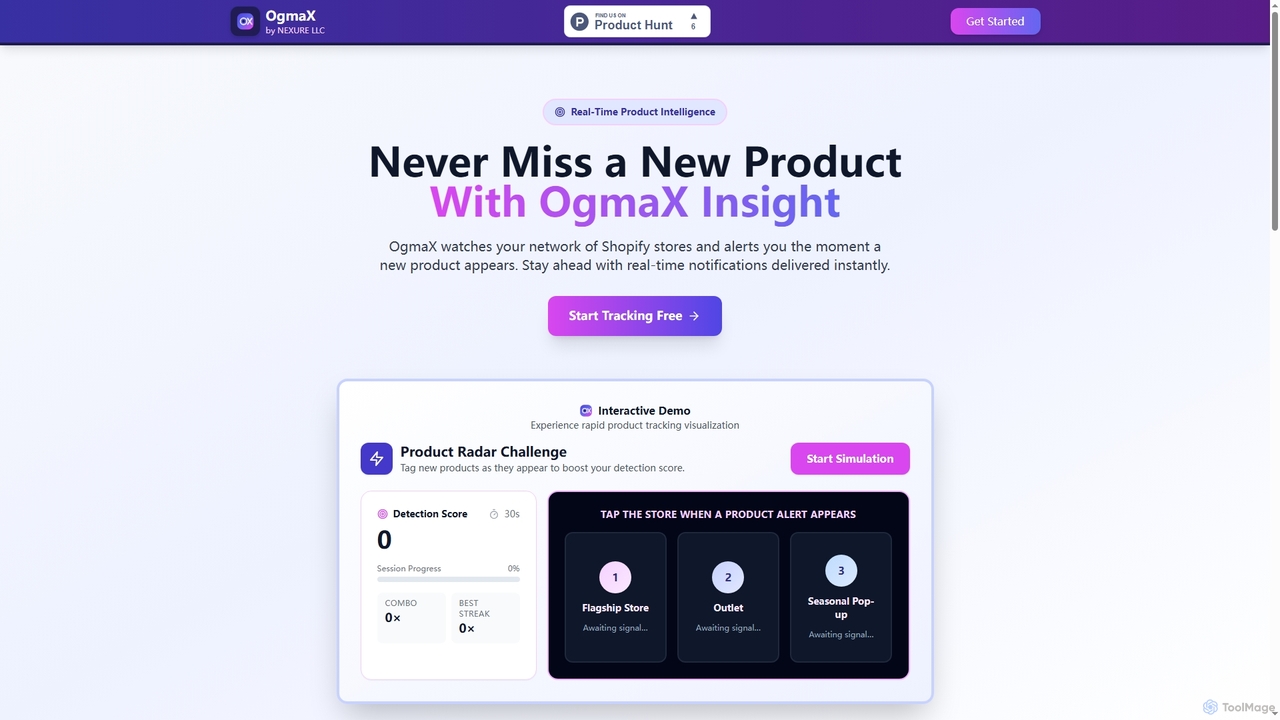
Ogmax is a real-time product intelligence tool for Shopify. It automatically monitors your chosen Shopify stores and sends …

3.0K
Minea

Minea

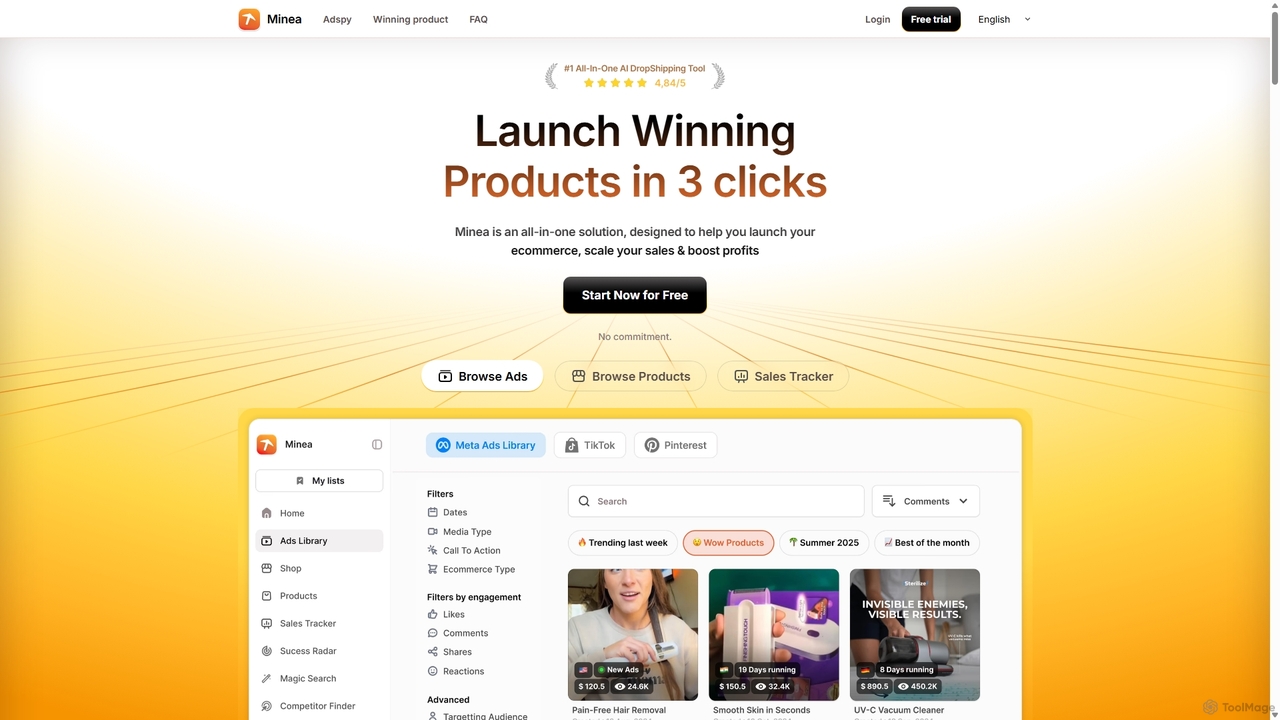
Minea is an all-in-one AI-powered ad spy tool designed for e-commerce and dropshipping. It helps users discover winning …

5.4K
SkuFetch

SkuFetch

SkuFetch is an e-commerce automation platform designed for dropshippers and retail arbitrage sellers. It specializes in product sourcing, …

3.1K
PandaRocket

PandaRocket

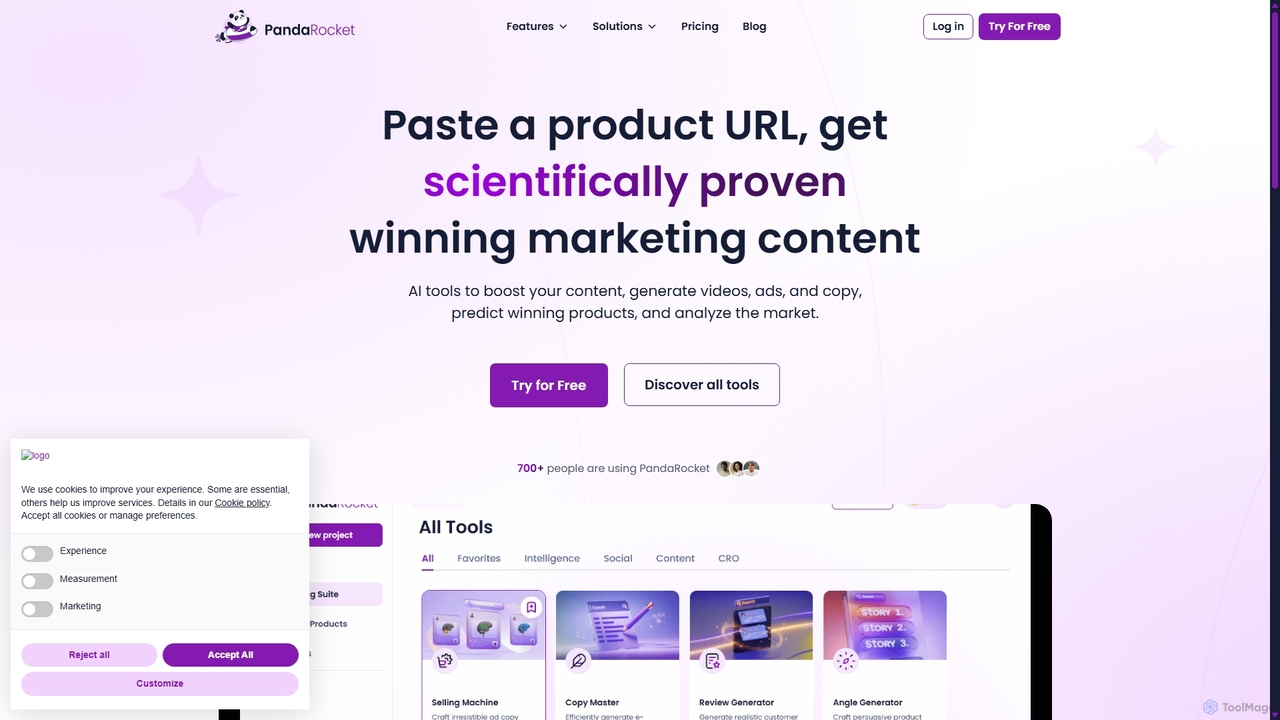
PandaRocket is an AI-powered suite of tools for dropshipping and e-commerce, designed to find winning products, generate high-converting …

3.1K
AdFlex

AdFlex

AdFlex is a powerful ad spy tool with a massive library of over 400 million ads from networks …

22.4K
Adminer

Adminer

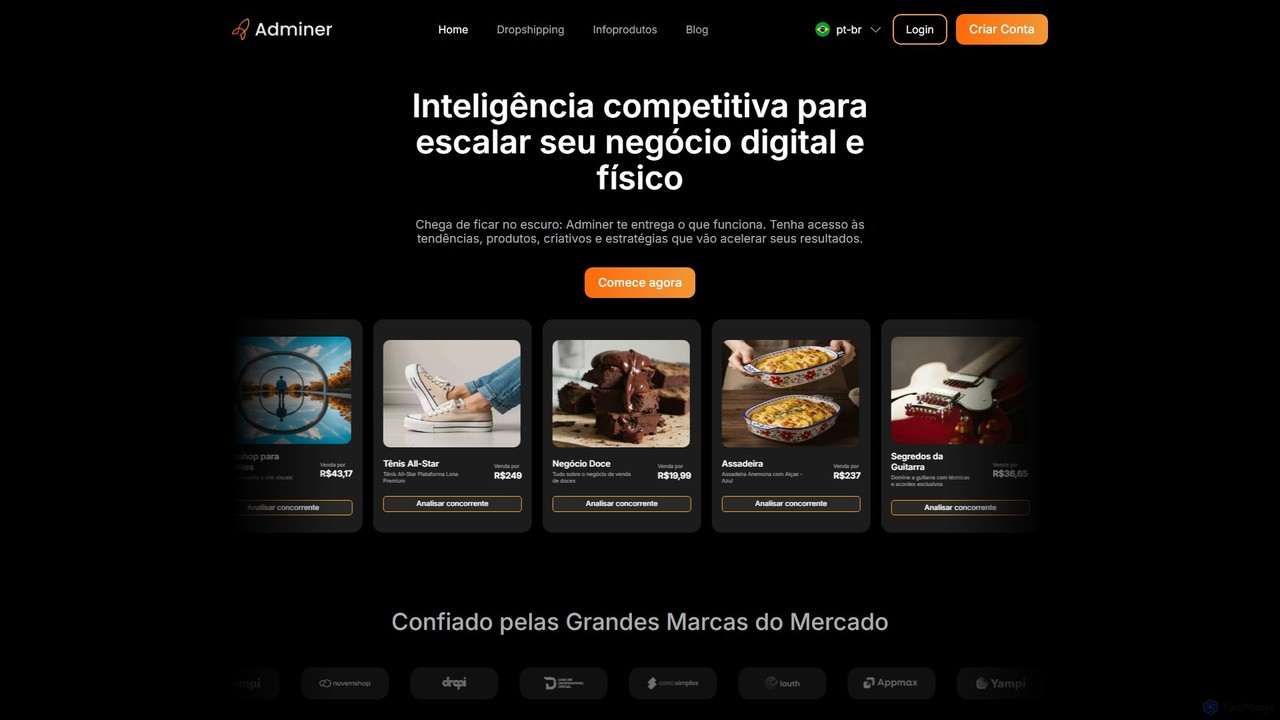
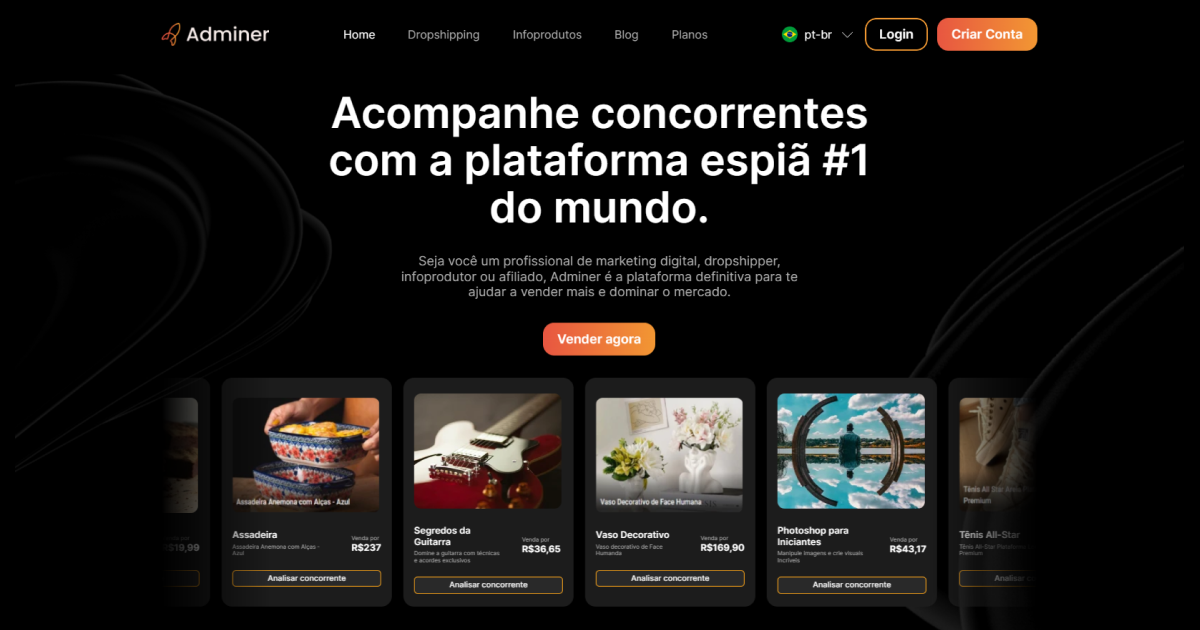
Adminer is a competitive intelligence platform for e-commerce, dropshipping, and digital marketing. It helps users discover winning products, …

49.8K
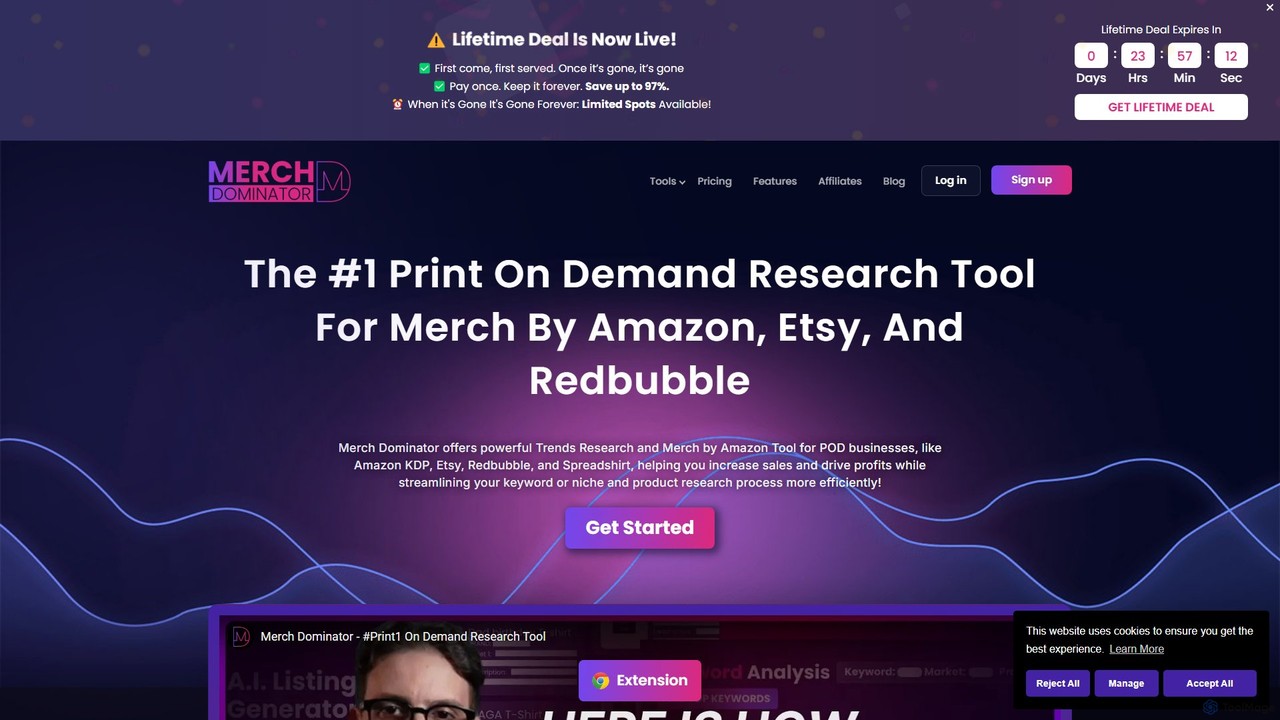
Merch Dominator

Merch Dominator

A powerful AI-driven research tool for Print on Demand (POD) sellers. Merch Dominator helps users discover profitable niches, …

42.9K
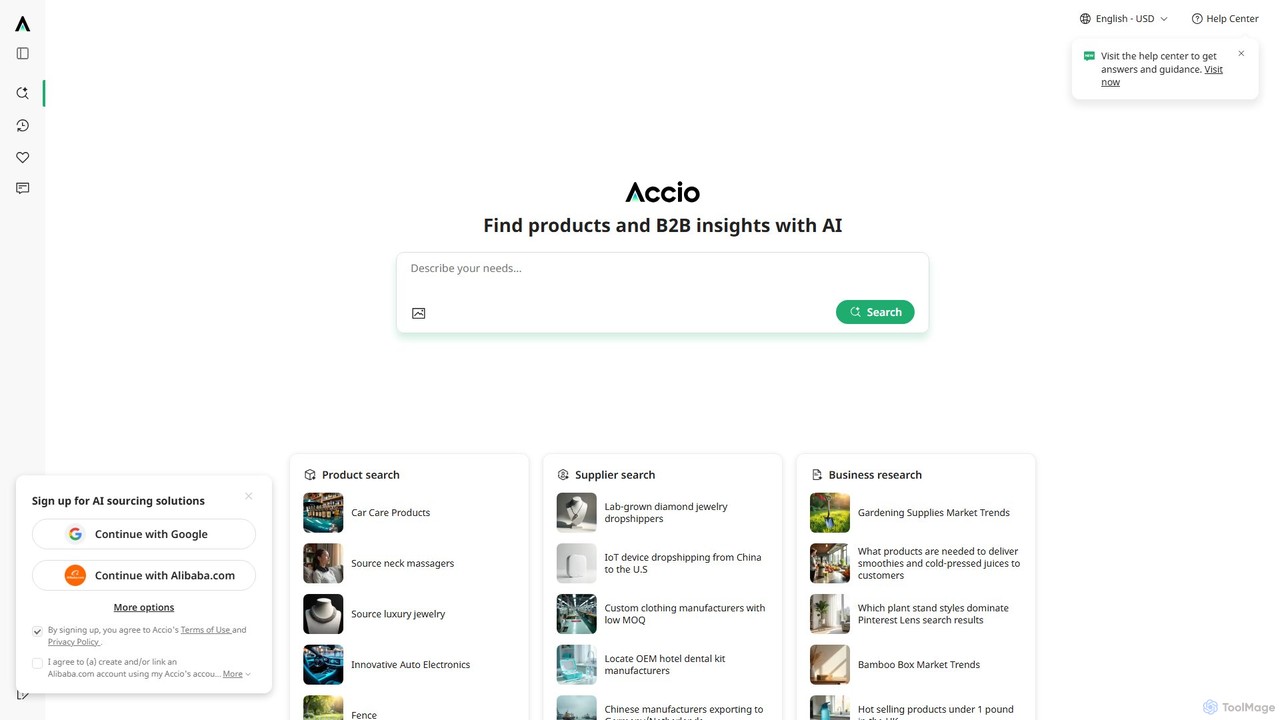
Accio

Accio

Accio is an AI-powered B2B search engine that helps businesses find products, discover suppliers, and gain market insights. …

2.8M
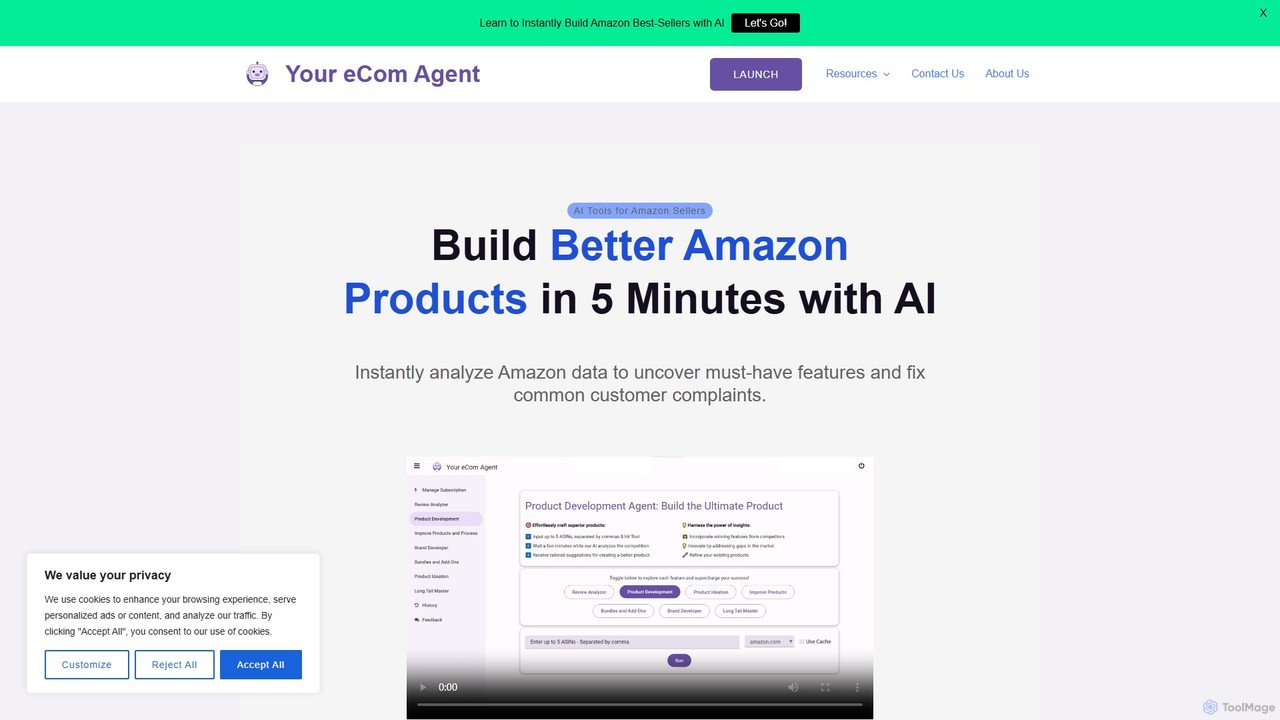
Your eCom Agent

Your eCom Agent

Your eCom Agent is an AI-powered suite of tools for Amazon sellers. It automates product research, analyzes competitor …

5.1K
Trenz

Trenz

Trenz is an AI-powered, all-in-one platform for TikTok creators and brands. It helps scale TikTok Shop and UGC …

12.9K
Peeksta

Peeksta

Peeksta is an AI-powered e-commerce intelligence platform designed for dropshippers and online store owners. It helps users discover …

6.7K
ecomsgenie

ecomsgenie

ecomsgenie is an AI-powered platform designed to build, scale, and automate e-commerce businesses. It offers a suite of …

3.5K
TrendRocket

TrendRocket

TrendRocket is a D2C research platform designed for e-commerce businesses. It helps users discover winning products and trending …

18.2K
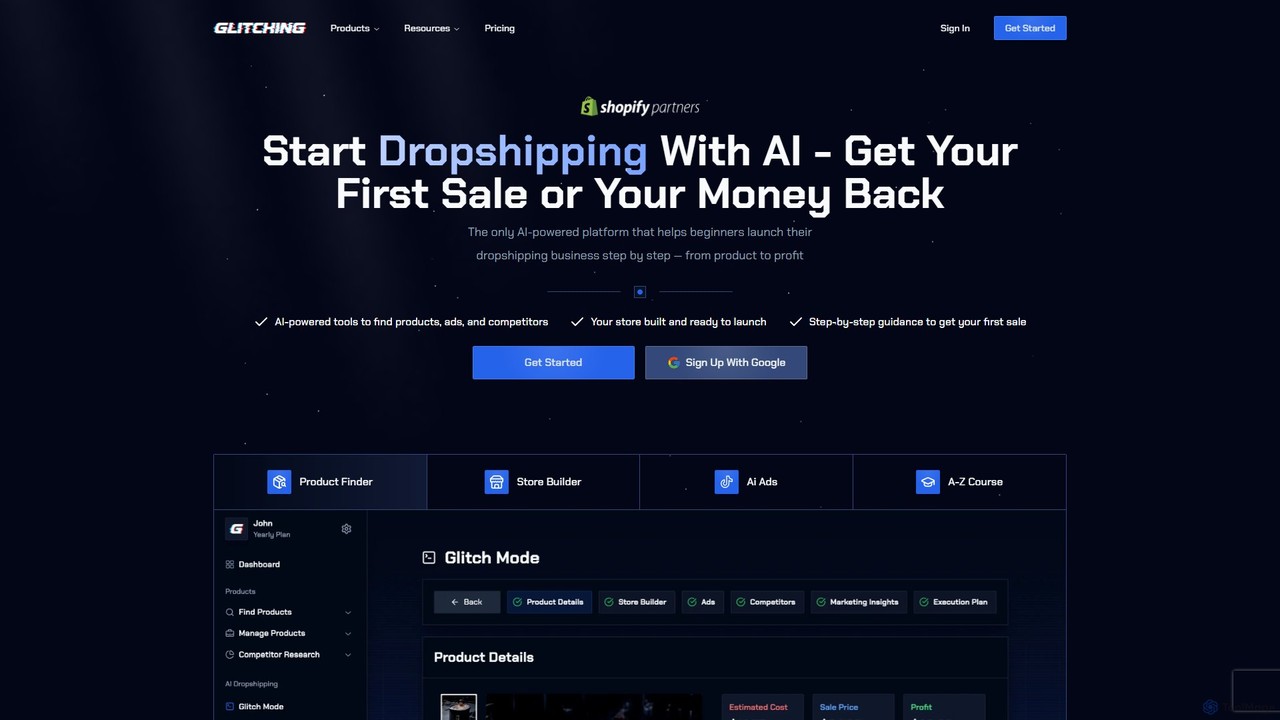
Glitching AI

Glitching AI

Glitching AI is an all-in-one, AI-powered platform designed to automate and streamline dropshipping businesses. It helps entrepreneurs find …

39.9K
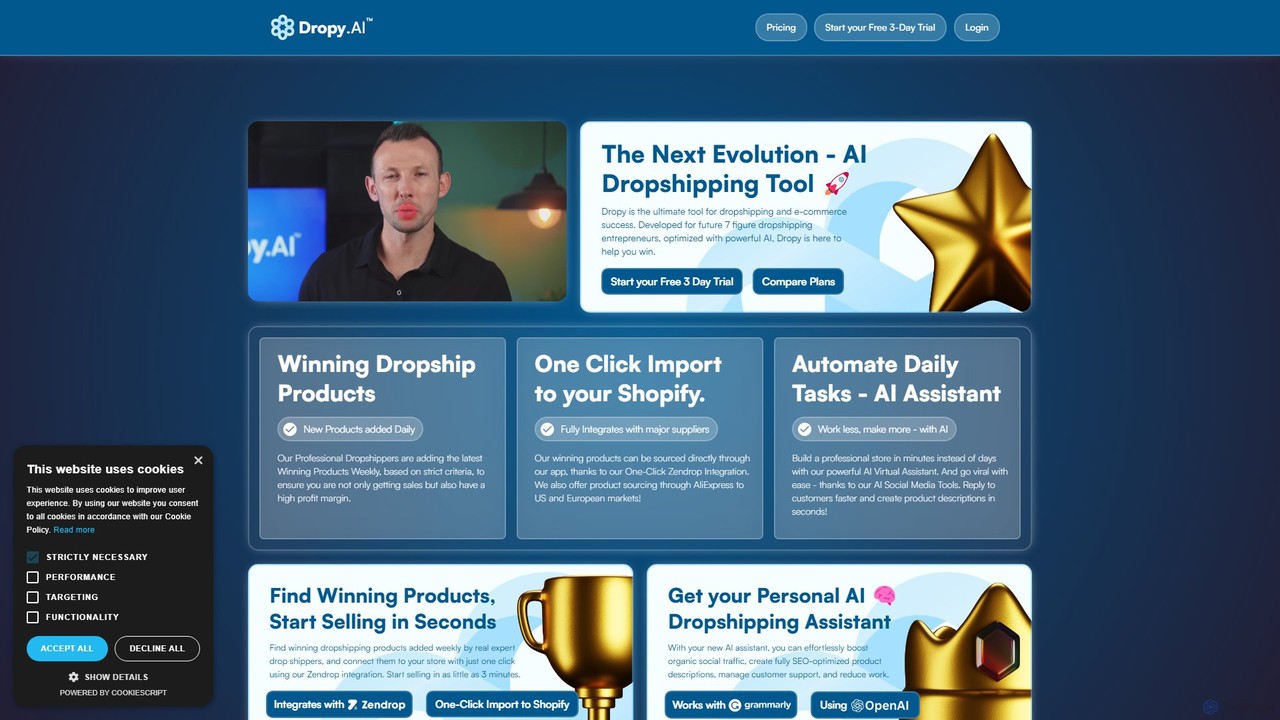
Dropy.ai

Dropy.ai

Dropy.ai is an AI-powered platform designed for dropshipping and e-commerce success. It helps entrepreneurs find winning products, automate …

5.7K
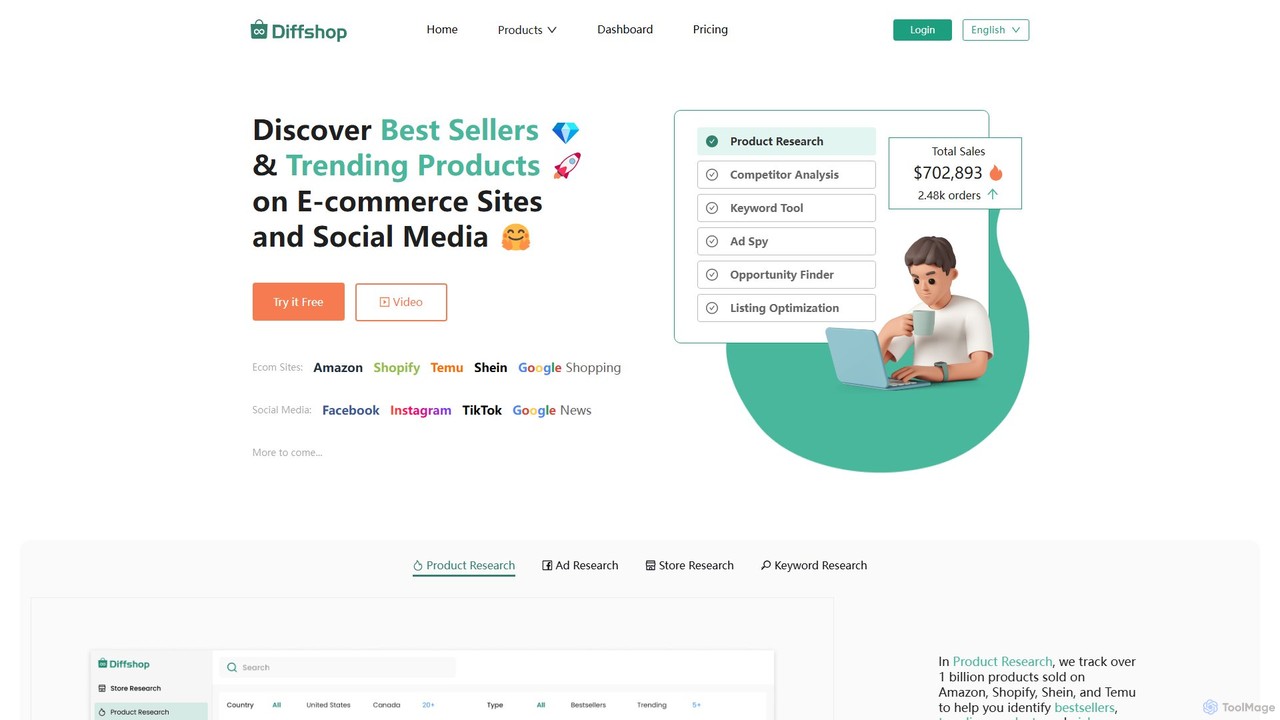
Diffshop

Diffshop

Diffshop is an all-in-one e-commerce intelligence platform for product research, trend discovery, and ad spying. It tracks billions …

6.6K
Free
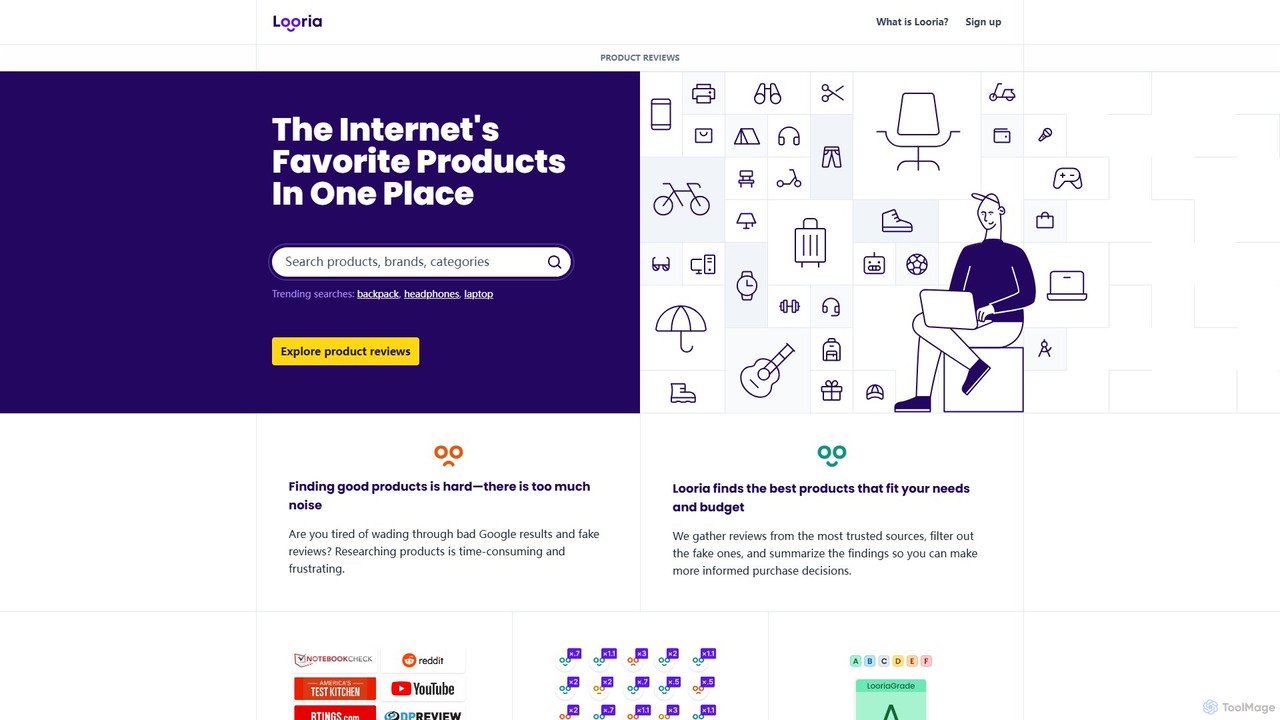
looria

looria

Looria is an AI-powered product review aggregator that helps you make informed purchasing decisions. It combats fake reviews …

6.0K
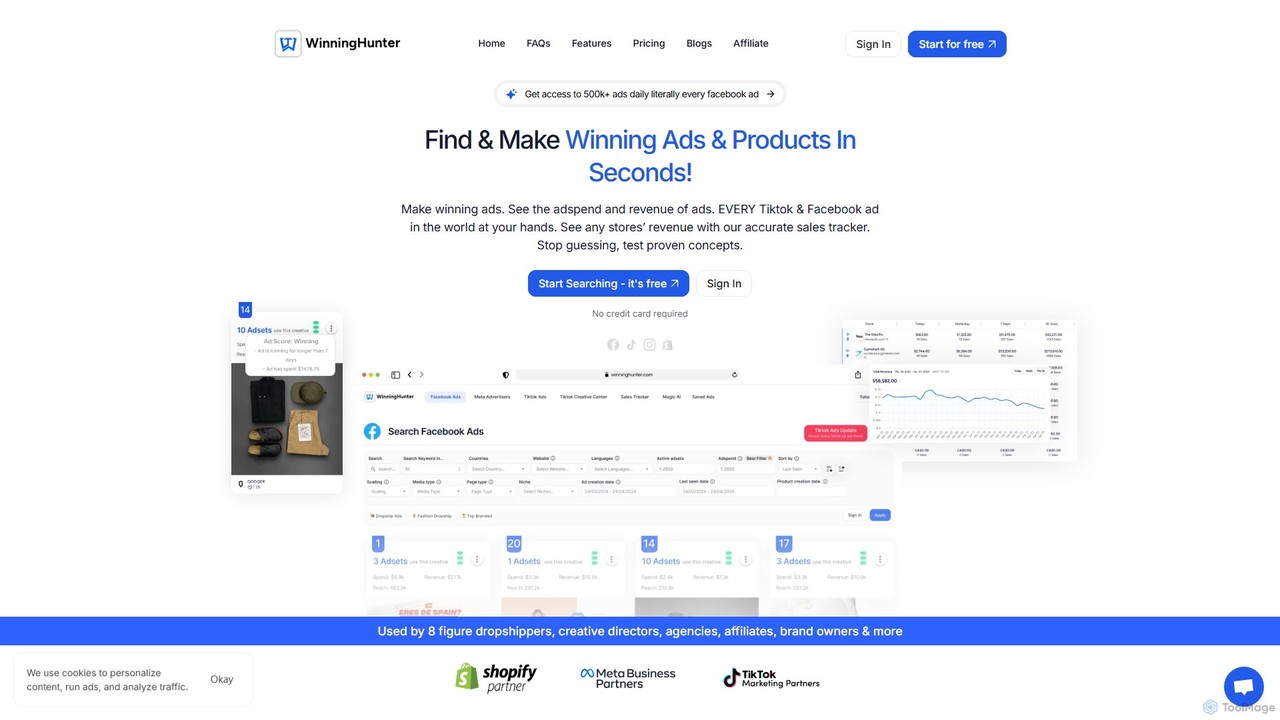
WinningHunter

WinningHunter

WinningHunter is an all-in-one e-commerce spy tool for dropshippers and online brands. It provides access to massive ad …

318.5K
Woven Insights

Woven Insights

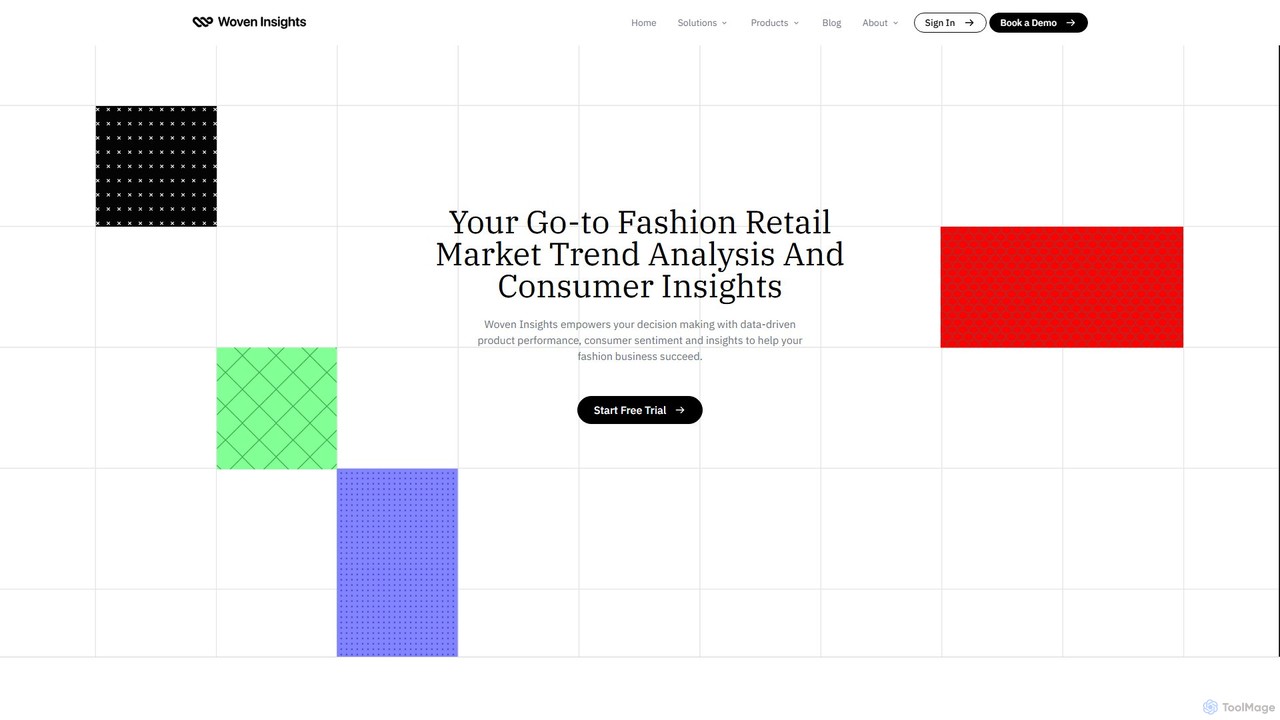
Woven Insights is an AI-powered intelligence platform for the fashion retail industry. It provides real-time market trend analysis, …

4.8K
trendforecast.io

trendforecast.io

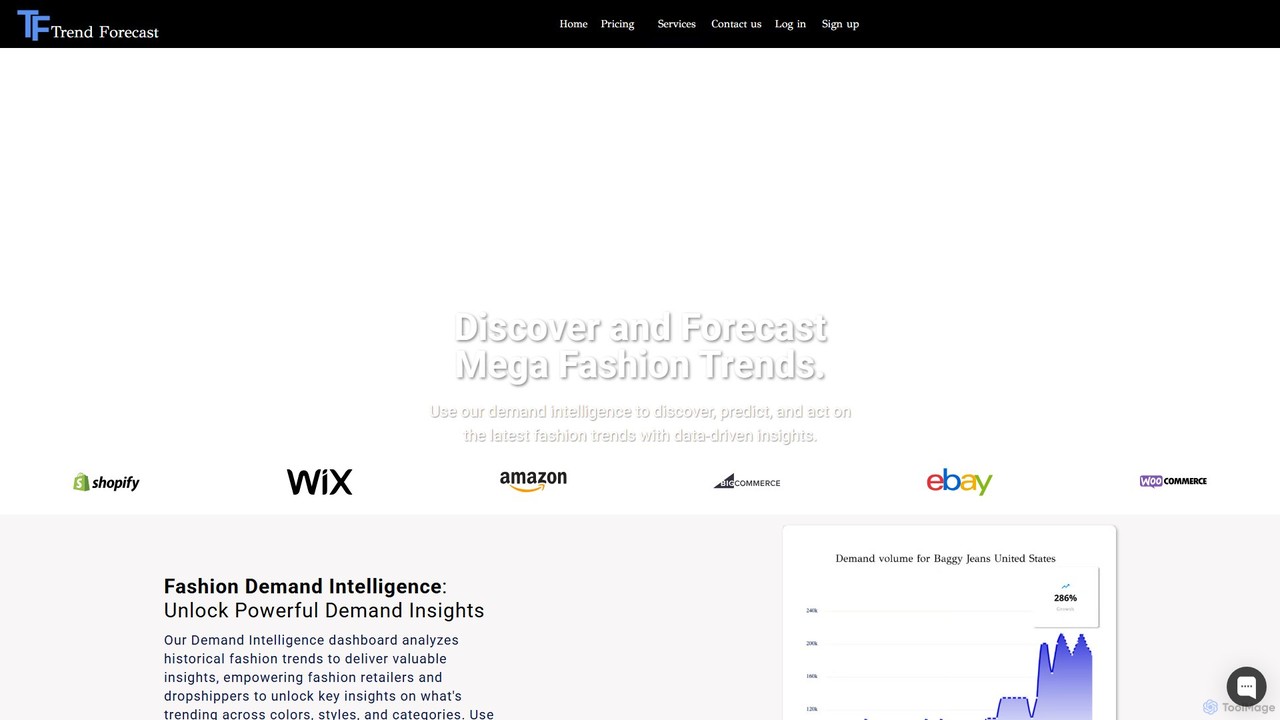
trendforecast.io is a data-driven AI platform for fashion trend analysis and forecasting. It helps retailers, dropshippers, and designers …

3.8K

About Product Research

AI Product Research tools are specialized platforms that automate the discovery and validation of profitable products for ecommerce. They leverage machine learning to analyze vast datasets, including sales history, competitor performance, and market trends, to identify high-potential opportunities. These tools are essential for sellers on platforms like Amazon or Shopify to make data-driven decisions, reduce the risk of launching unsuccessful products, and stay ahead of market competition. They transform product sourcing from guesswork into a strategic, analytical process.

Core Features

  • Opportunity Scoring: Calculates a product's potential success based on demand, competition, and estimated profitability.
  • Competitor Sales Tracking: Estimates the sales volume and revenue of competing products to gauge market size and viability.
  • Trend Analysis: Identifies emerging product trends by analyzing search data, social media signals, and sales velocity.
  • Supplier Database: Provides access to vetted manufacturers and suppliers, often including cost and reliability data.
  • Keyword & Niche Research: Uncovers profitable keywords and niche markets with low competition and high search volume.

Use Cases

Primarily used by Amazon FBA sellers, Shopify store owners, dropshippers, and private label brand builders. They are crucial during the initial business planning phase, for expanding an existing product catalog, or for seasonal product planning to capitalize on emerging trends before they become saturated.

How to Choose

When selecting a tool, consider the specific ecommerce platforms it supports (e.g., Amazon, Shopify, Etsy). Evaluate the accuracy and source of its data, the depth of its competitor analysis features, and whether its pricing model aligns with your business scale. Also, check for integration capabilities with other ecommerce management tools you use.

Product ResearchUse Cases

1

Finding a Niche for a New Online Store

An aspiring entrepreneur wants to start a Shopify store but is unsure which niche to enter. Instead of relying on intuition, they use an AI product research tool. They input broad criteria like 'home fitness' and 'sustainable materials.' The AI analyzes thousands of products, sales data, and social media trends. It generates a report highlighting a low-competition, high-demand niche: 'eco-friendly yoga accessories.' The tool provides estimated monthly revenue, top competitor weaknesses (e.g., poor reviews on durability), and a list of potential suppliers, giving the entrepreneur a clear, data-validated starting point.

2

Validating a Private Label Product Idea

An Amazon FBA seller has an idea to launch a private label 'smart coffee mug.' Before investing thousands in inventory, they use an AI research tool to validate it. The tool analyzes the existing market on Amazon, showing that top sellers generate over $50,000/month but have high competition. However, the AI's review analysis feature identifies a common complaint: poor battery life. This insight allows the seller to pivot their strategy to source a mug with superior battery performance, creating a unique selling proposition (USP) in a crowded market. The data confirms the demand and reveals a specific path to compete effectively.

3

Expanding an Existing Product Line

A successful online store selling high-end kitchen knives wants to expand its offerings. The owner uses an AI product research tool to analyze adjacent markets. The tool's 'Product Tree' feature shows that customers who buy premium knives also frequently purchase specialized cutting boards, knife sharpeners, and magnetic storage racks. It provides sales estimates for each category, revealing that 'end-grain walnut cutting boards' have the highest profit margin and growing demand. Based on this data, the store owner confidently decides to source and launch a line of custom cutting boards, creating a natural cross-sell opportunity for their existing customer base.

4

Sourcing Profitable Products for Dropshipping

A dropshipper is looking for the next trending product to add to their store. They use an AI tool that monitors social media platforms like TikTok and Instagram for emerging trends. The AI flags a 'portable smoothie blender' that is gaining viral traction. The tool not only identifies the trend but also connects to a supplier database, showing several vetted suppliers on platforms like AliExpress with good ratings and fast shipping times. It calculates the potential profit margin by comparing supplier costs to the average selling price online. This allows the dropshipper to quickly add a high-potential, pre-vetted product to their store before the market becomes saturated.

5

Competitive Analysis for a Product Launch

A brand is preparing to launch a new line of ergonomic office chairs. The product manager uses an AI research tool to perform a deep competitive analysis. The tool scrapes data from the top 10 competing product listings, compiling information on pricing strategies, feature sets, customer review sentiment, and promotional activities. The AI generates a summary report showing that while most competitors focus on 'lumbar support,' very few effectively market 'adjustable armrest height.' It also identifies a price gap between $250-$300. This intelligence helps the brand position its new chair by emphasizing its superior armrest adjustability and setting a competitive price of $279, directly targeting an underserved segment of the market.

6

Identifying Seasonal Product Opportunities

An Etsy seller specializing in home decor wants to capitalize on seasonal trends. In August, they use an AI product research tool to forecast upcoming Q4 holiday trends. The tool analyzes historical search data from Google and Etsy, along with current social media buzz. It predicts a rising trend for 'personalized wooden Christmas ornaments' and 'rustic farmhouse-style stockings.' The tool provides trend graphs showing that search interest for these items begins to spike in late September. Armed with this foresight, the seller has enough lead time to design, produce, and list these specific products just as customer demand begins to surge, maximizing their holiday sales potential.

Product ResearchFrequently Asked Questions