Marketing Best in category 11 results Content Management AI Tool

Popular AI tools in the Content Management field of Marketing include Seismic、Contentful、amplifi、Tagbox、HelpLook、evolphin、Shufflrr、ClosePod、Wondersites、MediaFlows, etc., helping you quickly improve efficiency.

Wondersites

Wondersites

Wondersites is a no-code platform that transforms your Notion or Github databases into fully functional, SEO-ready websites in …

3.0K
MediaFlows

MediaFlows

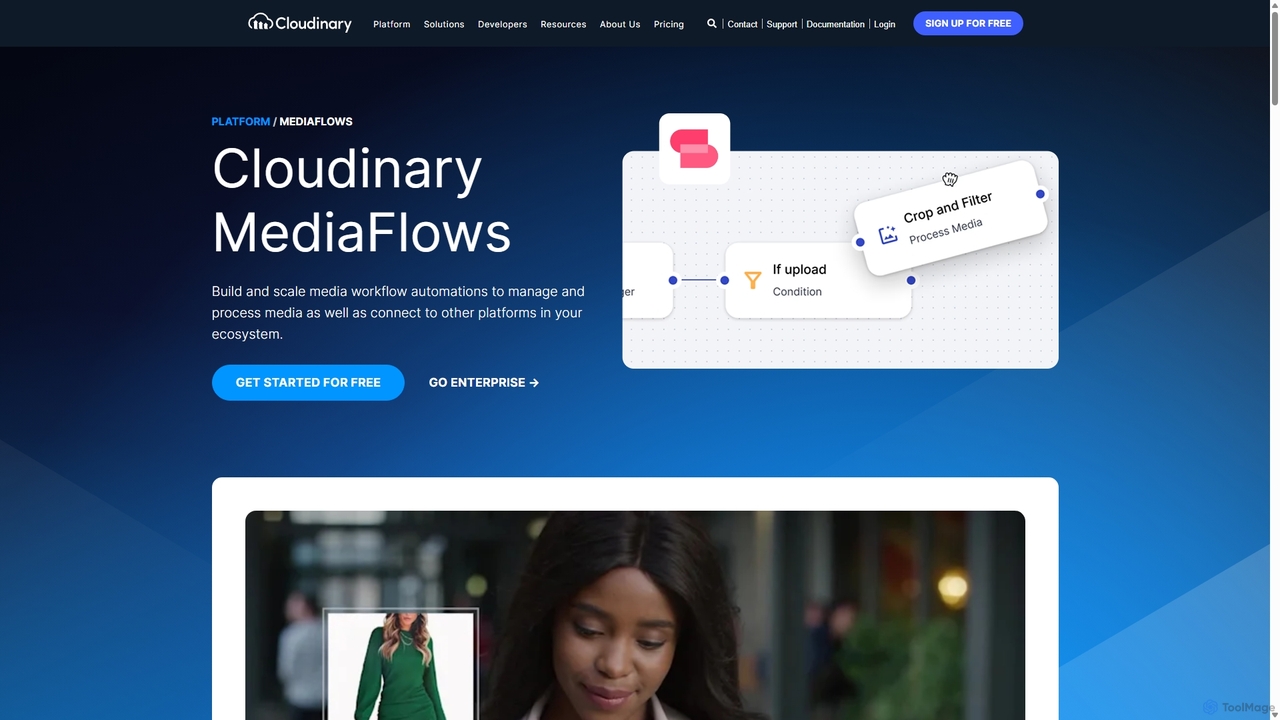
MediaFlows by Cloudinary is a low-code/no-code workflow automation platform for visual media. It empowers teams to build and …

3.0K
evolphin

evolphin

Evolphin is an enterprise-grade platform combining Digital Asset Management (DAM) and Media Asset Management (MAM) to streamline creative …

10.6K
amplifi

amplifi

amplifi is an AI-powered Product Experience Management (PXM) platform designed for global ecommerce. It centralizes Product Information Management …

263.3K
Shufflrr

Shufflrr

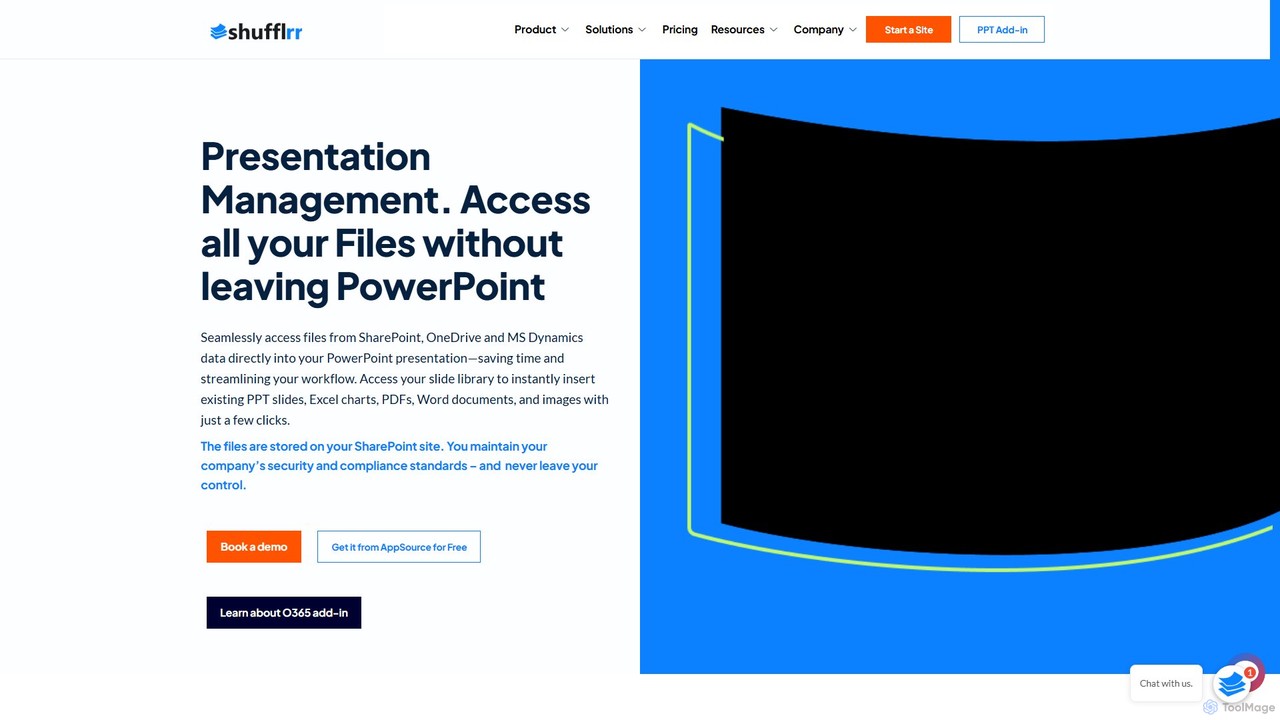
Shufflrr is an enterprise-grade presentation management platform that integrates directly with PowerPoint. It centralizes all your presentation assets, …

5.8K
Tagbox

Tagbox

Tagbox is an AI-powered Digital Asset Management (DAM) platform that automates the organization of your creative files. Using …

45.2K
MapleCMS

MapleCMS

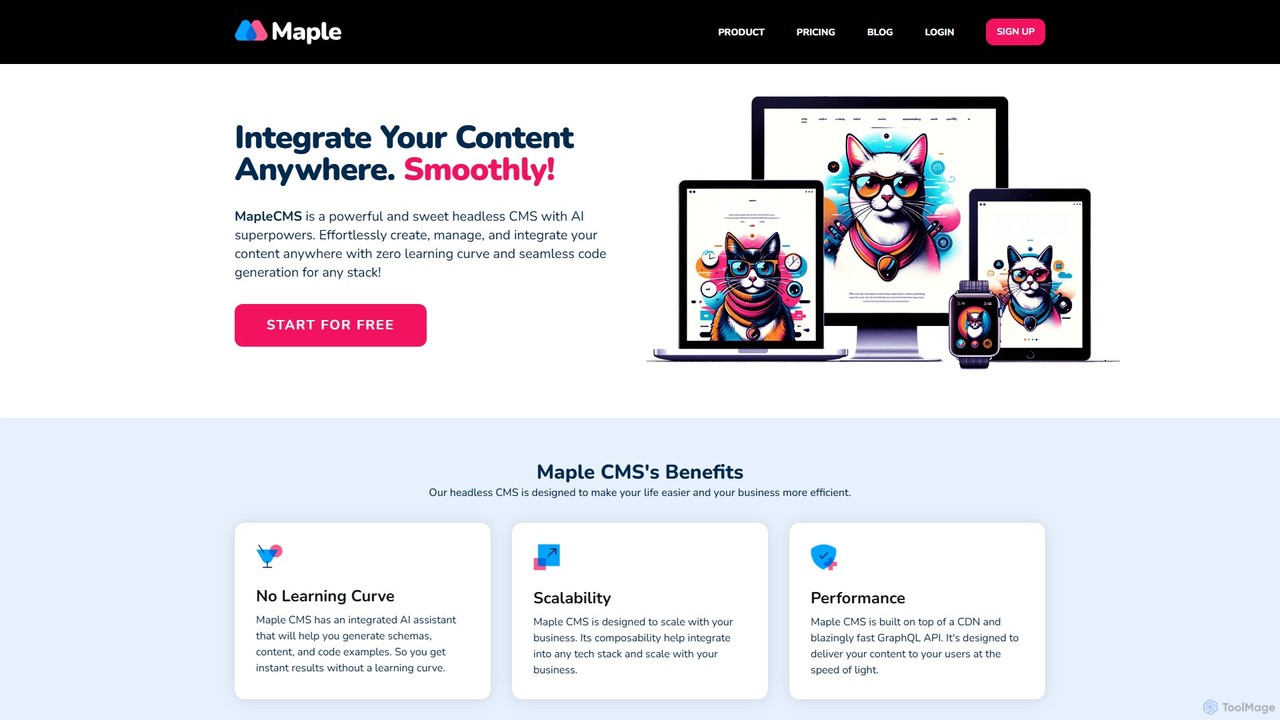
MapleCMS is a powerful, developer-first headless CMS supercharged with AI. It enables users to effortlessly create, manage, and …

3.0K
Contentful

Contentful

Contentful is an intelligent composable content platform that helps enterprises create, manage, and deliver digital experiences at scale. …

1.0M
ClosePod

ClosePod

ClosePod is a partner enablement and digital sales room platform for B2B teams. It helps create secure, branded …

3.0K
HelpLook

HelpLook

HelpLook is an all-in-one AI-powered platform for creating and managing knowledge bases, help centers, and FAQs. It combines …

35.4K
Seismic

Seismic

Seismic is the #1 AI-powered revenue enablement platform, unifying sales and marketing teams. It equips customer-facing teams with …

1.3M

About Content Management

AI Content Management tools are a specialized category of marketing software that uses artificial intelligence to automate the organization, analysis, and optimization of digital content. These platforms leverage machine learning to analyze content performance, automate metadata tagging, and provide strategic insights from vast amounts of data. Their primary value lies in helping marketing teams scale content operations, maintain brand consistency, and make data-driven decisions to maximize content ROI. By centralizing assets and workflows, they streamline the entire content lifecycle from planning to performance analysis.

Core Features

  • Automated Content Tagging & Categorization: AI automatically analyzes and applies relevant tags to content assets like articles, images, and videos for easy search and retrieval.
  • Content Performance Analysis: Provides AI-driven insights into which content pieces are performing best, identifying trends and engagement drivers across different channels.
  • SEO Content Auditing: Systematically evaluates existing content libraries to find optimization opportunities, keyword gaps, and topics for updates or consolidation.
  • Brand Consistency Monitoring: Scans content to ensure it aligns with predefined brand voice, tone, and style guidelines.
  • Content Repurposing Suggestions: Identifies high-performing content and suggests ways to repurpose it into different formats (e.g., blog post to video script).

Applicable Scenarios

These tools are particularly valuable for enterprise marketing teams, digital agencies, and large-scale content publishers managing extensive digital asset libraries. For instance, a global corporation can use them to ensure brand consistency across regional marketing efforts. A B2B company can use them to audit hundreds of blog posts to improve its SEO strategy and identify content gaps.

Selection Criteria

When choosing an AI Content Management tool, consider its integration capabilities with your existing marketing stack (CMS, CRM, social media tools). Evaluate the depth and accuracy of its analytical features and reporting. Assess its ability to handle various content types (text, video, audio, images) and the user-friendliness of its digital asset management (DAM) interface. Finally, consider its scalability and pricing model in relation to your team's size and content volume.

Content ManagementUse Cases

1

Centralizing Digital Asset Management (DAM)

A global marketing team for a large retail brand struggles to manage thousands of digital assets, including product photos, ad creatives, and brand logos, across different regions. Using an AI Content Management tool, they create a central repository. The AI automatically scans each uploaded asset, tagging it with relevant keywords like 'product type', 'campaign name', 'color', and 'season'. This allows marketers in any country to instantly find approved, on-brand assets, reducing redundant creative work and ensuring global brand consistency.

2

Performing a Scalable SEO Content Audit

An SEO specialist at a B2B SaaS company needs to audit a blog with over 500 articles to identify underperforming content. Manually, this would take weeks. They use an AI Content Management tool that integrates with Google Analytics and Search Console. The AI analyzes traffic, engagement metrics, and keyword rankings for every article. It then generates a prioritized list of actions, such as 'articles to update with new data', 'posts to merge due to keyword cannibalization', and 'low-value content to prune'. This transforms a month-long project into a few days of strategic execution.

3

Ensuring Brand Voice Consistency Across Channels

A fast-growing e-commerce company has multiple content creators for its blog, social media, and email newsletters. The Head of Content is concerned about maintaining a consistent brand voice. They implement an AI Content Management tool with brand guideline features. They define their brand's tone (e.g., 'playful but informative') and style rules (e.g., 'avoid passive voice'). The AI then acts as a real-time editor, flagging content that deviates from these guidelines before it's published. This empowers creators while providing a scalable quality control mechanism for the brand.

4

Intelligently Repurposing High-Performing Content

A content marketer notices that a comprehensive blog post titled 'The Ultimate Guide to Email Marketing' is driving significant organic traffic. Instead of manually creating derivative content, they use an AI Content Management tool. The AI analyzes the blog post's structure and key points. It then automatically generates a 10-tweet thread summarizing the guide, five unique social media captions for LinkedIn and Facebook, and a concise script for a 2-minute explainer video. This allows the marketer to maximize the value of their best content across multiple channels with minimal effort.

5

Automating Content Performance Reporting

A digital marketing agency manages content for ten different clients, each with a unique set of KPIs. Creating monthly performance reports is a time-consuming manual process. By adopting an AI Content Management platform, they can create customized, automated dashboards for each client. The AI pulls data from various sources (social media, website analytics, email platforms), analyzes it, and presents key insights in an easy-to-understand format. It can even generate natural language summaries, such as 'This month's top-performing content theme was X, driving a Y% increase in engagement.' This saves the agency dozens of hours per month and provides clients with more timely, actionable insights.

6

Optimizing Content for International Audiences

A software company is expanding into European and Asian markets. Their content team needs to ensure that their existing knowledge base and marketing materials are culturally appropriate and optimized for local search engines. They use an AI Content Management tool that includes localization features. The AI helps identify culturally sensitive phrases, suggests localized keyword alternatives, and analyzes which content formats (e.g., video vs. text) perform best in each target country. This allows the team to adapt their content strategy efficiently for each new market, rather than starting from scratch, improving resonance with international audiences.

Content ManagementFrequently Asked Questions