ToolMage
Sign in

Best 436 Lead Generation AI tools for Marketing

Popular Lead Generation AI tools in Marketing include Jotform, Typeform, Constant Contact, Tally, tawk.to, Fillout, forms.app, Elegant Themes, Goldcast, and Berri, helping you work more efficiently.

EmbedAI
Freemium

EmbedAI

EmbedAI is a no-code platform that allows you to create custom AI chatbots trained on your own data. Easily build and embed a ChatGPT-like assistant on your website to automate customer support, generate leads, and provide instant answers to user questions 24/7.

Chatbot
Visits 6.5KFavorites 155Likes 156

Soca
Freemium

Soca

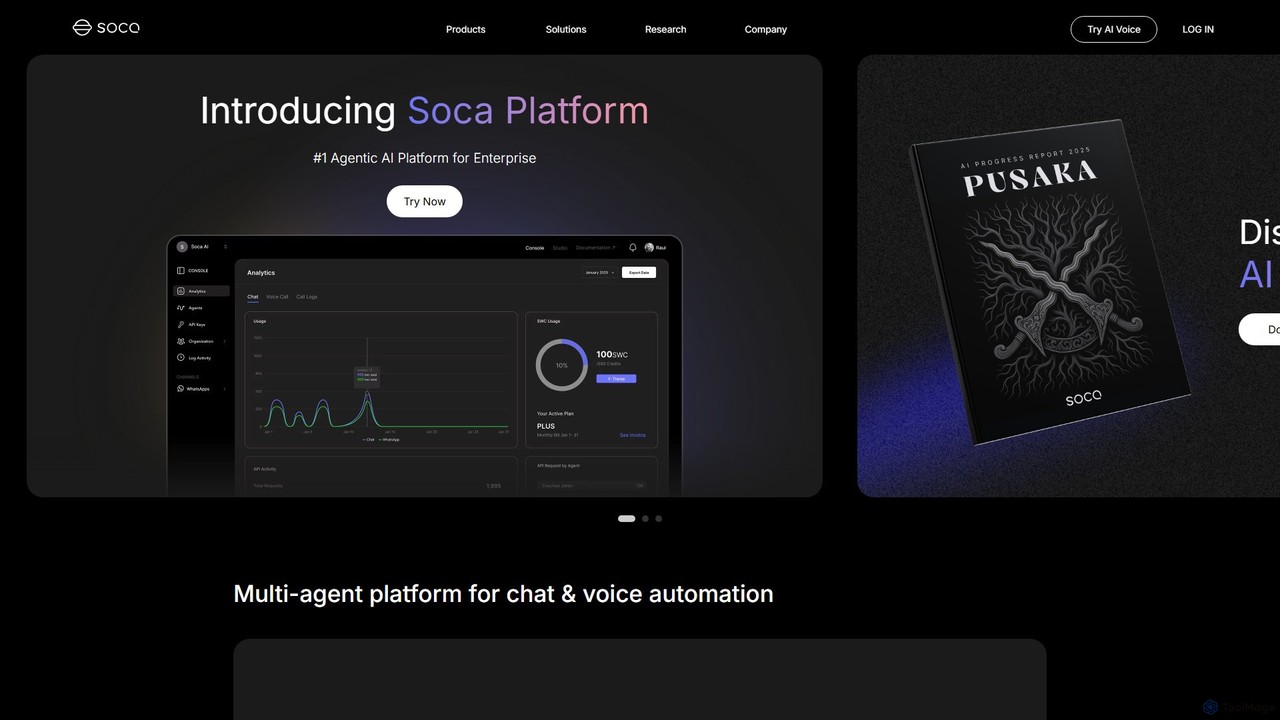
Soca is an enterprise-grade, agentic AI platform for building advanced conversational AI. It offers a no-code environment to create, run, and control intelligent chat and voice agents that are multilingual, empathetic, and capable of real-time action, designed to enhance customer interactions and automate business processes.

Chatbots
Visits 9.2KFavorites 146Likes 147
ChatWizardAI
Freemium

ChatWizardAI

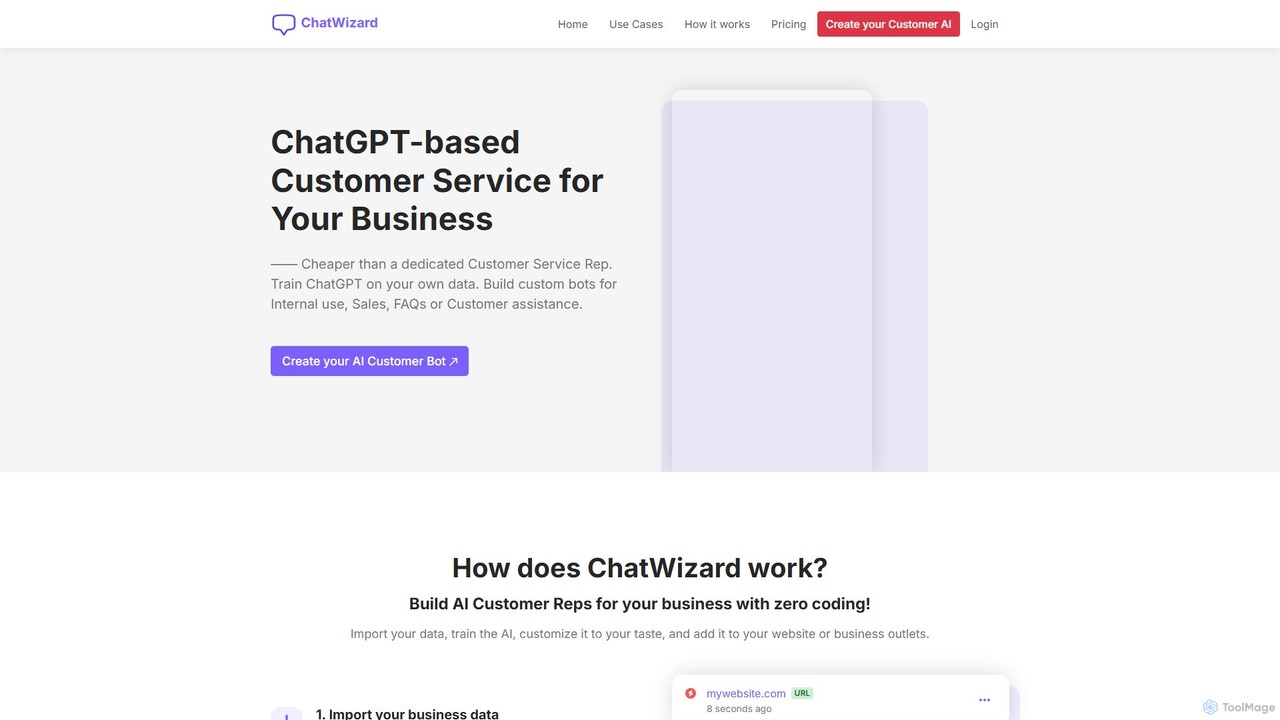
ChatWizardAI is a no-code platform that enables businesses to build custom ChatGPT-powered chatbots. Train your AI on website content, PDFs, and documents to create intelligent assistants for customer service, sales, and internal FAQs. Easily embed the customizable widget on any website to provide 24/7 support, enhance user engagement, and drive business growth. It supports over 30 languages, making global customer interaction seamless.

Chatbot
Visits 7.6KFavorites 136Likes 162
Opinion Stage
Freemium

Opinion Stage

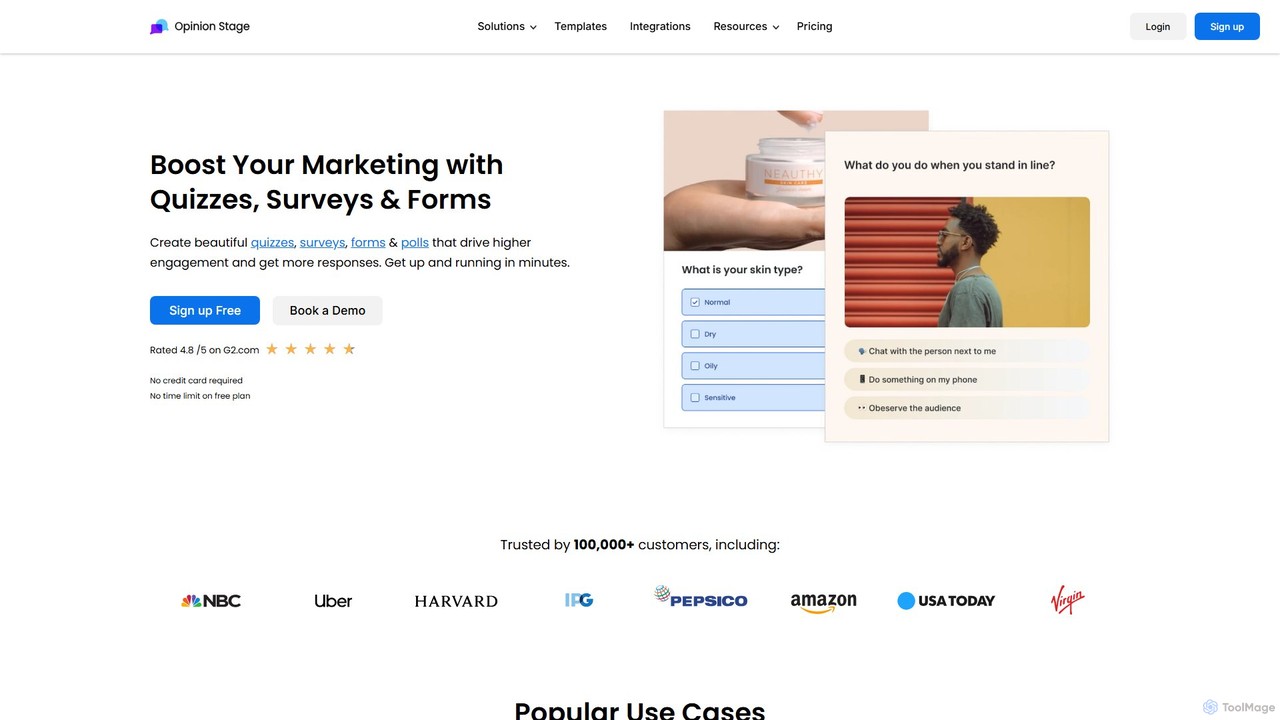
Opinion Stage is an AI-powered platform for creating engaging quizzes, surveys, forms, and polls to boost marketing efforts. It helps businesses increase audience engagement, generate up to 5x more qualified leads, and gather valuable feedback. With an intuitive builder, extensive templates, and deep customization, you can create interactive content that aligns with your brand in minutes. It's designed to turn passive audiences into active participants and drive measurable results.

Surveys & Feedback
Visits 217.9KFavorites 154Likes 147

About Lead Generation

AI Lead Generation tools are a specialized category of marketing software designed to automatically identify, capture, and qualify potential customers. These tools leverage machine learning, data mining, and natural language processing to scan vast online sources like websites, social media, and business directories for high-intent prospects. Their primary value lies in building a consistent pipeline of quality leads for sales teams, significantly reducing the manual effort of prospecting and research. By automating the top of the sales funnel, businesses can accelerate growth and focus resources on closing deals rather than searching for them.

Core Features

  • Automated Prospecting: Discovers potential leads from diverse online sources based on predefined criteria like industry, company size, and job title.
  • Contact Data Enrichment: Finds and verifies contact information, such as email addresses and phone numbers, for identified prospects.
  • Lead Scoring: Ranks leads based on their likelihood to convert by analyzing demographic data and behavioral signals.
  • Website Visitor Identification: Identifies anonymous companies visiting your website, turning web traffic into actionable leads.
  • CRM Integration: Seamlessly syncs newly found and enriched leads into Customer Relationship Management (CRM) systems.

Applicable Scenarios

These tools are essential for B2B sales and marketing teams aiming to scale their outreach efforts. For instance, a SaaS company's sales team can use them to build targeted lists of decision-makers in specific industries. Marketing agencies also rely on them to generate leads for multiple clients efficiently. Startups use them to find their initial customer base without a large sales force.

Selection Criteria

When choosing a tool, evaluate the quality and breadth of its data sources, as this directly impacts lead accuracy. Consider its integration capabilities with your existing CRM and marketing automation platforms. Assess the flexibility of its filtering and lead scoring features to ensure they align with your ideal customer profile. Finally, compare pricing models, which may be based on subscriptions, credits, or per-lead costs.

Featured tool rankings

Lead Generation use cases

1

Automate B2B Prospecting for Sales Teams

A B2B sales development representative (SDR) is tasked with finding 50 new qualified leads per week. Instead of manually searching LinkedIn and company websites, they use an AI lead generation tool. They input their ideal customer profile: 'VPs of Marketing in SaaS companies with 50-200 employees in North America'. The tool scans its database and the web, returning a list of hundreds of matching individuals with verified email addresses and direct-dial phone numbers in minutes. This allows the SDR to spend their time on personalized outreach and booking meetings, rather than on data collection, effectively tripling their productivity.

2

Identify High-Intent Anonymous Website Visitors

A marketing manager at a software company notices high traffic to their pricing page, but a low form submission rate. They implement an AI lead generation tool that specializes in website visitor identification. The tool reverse-engineers the IP addresses of visitors to identify the companies they work for. The marketing team now receives daily reports of companies that visited key pages. They can filter these by industry and size, then pass these high-intent, 'warm' leads to the sales team for proactive outreach, effectively capturing potential customers who would have otherwise been lost.

3

Enrich Inbound Leads for Faster Qualification

A company generates hundreds of leads from a webinar, but the sign-up form only asked for a name and email. To qualify and route them effectively, the marketing operations team uses an AI tool to enrich this data. By uploading the list of emails, the tool automatically appends crucial information like job title, company name, company size, industry, and location to each contact. Within minutes, the raw list is transformed into a fully detailed dataset. This allows for immediate segmentation and scoring, ensuring high-value leads are sent to the right sales reps instantly, shortening the speed-to-lead time dramatically.

4

Build Targeted Lists for Account-Based Marketing (ABM)

An Account-Based Marketing (ABM) manager needs to launch a campaign targeting fintech companies in Europe that recently received Series B funding. Manually compiling this list would be extremely time-consuming. Using an AI lead generation platform, they apply specific filters: 'Industry: FinTech', 'Location: Europe', 'Funding Stage: Series B', and 'Employee Count: 100-500'. The tool generates a precise list of target companies. They then use the same tool to identify key personas within those companies, such as 'Head of Innovation' or 'CFO', and export the entire list with contact details directly to their marketing automation platform to launch a highly personalized campaign.

5

Find Sales Leads from Social Media Platforms

A freelance graphic designer wants to find new clients. They use an AI lead generation tool with a browser extension that integrates with professional social networks. While browsing profiles of marketing managers, they can click a button to instantly find and verify that person's corporate email address and add them to a prospecting list within the tool. This process turns a passive social network into an active lead source, allowing the designer to build a targeted outreach list quickly and efficiently without ever leaving the social media platform. They can then export this list for a personalized email campaign.

6

Validate and Clean Existing Contact Lists

A marketing team is planning a major email campaign to an old list of 10,000 contacts. To avoid high bounce rates and protect their sender reputation, they use the data validation feature of an AI lead generation tool. They upload their CSV file, and the tool processes the list, checking each email address for validity and deliverability. It flags invalid, risky, or outdated emails. The team receives a cleaned list, removing over 1,500 bad contacts. This simple step ensures their campaign reaches real inboxes, improves open rates, and prevents their domain from being blacklisted by email providers.

Lead Generation FAQ

What are AI Lead Generation tools?

AI Lead Generation tools are software applications that use artificial intelligence to automate the process of finding and qualifying potential customers (leads). They analyze vast amounts of data from online sources to identify individuals and companies that match a user's ideal customer profile. Key functions include automated prospecting, contact data enrichment, and lead scoring to prioritize the most promising opportunities for sales teams.

How do I choose the right AI Lead Generation tool?

To choose the right tool, consider these factors:

  • Data Quality and Source: Ensure the tool draws from accurate, up-to-date, and compliant data sources relevant to your target market.
  • Ideal Customer Profile (ICP) Fit: Check if the tool's filtering capabilities (e.g., by industry, company size, technology used) are specific enough to match your ICP.
  • Integrations: Verify that it integrates smoothly with your existing CRM, sales engagement, and marketing automation platforms.
  • Features: Determine if you need features like website visitor identification, email verification, or social media prospecting, and choose a tool that offers them.
  • Pricing Model: Compare subscription costs, credit-based systems, or per-lead pricing to find what best fits your budget and usage volume.
What's the difference between Lead Generation tools and CRM software?

The primary difference lies in their function within the sales process. AI Lead Generation tools are focused on the very top of the funnel: finding and qualifying new prospects who are not yet in your system. Their job is to fill the pipeline. CRM (Customer Relationship Management) software, on the other hand, is for managing relationships with existing leads and customers. It's a system of record for all interactions, communications, and deal stages after a lead has been identified. In short, lead generation tools feed new contacts into the CRM.

What kind of data can AI Lead Generation tools find?

AI Lead Generation tools can find a wide range of data points to build a comprehensive profile of a lead. This typically includes:

  • Contact Data: Verified business email addresses, direct-dial phone numbers, and social media profiles.
  • Firmographic Data: Company name, industry, location, employee count, and annual revenue.
  • Technographic Data: The technologies and software a company uses (e.g., their CRM, marketing automation, or payment provider).
  • Buying Signals: Recent events like funding announcements, hiring for specific roles, or increased web traffic, which may indicate an intent to purchase.
Who benefits most from using AI Lead Generation tools?

While many roles can benefit, the primary users are typically in B2B environments. This includes:

  • Sales Development Representatives (SDRs): To automate prospecting and build outreach lists, allowing them to focus on engaging with potential customers.
  • Marketing Teams: To enrich inbound leads, identify anonymous website visitors, and build targeted lists for campaigns like ABM.
  • Business Founders and Entrepreneurs: To find their first customers and build a sales pipeline without needing a large, dedicated sales team.
  • Recruiters: To identify and find contact information for potential job candidates who fit specific criteria.