ToolMage
Sign in

Best 101 Personalization AI tools for Marketing

Popular Personalization AI tools in Marketing include Intellimize, Canary Technologies, Perfect Corp, recos.studio, D-ID Agents, AKOOL, Optimizely, Hightouch, VWO, and liftigniter, helping you work more efficiently.

crayondata
Paid

crayondata

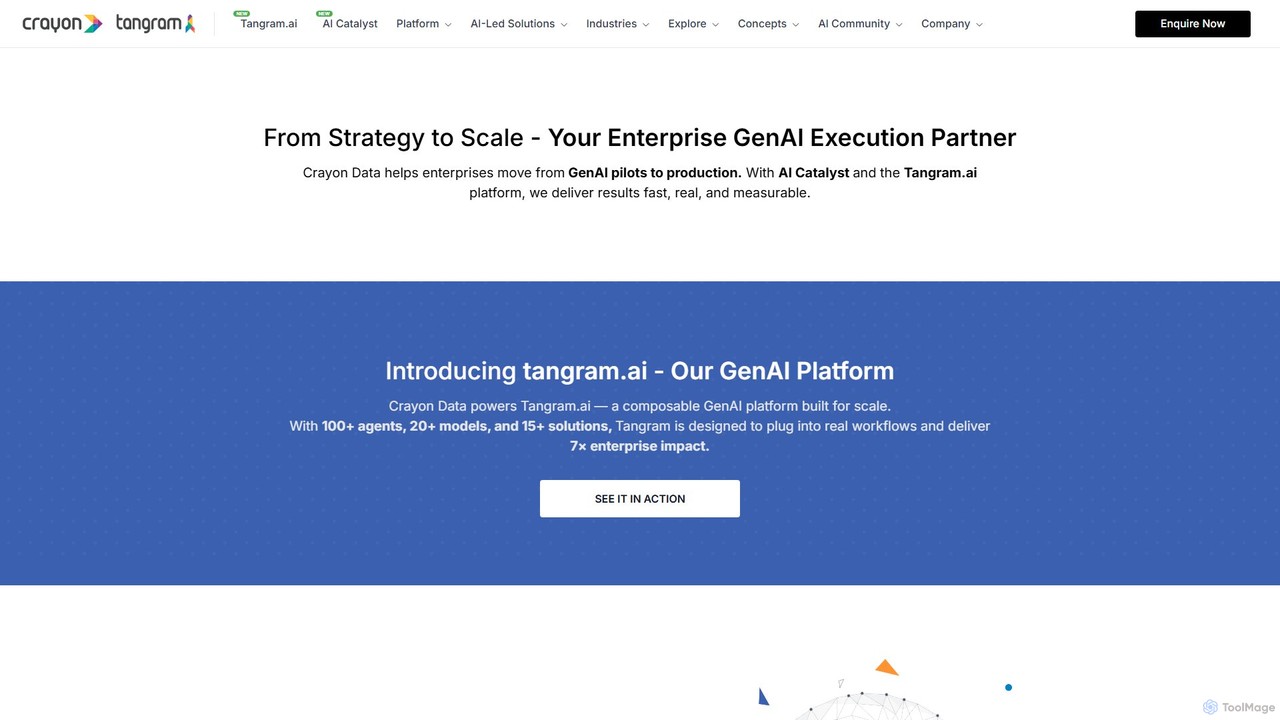
Crayon Data is a B2B AI solutions provider for enterprises, helping them transition from GenAI pilots to full-scale production. Through its composable GenAI platform, tangram.ai, and its flagship platform, maya.ai, it offers personalized, industry-specific solutions. Crayon Data focuses on enhancing customer engagement, accelerating revenue growth, and optimizing operational efficiency for sectors like banking, travel, and digital payments by leveraging agentic AI workflows and data-driven insights.

Enterprise Solutions
Visits 9.5KFavorites 119Likes 113
Pitchlane
Freemium

Pitchlane

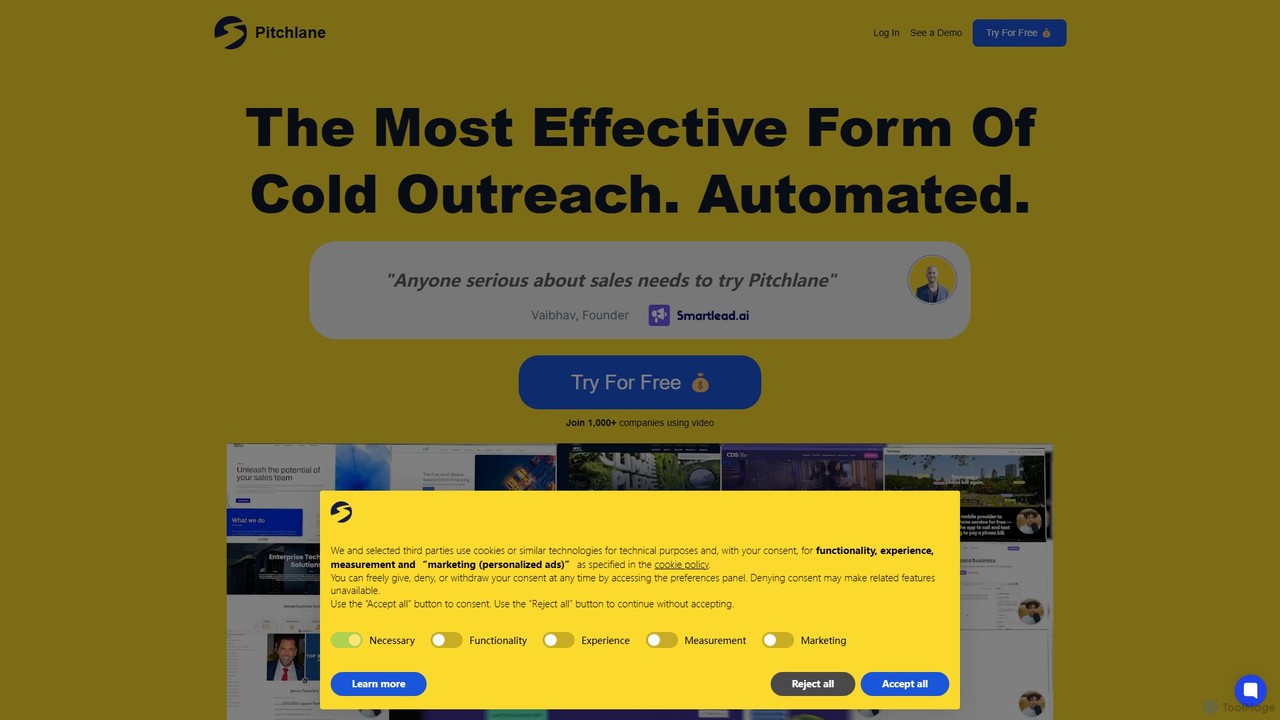
Pitchlane is an AI-powered platform that automates personalized video outreach at scale. It enables sales and marketing teams to create thousands of unique videos for prospects by dynamically inserting recordings of their websites as a background, significantly boosting engagement and meeting booking rates.

Personalization
Visits 31.6KFavorites 157Likes 142
flowRL

flowRL

flowRL is an AI-powered platform that delivers real-time UI personalization to boost product revenue and user engagement. Using advanced Reinforcement Learning, it automatically adapts the user interface for each individual, moving beyond traditional A/B testing to achieve up to 2-3x uplift in key metrics like conversion, retention, and LTV.

Testing
Visits 6KFavorites 120Likes 118
ConvoSearch
Freemium

ConvoSearch

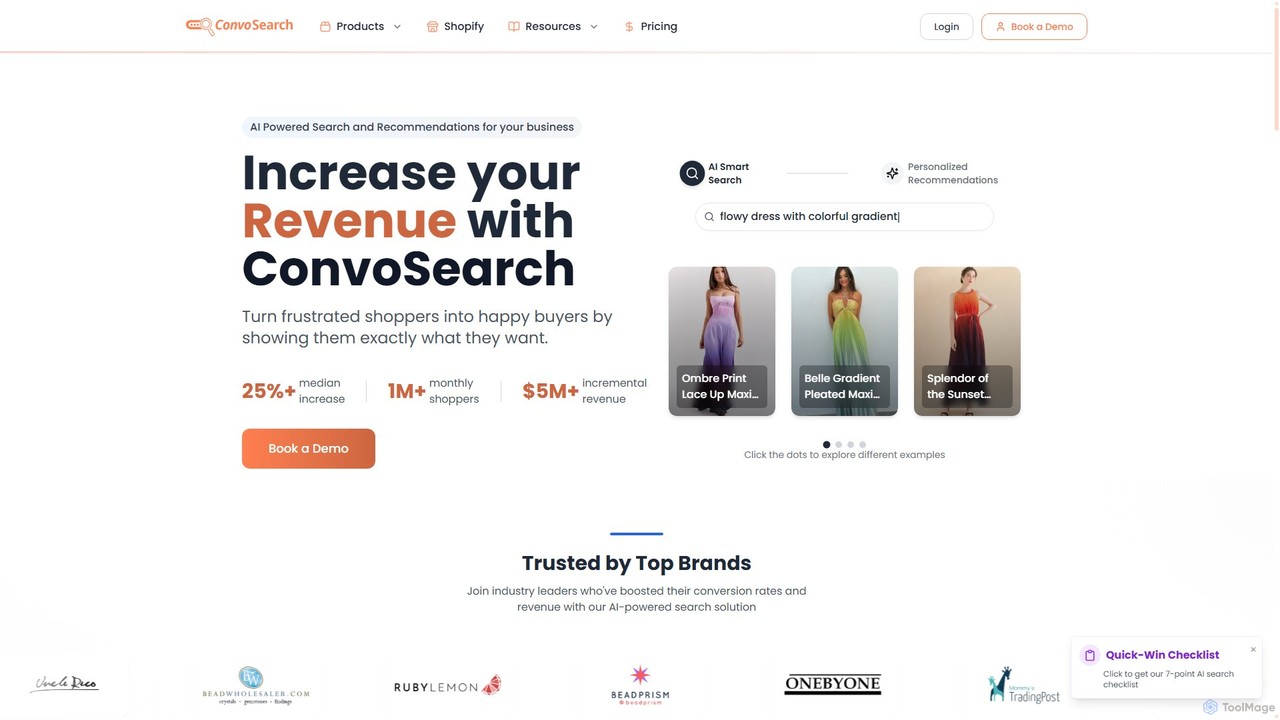
ConvoSearch is an advanced AI-powered search and recommendation engine for e-commerce businesses. It helps increase revenue and customer satisfaction by providing highly relevant, personalized search results and product suggestions. It seamlessly integrates with platforms like Shopify and offers custom solutions, boosting conversion rates and average order value through features like semantic search, image search, and deep analytics.

Search
Visits 6.3KFavorites 150Likes 150
Customily
Paid

Customily

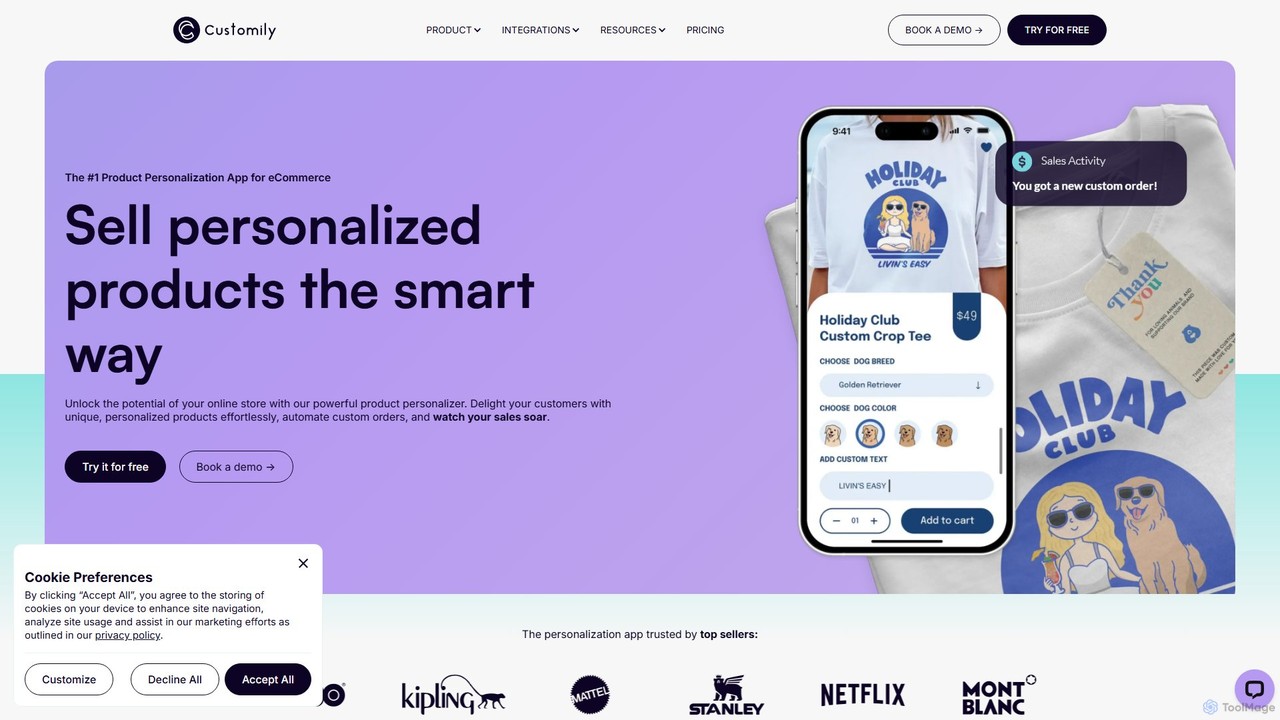
Customily is a leading product personalization software for e-commerce businesses. It allows online stores to offer customers advanced customization options with live previews, automating the creation of print-ready files to streamline fulfillment and boost sales.

Product Design
Visits 193.5KFavorites 145Likes 136

About Personalization

AI Personalization tools are a specialized category of marketing software that uses machine learning to deliver unique, tailored experiences to individual users. These tools analyze vast amounts of user data—such as browsing history, purchase behavior, and demographic information—to dynamically adjust content, product recommendations, and offers in real-time. The primary value lies in creating highly relevant interactions that significantly boost user engagement, conversion rates, and customer loyalty. They move beyond simple market segmentation to enable true one-to-one marketing at scale.

Core Features

  • Behavioral Tracking & Data Analysis: Automatically collects and interprets user interaction data across multiple touchpoints to build comprehensive user profiles.
  • Dynamic Content Delivery: Modifies website content, emails, and app interfaces in real-time to match individual user preferences and behavior.
  • Predictive Recommendation Engines: Utilizes machine learning algorithms to forecast user interests and suggest relevant products, articles, or services.
  • Automated A/B/n Testing: Continuously tests and optimizes different personalized variations of content or offers to identify the most effective approach for different user segments.
  • Cross-Channel Personalization: Ensures a consistent and personalized user experience across various platforms, including web, mobile apps, and email.

Use Cases

These tools are essential for industries like e-commerce, media and publishing, travel, and SaaS. E-commerce managers use them to create personalized shopping experiences. Digital marketers leverage them to increase the relevance of their campaigns, while product managers in streaming services use them to curate content feeds and improve user retention.

How to Choose

When selecting an AI Personalization tool, consider its data integration capabilities with your existing CRM and analytics platforms. Evaluate the sophistication of its machine learning models and the level of control you have over the algorithms. Also, assess its scalability to handle your user traffic, the clarity of its analytics and reporting, and whether its pricing model aligns with your business goals.

Featured tool rankings

Personalization use cases

1

Dynamic Product Recommendations for E-commerce

An e-commerce marketing manager aims to increase the average order value and conversion rate. By implementing an AI personalization tool, they can analyze a user's real-time browsing behavior, past purchases, and items in their cart. The tool then automatically populates sections like 'You Might Also Like' and 'Frequently Bought Together' with highly relevant products. This transforms a generic storefront into a personal shopping assistant, leading to a measurable uplift in sales and customer engagement without manual curation.

2

Personalizing Content for Media & Publishing Platforms

A content strategist for a news or streaming platform wants to increase user session duration and reduce churn. Using a personalization engine, the platform can tailor the homepage for each returning visitor, highlighting articles, videos, or shows based on their viewing history and stated interests. The AI can also power personalized newsletters and push notifications about new content, ensuring users are consistently engaged with material that is most relevant to them. This leads to higher subscriber retention and increased ad revenue.

3

Tailoring Email Marketing Campaigns at Scale

An email marketer needs to improve open rates and click-through rates for their campaigns. Instead of sending one generic email to the entire list, they use an AI personalization tool to dynamically insert product recommendations, blog post suggestions, or even change the hero image based on each recipient's profile. The AI can also optimize send times for individual users. This level of personalization makes each email feel like a one-to-one communication, dramatically improving campaign performance and driving more conversions.

4

Customizing Website Experience for B2B Leads

A B2B marketer wants to increase lead quality from their company website. By using an AI personalization tool integrated with a data enrichment service, they can identify a visitor's industry, company size, and location. The website can then dynamically change its headlines, case studies, and calls-to-action to be highly relevant to that specific visitor. For example, a visitor from the healthcare industry would see testimonials from hospitals, while a visitor from finance would see fintech case studies. This tailored approach significantly increases the likelihood of converting high-value visitors into qualified leads.

5

Optimizing In-App User Onboarding

A product manager for a SaaS application wants to improve user activation and long-term retention. They use a personalization tool to create a dynamic onboarding experience. Based on the user's role or goals selected during signup, the tool guides them through the most relevant features first. For example, a 'marketer' is shown campaign creation tools, while a 'developer' is guided to the API documentation. This tailored first-run experience helps users find value faster, reducing initial frustration and increasing the likelihood they will become active, paying customers.

6

Delivering Personalized Travel & Hospitality Offers

A marketing director for a hotel chain or airline wants to increase direct bookings and customer loyalty. By leveraging an AI personalization platform, they can track user searches for destinations and travel dates. The website can then display personalized offers, such as a discount on a flight to a frequently searched city or a hotel package that includes activities the user has previously shown interest in. This proactive and relevant offering strategy is far more effective than generic promotions, leading to higher booking conversion rates and repeat business.

Personalization FAQ

What are AI Personalization tools?

AI Personalization tools are software platforms that use artificial intelligence and machine learning to deliver customized experiences to individual users. They analyze user data like browsing history, clicks, and past purchases to dynamically alter website content, product recommendations, and marketing messages in real-time. The goal is to make every interaction feel uniquely relevant to the user, thereby increasing engagement, conversions, and loyalty.

How is AI Personalization different from basic segmentation?

Basic segmentation groups users into broad categories (e.g., 'new visitors', 'customers from New York'). All users in a segment see the same content. AI Personalization goes a step further by treating each user as a 'segment of one'. It uses machine learning to understand individual preferences and behaviors, allowing it to deliver unique content, offers, and recommendations to each person, even if they are in the same broad segment. It's the difference between a tailored suit and an off-the-rack size.

How do I choose the right AI Personalization tool?

Choosing the right tool depends on your specific needs. Consider the following factors:

  • Integration: Does it easily connect with your existing data sources like your CRM, e-commerce platform, and analytics tools?
  • Scalability: Can the tool handle your current and future website traffic and data volume?
  • Ease of Use: How intuitive is the platform for your marketing team to set up and manage campaigns without heavy reliance on developers?
  • Algorithm Control: Does it offer a balance between automated AI decisions and manual control to fine-tune the personalization strategies?
  • Analytics & Reporting: Does it provide clear, actionable insights into how personalization is impacting your key business metrics?
What kind of data do personalization tools use?

AI personalization tools use a combination of data types to build a comprehensive user profile. This includes:

  • Behavioral Data: Pages viewed, time on site, clicks, items added to cart, videos watched, and search queries.
  • Transactional Data: Past purchase history, order value, and frequency of purchases.
  • Contextual Data: Device type, location, time of day, and referral source.
  • Demographic Data: Information like age, gender, and interests, often collected from user profiles or integrated from a CRM.

The more high-quality data the tool can access, the more accurate and effective the personalization will be.

Can small businesses benefit from AI Personalization?

Yes, absolutely. While once reserved for large enterprises, many AI personalization tools now offer scalable pricing plans suitable for small and medium-sized businesses (SMBs). For a small e-commerce store, even basic personalization like showing recently viewed items or recommending related products can significantly lift sales. For a small SaaS company, a personalized onboarding flow can dramatically improve user retention. The key is to start with a clear goal and choose a tool that matches your budget and technical resources.