Ecommerce Best in category 2 results Search AI Tool

Popular AI tools in the Search field of Ecommerce include Empathy.co、ConvoSearch, etc., helping you quickly improve efficiency.

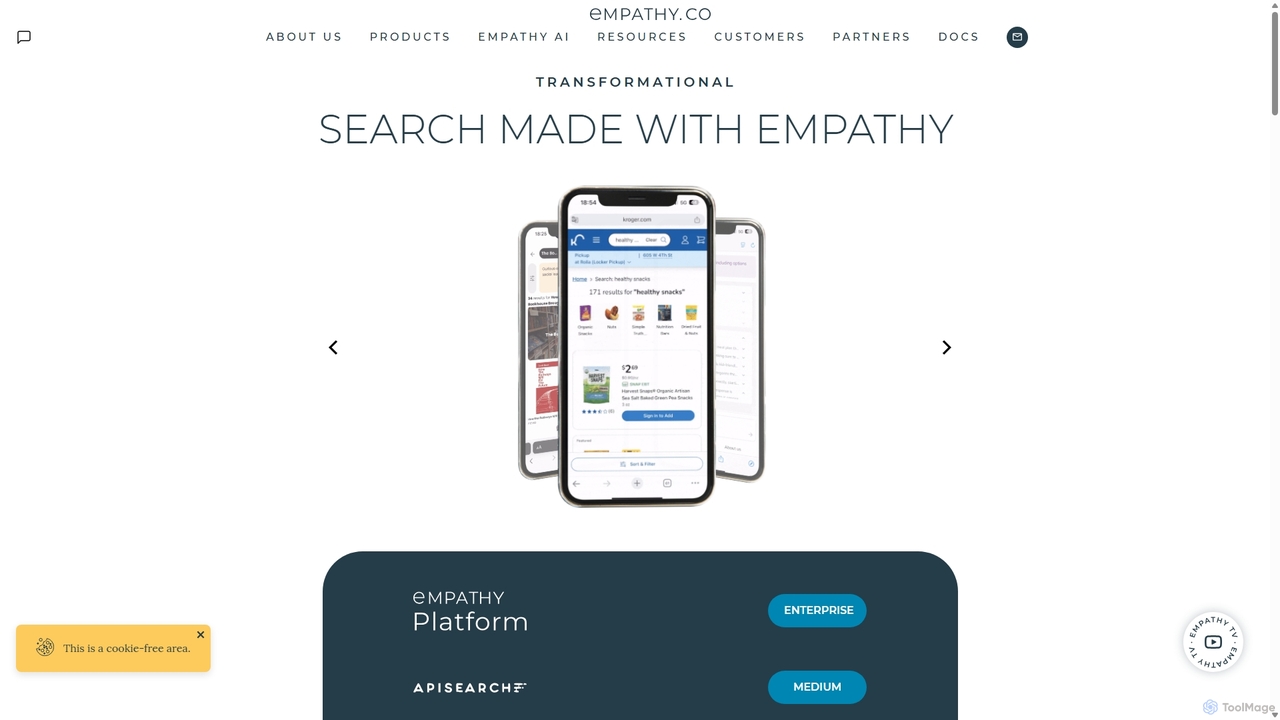
Empathy.co

Empathy.co

Empathy.co is an enterprise-grade AI search and discovery platform for e-commerce, built on the principles of ethical AI. …

21.7K
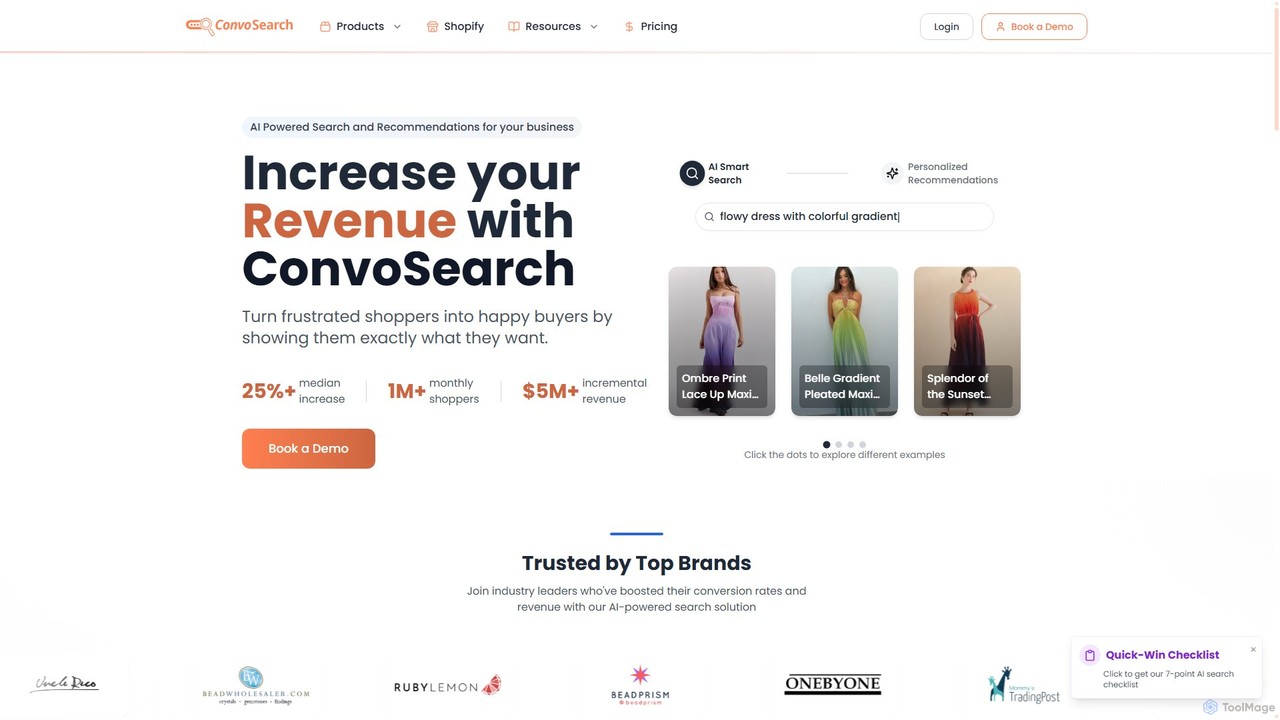
ConvoSearch

ConvoSearch

ConvoSearch is an advanced AI-powered search and recommendation engine for e-commerce businesses. It helps increase revenue and customer …

2.5K

About Search

AI Search tools for ecommerce are intelligent systems designed to understand user intent far beyond simple keyword matching. They leverage technologies like Natural Language Processing (NLP) and machine learning to interpret complex, conversational queries and deliver highly relevant product results. This approach transforms the online shopping experience by making product discovery intuitive, personal, and efficient, directly leading to higher conversion rates and customer satisfaction. These tools analyze user behavior and context to continuously refine and personalize search outcomes.

Core Features

  • Semantic Search: Understands the meaning and context behind a search query, not just the keywords, to find the most relevant products.
  • Visual Search: Allows users to search for products using an image, finding visually similar items in the catalog.
  • Personalized Ranking: Dynamically re-ranks search results for each user based on their browsing history, purchase patterns, and preferences.
  • Advanced Filtering & Facets: Automatically generates and suggests relevant filters (facets) based on the search query and product category.
  • Typo Tolerance & Autocomplete: Intelligently corrects spelling errors and predicts user queries in real-time to speed up the search process.

Use Cases

These tools are essential for online retailers, multi-vendor marketplaces, and B2B ecommerce platforms seeking to enhance product discovery. For example, a fashion retailer can use AI search to help shoppers find an "outfit for a summer wedding," interpreting the context to show dresses, shoes, and accessories. A home goods store can use visual search to let customers find furniture that matches a photo they've seen.

How to Choose

When selecting an AI Search tool, consider its integration capabilities with your ecommerce platform (e.g., Shopify, Magento, BigCommerce). Evaluate the depth of its analytics and reporting to understand user search behavior. Assess the level of customization available for ranking rules and the user interface. Finally, consider the scalability of the solution to handle your catalog size and traffic volume.

SearchUse Cases

1

Enhance Product Discovery with Semantic Search

An online fashion retailer wants to help customers find products using natural, everyday language. Instead of a customer searching for "blue cotton v-neck t-shirt," they can search for "casual shirt for summer weekend." The AI Search tool uses NLP to understand the intent—'casual,' 'summer,' 'weekend'—and displays relevant t-shirts, polo shirts, and linen shirts, even if those exact keywords aren't in the product descriptions. This leads to a 15% increase in session duration and a higher conversion rate by reducing search friction.

2

Implement 'Shop the Look' with Visual Search

A home decor marketplace allows users to upload photos from social media or magazines. A customer uploads an image of a well-decorated living room. The AI visual search tool identifies multiple products within the image—a specific sofa, a floor lamp, and a coffee table. It then displays visually similar items available for purchase from their catalog. This not only creates a seamless user journey from inspiration to purchase but also significantly increases the average order value by promoting complementary products.

3

Personalize Search Rankings for Returning Customers

A large electronics retailer uses an AI search tool that tracks user behavior. A returning customer who previously browsed high-end gaming laptops searches for "laptops." Instead of showing generic best-sellers, the AI algorithm prioritizes and displays premium gaming laptops at the top of the results. For another user who previously bought budget-friendly accessories, the same search would rank affordable, general-use laptops higher. This personalization makes users feel understood and significantly improves the likelihood of a purchase.

4

Reduce 'No Results Found' Pages with Typo Tolerance

A B2B supplier of industrial parts has a catalog with complex product names and model numbers. Customers frequently make typos, like searching for "aluninum brackt" instead of "aluminum bracket." A standard search would return zero results, leading to a lost sale. The AI search tool's typo tolerance feature automatically corrects the spelling and understands the user's intent, presenting the correct product page. This simple feature drastically reduces site abandonment rates and improves the user experience for non-expert buyers.

5

Automate Dynamic Filtering for Large Catalogs

An online auto parts store has hundreds of thousands of SKUs, each with dozens of attributes (brand, model, year, engine type). Manually creating filters is impossible. An AI search tool analyzes the product data and user search queries to dynamically generate relevant filters. After a user searches for "brake pads for a 2020 Ford F-150," the AI automatically displays facets like 'Brake Pad Material' (Ceramic, Semi-Metallic) and 'Position' (Front, Rear). This guided navigation helps users quickly narrow down the vast catalog to find the exact part they need.

6

Optimize for Voice Commerce Queries

A grocery delivery service wants to capture orders from users of smart speakers and voice assistants. Voice queries are longer and more conversational, such as "find me a gluten-free pasta that can be delivered by tomorrow." An AI search engine is configured to understand these long-tail, natural language requests. It parses the key attributes ('gluten-free', 'pasta') and constraints ('delivery by tomorrow') to provide accurate, voice-ready results. This optimization opens up a new sales channel and caters to the growing trend of voice-activated shopping.

SearchFrequently Asked Questions