ToolMage
Sign in

Best 173 Video Marketing AI tools for Marketing

Popular Video Marketing AI tools in Marketing include Vimeo, OpusClip, Kapwing, vidiq, Sora, Synthesia, booom.ai, Flixier, Vizard, and Animaker, helping you work more efficiently.

ihaveadream
Paid

ihaveadream

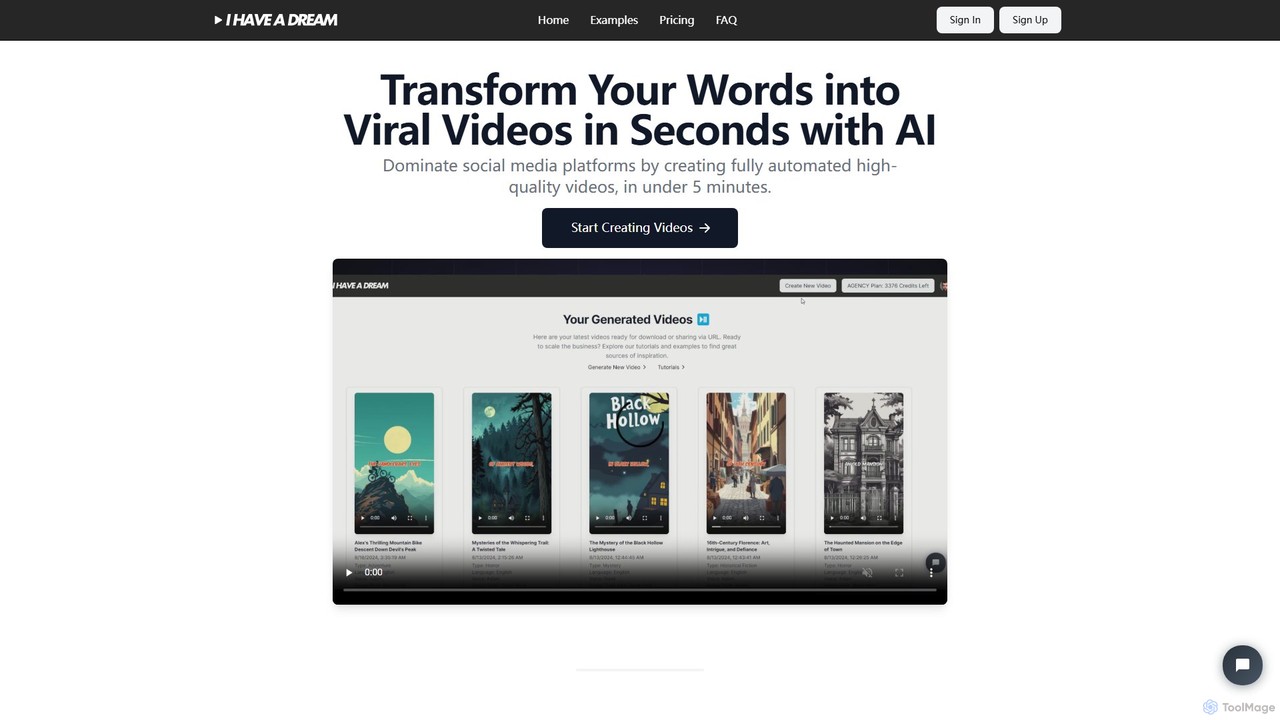
ihaveadream is an AI-powered platform that transforms text, keywords, or links into engaging, viral videos for social media in minutes. It automates the entire creation process, including scriptwriting, image generation, voiceovers, and subtitles, making it ideal for creators, marketers, and agencies.

Video Marketing
Visits 6KFavorites 130Likes 138

YouTube
Freemium

YouTube

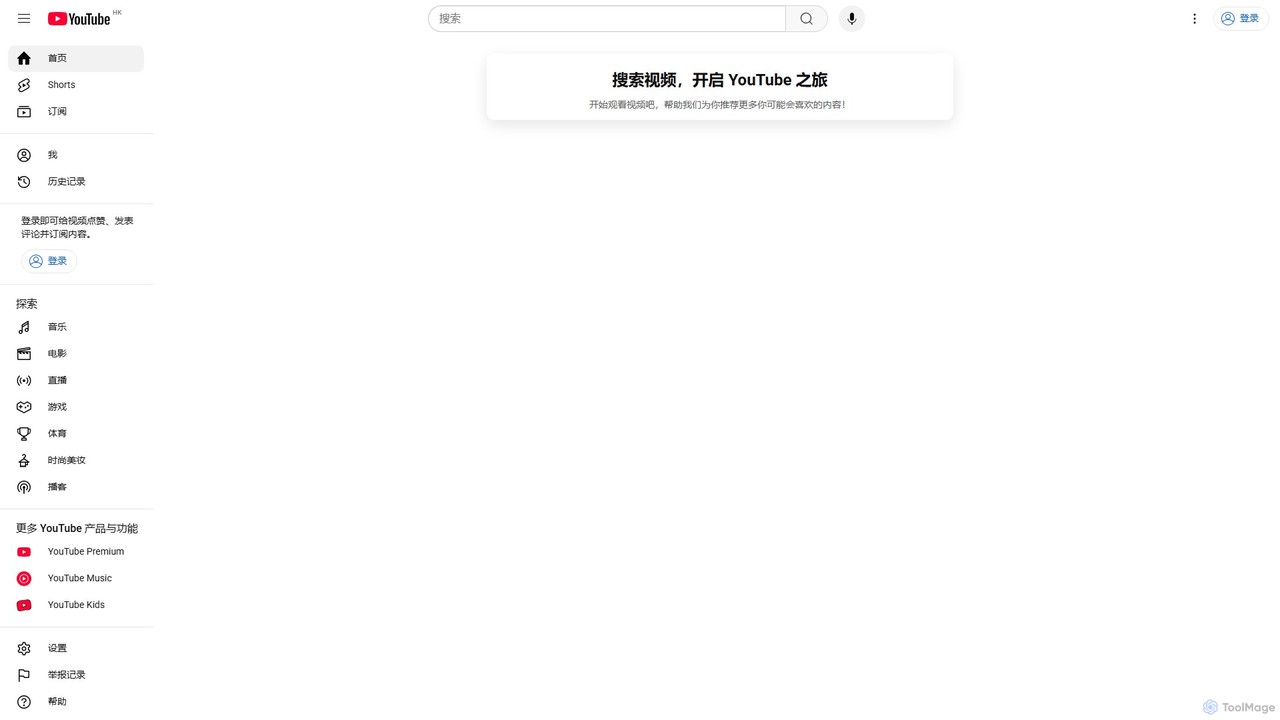
YouTube is a global video-sharing platform that leverages sophisticated AI to personalize content discovery, power search, and provide creators with advanced tools. Its core is an AI recommendation engine that tailors video suggestions to individual user behavior, alongside AI-driven features like automatic captions, content moderation, and in-depth analytics, making it a central hub for entertainment, education, and the creator economy.

Learning Platforms
Visits 59KFavorites 110Likes 102
Speechki
Freemium

Speechki

Speechki is an advanced AI voice generator that transforms text into realistic, engaging audio. It offers over 1,100 voices in 80+ languages, high-fidelity voice cloning, and a powerful visual editor. It's ideal for content creators, marketers, educators, and podcasters, featuring a seamless ChatGPT plugin for instant audio generation.

Text To Speech
Visits 6KFavorites 111Likes 114
blipix
Freemium

blipix

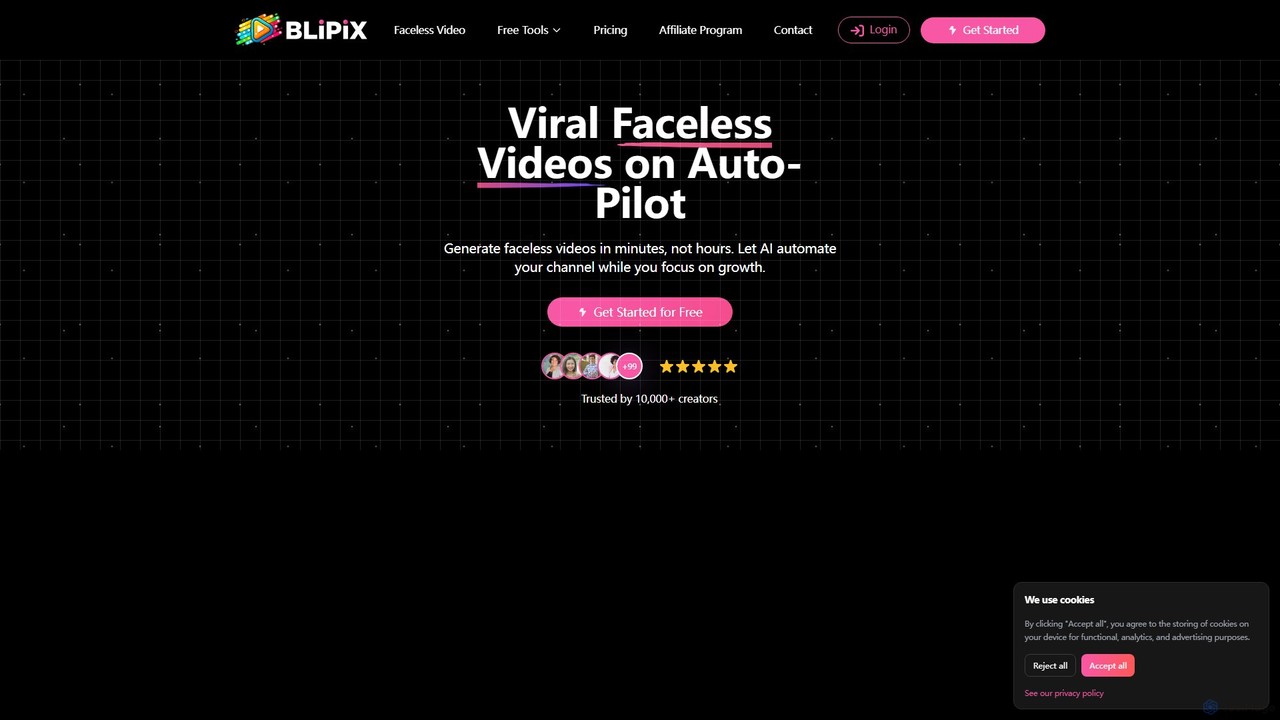
Blipix is an AI-powered faceless video generator for YouTube and TikTok creators. It automates the entire content creation process, from scriptwriting and voiceovers to generating visuals and scheduling posts. This allows creators to produce viral, monetizable videos in minutes without ever showing their face, saving time and reducing production costs.

Video Marketing
Visits 20.2KFavorites 154Likes 155
Bytecap
Freemium

Bytecap

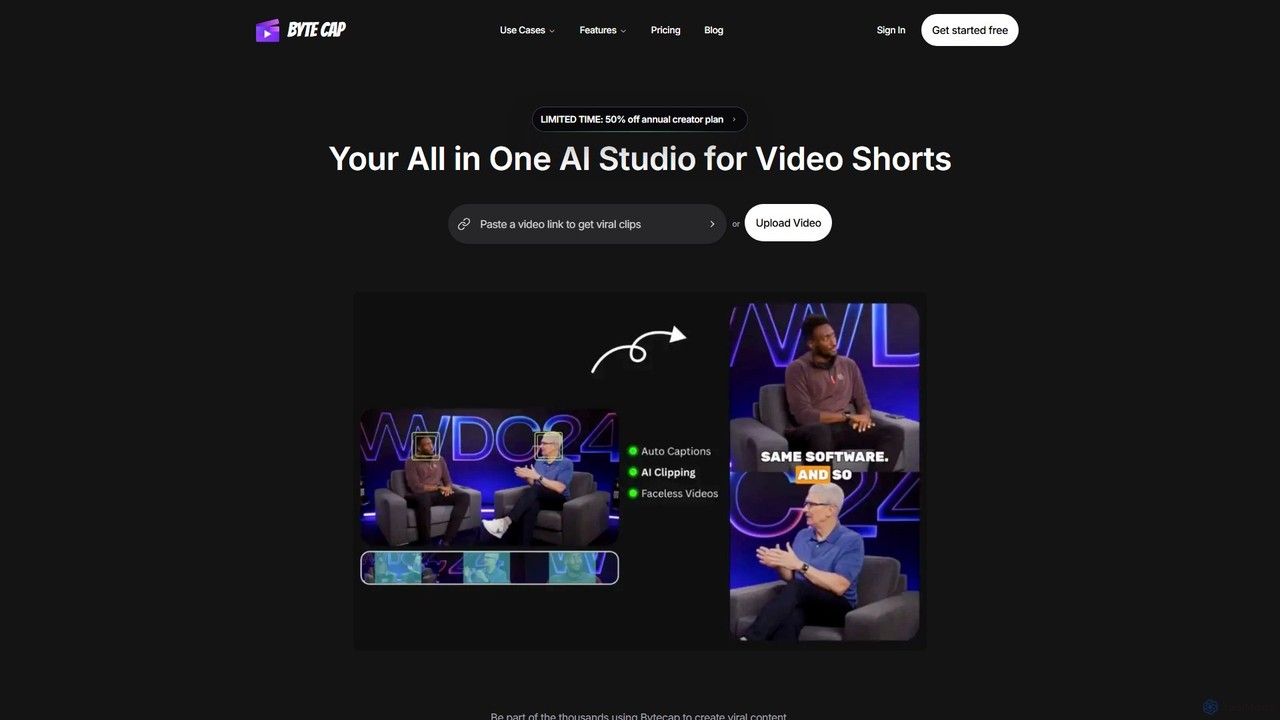
Bytecap is an all-in-one AI video studio that automates the creation of viral short videos. It uses AI to clip the best moments from long-form content, add highly accurate and customizable captions, and generate engaging faceless videos from simple text prompts. Designed for creators, marketers, and professionals, it streamlines video production for platforms like TikTok, Reels, and YouTube Shorts, requiring no prior editing skills.

Video Marketing
Visits 26.9KFavorites 155Likes 157

About Video Marketing

AI Video Marketing tools are a specialized category of software designed to automate and optimize the entire lifecycle of video content for promotional purposes. Leveraging generative AI and machine learning, these platforms can create videos from text, analyze audience engagement, and personalize content at scale. Their primary value lies in enabling marketers to produce high-impact video campaigns more efficiently, driving higher conversion rates and brand visibility. This approach integrates video creation directly into data-driven marketing strategies.

Core Features

  • AI Scriptwriting: Generates compelling video scripts and storyboards based on marketing goals and target audience data.
  • Automated Video Generation: Transforms blog posts, product descriptions, or simple text into fully edited videos with stock media, music, and branding.
  • Dynamic Personalization: Creates thousands of unique video variations by automatically inserting customer-specific data like names or purchase history.
  • Performance Analytics & Optimization: Tracks viewer engagement metrics and provides AI-driven recommendations to improve video performance.
  • Multilingual Voiceover & Dubbing: Automatically generates realistic voiceovers or dubs videos into multiple languages to expand global reach.

Use Cases

These tools are widely used by social media managers for creating ad variants, e-commerce brands for generating product demo videos, and content marketers for repurposing articles into video formats. Corporate communication teams also use them for internal training and announcements.

How to Choose

When selecting a tool, consider its integration capabilities with your existing marketing stack (CRM, social media schedulers). Evaluate the level of brand customization available, the quality and variety of its stock media library, and the depth of its analytics. Also, assess whether its primary generation method—such as text-to-video or data-to-video—aligns with your content workflow.

Featured tool rankings

Video Marketing use cases

1

Automating Social Media Video Ad Creation

A digital marketing manager for a D2C brand needs to create a high volume of video ads for Facebook and Instagram campaigns. Using an AI video marketing tool, they input key product features, target audience profiles, and a call-to-action. The AI generates dozens of video variations with different visuals, music, and text overlays. This allows the team to A/B test creative elements efficiently, identify the highest-performing ads, and optimize their ad spend without extensive video production resources.

2

Personalized Video Outreach for Sales Teams

A B2B sales development representative (SDR) aims to increase email response rates from key prospects. They use an AI tool integrated with their CRM to generate personalized video messages at scale. The tool automatically inserts the prospect's name, company, and a relevant pain point into a video template. This creates a highly engaging, one-to-one communication experience that stands out in a crowded inbox, leading to more booked meetings and a shorter sales cycle.

3

Repurposing Blog Content into Engaging Videos

A content marketer wants to maximize the reach of their company's popular blog posts. They use an AI video marketing platform to automatically convert a long-form article into a concise, visually appealing summary video. The AI analyzes the text, selects key points, finds relevant stock footage and images, and generates a synthetic voiceover. The resulting video is then shared on YouTube, LinkedIn, and other social channels, driving new traffic back to the original article and engaging audiences who prefer video content.

4

Generating E-commerce Product Showcase Videos

An e-commerce store manager needs to create compelling videos for hundreds of products in their catalog. Instead of costly photoshoots, they upload product images and descriptions to an AI video tool. The platform automatically creates short, dynamic videos for each item, highlighting key features and benefits with animated text and background music. These videos are then used on product pages and in social media ads, significantly increasing user engagement and conversion rates.

5

Creating Multilingual Training and Marketing Videos

A global corporation needs to distribute a new product training video to its international sales teams and customers. Using an AI video marketing tool with multilingual capabilities, the marketing team uploads the original English video. The AI automatically transcribes, translates, and generates realistic voiceovers in Spanish, French, and German. This process reduces the time and cost of localization from weeks to hours, ensuring consistent and timely communication across all markets.

6

Data-Driven Video Reporting for Stakeholders

A marketing analyst is tasked with presenting campaign performance to executive stakeholders. They connect their advertising and analytics platforms to an AI video tool. The tool automatically pulls key metrics (like ROI, CPA, engagement rate) and visualizes the data in a dynamic video summary. It generates charts, highlights trends with text callouts, and adds a professional voiceover explaining the results. This transforms a static report into a compelling, easy-to-digest video presentation.

Video Marketing FAQ

What are AI Video Marketing tools?

AI Video Marketing tools are platforms that use artificial intelligence to automate and enhance the creation, personalization, and analysis of videos for marketing campaigns. Unlike simple video editors, they focus on the entire marketing workflow, from generating scripts and turning text into videos to analyzing performance data and optimizing for engagement. Their main purpose is to help marketers scale video production and achieve better results efficiently.

How do AI Video Marketing tools differ from standard video editors?

The primary difference lies in automation and marketing intelligence. Standard video editors (like Adobe Premiere Pro) require manual effort for every step of the creation process. AI Video Marketing tools automate these tasks, such as generating a video from a blog post or creating hundreds of personalized versions from a template. Furthermore, these tools often include built-in analytics to track performance and provide optimization suggestions, a feature typically absent in traditional editors.

How do I choose the right AI Video Marketing tool?

To choose the right tool, evaluate these four key areas:

  • Core Functionality: Does it excel at text-to-video, creating avatars, or personalizing content? Match its strength to your primary need.
  • Integrations: Check if it connects with your CRM, email marketing platform, or social media tools to streamline your workflow.
  • Branding and Customization: Ensure you can easily apply your brand's logos, fonts, and colors for a consistent look.
  • Analytics: Assess the depth of its performance tracking. Look for tools that offer actionable insights, not just basic view counts.

Who can benefit from using AI Video Marketing tools?

A wide range of professionals can benefit. Marketing teams use them to scale ad creation and content repurposing. Sales teams leverage them for personalized video outreach. E-commerce businesses create product videos at scale. Corporate communicators produce training and announcement videos efficiently. Even individual content creators can use them to quickly produce videos for social media without extensive editing skills.

Can AI-generated videos truly match my brand's unique style?

Most modern AI Video Marketing tools offer significant customization features to align with brand identity. You can typically upload your own brand kit, which includes logos, color palettes, and custom fonts. Many platforms also allow you to create and save branded templates, select specific styles for text overlays and transitions, and even upload your own media assets. While the initial output is AI-driven, the final product can be fine-tuned to maintain a consistent and professional brand image.