Best of the Year 6 results Metaverse AI Tools

Popular AI tools in the Metaverse field include Ready Player Me、Avatar SDK、in3d、Futureverse、Throughwalls、Alter AI, etc., helping you quickly improve efficiency.

Throughwalls

Throughwalls

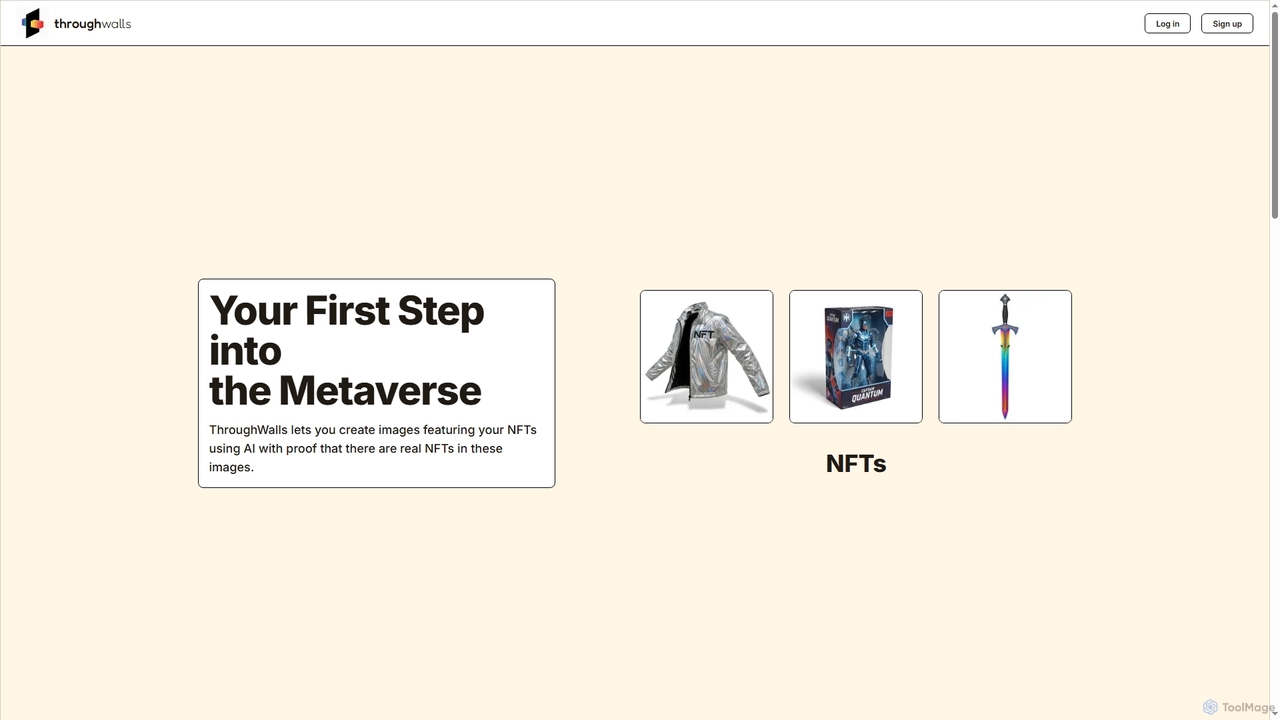
Throughwalls is an innovative AI tool that empowers users to create unique images by integrating their NFTs or …

2.4K
Futureverse

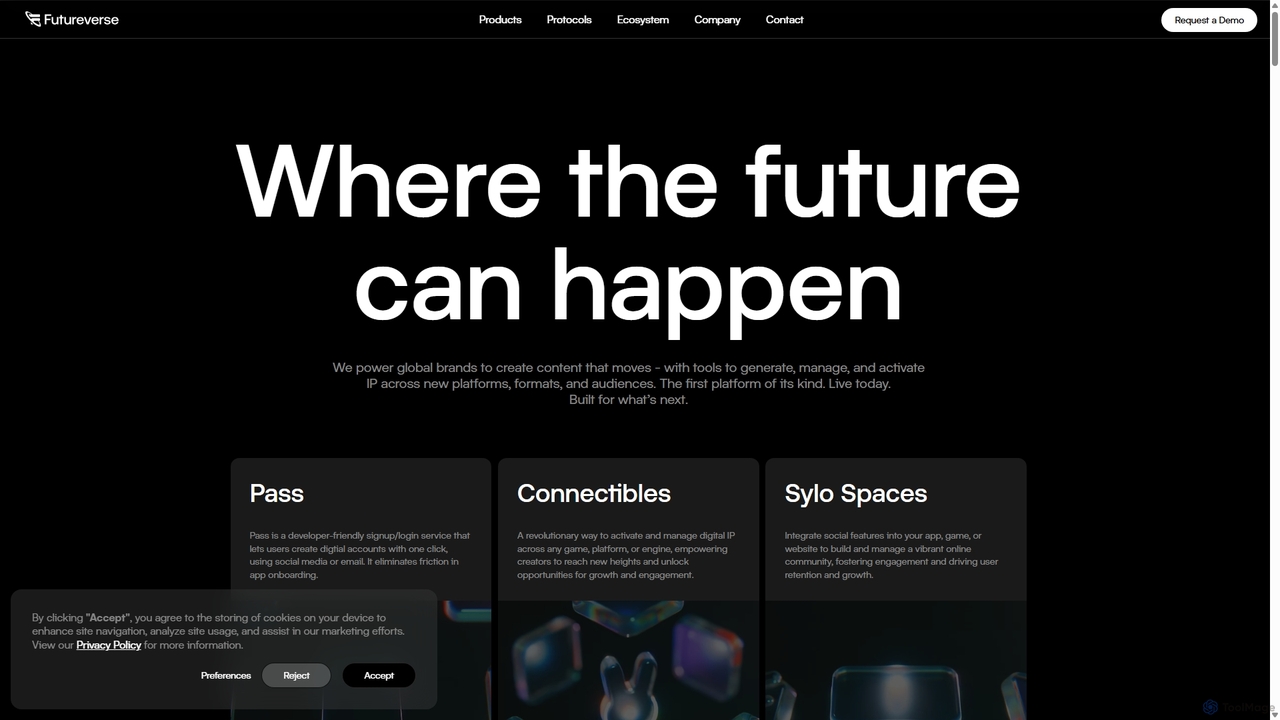
Futureverse

Futureverse is an all-in-one technology platform that combines AI and blockchain to build the open metaverse. It provides …

6.0K
Avatar SDK

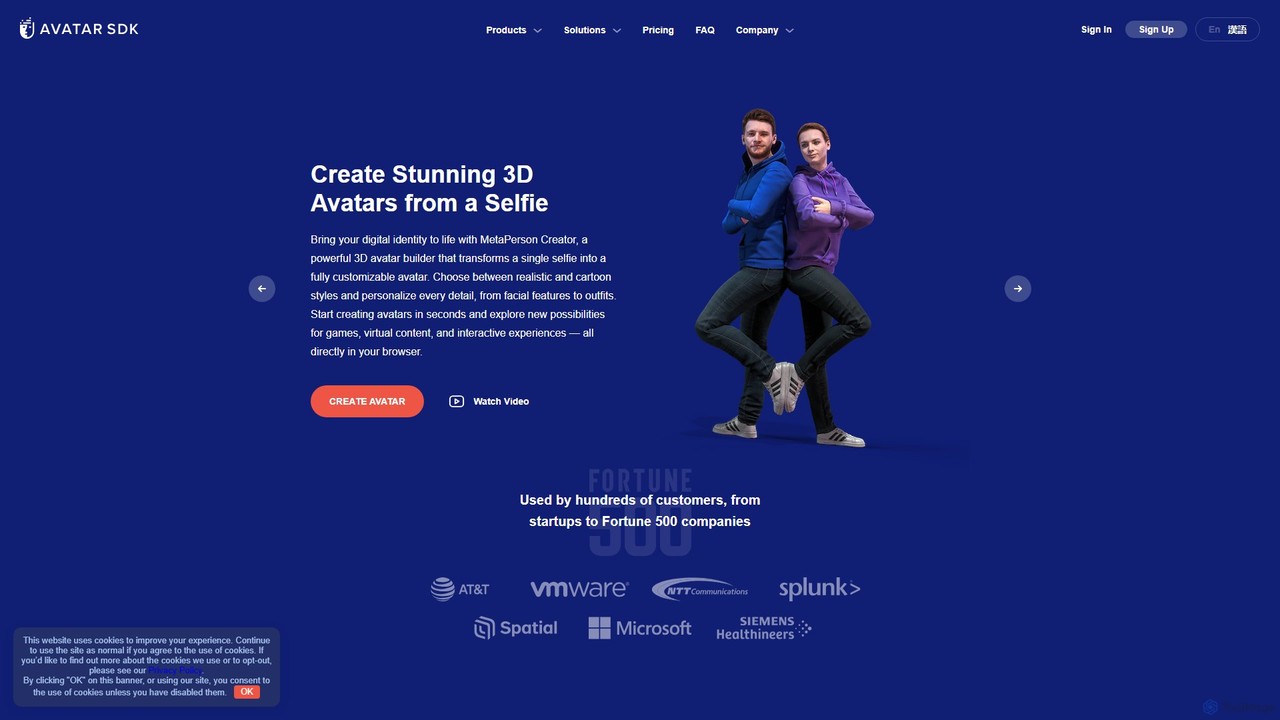
Avatar SDK

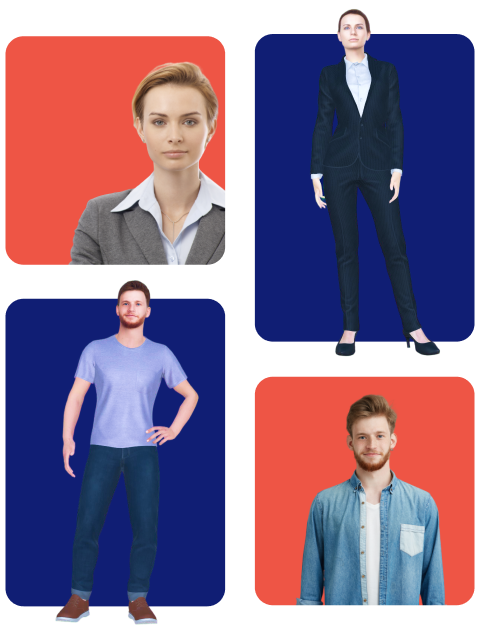
An advanced AI-powered Software Development Kit (SDK) for creating realistic and customizable 3D avatars from a single 2D …

80.7K
in3d

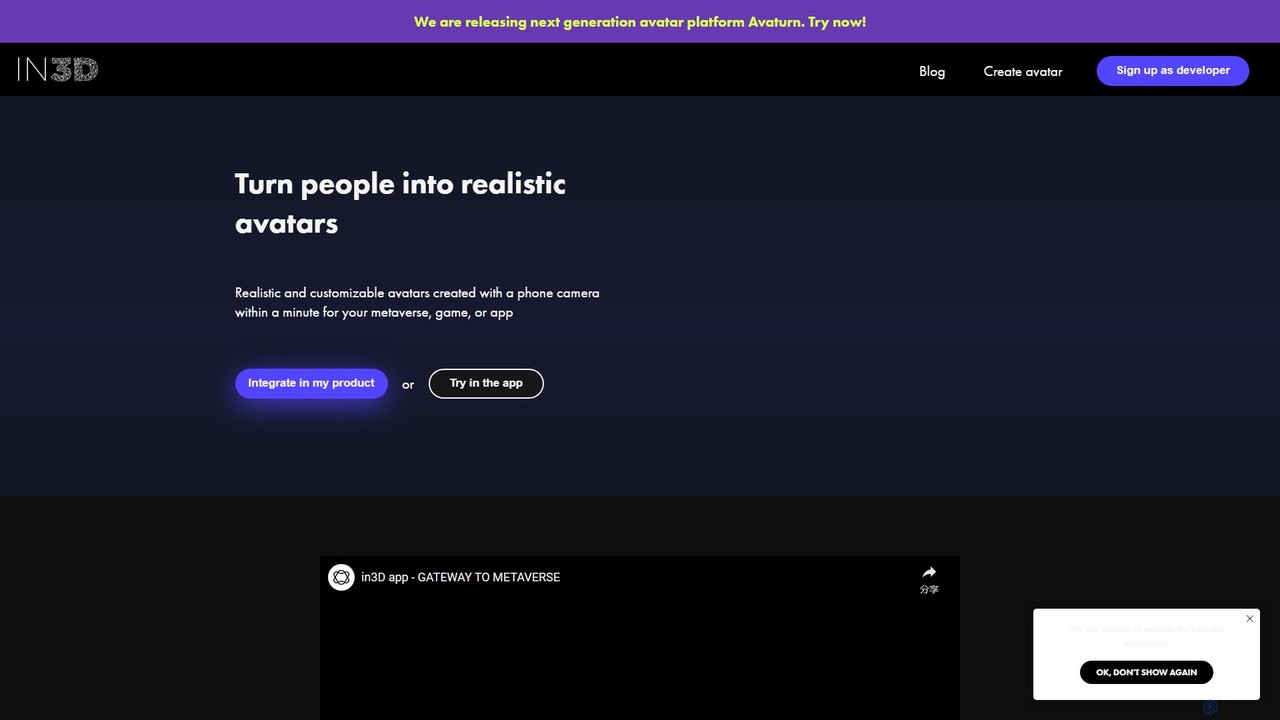
in3d

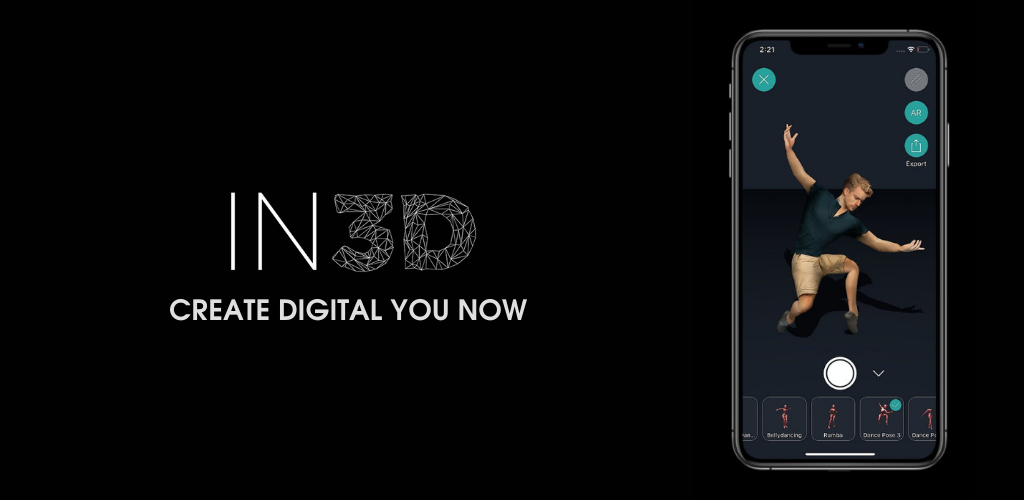
in3d is an AI-powered platform that enables users to create realistic, customizable 3D avatars from a simple phone …

9.1K
Alter AI

Alter AI

Alter AI is a powerful developer platform that generates realistic and customizable 3D avatars from a single 2D …

2.3K
Ready Player Me

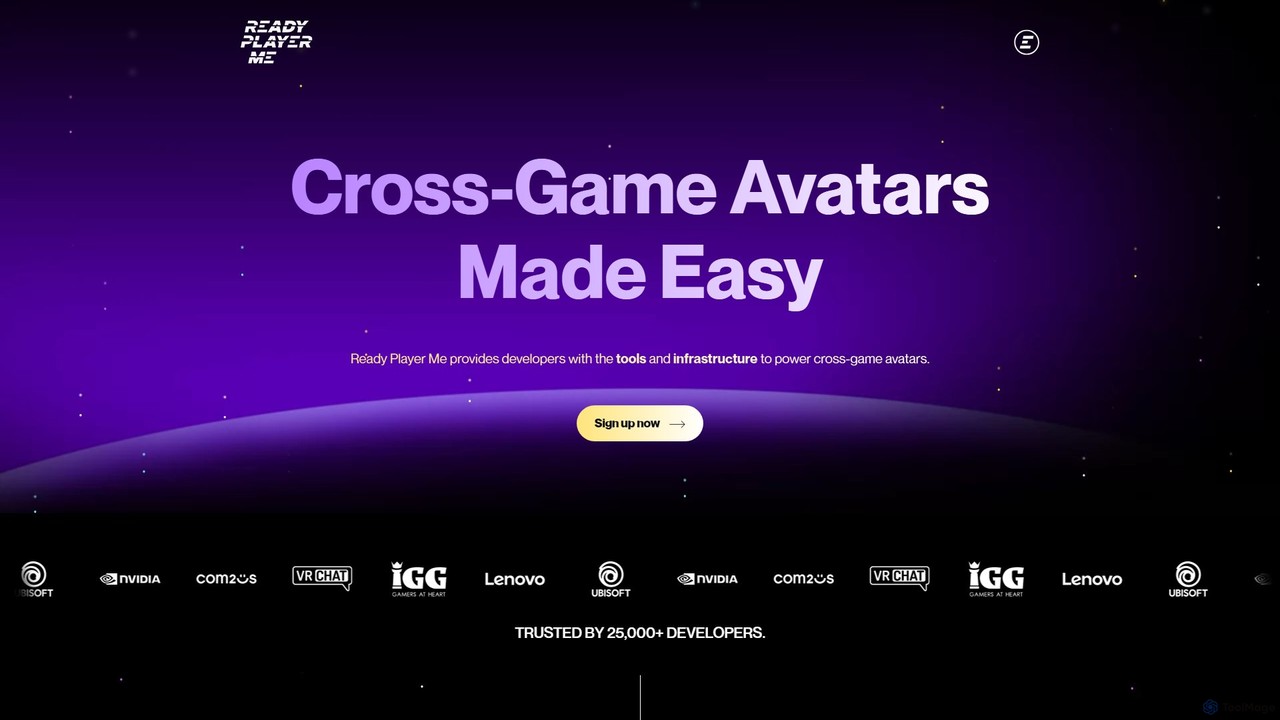
Ready Player Me

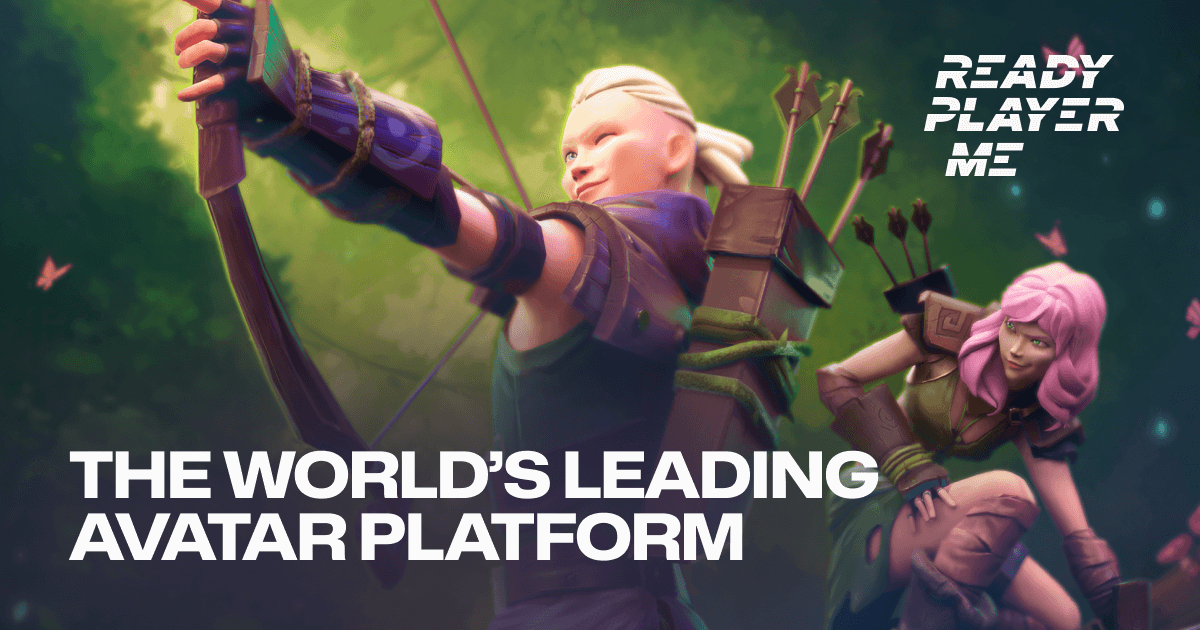
Ready Player Me is a cross-game avatar platform for developers, providing SDKs and tools to integrate a highly …

82.9K

About Metaverse

Metaverse AI tools are a category of advanced software that leverage artificial intelligence to build, enhance, and interact within virtual worlds. These tools utilize AI algorithms for tasks like procedural generation, intelligent NPC behavior, and personalized user experiences, enabling the creation of dynamic and immersive digital environments. They offer significant value to developers, creators, and businesses looking to establish a presence in the evolving metaverse, from gaming and entertainment to enterprise solutions.

Core Features

  • 3D Content Generation: Automatically create realistic assets, environments, and objects for virtual worlds.
  • Intelligent Avatars & NPCs: Develop AI-driven characters with dynamic behaviors and natural language interaction capabilities.
  • Spatial Computing & Interaction: Enable intuitive navigation, object manipulation, and social interaction within 3D spaces.
  • Digital Twin Simulation: Create virtual replicas of physical assets or systems for monitoring, analysis, and predictive modeling.

Applicable Scenarios

Game development studios use these tools to rapidly prototype virtual worlds and populate them with AI-driven characters, accelerating content creation. Architects and urban planners leverage them to build digital twins of cities for simulation and planning. Brands utilize them to create immersive virtual storefronts and interactive customer experiences.

How to Choose

Consider the tool's compatibility with existing metaverse platforms or game engines, its ability to generate diverse and customizable content, the level of AI sophistication for character behavior and interaction, and its scalability for large-scale virtual environments. Evaluate the ease of use, integration capabilities with other software, and the pricing model.

MetaverseUse Cases

1

Designing Immersive Virtual Worlds

Game developers and architects utilize Metaverse AI tools to procedurally generate vast and detailed virtual landscapes, buildings, and interactive elements. By inputting design parameters and themes, AI can quickly create diverse environments, reducing manual modeling time by up to 70% and allowing for rapid iteration and exploration of creative concepts for new metaverse experiences.

2

Creating Intelligent Virtual Avatars

Content creators and social platform developers leverage Metaverse AI tools to generate highly customizable and intelligent virtual avatars. These tools enable users to define appearance, personality traits, and even AI-driven conversational abilities, allowing for more engaging and personalized interactions within virtual social spaces and enhancing user presence.

3

Developing Immersive Training Simulations

Enterprises and educational institutions use Metaverse AI tools to create realistic and interactive training simulations. For example, medical students can practice complex surgeries on digital twins, or factory workers can learn new procedures in a virtual environment, significantly reducing risks and costs associated with physical training while improving retention rates.

4

Enhancing Virtual Events and Conferences

Event organizers and marketing teams deploy Metaverse AI tools to create dynamic and engaging virtual events. AI can personalize attendee experiences, manage intelligent virtual assistants, and analyze engagement metrics in real-time, transforming traditional online meetings into interactive, memorable, and data-rich metaverse gatherings that foster stronger connections.

5

Facilitating Digital Commerce and NFT Marketplaces

E-commerce businesses and artists utilize Metaverse AI tools to create and manage virtual storefronts, product displays, and NFT marketplaces within the metaverse. AI can personalize shopping experiences, recommend products based on user behavior, and even assist in the creation of unique digital assets, driving engagement and sales in new virtual economies.

6

Building Digital Twins for Industrial Applications

Manufacturing and engineering firms employ Metaverse AI tools to construct precise digital twins of physical factories, machinery, or infrastructure. These virtual replicas, powered by real-time data and AI analytics, enable predictive maintenance, optimize operational efficiency, and simulate complex scenarios without disrupting physical operations, leading to significant cost savings and improved decision-making.

MetaverseFrequently Asked Questions