No Code Best in category 1 results Platform Builder AI Tool

Popular AI tools in the Platform Builder field of No Code include IceburgCRM, etc., helping you quickly improve efficiency.

IceburgCRM

IceburgCRM

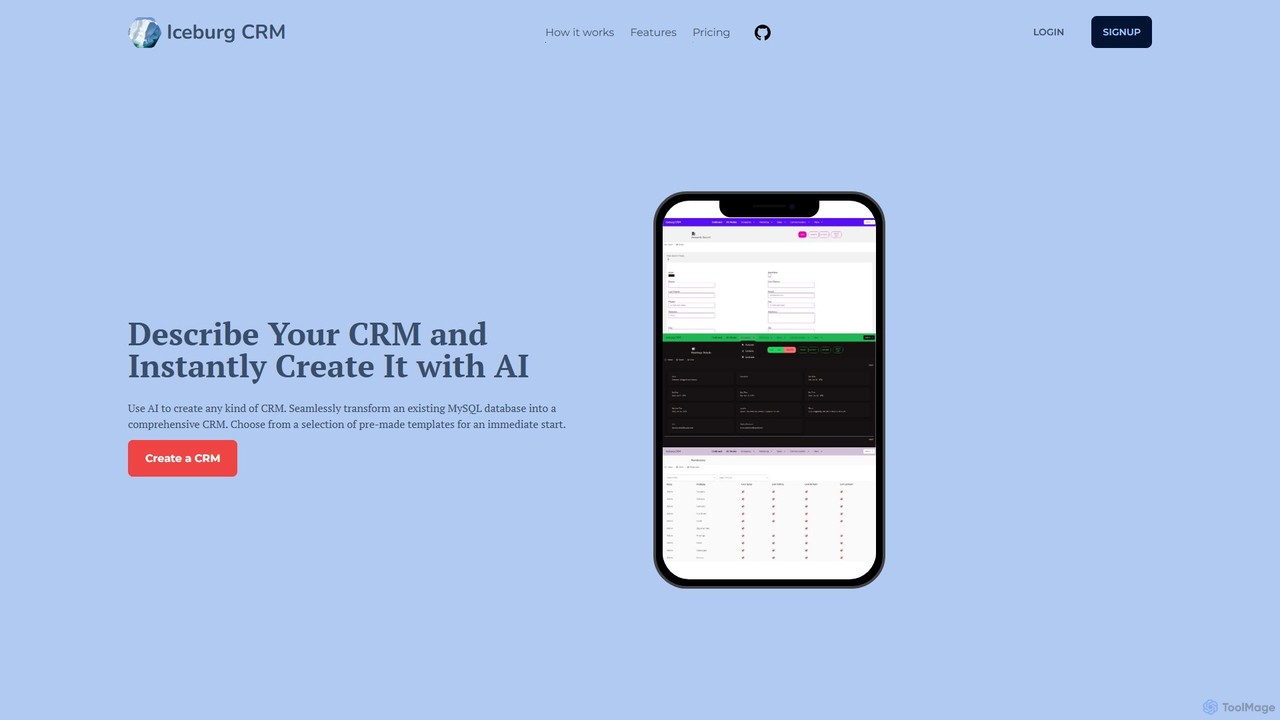
IceburgCRM is an AI-powered platform that allows you to instantly create custom CRM systems. Generate a CRM by …

2.5K

About Platform Builder

Platform Builder tools are a specialized category within the No Code ecosystem, enabling users to design, develop, and deploy complex digital platforms without writing any code. These powerful tools leverage visual development environments, pre-built modules, and intuitive drag-and-drop interfaces to construct everything from custom marketplaces and social networks to internal operational dashboards and SaaS applications. They empower entrepreneurs, small businesses, and even large enterprises to rapidly innovate and bring sophisticated digital products to market, significantly reducing development time and costs.

Core Features

  • Visual Development Interface: Offers a drag-and-drop canvas for designing user interfaces and workflows without coding.
  • Database & Logic Builder: Provides tools to define data structures, relationships, and implement backend business logic visually.
  • User Management & Authentication: Includes built-in features for user registration, login, roles, and permissions management.
  • API Integration Capabilities: Allows seamless connection with external services, payment gateways, and third-party APIs to extend platform functionality.
  • Customizable Templates: Offers a variety of pre-designed templates for different platform types, accelerating the initial setup process.

Use Cases

Platform Builders are ideal for creating bespoke digital experiences that require complex interactions and data management. They are widely adopted by startups looking to validate new business models, small to medium-sized businesses aiming to digitize internal operations, and entrepreneurs launching niche online communities or marketplaces. These tools facilitate rapid prototyping and iterative development, allowing creators to quickly adapt their platforms based on user feedback and market demands.

How to Choose

When selecting a Platform Builder, consider the complexity of your desired platform and its scalability requirements. Evaluate the tool's database capabilities, the flexibility of its logic builder, and its integration ecosystem for connecting with essential third-party services. Assess the pricing model, the availability of community support, and the learning curve associated with its visual interface to ensure it aligns with your team's technical proficiency and budget.

Platform BuilderUse Cases

1

Building a Niche Online Marketplace

An entrepreneur wants to launch a specialized marketplace for handmade crafts. Using a Platform Builder, they can visually design seller and buyer dashboards, implement product listing and payment processing workflows, and manage user accounts without hiring a development team, quickly bringing their unique e-commerce vision to life.

2

Creating an Internal Project Management Tool

A growing agency needs a custom project management system tailored to its unique workflows, integrating client communication and task tracking. A Platform Builder allows them to build a bespoke internal tool with custom data fields, automated notifications, and role-based access, significantly improving operational efficiency.

3

Developing a Community Forum or Social Network

A content creator aims to foster a dedicated online community around their brand. With a Platform Builder, they can design a custom forum or social network with user profiles, content posting, commenting, and moderation features, providing an exclusive space for their audience to interact and engage.

4

Launching a Subscription-Based SaaS Application

A startup wants to offer a unique service as a SaaS product, such as a specialized analytics dashboard. A Platform Builder enables them to construct the user-facing application, manage user subscriptions, integrate payment gateways, and define backend data processing logic, accelerating their time to market.

5

Digitizing Customer Relationship Management (CRM)

A small business seeks to replace fragmented spreadsheets with a centralized CRM system to track leads, manage customer interactions, and automate follow-ups. A Platform Builder allows them to build a custom CRM that perfectly fits their sales process, improving customer service and sales efficiency.

6

Creating an Event Management and Ticketing Platform

An event organizer needs a comprehensive platform for managing event registrations, selling tickets, and communicating with attendees. A Platform Builder provides the tools to design event pages, handle secure payment processing, send automated confirmations, and manage attendee lists, streamlining the entire event lifecycle.

Platform BuilderFrequently Asked Questions