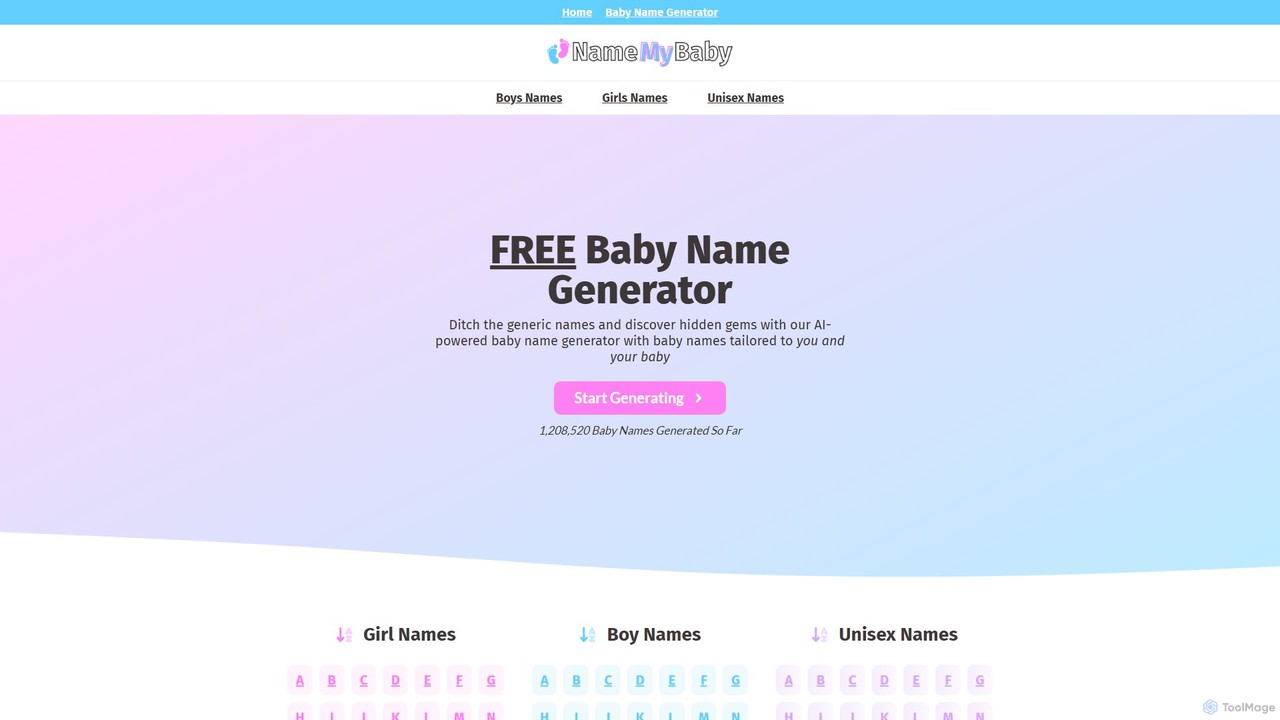
Personal AI tools are designed to enhance individual productivity, well-being, and daily efficiency. These tools leverage artificial intelligence to automate routine tasks, provide personalized insights, and support personal growth across various aspects of life. They cater specifically to individual users seeking to streamline their personal and professional lives, offering tailored solutions for managing time, information, and creative endeavors. Unlike broader 'Other' AI tools, Personal AI focuses on direct, individual-centric applications to empower users in their daily routines.
Core Features
- Personalized Task Automation: Automate scheduling, reminders, and repetitive data entry to boost individual efficiency.
- Intelligent Information Management: Organize notes, documents, and personal knowledge for quick access and efficient retrieval.
- AI-Powered Personal Assistance: Provide tailored recommendations and guidance for learning, fitness, or content creation goals.
- Content Generation & Enhancement: Assist in drafting emails, social media posts, or refining personal media like photos and videos.
- Well-being & Productivity Tracking: Monitor habits, goals, and mental health metrics to support holistic personal development.
Use Cases
Individuals across various walks of life utilize Personal AI tools to simplify complex tasks and enrich their daily experiences. From busy professionals managing tight schedules to students seeking personalized study aids, these tools offer bespoke solutions. They are also invaluable for content creators looking to enhance personal projects or anyone aiming to improve their mental well-being and productivity.
How to Choose
When selecting a Personal AI tool, prioritize data privacy and security, as personal information is often involved. Evaluate the tool's ease of use and its ability to integrate with your existing personal ecosystem (e.g., calendar, notes apps). Consider the level of personalization offered and whether its features directly address your specific needs, such as task automation, learning support, or well-being tracking. Finally, assess the pricing model and customer support quality.