Best of the Year 4 results Other AI Tools

Popular AI tools in the Other field include WooTechy、Invoxia、Flora Incognita、aisthetic, etc., helping you quickly improve efficiency.

Free
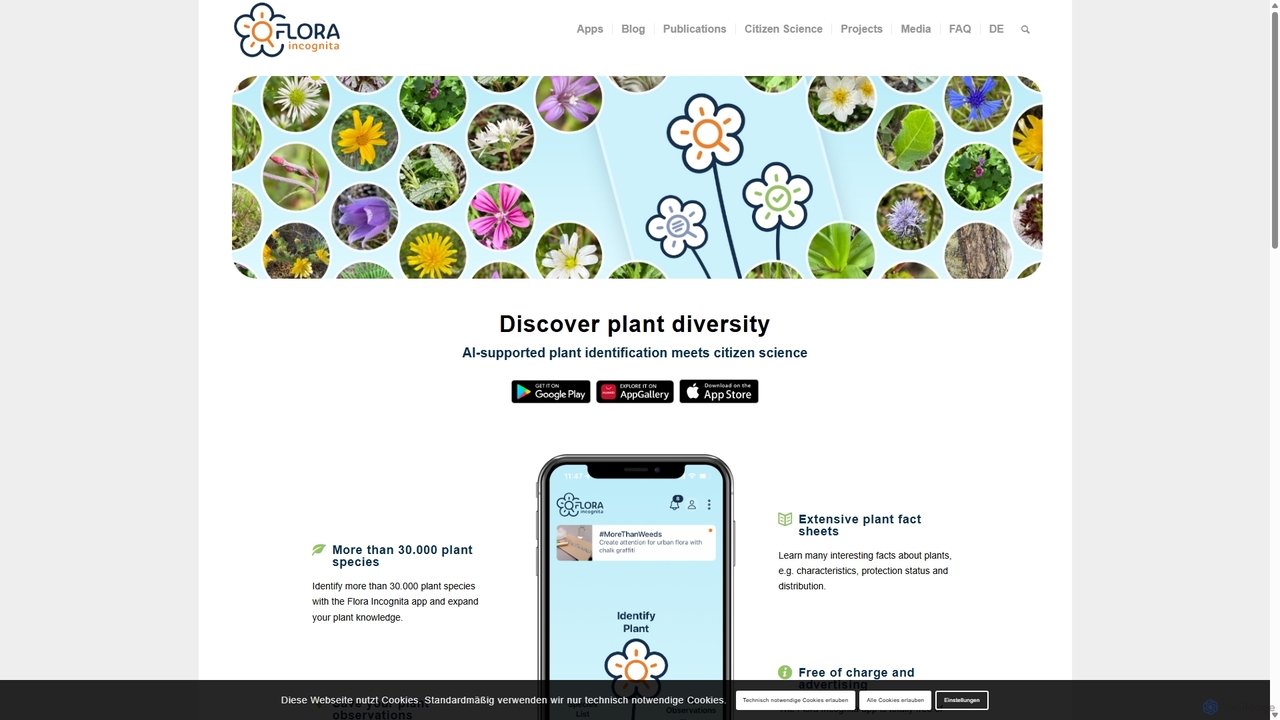
Flora Incognita

Flora Incognita

Flora Incognita is a free, AI-powered mobile app that enables users to identify over 30,000 plant species with …

15.0K
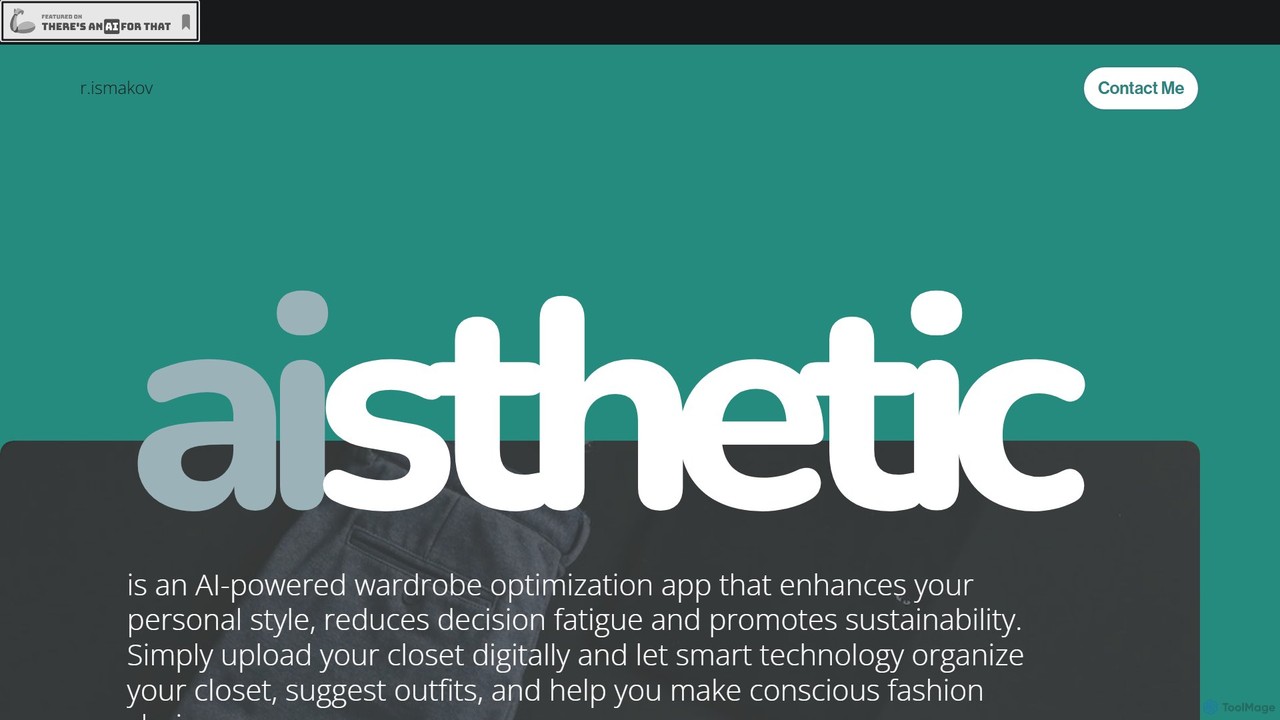
aisthetic

aisthetic

aisthetic is an AI-powered wardrobe optimization app that digitizes your closet, suggests daily outfits, and helps you plan …

2.8K
Invoxia

Invoxia

Invoxia offers a range of AI-powered GPS trackers for vehicles, valuables, pets, and people. These discreet devices provide …

114.6K
WooTechy

WooTechy

WooTechy offers a comprehensive suite of software solutions for iOS, Android, and PC. It specializes in device unlocking, …

217.8K

About Other

Other AI tools represent a diverse and evolving collection of artificial intelligence solutions that do not fit neatly into established categories like image generation, natural language processing, or video editing. These tools leverage advanced AI algorithms to address highly specialized, niche, or emerging challenges across various domains. They often combine functionalities from multiple AI disciplines or introduce novel applications, offering unique capabilities for users seeking innovative solutions beyond conventional offerings.

Core Features

  • Specialized Problem Solving: Designed to tackle unique or highly specific challenges that general AI tools cannot effectively address.
  • Cross-functional Integration: Often blend capabilities from different AI fields, such as combining data analysis with predictive modeling for niche industries.
  • Emerging Technologies: Incorporate cutting-edge AI research and experimental approaches, pushing the boundaries of what AI can achieve.
  • Customization and Adaptability: Many tools in this category offer high levels of customization to fit precise user requirements and workflows.

Use Cases

Professionals in niche industries, researchers, and innovators often turn to Other AI tools for bespoke solutions. For instance, a marine biologist might use an AI tool for advanced underwater acoustic data analysis, or a materials scientist could employ AI for simulating novel compound properties. These tools are crucial for tasks requiring highly specific data processing, pattern recognition, or predictive modeling in unconventional contexts.

How to Choose

Selecting an "Other" AI tool requires a clear understanding of your specific problem and the tool's unique capabilities. Evaluate its ability to precisely solve your niche challenge, its integration potential with existing systems, and the level of technical support or community available. Consider the tool's adaptability for future needs and its underlying technology's maturity, as many in this category are at the forefront of AI innovation.

OtherUse Cases

1

AI-Powered Scientific Data Synthesis

Researchers in fields like genomics or astrophysics utilize specialized AI tools to synthesize vast, complex datasets from disparate sources. This enables the identification of subtle patterns, correlations, and anomalies that human analysis might miss, accelerating discovery and hypothesis generation in highly technical domains.

2

Automated Niche Market Trend Prediction

Specialized market analysts or small business owners in unique sectors (e.g., artisanal crafts, sustainable agriculture) employ AI to predict highly specific consumer trends. These tools analyze unconventional data points, such as social media sentiment on niche forums or localized weather patterns, to offer granular, actionable insights.

3

Personalized Cognitive Training & Therapy

Healthcare innovators and therapists use AI tools to create highly personalized cognitive training programs or therapeutic interventions. These systems adapt in real-time to an individual's progress and specific needs, offering tailored exercises for memory, attention, or emotional regulation, often in gamified formats.

4

Advanced Environmental Anomaly Detection

Environmental scientists and conservationists deploy AI to monitor ecosystems for subtle anomalies indicative of pollution, climate change impacts, or illegal activities. These tools process satellite imagery, sensor data, and acoustic recordings to detect deviations from normal patterns, enabling early intervention and resource protection.

5

AI-Assisted Creative Art Generation & Exploration

Artists and designers leverage experimental AI tools to explore new creative frontiers, generating unique visual styles, musical compositions, or interactive narratives. These tools act as collaborative partners, offering unexpected variations and inspirations that push artistic boundaries beyond traditional methods.

6

Optimized Industrial Process Simulation

Engineers in manufacturing or logistics use AI to simulate complex industrial processes, such as optimizing supply chain routes for perishable goods or fine-tuning robotic assembly lines for custom products. The AI identifies inefficiencies and suggests improvements, leading to significant cost savings and enhanced operational precision.

OtherFrequently Asked Questions