Personal Development Best in category 3 results Journaling AI Tool

Popular AI tools in the Journaling field of Personal Development include MeetYu、Sibbl、Zipgoals, etc., helping you quickly improve efficiency.

MeetYu

MeetYu

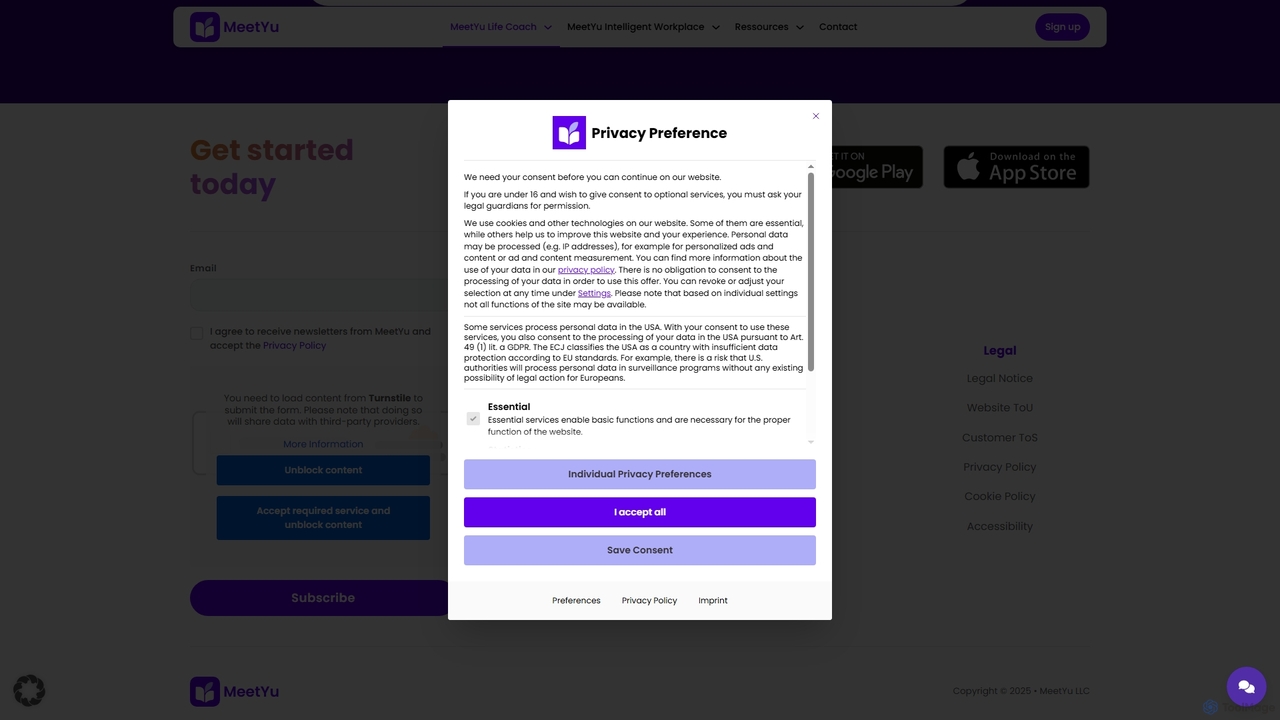
MeetYu is an intelligent journaling platform leveraging AI to transform daily experiences into actionable insights for personal and …

2.5K
Sibbl

Sibbl

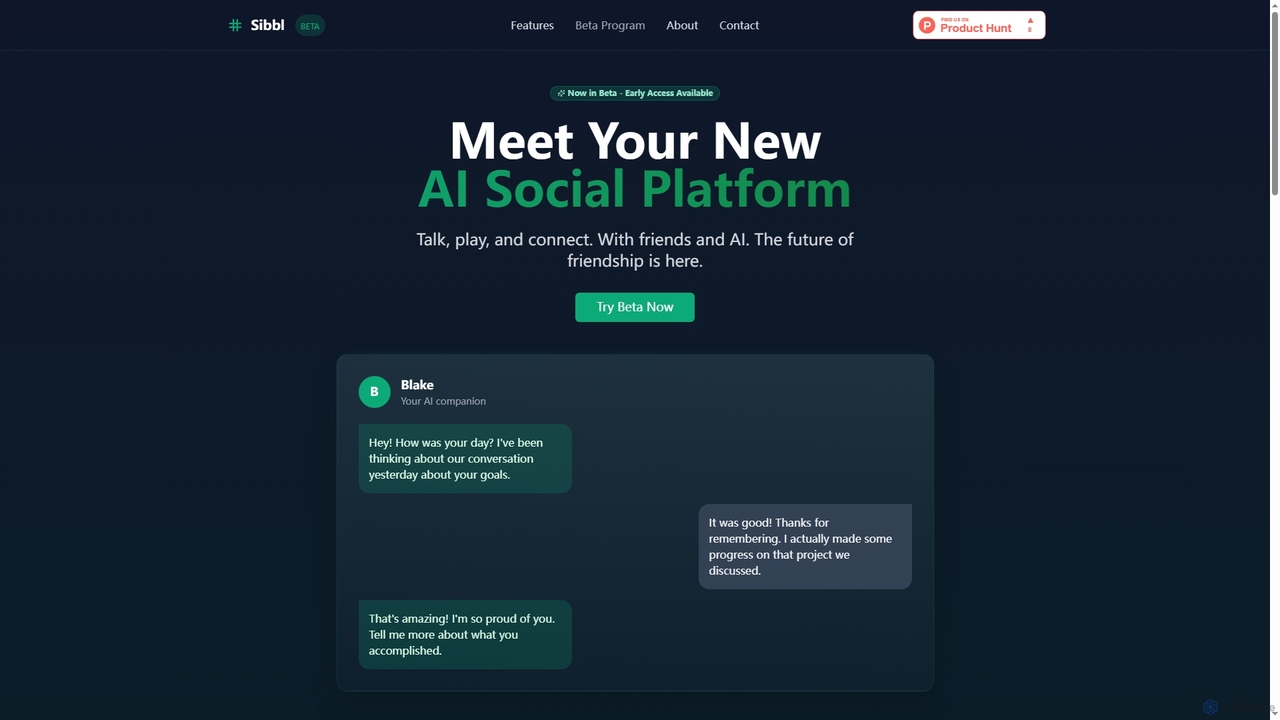
Sibbl is an innovative AI social platform designed to bridge digital and real-world interactions. It allows users to …

2.5K
Zipgoals

Zipgoals

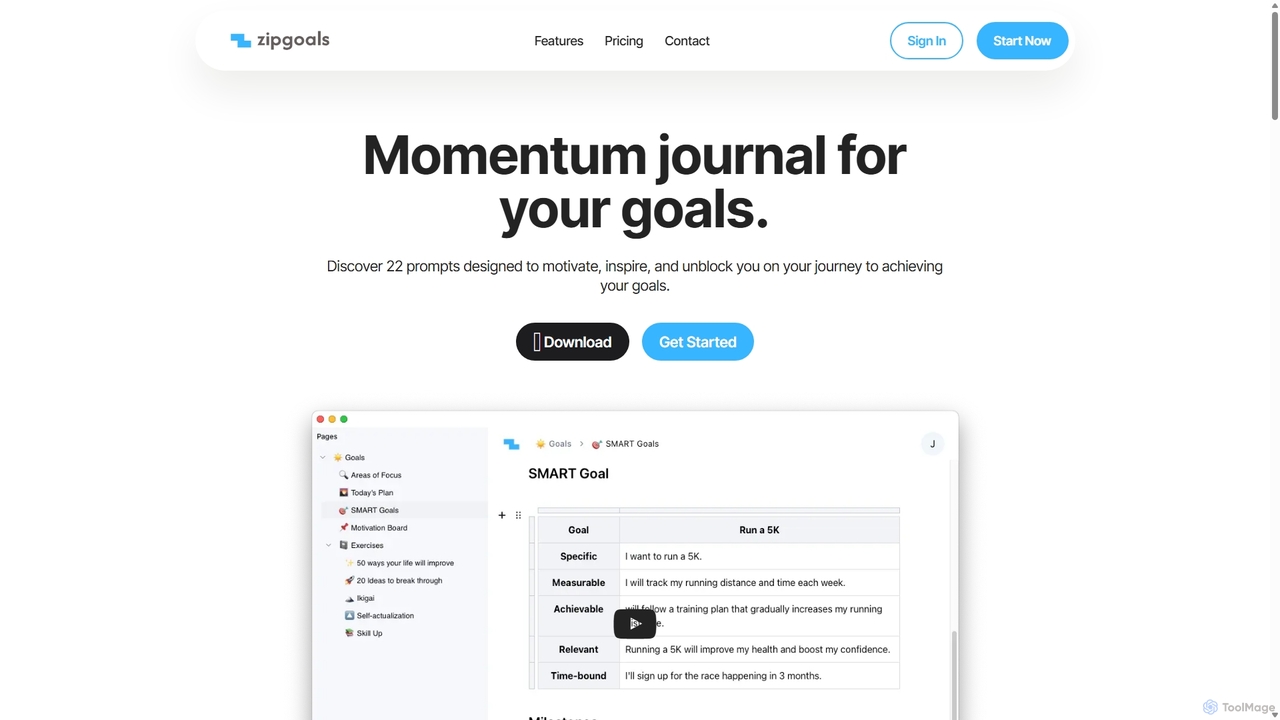
Zipgoals is an AI-powered momentum journal designed to help you achieve your goals. It combines daily journaling, SMART …

2.4K

About Journaling

AI Journaling tools are applications that use artificial intelligence to enhance the practice of personal reflection and diary-keeping. They employ natural language processing (NLP) to analyze text, providing deeper insights into your thoughts, emotions, and behavioral patterns. This helps users gain self-awareness, track mental well-being, and identify personal growth opportunities more effectively than with traditional methods. These tools often act as an intelligent companion, offering personalized prompts and objective feedback to guide your introspective journey.

Core Features

  • Sentiment Analysis: Automatically detects and tracks your mood and emotional tone based on the language used in your entries.
  • AI-Powered Prompts: Generates personalized, context-aware questions and topics to guide your reflection and overcome writer's block.
  • Pattern Recognition: Identifies recurring themes, habits, cognitive biases, and emotional triggers from your writing over time.
  • Conversational Search: Enables you to ask questions about your past entries in natural language to find specific memories or feelings.
  • Automated Summaries: Creates concise summaries of your daily, weekly, or monthly reflections to highlight key insights and progress.

Use Cases

These tools are widely used by individuals focused on mental wellness, therapy support, and personal development. Professionals in high-stress fields use them for stress management and emotional regulation. Additionally, writers and creators leverage them for self-exploration, brainstorming, and tracking their creative process.

How to Choose

When selecting an AI Journaling tool, evaluate the depth of its analytical features, such as the accuracy of sentiment analysis and pattern detection. Assess the quality and personalization of its guided prompts. Crucially, review its privacy policy and data security measures, as you will be sharing sensitive information. Also, consider the user interface, ease of use, and cross-device synchronization capabilities.

JournalingUse Cases

1

Track Mental Well-being and Mood Patterns

An individual feeling overwhelmed by daily stress uses an AI journaling tool to log their thoughts each evening. The AI's sentiment analysis feature processes the entries, creating a visual chart of their mood fluctuations over weeks. It identifies a recurring pattern: mentions of 'client deadlines' consistently correlate with high anxiety scores. Armed with this data-driven insight, the user can proactively implement stress-management techniques before major deadlines, discuss the pattern with a manager, or adjust their workflow, leading to improved mental well-being.

2

Guided Self-Reflection for Personal Growth

A young professional aiming for career development uses an AI journal to foster self-awareness. Instead of staring at a blank page, they receive daily AI-generated prompts tailored to their stated goals, such as, 'Describe a situation today where you demonstrated leadership. How could you have been more effective?' This structured approach encourages deeper reflection. Over time, the AI's pattern recognition feature highlights recurring themes like 'imposter syndrome' in their entries, allowing them to consciously work on building confidence and recognizing their achievements.

3

Prepare for Therapy Sessions

A patient undergoing cognitive-behavioral therapy (CBT) uses an AI journal to document thoughts and events between sessions. Before an appointment, they use the AI's automated summary feature to generate a concise overview of the week's key emotional triggers and thought patterns. They also use the conversational search to ask, 'What were my automatic negative thoughts this week?' This provides a structured, data-backed starting point for discussion with their therapist, making each session more productive and focused on relevant issues.

4

Cultivate a Gratitude Practice

A user wants to build a more positive mindset by starting a gratitude journal, but often forgets or doesn't know what to write. Their AI journaling app sends a daily notification with a unique prompt like, 'What's a small thing that brought you joy today?' or 'Who is someone you're thankful for and why?'. The AI's sentiment analysis highlights the positive language in their entries, reinforcing the practice. Over a month, they can view a report showing an upward trend in positive sentiment, providing tangible evidence of their mindset shift.

5

Understand and Manage Habits

An individual trying to quit a bad habit, like procrastination, journals about their daily struggles and successes. The AI tool's pattern recognition identifies triggers. For example, it might highlight that procrastination entries often contain words like 'complex task' or occur in the late afternoon. The user can then see these patterns on a dashboard. This awareness allows them to break down complex tasks into smaller steps or schedule demanding work for the morning, effectively using AI-driven insights to architect a better routine and overcome the habit.

6

Enhance Creativity and Overcome Writer's Block

A writer facing a creative block uses an AI journal as a brainstorming partner. The tool provides unconventional prompts like, 'Write from the perspective of an object on your desk.' This helps break rigid thinking patterns. Later, when developing a character, they use the conversational search to ask, 'What have I written about feeling lonely?' The AI retrieves relevant past entries, providing a rich source of authentic emotional material and memories to fuel their creative writing, turning personal reflections into artistic inspiration.

JournalingFrequently Asked Questions