Personal Best in category 2 results Family AI Tool

Popular AI tools in the Family field of Personal include MyHeritage、MemoriesForever, etc., helping you quickly improve efficiency.

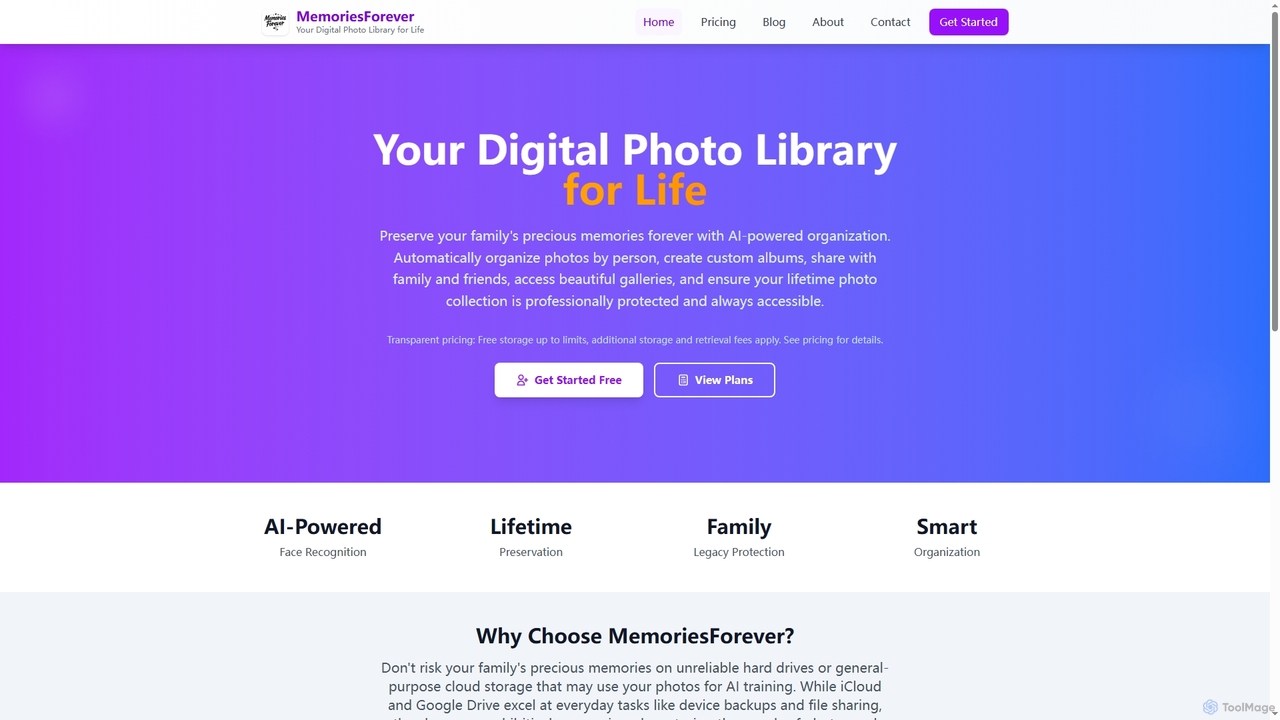
MemoriesForever

MemoriesForever

MemoriesForever is an AI-powered digital photo library designed for lifetime preservation. It automatically organizes photos by person using …

3.3K
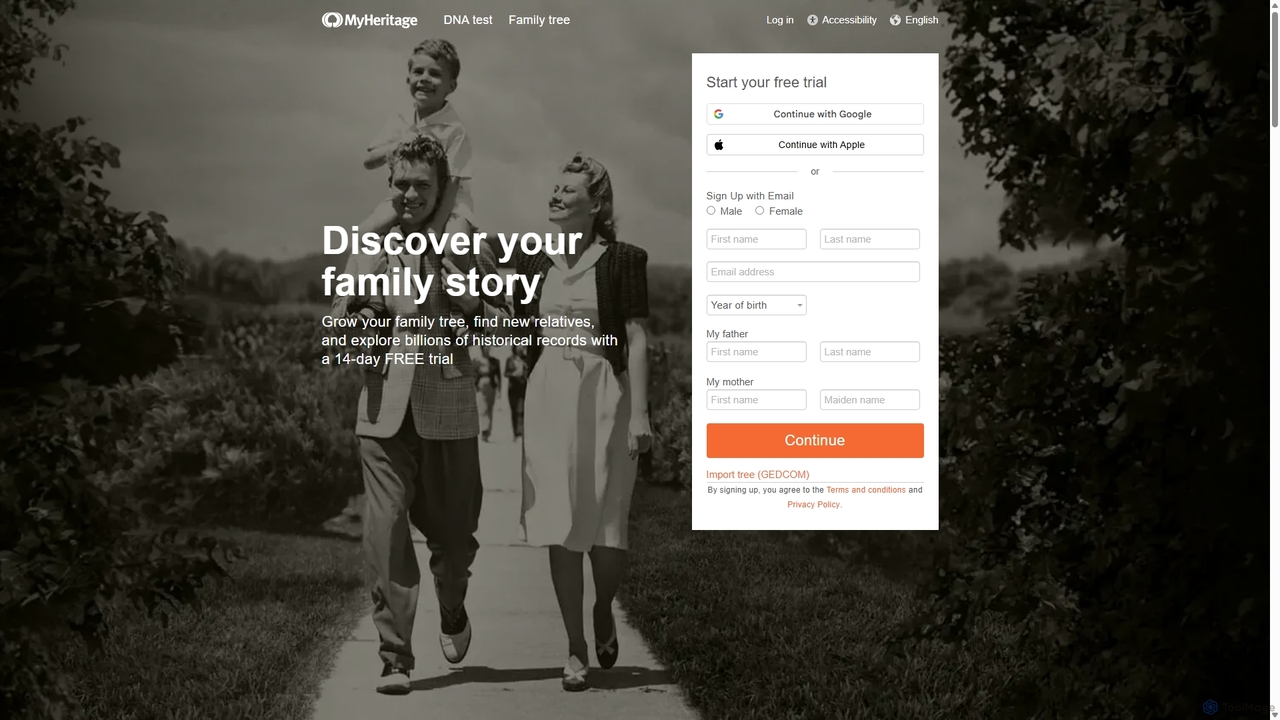
MyHeritage

MyHeritage

MyHeritage is a leading global platform for discovering your family history. It offers powerful tools to build your …

11.5M

About Family

AI Family tools are applications designed to support and simplify various aspects of family life through artificial intelligence. These tools leverage machine learning, natural language processing, and computer vision to offer personalized assistance for tasks ranging from household management to child education. They help families organize schedules, create educational content, preserve memories, and enhance safety. Unlike general personal productivity apps, AI Family tools are specifically tailored to the unique dynamics and needs of a family unit.

Core Features

  • Personalized Planning: Generates meal plans, chore charts, or activity schedules based on family preferences, dietary needs, and calendars.
  • Educational Content Generation: Creates custom bedtime stories, quizzes, or learning materials adapted to a child's age and interests.
  • Memory Archiving & Enhancement: Automatically organizes, tags, and enhances family photos and videos, including colorizing old black-and-white images.
  • Smart Monitoring: Provides intelligent alerts for child safety, such as monitoring online activity for potential risks or analyzing baby monitor data.
  • Genealogy Assistance: Analyzes historical records and DNA data to help users build and explore their family tree more efficiently.

Use Cases

These tools are primarily used by parents, guardians, and family historians. For instance, a parent might use an AI story generator to create a unique bedtime story for their child. A family manager could use an AI planner to coordinate complex schedules and automate meal preparation. Genealogists use these tools to process vast amounts of historical data and uncover family connections.

How to Choose

When selecting an AI Family tool, first consider its primary function—whether you need it for organization, education, or memory preservation. Evaluate the age-appropriateness of the content and user interface, especially for tools children will use. Critically review the privacy policy to understand how your family's data is collected and used. Finally, assess the ease of use to ensure it can be adopted by all relevant family members.

FamilyUse Cases

1

Generate Personalized Bedtime Stories

Parents looking for new ways to engage their children at bedtime can use an AI story generator. By inputting prompts like the child's name, favorite animal, and a desired moral lesson (e.g., 'the importance of sharing'), the tool crafts a unique, age-appropriate story in minutes. This not only provides endless new content but also makes the child the hero of their own tale, strengthening imagination and parent-child bonds. It saves parents the creative effort after a long day while delivering a highly personalized experience.

2

Automate Weekly Family Meal Planning

A family manager struggling with the daily question of 'what's for dinner?' can use an AI meal planner. The tool analyzes family preferences, dietary restrictions (like gluten-free or vegetarian), and even ingredients currently in the pantry. It then generates a complete weekly meal plan with recipes and a consolidated shopping list. This process reduces decision fatigue, minimizes food waste by using existing ingredients, and helps maintain a balanced diet, saving hours of planning time each week.

3

Restore and Colorize Old Family Photos

A person researching their family history can use AI photo enhancement tools to bring old, faded, or black-and-white photographs to life. By uploading a scanned image of an ancestor, the AI can repair scratches, sharpen blurry details, and apply realistic color based on historical context. The result is a vibrant, clear portrait that feels more immediate and personal. This helps genealogists and family members connect more deeply with their heritage and share a more vivid family history with younger generations.

4

Provide AI-Powered Homework Assistance

A student struggling with a complex math problem or a history essay can use an AI tutor for guidance. Instead of giving direct answers, these tools act as a Socratic guide, asking probing questions to help the student arrive at the solution themselves. For example, it might break down an algebra problem into smaller steps or suggest primary sources for a history paper. This fosters critical thinking and independent learning skills, providing support outside of school hours without replacing the role of teachers or parents.

5

Coordinate Complex Family Schedules

For busy families juggling multiple school schedules, extracurricular activities, and appointments, an AI scheduling assistant can be invaluable. Users input all individual events and commitments into a shared calendar. The AI then analyzes the data to identify potential conflicts, suggest optimal times for group activities (like a family dinner), and send automated reminders to relevant members. It can even integrate with traffic data to suggest the best departure times for appointments, reducing stress and preventing missed events.

6

Monitor Child's Online Safety

Parents concerned about their children's digital well-being can use AI monitoring tools. These applications run discreetly on a child's device and use natural language processing to analyze communications for signs of cyberbullying, depression, or exposure to inappropriate content. Instead of simply blocking sites, the AI identifies patterns and context, sending alerts to parents only for genuinely concerning situations. This approach respects a child's privacy more than manual monitoring while providing a crucial safety net in the digital world.

FamilyFrequently Asked Questions