
ToolMage
Sign in

Best 1 Horror Effects AI tools for Photography

Popular Horror Effects AI tools in Photography include Nano Banana AI, helping you work more efficiently.

Nano Banana AI
Paid

Nano Banana AI

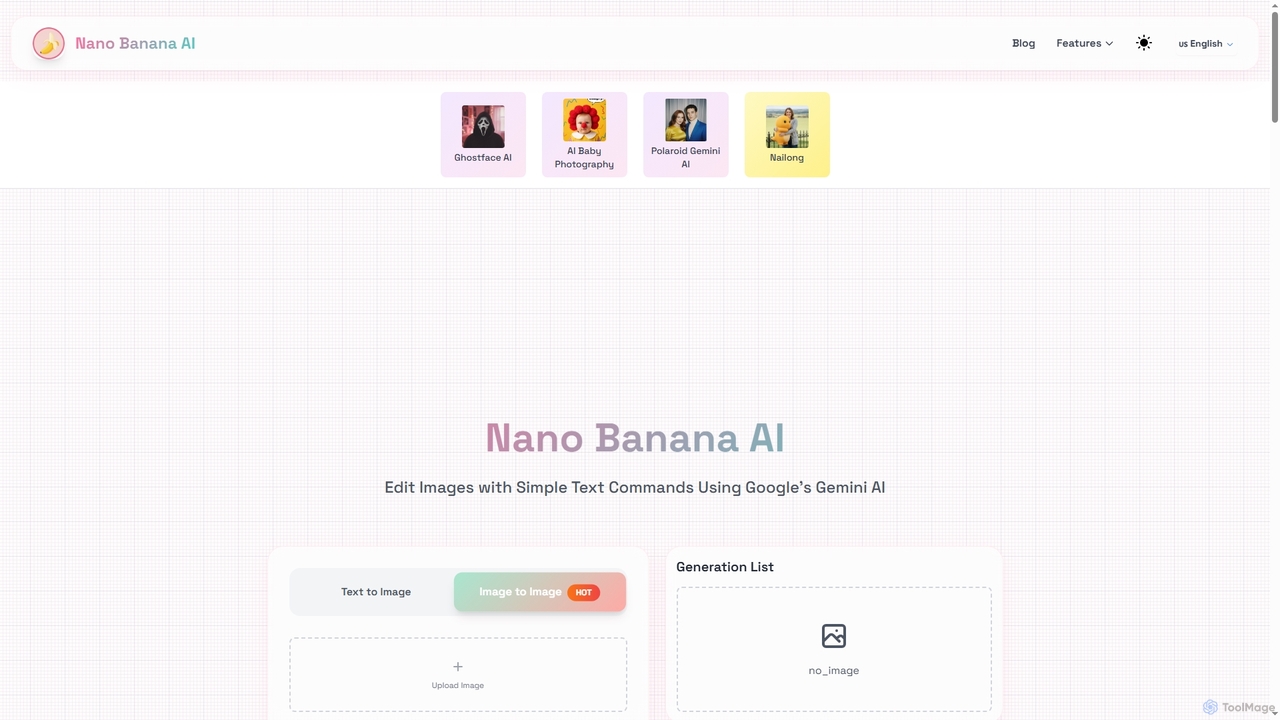
Nano Banana AI is a cutting-edge image editing tool powered by Google's Gemini 2.5 Flash. It allows users to modify images using simple text commands, ensuring character consistency and understanding real-world context. Experience fast, intelligent photo editing directly in your browser.

Image To Image
Visits 6.2KFavorites 146Likes 144

About Horror Effects

Horror Effects tools are AI-powered applications designed to generate or apply unsettling, grotesque, and fear-inducing visual and auditory elements to digital content. Leveraging advanced deep learning and generative adversarial networks (GANs), these tools can transform ordinary images, videos, or audio into chilling masterpieces. They provide creators with powerful capabilities to evoke dread, suspense, and terror, significantly enhancing the immersive quality of horror-themed projects.

Core Features

  • AI-driven Effect Generation: Automatically creates a wide range of horror elements, from subtle atmospheric dread to overt monstrous transformations.
  • Style Transfer for Horror: Applies specific horror aesthetics, such as gothic, psychological, body horror, or cosmic horror, to existing content.
  • Facial and Body Transformation: Distorts human or animal features to create monstrous, zombified, or grotesque appearances with high realism.
  • Atmospheric Enhancement: Adds eerie lighting, volumetric fog, unsettling shadows, and other environmental effects to build tension.
  • Sound Design Integration: Generates or manipulates audio to produce chilling soundscapes, jump scares, and unsettling vocal effects.

Applicable Scenarios

These tools are invaluable for independent filmmakers creating low-budget horror shorts, game developers designing terrifying environments and creature assets, and content creators producing spooky visuals for Halloween or creepypasta narratives. Digital artists also utilize them for exploring dark fantasy themes and generating unique, disturbing conceptual art.

How to Choose

When selecting Horror Effects tools, consider the variety and depth of effects offered, the level of customization available for fine-tuning the horror elements, and the quality of the output resolution. Evaluate its real-time processing capabilities for interactive applications and its integration with existing video editing or 3D modeling software. Ease of use and the ethical implications of generated content should also be key considerations.

Horror Effects use cases

1

Crafting Visual Effects for Indie Horror Films

Independent filmmakers with limited budgets can leverage AI Horror Effects tools to generate high-quality creature designs, unsettling environmental elements, or realistic gore effects. By inputting basic concepts or sketches, the AI can quickly produce multiple variations, saving significant time and resources compared to traditional CGI or practical effects, allowing for more ambitious visual storytelling in horror cinema.

2

Generating Horror Assets for Game Development

Game developers can utilize Horror Effects tools to rapidly create eerie landscapes, monstrous enemy models, or unsettling environmental props for their horror games. The AI can generate textures, character variations, and even conceptual level designs based on textual prompts or reference images, significantly accelerating the asset creation pipeline and ensuring a consistent, terrifying aesthetic throughout the game world.

3

Creating Spooky Social Media Content for Halloween

Content creators and social media influencers can use Horror Effects tools to quickly generate engaging and spooky visuals for seasonal events like Halloween. This includes transforming selfies into monstrous creatures, adding eerie filters to short videos, or creating animated jump scares. The AI's ability to rapidly produce diverse horror-themed content helps maintain audience engagement and capitalize on trending seasonal themes.

4

Exploring Dark Fantasy Themes in Digital Art

Digital artists and concept designers can leverage Horror Effects tools to explore and visualize dark fantasy themes, grotesque character concepts, or unsettling abstract pieces. The AI acts as a creative partner, generating unique visual prompts or transforming existing artwork with horror aesthetics, allowing artists to push boundaries and discover new artistic directions without extensive manual rendering or complex traditional techniques.

5

Developing Immersive VR Horror Experiences

VR developers can employ Horror Effects tools to design truly immersive and fear-inducing virtual reality environments and interactive horror elements. The AI can generate realistic textures for decaying structures, animate unsettling creature movements, or create dynamic soundscapes that react to player actions, significantly enhancing the sense of presence and terror within VR horror games and experiences.

6

Assisting Illustrators with Horror Story Visuals

Illustrators and comic artists working on horror narratives can use AI Horror Effects tools to generate disturbing imagery or character transformations that align with their story's tone. Whether it's creating a grotesque monster for a graphic novel or a subtle, unsettling background for a webcomic, the AI can provide unique visual concepts and variations, helping artists overcome creative blocks and accelerate their workflow in horror illustration.

Horror Effects FAQ

What are AI Horror Effects tools?

AI Horror Effects tools are specialized software that use artificial intelligence to generate or modify digital content with horror-themed visual and auditory elements. They typically feature capabilities like AI-driven effect generation, style transfer for horror aesthetics, and facial/body transformations. Common use cases include creating visual effects for films, designing game assets, and producing spooky content for social media.

How do AI Horror Effects tools differ from traditional special effects?

AI Horror Effects tools offer significant advantages over traditional special effects by providing automation, speed, and generative capabilities. While traditional methods (like practical effects or manual CGI) are labor-intensive and require specialized skills, AI tools can rapidly iterate on designs, generate unique variations, and even create content from simple text prompts. This allows for quicker prototyping, more creative exploration, and often more cost-effective production, especially for independent creators.

What are the key features to look for in AI Horror Effects tools?

When choosing AI Horror Effects tools, prioritize features like the variety and depth of horror effects (e.g., creature generation, atmospheric manipulation, gore effects). Look for advanced customization options that allow fine-tuning of intensity, style, and specific elements. Real-time processing capabilities are crucial for interactive applications like games or VR. Additionally, consider integration with your existing creative software, output resolution, and the tool's ethical guidelines regarding content generation.

Who can benefit most from using AI Horror Effects tools?

A wide range of creators can benefit from AI Horror Effects tools. This includes independent filmmakers and visual effects artists looking to create compelling horror visuals on a budget, game developers needing to rapidly generate terrifying assets and environments, and digital artists exploring dark fantasy or grotesque themes. Additionally, content creators for social media and VR/AR developers seeking to build immersive, fear-inducing experiences will find these tools highly valuable for their specialized needs.

Can AI Horror Effects tools generate truly original and terrifying content?

Yes, AI Horror Effects tools are capable of generating truly original and terrifying content. By leveraging advanced generative models, they can combine elements in novel and unpredictable ways, often creating imagery or audio that goes beyond human imagination. This allows for the exploration of new forms of dread and unsettling aesthetics, pushing the boundaries of what is considered terrifying and offering unique creative possibilities for horror content creators.