Project Management Best in category 1 results Agile Delivery AI Tool

Popular AI tools in the Agile Delivery field of Project Management include 0101 Digital, etc., helping you quickly improve efficiency.

0101 Digital

0101 Digital

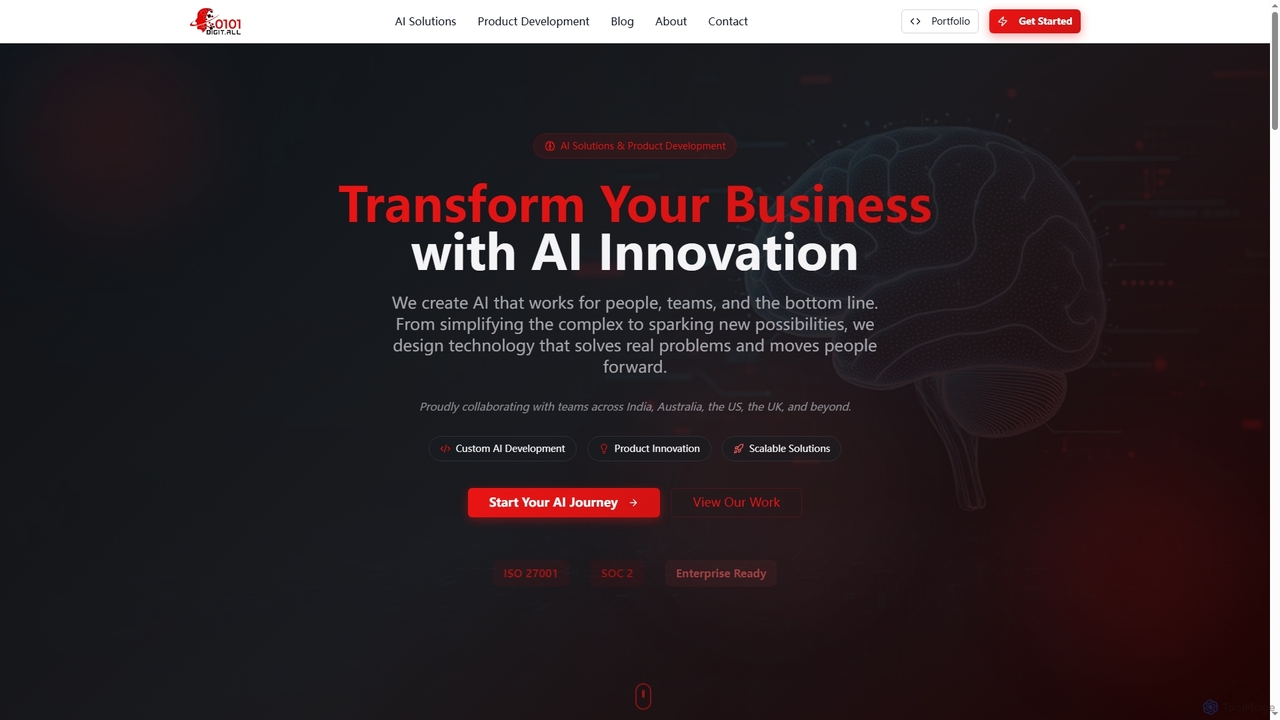
0101 Digital is a leading AI solutions provider specializing in transforming businesses through custom AI development, product innovation, …

3.8K

About Agile Delivery

Agile Delivery tools are AI-enhanced platforms designed to streamline and optimize the iterative development and delivery of projects, primarily within the broader context of Project Management. These tools leverage AI to facilitate dynamic planning, continuous feedback, and adaptive execution, enabling teams to respond rapidly to change and deliver value incrementally. They empower cross-functional teams to manage backlogs, sprints, and releases with greater transparency and efficiency, fostering a culture of continuous improvement and collaboration.

Core Features

  • Sprint Planning & Management: Facilitates the breakdown of project goals into manageable sprints, tracking progress and capacity.
  • Backlog Refinement: AI-assisted prioritization and organization of product backlogs based on value, effort, and dependencies.
  • Burndown/Burnup Charts: Visualizes work completed versus remaining, providing real-time insights into sprint progress and team velocity.
  • Continuous Integration/Delivery (CI/CD) Support: Integrates with development pipelines to automate testing and deployment, ensuring rapid, reliable releases.
  • Team Collaboration & Communication: Centralized platforms for daily stand-ups, retrospectives, and real-time communication among team members.

Use Cases

Agile Delivery tools are essential for software development teams, product managers, and IT departments adopting Scrum, Kanban, or other agile methodologies. They are used to manage complex projects with evolving requirements, ensuring that development cycles are short, feedback loops are tight, and deliverables consistently align with stakeholder needs.

How to Choose

When selecting an Agile Delivery tool, consider its support for your specific agile methodology (Scrum, Kanban, SAFe), integration capabilities with existing development and communication tools, scalability for growing teams, and robust reporting features for tracking key agile metrics like velocity and lead time. User-friendliness and customization options are also crucial for team adoption.

Agile DeliveryUse Cases

1

Facilitating Daily Scrum Meetings

For Scrum Masters and development teams, Agile Delivery tools provide a structured environment to conduct daily stand-ups. Team members can quickly update their progress, identify blockers, and align on immediate priorities directly within the tool. This ensures transparency, keeps meetings concise, and allows for immediate action on impediments, maintaining sprint momentum.

2

Managing Product Backlog Prioritization

Product Owners utilize Agile Delivery tools to continuously refine and prioritize the product backlog. Features, user stories, and bugs can be easily added, estimated, and ranked based on business value, technical effort, and strategic alignment. AI features might suggest optimal prioritization, ensuring the team always works on the most impactful items for upcoming sprints.

3

Planning and Tracking Sprints Effectively

Development teams leverage these tools for comprehensive sprint planning sessions. They can pull items from the prioritized backlog, assign tasks to team members, and visualize workload capacity. Throughout the sprint, the tool tracks task completion, updates burndown charts, and highlights potential delays, enabling proactive adjustments to meet sprint goals.

4

Streamlining Release Management

For release managers and DevOps teams, Agile Delivery tools help coordinate the deployment of new features and updates. They provide a clear overview of completed sprints, pending items, and dependencies across different teams. This ensures a smooth, predictable release cycle, minimizing risks and downtime while delivering value to users consistently.

5

Conducting Effective Retrospectives

Agile teams use these platforms to facilitate sprint retrospectives, gathering feedback on what went well, what could be improved, and actionable items for the next sprint. The tools can anonymize feedback, categorize themes, and track the implementation of improvement suggestions, fostering a culture of continuous learning and process optimization.

6

Enhancing Cross-Functional Team Collaboration

Project teams comprising developers, designers, QAs, and business analysts use Agile Delivery tools as a central hub for collaboration. They can share updates, comment on tasks, attach relevant documents, and track dependencies across different workstreams. This unified platform breaks down silos, ensuring everyone is aligned and working towards common objectives.

Agile DeliveryFrequently Asked Questions