Project Management Best in category 1 results Field Operations AI Tool

Popular AI tools in the Field Operations field of Project Management include Sytex, etc., helping you quickly improve efficiency.

Sytex

Sytex

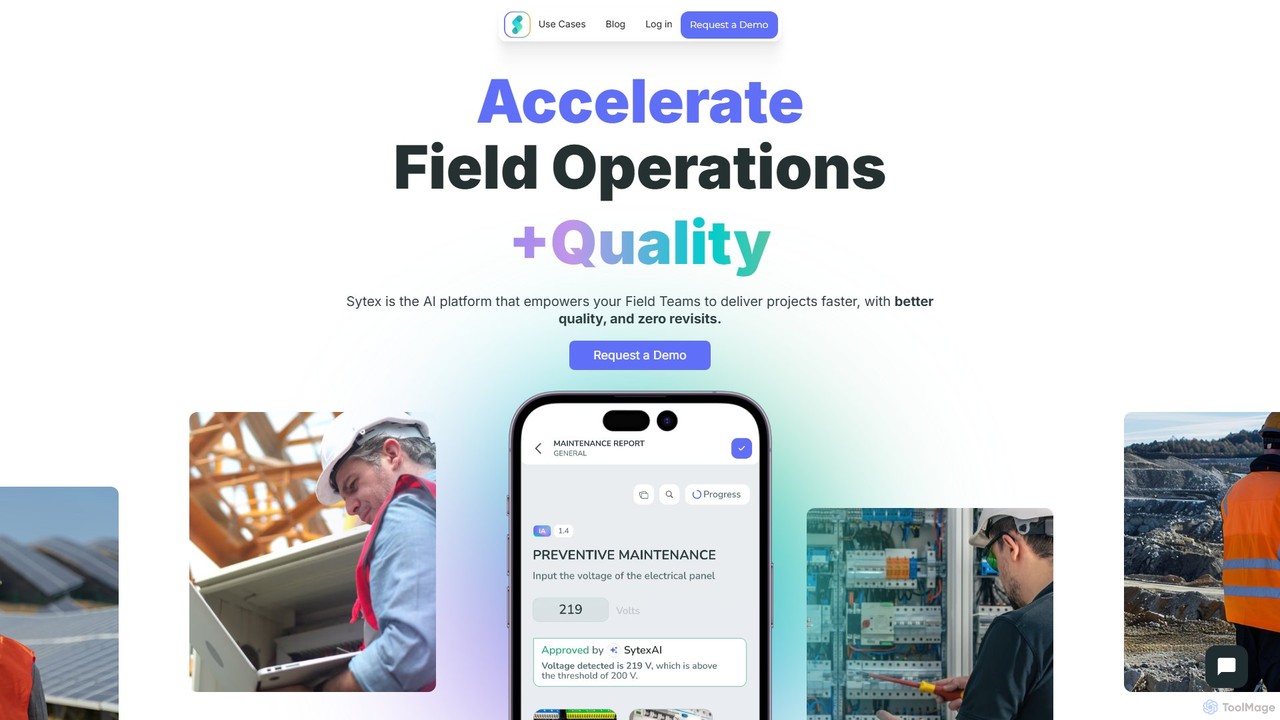
Sytex is an intelligent platform designed to accelerate and optimize field operations, particularly for the telecommunications industry. It …

122.5K

About Field Operations

Field Operations AI tools are specialized solutions designed to optimize and automate tasks performed outside traditional office environments, often on-site. These tools leverage AI, IoT, and mobile technologies to provide real-time data, predictive insights, and intelligent automation for remote teams. They enhance efficiency, safety, and decision-making in sectors like construction, utilities, logistics, and field service. By integrating with project management systems, they ensure seamless coordination between office and field.

Core Features

  • Real-time Asset Tracking: Monitor location, status, and performance of equipment and vehicles in the field.
  • Dynamic Scheduling & Dispatch: Optimize task allocation and routes for field personnel based on real-time conditions and priorities.
  • Predictive Maintenance: Analyze sensor data to anticipate equipment failures and schedule proactive maintenance, reducing downtime.
  • Automated Reporting & Compliance: Streamline data collection, generate reports, and ensure adherence to safety and regulatory standards.
  • AI-powered Remote Assistance: Provide field technicians with intelligent guidance and troubleshooting support via AR/VR or mobile apps.

Applicable Scenarios

Construction project managers use these tools to track equipment on multiple sites, manage material deliveries, and monitor worker progress in real-time. Utility companies deploy them for efficient scheduling of maintenance crews and rapid response to outages. Logistics firms optimize delivery routes and monitor fleet performance to reduce operational costs.

How to Choose

When selecting Field Operations AI tools, prioritize solutions with robust real-time data capabilities, seamless integration with existing project management and ERP systems, and mobile-first design for ease of use by field teams. Evaluate their predictive analytics features for maintenance and resource optimization, and ensure compliance with industry-specific safety and regulatory requirements. Scalability and offline functionality are also crucial considerations for diverse field environments.

Field OperationsUse Cases

1

Optimizing Construction Site Logistics

Construction project managers utilize AI Field Operations tools to monitor the precise location and operational status of heavy machinery, track material deliveries, and manage on-site personnel. This enables dynamic adjustment of schedules, prevents equipment idling, and ensures timely material flow, significantly reducing project delays and operational costs.

2

Predictive Maintenance for Utility Infrastructure

Utility companies deploy AI tools to analyze sensor data from power grids, pipelines, and communication networks. The AI predicts potential equipment failures before they occur, allowing field crews to perform proactive maintenance. This minimizes service disruptions, extends asset lifespan, and enhances public safety.

3

Efficient Field Service Dispatch & Routing

Field service organizations use AI to automatically assign service requests to the most suitable technicians based on skills, location, and real-time traffic conditions. The AI optimizes routes, reducing travel time and fuel costs, while ensuring faster response times and improved customer satisfaction for installations and repairs.

4

Real-time Quality Control & Inspection in Manufacturing

Quality assurance teams in manufacturing use mobile AI applications for on-site inspections of products or components. The AI guides inspectors through checklists, identifies defects using computer vision, and generates immediate reports. This ensures consistent quality, reduces human error, and accelerates the inspection process.

5

Enhanced Safety Monitoring for Remote Workforces

Companies with remote or hazardous field operations leverage AI tools to monitor worker safety and compliance. Wearable sensors and mobile apps track environmental conditions, worker location, and adherence to safety protocols. AI alerts supervisors to potential risks or incidents, enabling rapid response and improving overall safety records.

6

Streamlining Agricultural Crop Monitoring & Resource Allocation

Agricultural enterprises employ AI-powered drones and ground sensors to collect data on crop health, soil conditions, and irrigation needs across vast fields. Field Operations AI analyzes this data to recommend precise watering, fertilization, and pest control strategies, optimizing resource use and maximizing yields while minimizing environmental impact.

Field OperationsFrequently Asked Questions