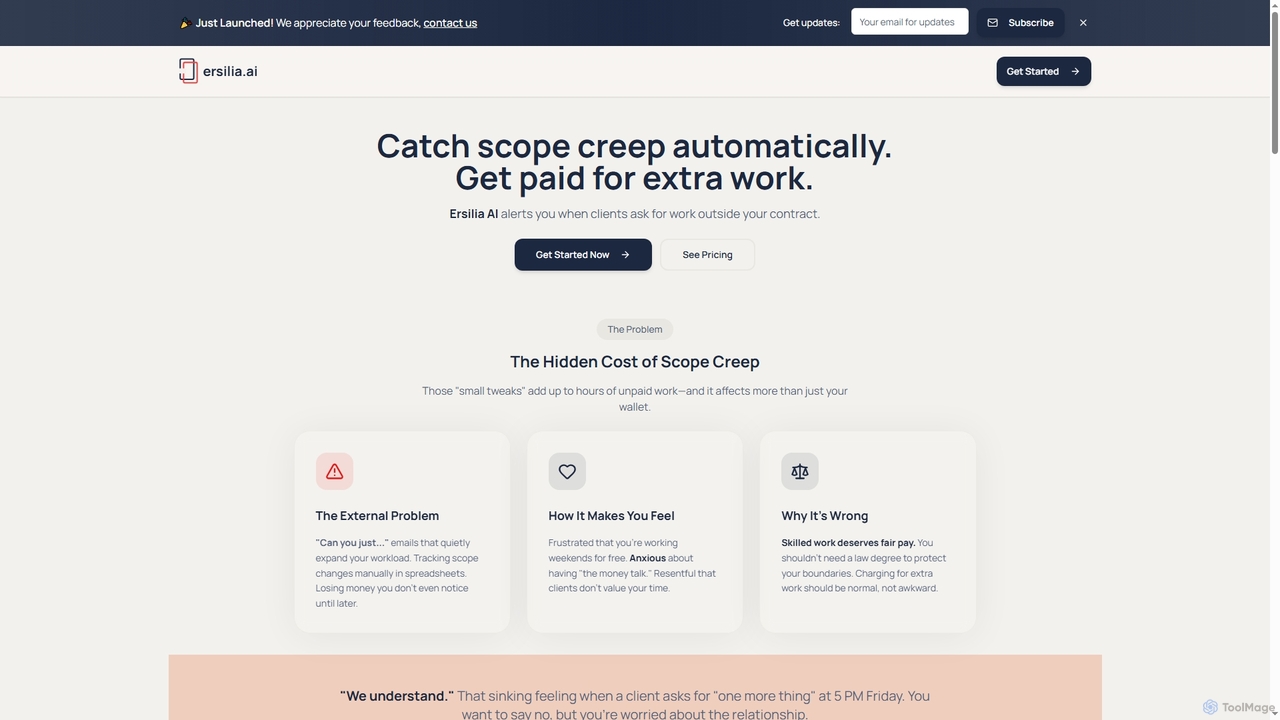
AI Freelancer Tools are specialized platforms designed to manage the entire business lifecycle for independent professionals. As a focused subset of project management, these tools integrate AI to automate administrative tasks like proposal generation, time tracking, and invoicing. They centralize client communication, project deliverables, and financial management, allowing freelancers to focus more on their creative or technical work. This consolidation of functions distinguishes them from broader project management software, which is typically built for team collaboration.
Core Features
- AI Proposal & Contract Generation: Creates customized, professional proposals and legally sound contracts based on project details and client information.
- Automated Time Tracking: Intelligently tracks billable hours across different projects and tasks, often with automatic start/stop detection.
- Smart Invoicing & Payment Processing: Generates detailed invoices from tracked time and expenses, and integrates with payment gateways for seamless collection.
- Client Relationship Management (CRM): Organizes all client data, communication history, and project statuses in a single, accessible dashboard.
- Financial Reporting & Analytics: Provides insights into income, expenses, project profitability, and tax estimations to aid in business decisions.
Use Cases
These tools are essential for solo entrepreneurs, independent contractors, and small agencies across various industries. For example, a freelance graphic designer can use them to send proposals and get paid, a software developer can track hours for multiple clients, and a marketing consultant can analyze the profitability of different service packages. They streamline operations for anyone who manages their own client projects and finances.
How to Choose
When selecting an AI Freelancer Tool, consider the scope of features—do you need an all-in-one solution or just invoicing? Evaluate its integration capabilities with your existing tools like calendars, cloud storage, and accounting software. Examine the pricing model, whether it's a flat subscription, a percentage of revenue, or a freemium plan. Finally, assess the client portal features for a professional client experience.