ToolMage
Sign in

Best 2 Property Research AI tools for Real Estate

Popular Property Research AI tools in Real Estate include Plotzy and S32, helping you work more efficiently.

Plotzy
Paid

Plotzy

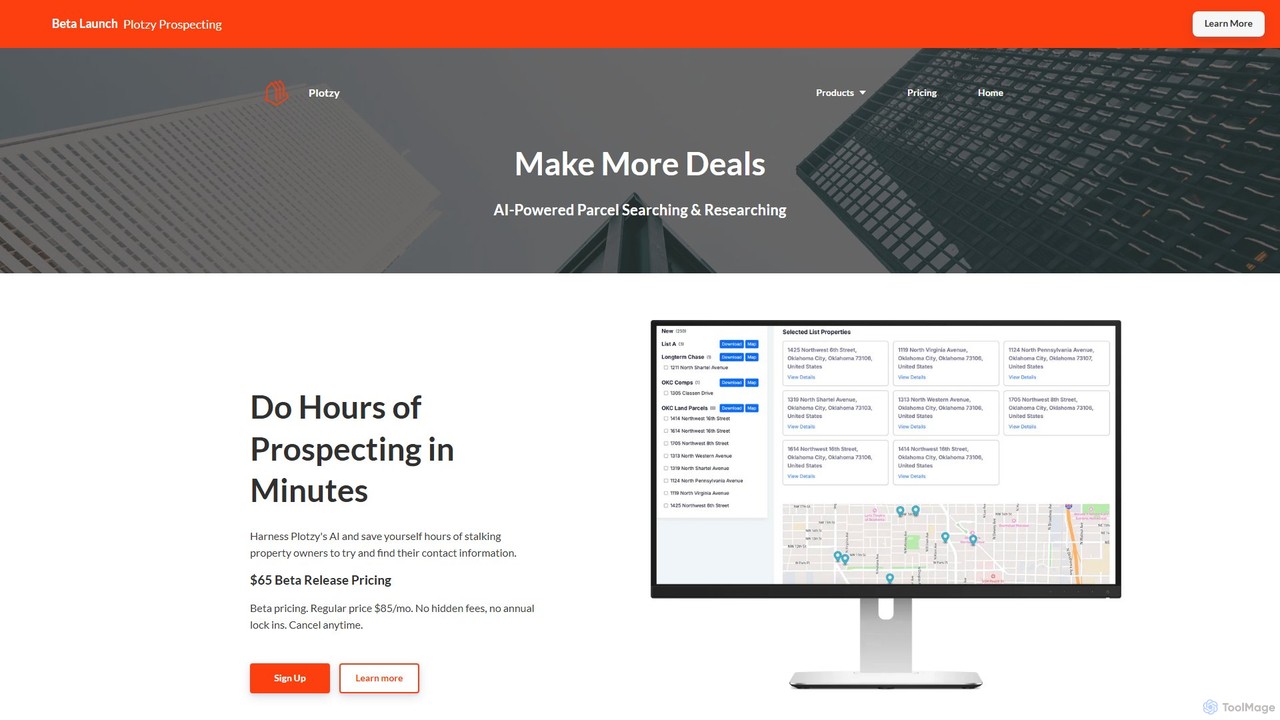
Plotzy is an AI-powered platform designed for real estate professionals to streamline parcel and zoning research. It provides comprehensive property data, owner contact information, and instant AI-driven zoning analysis. This tool helps brokers, developers, and investors find off-market deals, verify permitted uses, and accelerate the entire property acquisition process from prospecting to closing.

Lead Generation
Visits 11.4KFavorites 148Likes 147
S32
Freemium

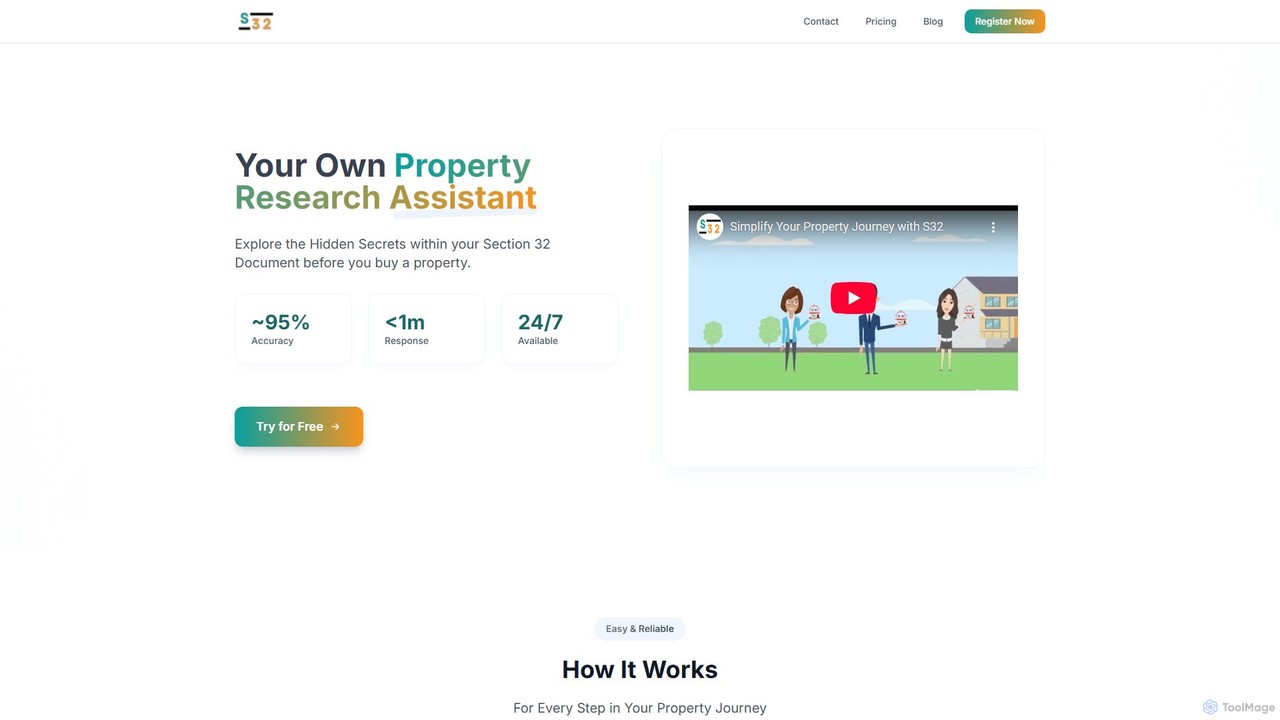
S32

S32 is an AI-powered property research assistant for the Australian market. It specializes in analyzing complex legal documents like Section 32 statements and rental agreements. Users can upload documents to receive instant, comprehensive risk reports, uncovering hidden issues such as zoning restrictions, flood risks, and legalities. The AI chat feature allows users to ask questions in plain English, making property research faster, easier, and more accessible for homebuyers, investors, and real estate professionals.

Investment
Visits 5.8KFavorites 158Likes 168

About Property Research

AI Property Research tools are specialized platforms that use machine learning and big data to provide in-depth analysis of real estate assets. These tools go beyond simple listings by processing vast datasets, including historical sales, demographic trends, zoning regulations, and market forecasts. They empower users to make data-driven decisions by uncovering investment potential, assessing risks, and accurately valuing properties. The core value lies in transforming raw property data into actionable, predictive intelligence.

Core Features

  • Predictive Market Analysis: Forecasts future property values, rental yields, and market trends based on historical data and economic indicators.
  • Automated Valuation Models (AVM): Provides instant, data-driven property value estimates by analyzing comparable properties and market conditions.
  • Zoning & Permit Data Aggregation: Consolidates complex local zoning laws, building permits, and land use restrictions into an easily understandable format.
  • Demographic & Neighborhood Insights: Analyzes population growth, income levels, school ratings, and crime rates to evaluate a location's potential.
  • Risk Assessment: Identifies potential risks associated with a property, such as flood zones, environmental hazards, or market volatility.

Use Cases

These tools are primarily used by real estate investors, developers, appraisers, and asset managers. For instance, an investor can use them to perform thorough due diligence on a potential acquisition, while a developer can identify optimal locations for new projects by analyzing demographic and zoning data. They are essential for anyone needing deep, analytical insights rather than just property listings.

How to Choose

When selecting an AI Property Research tool, consider the accuracy and coverage of its data sources. Evaluate the sophistication of its analytical models and the transparency of its valuation methods. Also, assess its user interface for ease of use and its ability to generate customizable reports. Finally, check for integration capabilities with other real estate software like MLS or CRM systems.

Property Research use cases

1

Investment Due Diligence for Commercial Properties

A real estate investment analyst is evaluating a multi-family apartment building for acquisition. Using an AI Property Research tool, they input the property address to instantly receive a comprehensive report. The tool analyzes historical sales of comparable properties, local rental market trends, vacancy rates, and demographic shifts in the neighborhood. It also flags potential risks like proximity to a flood zone or recent zoning changes. This allows the analyst to build a data-backed financial model and present a confident investment recommendation in hours, a process that would traditionally take days of manual research.

2

Optimal Site Selection for Real Estate Development

A property developer is searching for the ideal parcel of land to build a new retail center. They use an AI research tool to screen a large metropolitan area. The tool layers multiple datasets, including traffic patterns, consumer spending habits in surrounding zip codes, competitor locations, and future infrastructure projects. It generates a heat map highlighting areas with high commercial potential and low competition. The developer can then focus their on-the-ground efforts on a few top-ranked sites, saving significant time and resources in the site selection process.

3

Portfolio Risk and Opportunity Analysis

An asset manager for a real estate investment trust (REIT) needs to assess the health of their national portfolio of office buildings. They use an AI platform to aggregate data for all their properties. The tool analyzes macro trends like remote work adoption rates in different cities and micro factors like new local competition. It identifies properties in high-risk markets and flags those in emerging tech hubs as opportunities for capital investment. This portfolio-wide view enables the manager to make strategic decisions about divestment, renovation, or further acquisition.

4

Automated Valuation for Mortgage Lending

A mortgage lender needs to quickly process a high volume of loan applications. They integrate an AI-powered Automated Valuation Model (AVM) into their workflow. When an application is submitted, the AVM instantly pulls data on the subject property and recent comparable sales, adjusting for differences in size, condition, and location. It provides a reliable valuation estimate in seconds, allowing the lender to make a preliminary loan decision much faster. This accelerates the entire mortgage approval process, improving customer satisfaction and operational efficiency.

5

Hyper-Local Market Analysis for Real Estate Agents

A real estate agent is preparing a comparative market analysis (CMA) for a potential seller. Instead of just pulling recent sales from the MLS, she uses an AI research tool. The tool not only finds comps but also analyzes micro-trends within a specific subdivision, such as the average days on market, sale-to-list price ratio, and the impact of recent school district rating changes. It generates charts and insights that she can include in her listing presentation, demonstrating deep market expertise and helping the seller set a competitive and realistic asking price.

6

Identifying Off-Market Investment Opportunities

An acquisitions specialist for a private equity firm focuses on finding undervalued properties before they hit the open market. They use an AI tool that scans public records, tax assessments, foreclosure notices, and demographic data. The AI identifies properties that are likely to be sold soon, such as those owned by retiring landlords, properties with deferred maintenance, or those in areas poised for rapid gentrification. This provides the specialist with a curated list of potential off-market deals, giving their firm a significant competitive advantage.

Property Research FAQ

What are AI Property Research tools?

AI Property Research tools are advanced software platforms that use artificial intelligence to analyze vast amounts of real estate data. Unlike simple listing websites, they provide deep analytical insights into properties, including predictive valuations, market trend forecasts, risk assessments, and detailed neighborhood analysis. They are designed to help investors, developers, and real estate professionals make more informed, data-driven decisions by uncovering patterns and opportunities that are not visible through manual research.

How do AI Property Research tools differ from standard real estate listing sites (like Zillow or Redfin)?

The key difference lies in depth and purpose. Listing sites are primarily marketplaces designed to show you what is for sale or rent. AI Property Research tools are analytical platforms designed to tell you why a property is a good or bad investment. They focus on:

  • Predictive Analytics: Forecasting future value, not just showing current price.
  • Data Aggregation: Combining MLS data with zoning laws, demographic trends, school ratings, and economic indicators.
  • Risk Assessment: Actively identifying potential issues like flood zones or market downturns.
  • Custom Analysis: Allowing users to model different investment scenarios and analyze entire portfolios.
In short, listing sites are for searching; research tools are for analyzing and strategizing.

How should I choose the right AI Property Research tool?

Choosing the right tool depends on your specific needs. Consider these factors:

  • Data Quality and Coverage: Does the tool cover your geographic area of interest with accurate, up-to-date data from reliable sources (e.g., public records, MLS)?
  • Analytical Features: Does it offer the specific analyses you need, such as rental yield forecasts, risk modeling, or site selection heat maps?
  • User Interface (UI): Is the platform intuitive and easy to navigate? Can you easily generate and export the reports you need?
  • Integration: Can it connect with other software you use, such as CRM systems or financial modeling tools?
  • Pricing Model: Does the pricing align with your usage, whether you're an individual investor or a large enterprise?
Start by identifying your primary use case and then evaluate tools based on how well they meet those specific requirements.

Who are the primary users of AI Property Research tools?

These tools are designed for professionals and serious investors who require deep, data-driven insights for high-stakes decisions. Key user groups include:

  • Real Estate Investors: For identifying undervalued assets, analyzing rental potential, and performing due diligence.
  • Property Developers: For site selection, feasibility studies, and understanding market demand.
  • Asset Managers & REITs: For monitoring portfolio performance, identifying risks, and making strategic acquisition or divestment decisions.
  • Appraisers and Lenders: For creating more accurate, data-backed valuations and speeding up the underwriting process.
  • Commercial Real Estate Brokers: For advising clients with sophisticated market analysis and identifying off-market opportunities.

How accurate are the property valuations from these AI tools?

The accuracy of AI-driven valuations, or Automated Valuation Models (AVMs), can be very high but varies depending on the tool and the property. Accuracy is highest in areas with many recent, similar property sales (homogenous housing stock). It can be lower for unique, custom-built properties or in rural areas with few comparable sales. Most top-tier tools report their median error rate, which is often in the low single digits. While AVMs are excellent for initial analysis, portfolio tracking, and market-level insights, a formal appraisal by a licensed professional is still recommended for final, high-stakes transactions like securing a mortgage.