Real Estate Best in category 7 results Construction AI Tool

Popular AI tools in the Construction field of Real Estate include Maket、Zeitview、Digs、Rooftops AI、91squarefeet、Homehelper、Smartdonna, etc., helping you quickly improve efficiency.

Free
Smartdonna

Smartdonna

Smartdonna is an AI-powered knowledge hub dedicated to sustainable home renovation, eco-friendly smart home technology, and green building …

2.9K
Rooftops AI

Rooftops AI

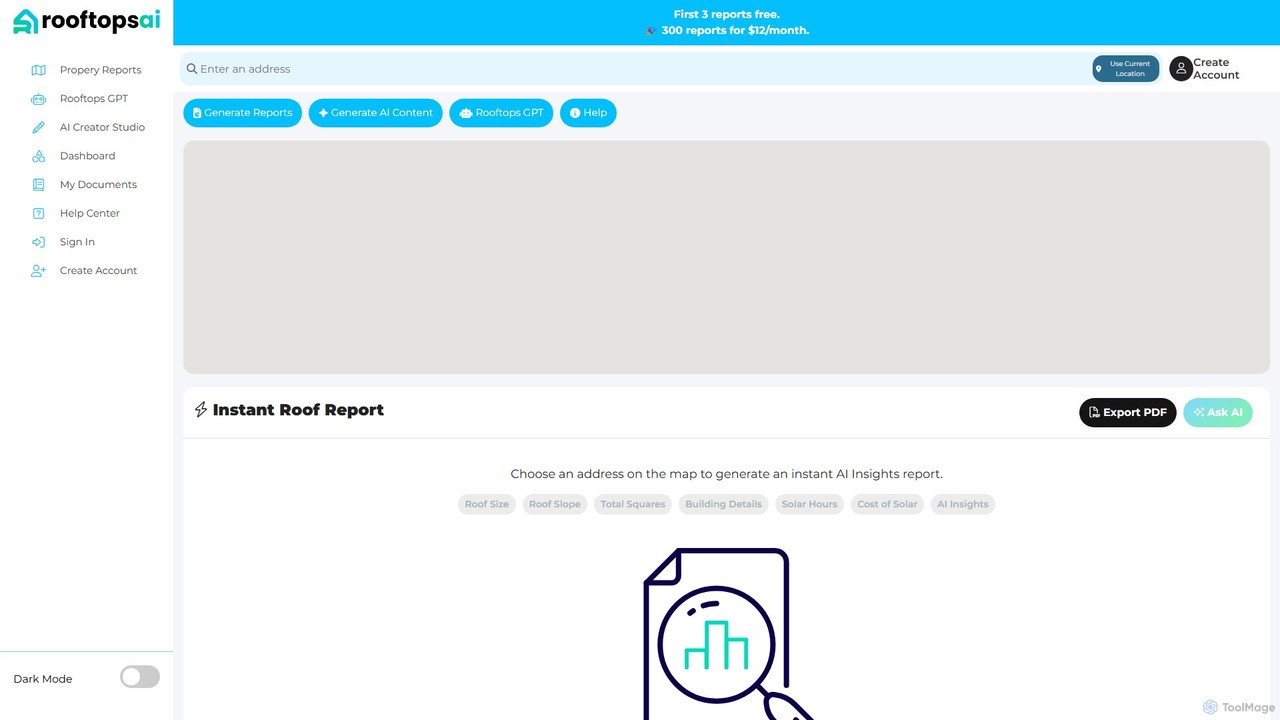
Rooftops AI is an all-in-one platform for roofing contractors and home service businesses, providing instant, AI-powered roof reports …

5.1K
Maket

Maket

Maket is a generative AI platform for residential architecture, enabling users to instantly create floor plans, explore diverse …

521.8K
Digs

Digs

Digs is an AI-powered collaboration platform for the homebuilding industry. It streamlines the entire building process, from pre-build …

17.9K
91squarefeet

91squarefeet

91squarefeet is a tech-enabled construction company in India, specializing in commercial and retail fit-outs. It leverages AI-driven systems …

4.5K
Homehelper

Homehelper

Homehelper is an AI-powered construction expert for home improvement projects. Featuring an AI assistant named LEO, it provides …

3.0K
Zeitview

Zeitview

Zeitview provides AI-powered asset intelligence and visualization for critical infrastructure. By combining aerial data capture from drones and …

39.1K

About Construction

AI Construction tools are a specialized category of artificial intelligence applications designed to optimize and enhance various stages of building and infrastructure projects. Leveraging machine learning, computer vision, and data analytics, these tools provide predictive insights, automate complex tasks, and improve decision-making from planning and design to execution and maintenance. They are a critical component within the broader real estate lifecycle, specifically focusing on the efficiency, safety, and sustainability of the physical building process.

Core Features

  • Project Schedule Optimization: AI algorithms analyze vast datasets to predict potential delays and optimize project timelines for efficiency.
  • Site Safety Monitoring: Utilizes computer vision to detect safety hazards, monitor worker compliance, and prevent accidents in real-time.
  • Generative Design: AI explores and generates multiple design alternatives for structures, optimizing for cost, materials, and performance.
  • Predictive Maintenance: Forecasts equipment failures and maintenance needs, reducing downtime and extending asset lifespan.
  • Quality Control & Defect Detection: Employs image recognition to identify construction defects and ensure adherence to quality standards.

Applicable Scenarios

Construction AI tools are invaluable for project managers, architects, engineers, and site supervisors. They are used in large-scale infrastructure projects for complex scheduling, in commercial building for optimizing material use, and in residential development for enhancing site safety and quality assurance.

How to Choose

When selecting AI Construction tools, consider their integration capabilities with existing BIM/CAD software, the accuracy and reliability of their predictive models, data security protocols, and scalability for projects of varying sizes. Evaluate the user interface for ease of adoption by your team and ensure compliance with industry-specific regulations.

ConstructionUse Cases

1

Optimizing Large-Scale Project Schedules

Project managers overseeing complex infrastructure projects, such as bridges or high-rise buildings, utilize AI tools to analyze historical data, weather patterns, and resource availability. The AI predicts potential delays, identifies critical path bottlenecks, and suggests alternative scheduling adjustments, enabling proactive risk mitigation and ensuring projects stay on track and within budget.

2

Enhancing Construction Site Safety Monitoring

Site safety officers deploy AI-powered computer vision systems to continuously monitor construction sites. These systems automatically detect if workers are wearing proper PPE, identify unauthorized access to hazardous zones, or spot unsafe equipment operation. Real-time alerts are sent to supervisors, significantly reducing accident risks and improving overall site safety compliance.

3

Generating Efficient Structural Designs

Architects and structural engineers leverage generative design AI to explore thousands of structural configurations for new buildings. By inputting parameters like material costs, load-bearing requirements, and aesthetic preferences, the AI rapidly proposes optimized designs that minimize material usage, reduce construction time, and enhance structural integrity, far beyond what manual design can achieve.

4

Predictive Maintenance for Heavy Equipment

Construction companies use AI to monitor the performance and health of heavy machinery like excavators, cranes, and bulldozers. Sensors collect data on engine temperature, vibration, and fuel consumption. AI algorithms analyze this data to predict potential mechanical failures before they occur, allowing for scheduled maintenance, preventing costly breakdowns, and extending equipment lifespan.

5

Automating Quality Control and Defect Detection

Quality control teams employ AI-driven image recognition to inspect construction work for defects. Drones or fixed cameras capture high-resolution images of concrete pours, masonry, or finishes. The AI automatically compares these images against design specifications and quality standards, identifying cracks, misalignments, or material inconsistencies much faster and more accurately than human inspection.

6

Streamlining Supply Chain and Logistics

Logistics managers in construction utilize AI to optimize the delivery of materials to job sites. The AI analyzes traffic conditions, supplier lead times, storage capacity, and project phase requirements to create the most efficient delivery schedules. This minimizes material waste, reduces transportation costs, and ensures that necessary resources are available exactly when needed, preventing project delays.

ConstructionFrequently Asked Questions