ToolMage
Sign in

Best 6 Conversational Marketing AI tools for Sales

Popular Conversational Marketing AI tools in Sales include Gorgias, Leadster, telechat.ai, smobi, Chatly, and Airkit.ai, helping you work more efficiently.

Chatly
Freemium

Chatly

Chatly is an AI-powered chatbot platform designed for businesses to automate customer support, generate leads, and enhance user engagement. Build and deploy intelligent, no-code chatbots on your website, social media, and messaging apps to provide 24/7 assistance and drive conversions.

Chatbots
Visits 5.5KFavorites 114Likes 114
Leadster
Freemium

Leadster

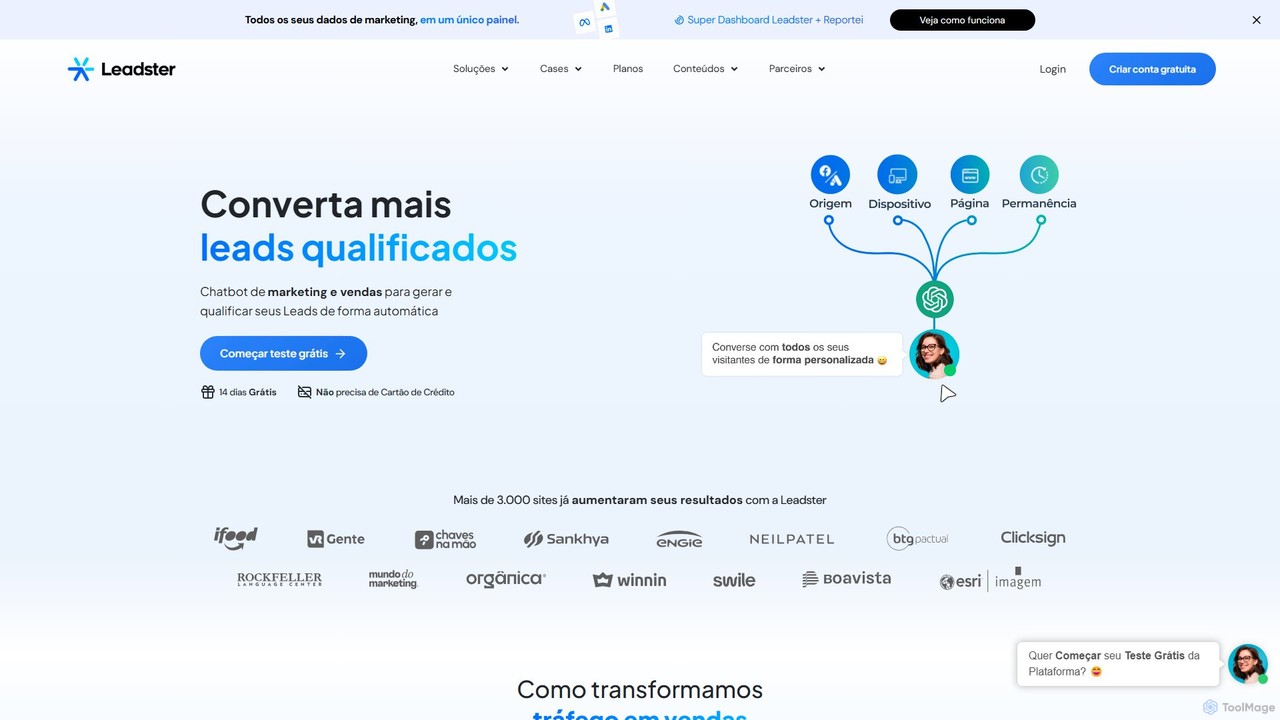
Leadster is an AI-powered conversational marketing platform designed to triple your website's lead generation. It uses a smart chatbot to proactively engage visitors, qualify them automatically 24/7, and intelligently distribute high-quality leads to your sales team. With extensive integrations and powerful analytics, Leadster helps businesses convert more traffic into sales without increasing their marketing budget.

Marketing Analytics
Visits 102.9KFavorites 125Likes 139
smobi
Paid

smobi

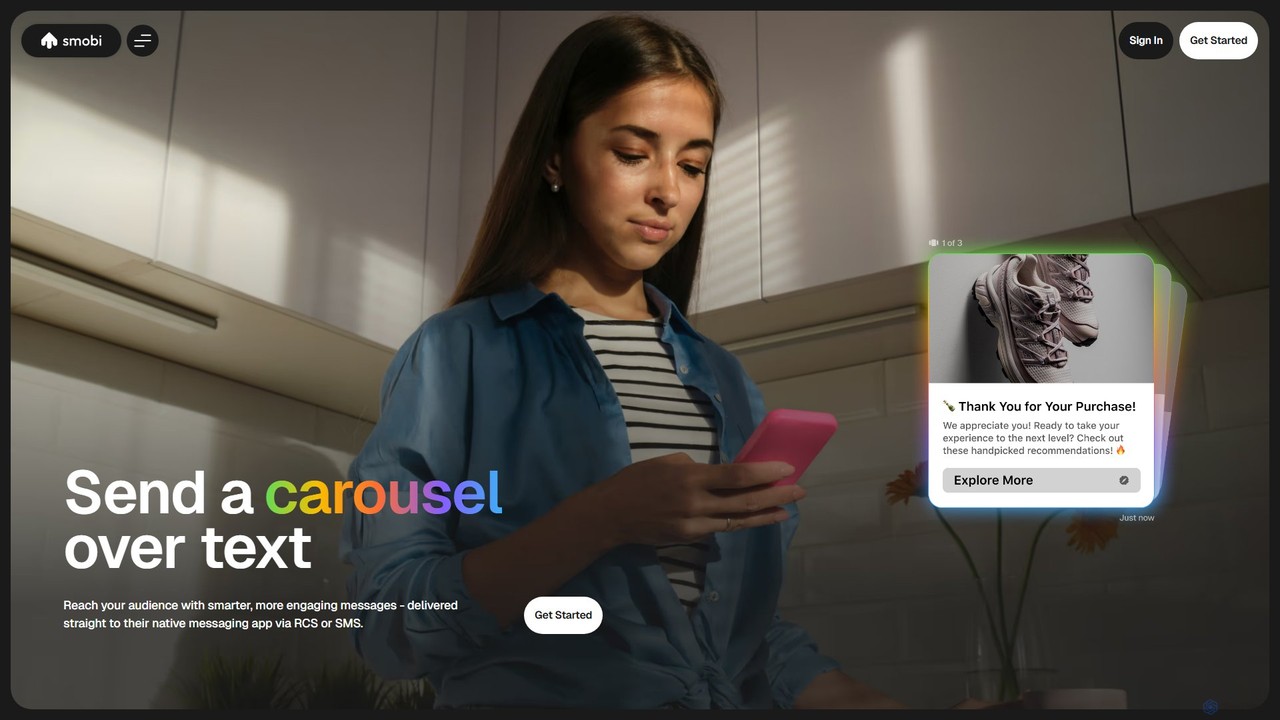
Smobi is an AI-powered platform for building interactive SMS and RCS messaging agents. It enables businesses to transform standard text messages into rich, app-like experiences with features like carousels, videos, and AI-driven replies. Using a no-code workflow builder, companies can automate customer communication, enhance engagement, and significantly boost sales and conversion rates.

Chatbot
Visits 5.6KFavorites 142Likes 140
Airkit.ai
Paid

Airkit.ai

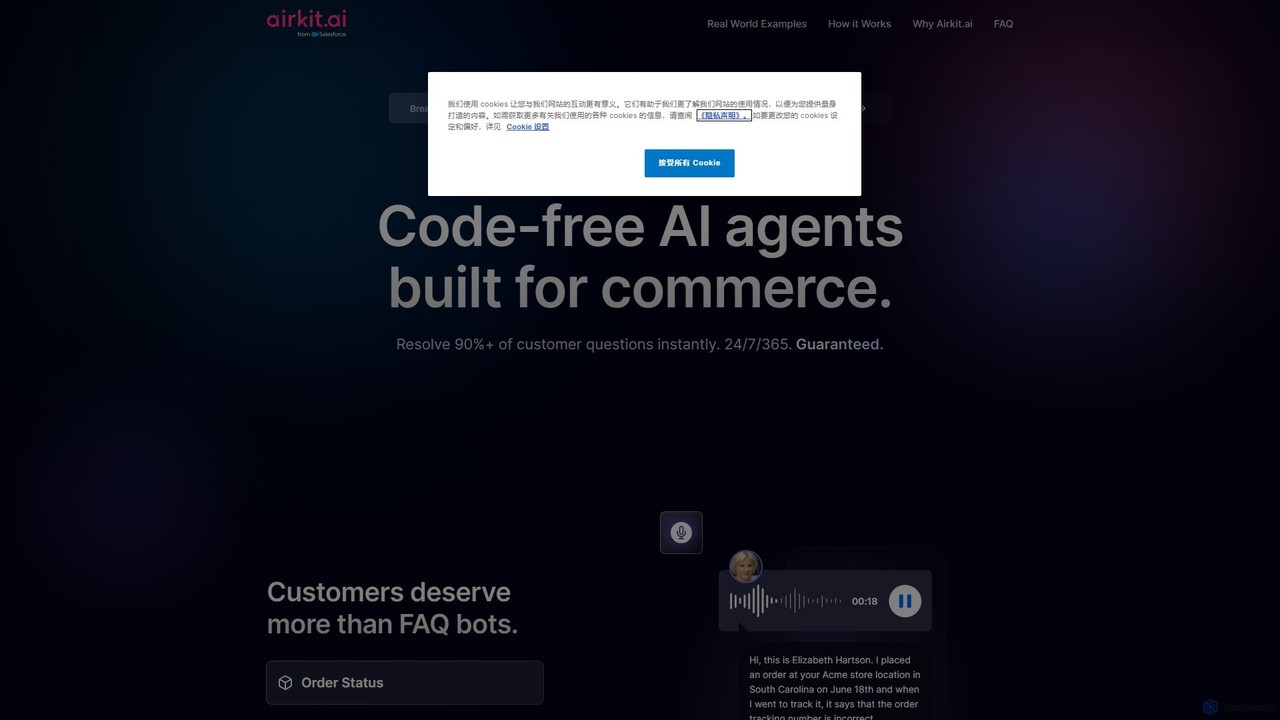
Airkit.ai provides no-code, GPT-4 powered AI agents specifically designed for eCommerce. It automates over 90% of customer service inquiries, such as order status, returns, and product questions, 24/7. Now part of Salesforce, it integrates seamlessly with existing helpdesks and CRMs to offer proactive, personalized, and high-resolution support across all channels.

Chatbot
Visits 5.5KFavorites 129Likes 114
Gorgias
Paid

Gorgias

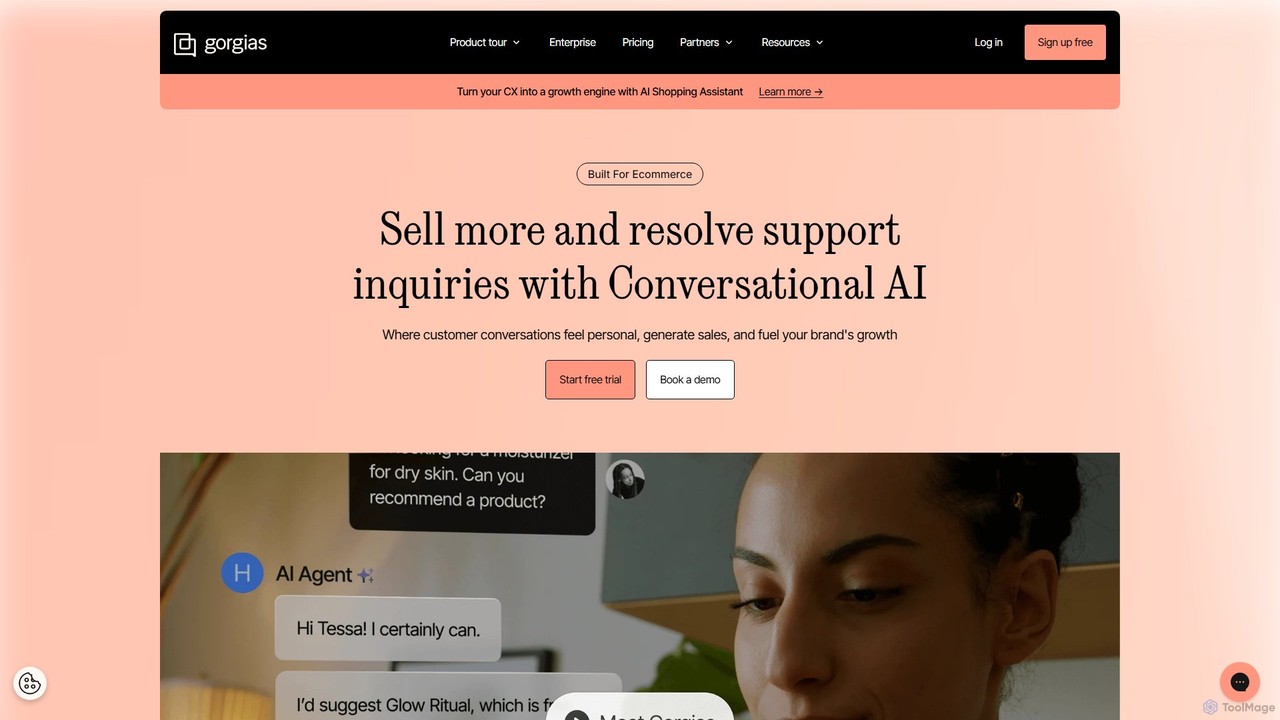
Gorgias is an AI-powered customer service platform specifically designed for e-commerce businesses. It centralizes all customer communications from email, chat, social media, and more into a single helpdesk. By leveraging AI automation, it resolves common inquiries, personalizes interactions, and helps turn customer support into a revenue-generating channel. It integrates deeply with platforms like Shopify to streamline workflows.

Helpdesk
Visits 2.6MFavorites 153Likes 135
telechat.ai
Freemium

telechat.ai

An AI-powered chatbot platform for automating customer support, sales, and marketing conversations across messaging apps like Telegram. Build no-code bots to engage users, generate leads, and provide 24/7 instant support.

Chatbot
Visits 6.2KFavorites 141Likes 128

About Conversational Marketing

Conversational Marketing tools are AI-powered platforms designed to engage website visitors and customers through real-time, personalized conversations. These tools leverage chatbots, live chat, and messaging apps to automate interactions, qualify leads, and provide instant support. By fostering direct dialogue, they streamline the sales process, enhance customer experience, and accelerate conversion rates. This approach transforms passive browsing into active engagement, making sales more efficient and customer-centric.

Core Features

  • AI Chatbots & Virtual Assistants: Automate responses to common queries, guide users through FAQs, and collect initial lead information.
  • Live Chat Integration: Enables human agents to seamlessly take over conversations from chatbots for complex inquiries or sales closures.
  • Lead Qualification & Routing: Automatically asks qualifying questions, scores leads, and routes them to the appropriate sales representative.
  • Personalized Messaging: Delivers tailored product recommendations, offers, or content based on user behavior and preferences.
  • Proactive Engagement: Initiates conversations with visitors based on their browsing patterns, time spent on pages, or specific actions.

Applicable Scenarios

Businesses across various sectors, including e-commerce, SaaS, and financial services, utilize conversational marketing to enhance their sales efforts. Sales teams employ these tools to pre-qualify inbound leads, ensuring that sales representatives spend their time on high-potential prospects. Marketing departments use them to capture visitor information and guide users towards relevant content or product pages, improving lead generation efficiency.

How to Choose

When selecting a conversational marketing tool, consider its AI capabilities for natural language understanding and generation, ensuring smooth and effective interactions. Evaluate its integration potential with existing CRM, marketing automation, and e-commerce platforms for a unified data flow. Assess the ease of chatbot setup and customization, along with the availability of pre-built templates. Finally, review the scalability and pricing model to match your business growth and budget.

Conversational Marketing use cases

1

Automate Lead Qualification on Website

A SaaS company's marketing team deploys an AI chatbot on their pricing page. When a visitor shows interest, the chatbot proactively engages, asking about their company size, industry, and specific needs. Based on the responses, it qualifies the lead, provides relevant case studies, and schedules a demo with the appropriate sales rep, significantly reducing manual lead screening time.

2

Provide Instant Product Recommendations in E-commerce

An online fashion retailer uses a conversational marketing tool to assist shoppers. When a customer browses specific product categories or adds items to their cart, the chatbot initiates a conversation, asking about their style preferences or budget. It then offers personalized product recommendations, answers sizing questions, and even suggests complementary items, enhancing the shopping experience and boosting average order value.

3

Streamline Customer Onboarding for New Users

A software provider integrates a conversational assistant into their product's onboarding flow. New users are greeted by the bot, which guides them through initial setup, explains key features, and answers common first-time questions. This proactive support reduces friction, improves user adoption rates, and frees up customer success teams for more complex issues.

4

Proactive Engagement for Abandoned Carts

An e-commerce site utilizes conversational marketing to re-engage customers who have abandoned their shopping carts. After a set period, a personalized message is sent via a messaging app (e.g., WhatsApp) or website pop-up, offering assistance, answering potential questions about shipping or discounts, and providing a direct link back to their cart, leading to higher recovery rates.

5

Gather Customer Feedback and Insights

A service-based business uses conversational surveys after a customer interaction or service completion. The chatbot asks targeted questions about their experience, satisfaction levels, and suggestions for improvement. This method provides real-time, qualitative feedback in a more engaging format than traditional forms, helping to identify pain points and improve service quality.

6

Schedule Sales Demos and Meetings Automatically

A B2B sales team integrates a conversational tool with their calendar system. Prospects visiting the website can interact with a chatbot that qualifies their interest and then presents available time slots for a demo or consultation. The bot handles the scheduling, sends reminders, and collects necessary pre-meeting information, automating a significant part of the sales development process.

Conversational Marketing FAQ

What is Conversational Marketing?

Conversational Marketing is a strategy that uses real-time, personalized conversations to engage customers throughout their journey, primarily through AI chatbots, live chat, and messaging platforms. Its core purpose is to build relationships, qualify leads, and accelerate sales by providing immediate, interactive support and information, transforming traditional one-way communication into dynamic dialogues.

How does Conversational Marketing differ from traditional marketing?

Traditional marketing often relies on one-way communication (e.g., ads, emails) and forms, leading to delayed responses. Conversational Marketing, conversely, focuses on real-time, two-way interactions, offering instant answers and personalized experiences. It prioritizes immediate engagement and relationship building, directly guiding users through the sales funnel rather than waiting for them to take the next step.

What are the key benefits of implementing Conversational Marketing?

Implementing Conversational Marketing offers several key benefits. It significantly improves lead qualification efficiency by automating initial screening, reduces response times for customer inquiries, and enhances customer satisfaction through instant support. Additionally, it boosts conversion rates by providing personalized guidance and recommendations, and offers valuable insights into customer behavior through interaction data.

What features should I look for in a Conversational Marketing platform?

When choosing a platform, prioritize robust AI chatbot capabilities for natural language understanding, seamless live chat handover for complex issues, and strong integration with your CRM and marketing automation tools. Look for features like lead qualification, proactive engagement triggers, personalized messaging, and comprehensive analytics to track performance and optimize interactions.

Can Conversational Marketing be used for both B2B and B2C businesses?

Yes, Conversational Marketing is highly effective for both B2B and B2C businesses, though the application might differ. B2B companies use it for lead qualification, scheduling demos, and providing technical support. B2C businesses leverage it for instant customer service, personalized product recommendations, abandoned cart recovery, and streamlining the purchasing process, enhancing engagement across diverse customer bases.