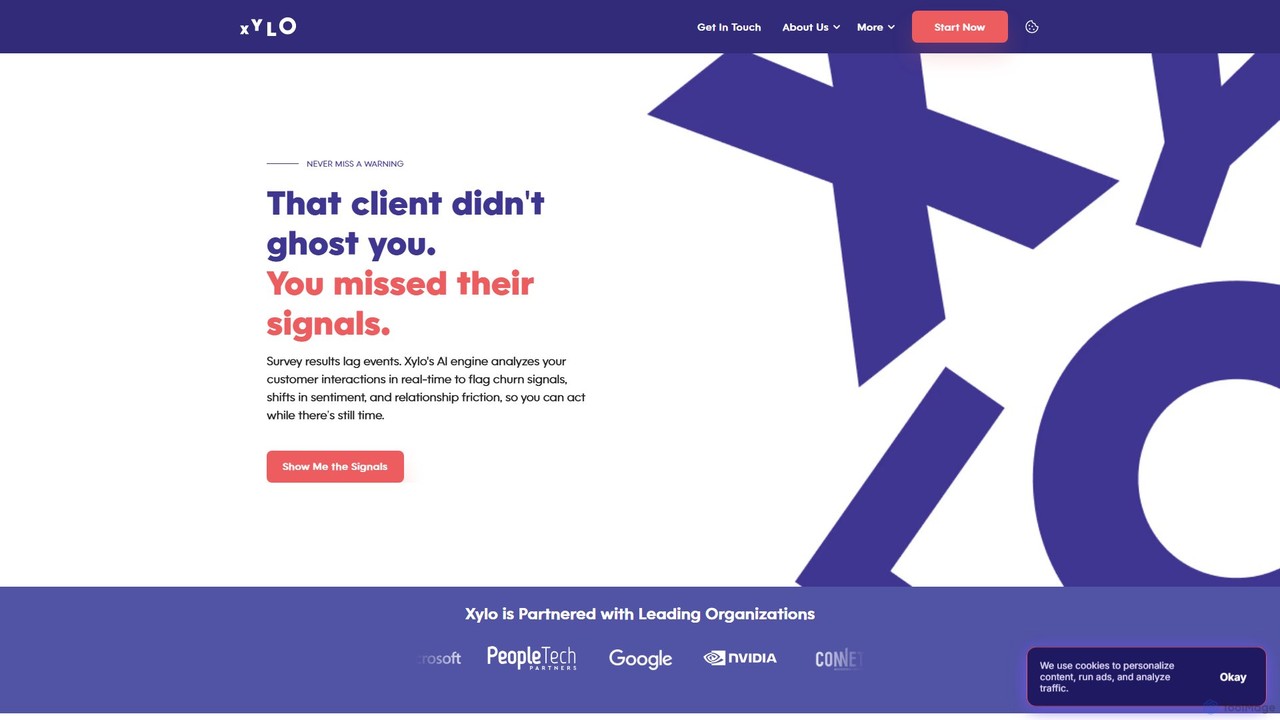
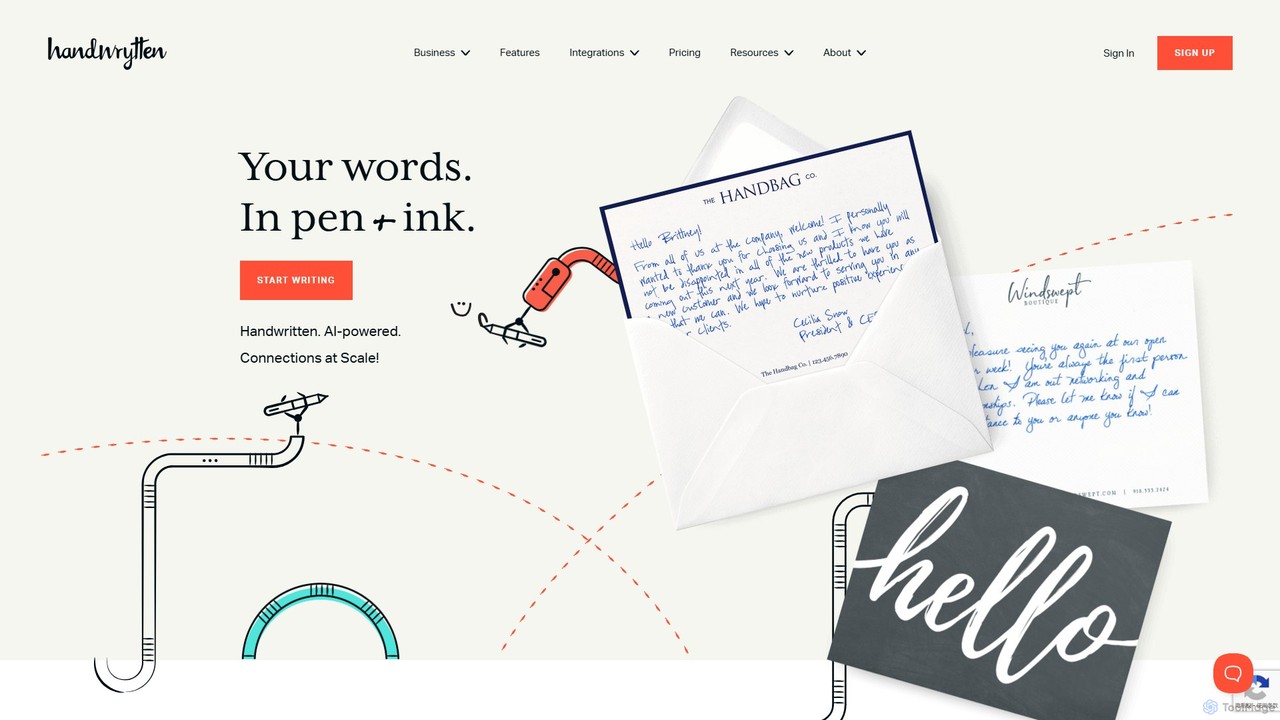
Relationship Management AI tools are specialized platforms that leverage artificial intelligence to enhance, automate, and optimize interactions with customers, leads, and partners. These tools utilize machine learning and natural language processing to analyze communication data, predict behaviors, and personalize engagement strategies. Their primary value lies in improving customer satisfaction, boosting sales efficiency, fostering loyalty, and providing actionable insights for strategic relationship building within the broader sales process.
Core Features
- Personalized Communication Automation: Automatically generates and schedules tailored messages based on individual customer data and interaction history.
- Sentiment Analysis & Engagement Tracking: Monitors and analyzes the emotional tone and level of engagement in communications across various channels.
- Predictive Lead Scoring & Churn Prevention: Identifies high-potential leads and predicts customer churn risks using data-driven insights.
- Automated Follow-ups & Reminders: Ensures timely and relevant follow-ups for leads and existing clients, preventing missed opportunities.
- Relationship Health Monitoring: Provides real-time insights into the overall health and strength of customer relationships through aggregated data.
Applicable Scenarios
Sales teams use these tools to manage complex client portfolios, ensuring personalized and timely engagement. Customer service departments leverage AI for proactive support, anticipating needs and resolving issues before they escalate. Marketing teams apply them to personalize outreach campaigns, increasing relevance and conversion rates across the customer journey.
How to Choose
When selecting Relationship Management AI tools, consider their integration capabilities with existing CRM and sales platforms to ensure seamless data flow. Evaluate the depth and accuracy of their AI features, such as predictive analytics and natural language processing. Assess scalability and customization options to match your business growth and specific relationship management needs, alongside user-friendliness and support.