Sciscoper
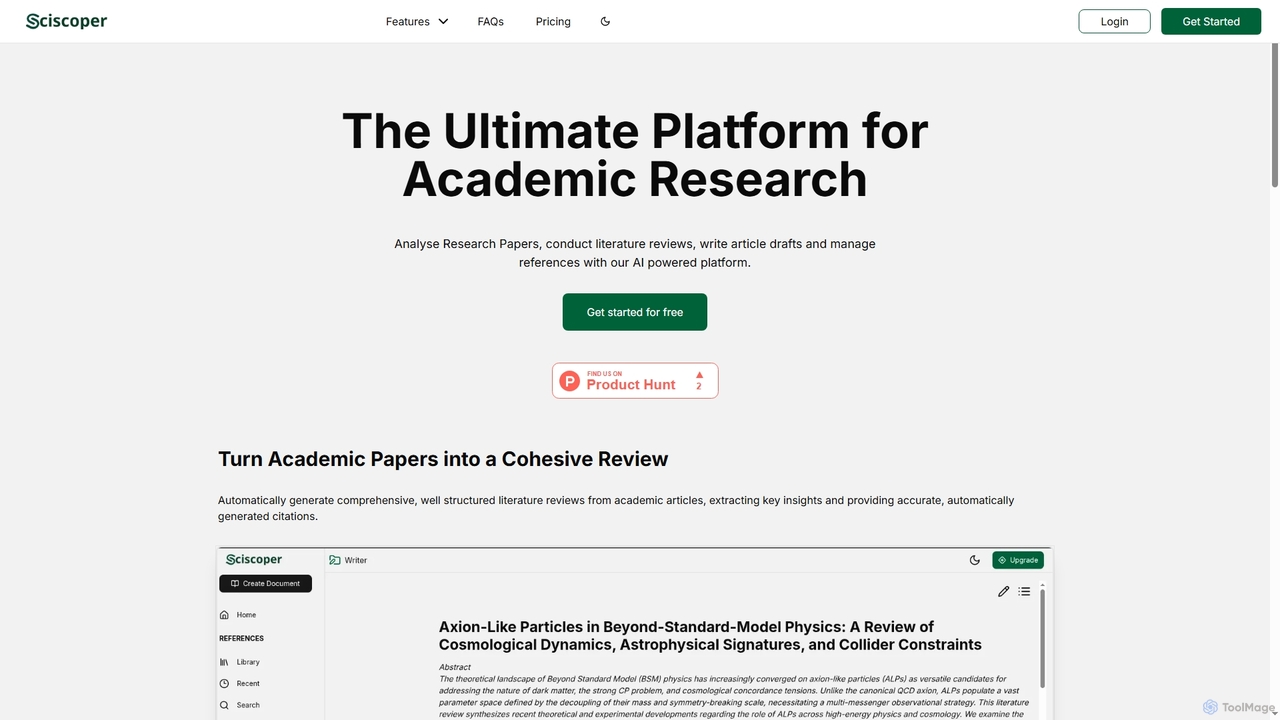
Sciscoper is an AI-powered platform designed to streamline academic research. It helps students and researchers analyze papers, conduct …
Sciscoper is an AI-powered platform designed to streamline academic research. It helps students and researchers analyze papers, conduct literature reviews, draft articles, and manage references efficiently. With features like PDF chat, semantic search, and an AI writer, it accelerates the entire research workflow.
Duckduckgpt
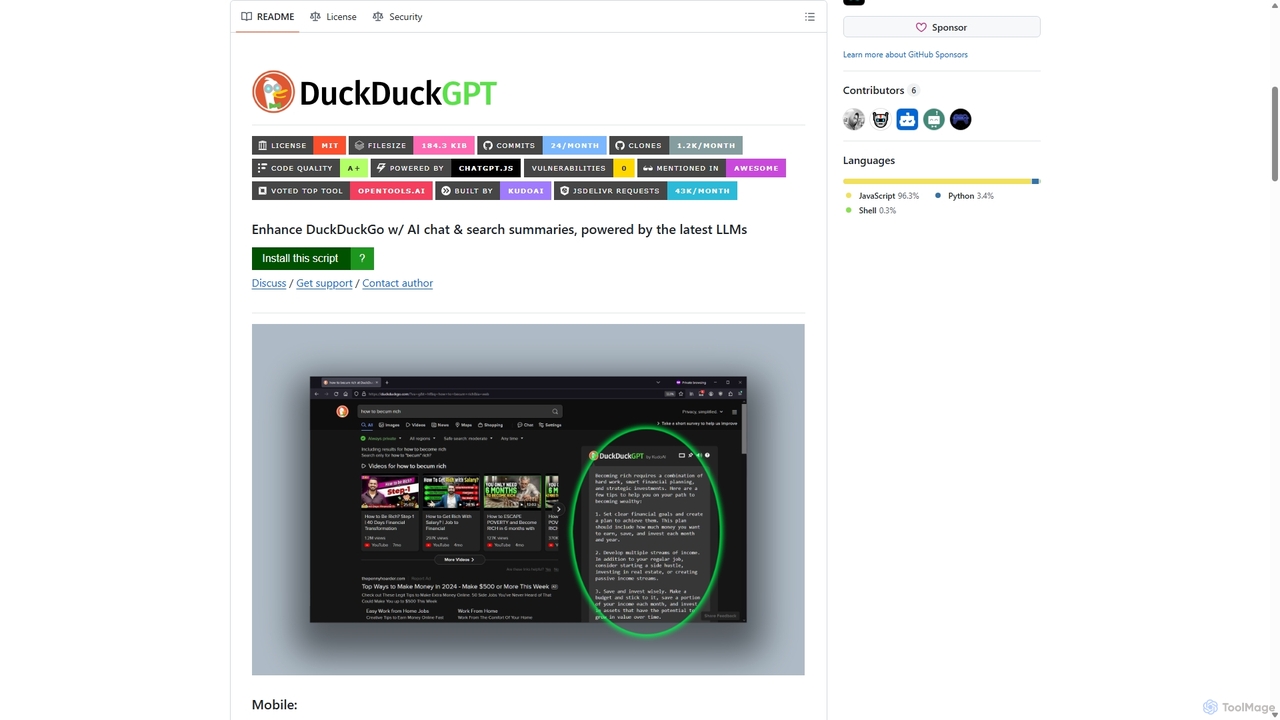
A powerful browser extension that supercharges the DuckDuckGo search engine with AI chat and search summaries. It seamlessly …
A powerful browser extension that supercharges the DuckDuckGo search engine with AI chat and search summaries. It seamlessly integrates responses from the latest LLMs like GPT-4o directly into your search results, providing instant, intelligent answers while maintaining your privacy.
Knowz
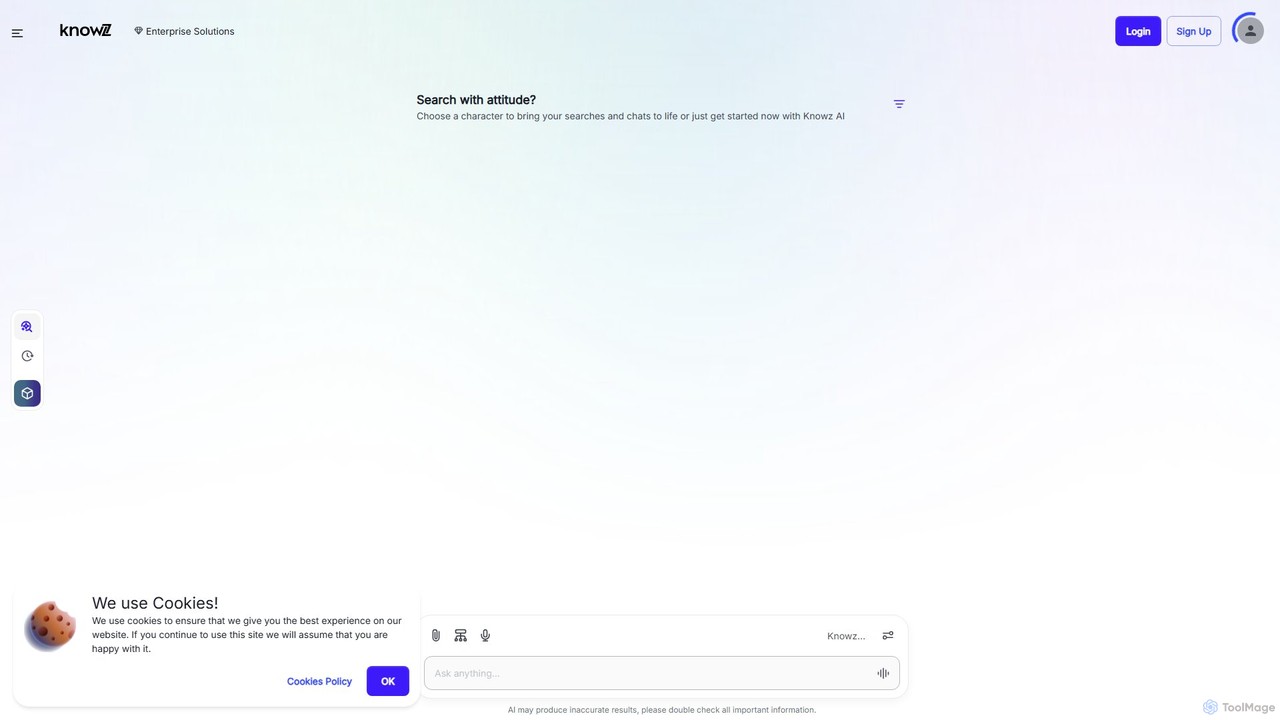
Knowz is an AI-powered enterprise search and automation platform designed to securely connect and manage organizational knowledge. It …
Knowz is an AI-powered enterprise search and automation platform designed to securely connect and manage organizational knowledge. It provides instant, accurate answers from company data, automates complex workflows across various business applications, and ensures enterprise-grade security and compliance.
WebPilot
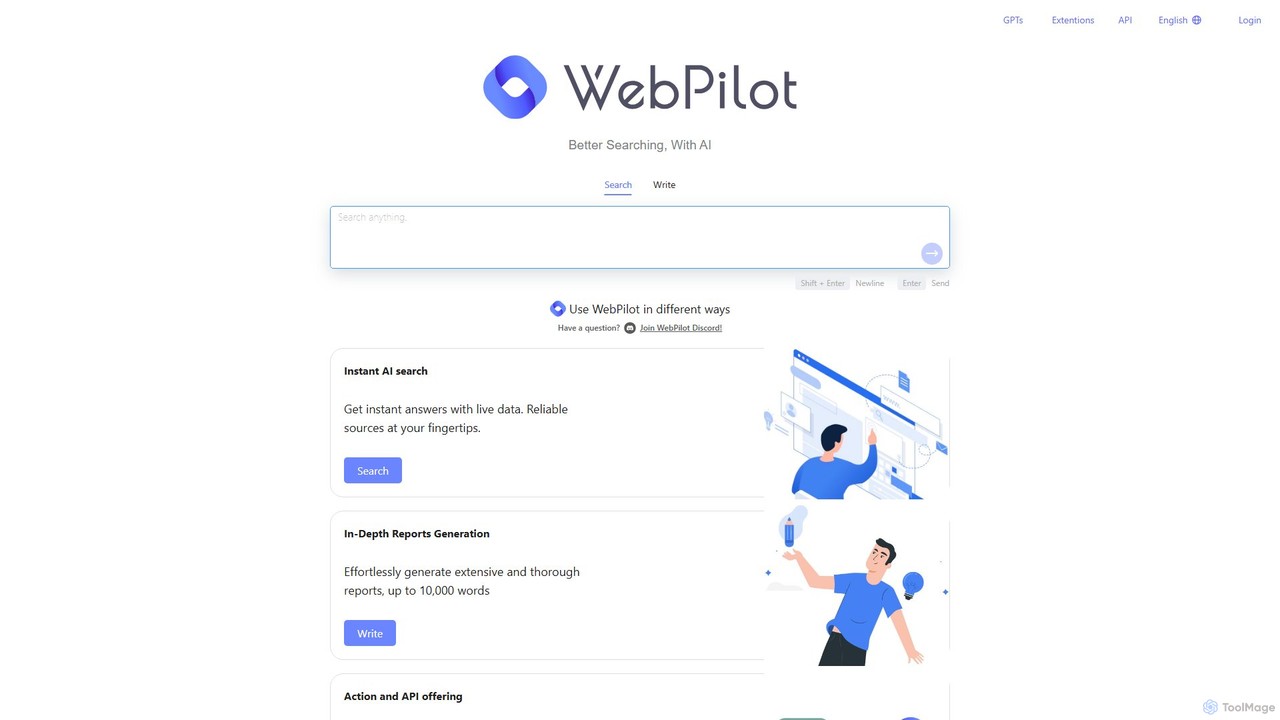
WebPilot is an AI web copilot that enables you to interact with web pages, conduct real-time searches, and …
WebPilot is an AI web copilot that enables you to interact with web pages, conduct real-time searches, and generate in-depth reports. It acts as a browser extension, GPT action, and API to provide up-to-date information and streamline research tasks.
About Search Engines
Search Engines are AI-powered tools that revolutionize how users discover and access information across the vast digital landscape. Leveraging advanced artificial intelligence, these tools go beyond traditional keyword matching to understand context, user intent, and provide more relevant, personalized, and comprehensive search results. They are essential for navigating complex data, conducting research, and staying informed in an ever-growing sea of online content.
Core Features
- Semantic Understanding: Interprets the meaning and context of queries, not just keywords, to deliver highly relevant results.
- Personalized Results: Adapts search outcomes based on user history, location, and preferences for a tailored experience.
- Multimodal Search: Supports queries using text, voice, images, or even video, expanding how users can interact with information.
- Real-time Information Retrieval: Indexes and processes new data continuously, ensuring access to the most current information available.
- Knowledge Graph Integration: Connects disparate pieces of information to provide direct answers and rich, structured data summaries.
Use Cases
These AI-driven search engines are utilized across various domains, from academic research to competitive intelligence. Researchers can quickly synthesize vast amounts of scientific literature, while market analysts can track emerging trends and competitor activities with unprecedented speed. Everyday users benefit from more accurate answers to complex questions and efficient discovery of niche content.
How to Choose
When selecting an AI search engine, consider its indexing breadth and depth, the accuracy of its semantic understanding, and its ability to personalize results without compromising privacy. Evaluate its multimodal capabilities if your needs extend beyond text, and assess its integration options with existing workflows or platforms. Finally, review its data freshness and the transparency of its ranking algorithms.
Search EnginesUse Cases
Enhanced Academic Research
University students and researchers can utilize AI search engines to quickly sift through vast academic databases, journals, and publications. By understanding complex research questions and identifying semantic connections, these tools help pinpoint highly relevant studies, summarize key findings, and discover interdisciplinary insights, significantly accelerating literature reviews and knowledge synthesis.
Competitive Market Intelligence
Business analysts and strategists employ AI search engines to monitor industry trends, competitor strategies, and consumer sentiment in real-time. These tools can analyze news articles, social media, and market reports to identify emerging opportunities, potential threats, and shifts in public perception, providing critical data for informed decision-making.
Personalized Content Discovery
Everyday users leverage AI search engines for more intuitive and personalized content discovery. Instead of generic results, the engine learns individual preferences, search history, and interests to recommend articles, videos, products, or services that are genuinely relevant, making online exploration more efficient and enjoyable.
Specialized Technical Information Retrieval
Engineers and developers use AI search to find specific technical documentation, code snippets, or solutions to complex programming problems. The engine's ability to understand technical jargon and code structures allows for precise searches within specialized forums, repositories, and documentation, drastically reducing debugging and development time.
Legal and Regulatory Compliance Monitoring
Legal professionals and compliance officers utilize AI search engines to track changes in laws, regulations, and case precedents across multiple jurisdictions. These tools can quickly identify relevant legal texts, summarize key amendments, and flag potential compliance risks, ensuring organizations remain up-to-date and avoid penalties.
Multimodal Product Search
E-commerce shoppers and designers can use AI search engines that support image or voice queries to find products. For instance, uploading a photo of a desired item or describing it verbally can yield visually similar products or specific features, streamlining the shopping experience and helping designers source inspiration.