Search Best in category 6 results Search Engine AI Tool

Popular AI tools in the Search Engine field of Search include onelook.ai、ChatPods、ChatGPT Everywhere、ProductIQ、flowtrials、askanyai.com, etc., helping you quickly improve efficiency.

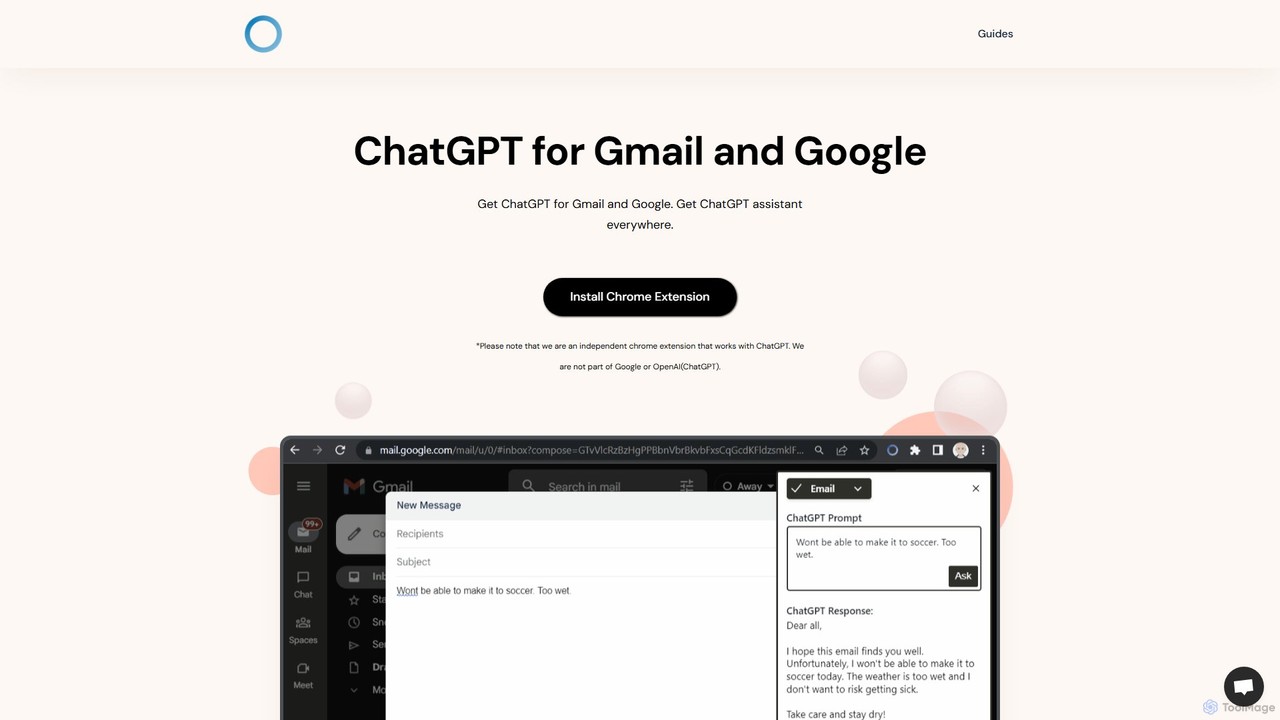
ChatGPT Everywhere

ChatGPT Everywhere

ChatGPT Everywhere is a powerful browser extension that integrates ChatGPT into your daily workflow. Get instant AI-powered answers …

3.2K
ChatPods

ChatPods

ChatPods is an AI-powered podcast agent that revolutionizes your listening experience. It offers a powerful search engine, personalized …

4.0K
Free
ProductIQ

ProductIQ

ProductIQ is an AI-powered shopping assistant that simplifies product discovery. Ask questions in natural language to receive instant, …

2.6K
Free
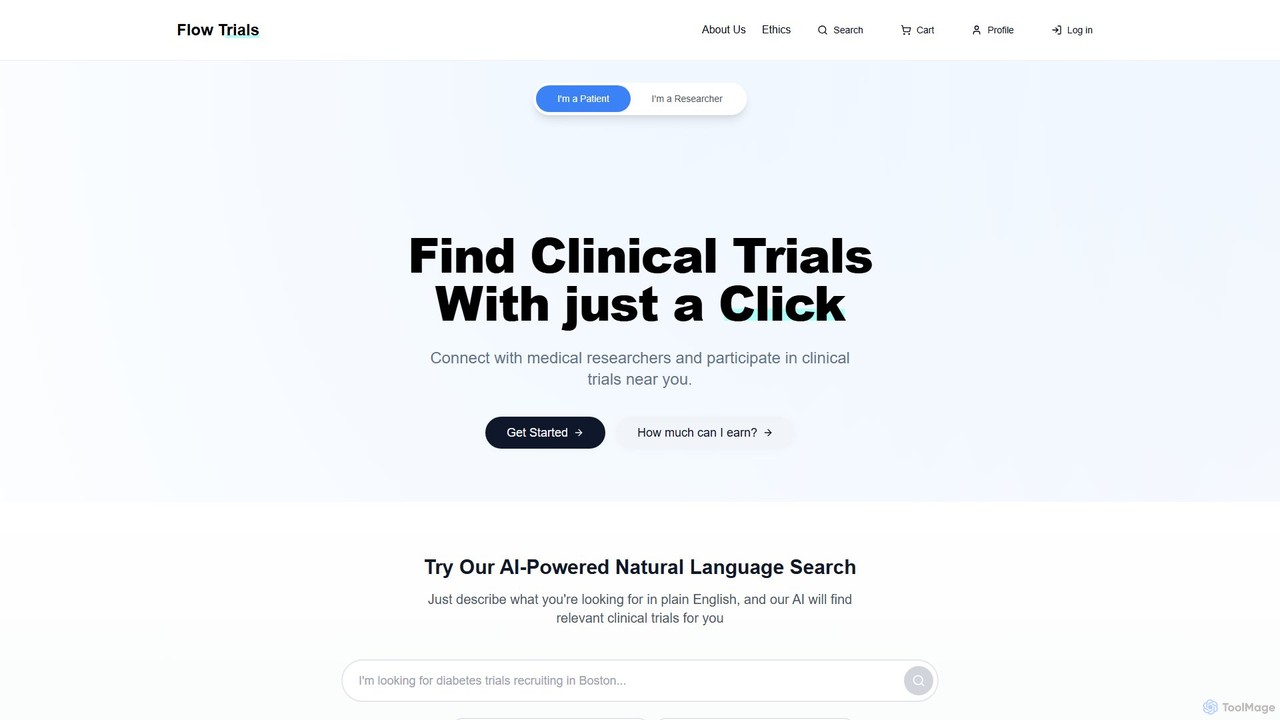
flowtrials

flowtrials

An AI-powered platform that connects patients with clinical trials. It uses natural language search to help users easily …

2.5K
onelook.ai

onelook.ai

onelook.ai is an AI-powered linguistic search engine and writing assistant. It helps users find the perfect word, explore …

6.3K
askanyai.com

askanyai.com

askanyai.com is a powerful, all-in-one AI platform that provides seamless access to multiple leading language models like GPT-4 …

2.5K

About Search Engine

AI Search Engines are a new generation of information retrieval tools that provide direct, synthesized answers to complex questions. Unlike traditional search engines that return a list of links, these tools leverage large language models (LLMs) to understand user intent, process information from multiple web sources, and generate a coherent, summary-style response. This approach transforms information discovery from a browsing task into a conversational experience, delivering concise knowledge with cited sources. They are designed to accelerate research, learning, and problem-solving by providing immediate, context-aware information.

Core Features

  • Answer Synthesis: Combines information from various sources into a single, easy-to-read summary.
  • Conversational Queries: Allows users to ask questions in natural language and engage in follow-up dialogue.
  • Source Citation: Provides links to the original web pages used to generate the answer, ensuring transparency and enabling fact-checking.
  • Multi-modal Input: Supports queries using text, voice, and sometimes images for more flexible searching.
  • Contextual Understanding: Remembers previous parts of the conversation to provide more relevant follow-up answers.

Use Cases

AI Search Engines are widely used by researchers, students, and content creators for efficient information gathering and literature reviews. Developers and technical professionals use them to find code snippets, debug errors, and understand complex technical documentation. Business analysts also leverage these tools for market research and competitor analysis, quickly synthesizing data from news articles and reports.

How to Choose

When selecting an AI Search Engine, first evaluate the accuracy and reliability of its answers, paying close attention to the quality of its source citations. Consider its data freshness—whether it accesses the live web for real-time information or relies on a static dataset. Also, assess the user interface for ease of use and review its privacy policy to understand how your search data is handled. Finally, look for specialized features tailored to your needs, such as coding assistance or academic paper integration.

Search EngineUse Cases

1

Accelerating Academic Research and Writing

A graduate student is writing a literature review on a complex scientific topic. Instead of manually searching through dozens of databases and reading full papers, they use an AI Search Engine. They ask, 'Summarize the key findings on CRISPR-Cas9's application in gene therapy from the last two years.' The tool scans recent academic journals and publications, synthesizes the information, and provides a concise summary with direct links to the source papers. This process reduces initial research time by hours, allowing the student to focus on analysis and writing.

2

Efficient Code Debugging and Learning

A software developer encounters a cryptic error message while working with a new programming library. Instead of sifting through forums and documentation, they paste the error message and relevant code snippet into an AI Search Engine. The engine analyzes the context, searches for similar issues across platforms like Stack Overflow and GitHub, and provides a synthesized solution, often including a corrected code block and an explanation of the underlying problem. This not only solves the immediate issue but also helps the developer learn the library's nuances faster.

3

Rapid Market and Competitor Analysis

A marketing manager needs to create a report on emerging trends in their industry. They use an AI Search Engine to ask, 'What are the top 3 trends in the sustainable packaging industry for 2024, and who are the key innovators?' The engine synthesizes information from recent news articles, industry reports, and press releases to provide a clear summary of the trends (e.g., bioplastics, smart packaging) and lists the leading companies. The included source links allow for quick verification and deeper dives into specific data points, enabling the manager to compile a comprehensive report in a fraction of the time.

4

Personalized Travel and Itinerary Planning

A user is planning a vacation and feels overwhelmed by the sheer volume of information online. They turn to an AI Search Engine and type a complex query: 'Create a 5-day, budget-friendly itinerary for a first-time visitor to Rome, focusing on history and local food, avoiding major tourist traps.' The AI processes this request, curates a day-by-day plan including historical sites, recommended local restaurants, and travel tips, all synthesized from travel blogs, review sites, and official tourism information. This provides a personalized and actionable starting point that would have taken hours to create manually.

5

Content Idea Generation and Fact-Checking

A content creator is brainstorming ideas for a new YouTube video about renewable energy. They ask an AI Search Engine, 'What are some common misconceptions about solar power?' The engine provides a list of myths and facts, synthesized from scientific websites, educational resources, and news articles, complete with source links. This not only sparks several content ideas but also provides a reliable, pre-vetted list of sources for fact-checking during the scriptwriting process, ensuring the final video is both engaging and accurate.

6

Understanding Complex Health and Medical Topics

A person receives a medical diagnosis with complex terminology they don't understand. To get a clearer picture, they use an AI Search Engine to ask, 'Explain chronic lymphocytic leukemia in simple terms, including common treatments and prognosis.' The engine synthesizes information from reputable medical sources like the Mayo Clinic and WebMD, breaking down the complex topic into an easy-to-understand explanation. While not a substitute for professional medical advice, it empowers the user with foundational knowledge to have a more informed conversation with their doctor.

Search EngineFrequently Asked Questions