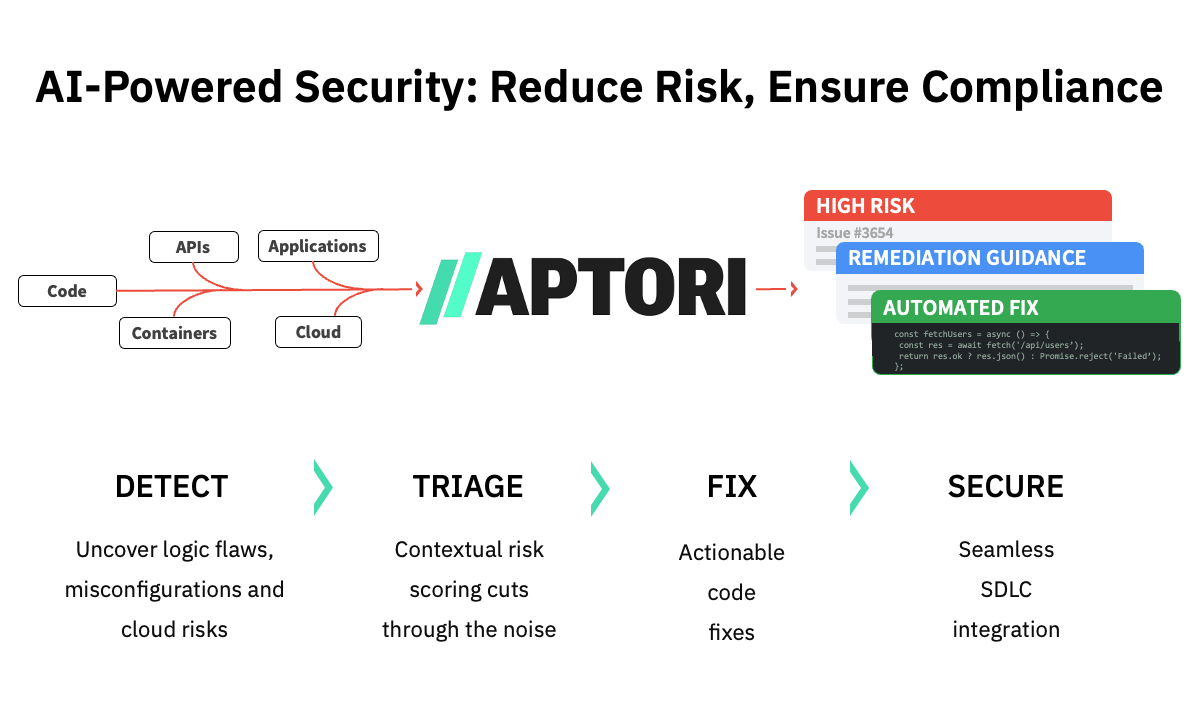
API Security tools are specialized solutions designed to protect Application Programming Interfaces (APIs) from various cyber threats and vulnerabilities. These tools implement robust authentication, authorization, encryption, and threat detection mechanisms to safeguard data exchange and prevent unauthorized access or abuse. By securing APIs, organizations ensure the integrity, confidentiality, and availability of their digital services, which are critical components of modern software architectures and the broader 'Security' landscape.
Core Features
- API Authentication & Authorization: Verifies user and application identities, controlling access to specific API endpoints and resources.
- Threat Detection & Prevention: Identifies and blocks malicious activities like injection attacks, DDoS, and API abuse in real-time.
- Data Encryption & Masking: Secures sensitive data during transit and at rest, often with tokenization or data masking.
- Vulnerability Scanning & Testing: Proactively discovers security flaws and misconfigurations in APIs before deployment.
- API Gateway Integration: Enforces security policies and traffic management at the API entry point.
Use Cases
API Security tools are essential for any organization exposing APIs, from startups to large enterprises. They are particularly vital for financial institutions protecting sensitive transaction data, healthcare providers securing patient records via FHIR APIs, and e-commerce platforms preventing fraudulent activities and data breaches through their payment and customer APIs.
How to Choose
When selecting an API Security solution, consider its integration capabilities with existing API gateways and development pipelines, the breadth of threat detection features, compliance certifications (e.g., GDPR, PCI DSS), and scalability to handle varying API traffic loads. Evaluate ease of deployment, management, and the level of automation offered for vulnerability scanning and policy enforcement.