ToolMage
Sign in

Best 10 Threat Intelligence AI tools for Security

Popular Threat Intelligence AI tools in Security include Feedly, CrowdStrike, Axur, Babel Street, Overwatch Data, Dark Pools Gov AI, Global Threat, Vigilocity, ObsidianOne, and The Security Bulldog, helping you work more efficiently.

ObsidianOne
Paid

ObsidianOne

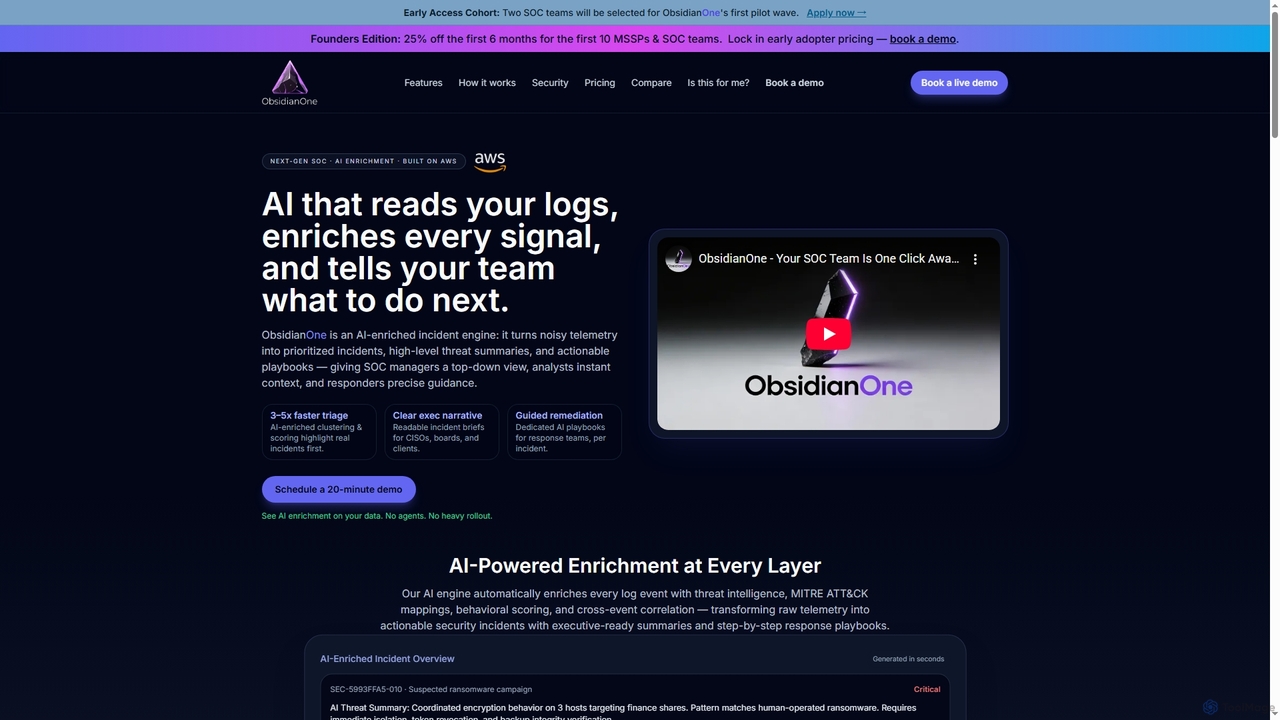
ObsidianOne is an AI-powered incident engine designed for next-generation Security Operations Centers (SOCs). It transforms noisy security telemetry into prioritized incidents, high-level threat summaries, and actionable playbooks, enabling SOC teams and MSSPs to achieve 3-5x faster triage and guided remediation.

Compliance Reporting
Visits 5.4KFavorites 72Likes 68
Feedly
Freemium

Feedly

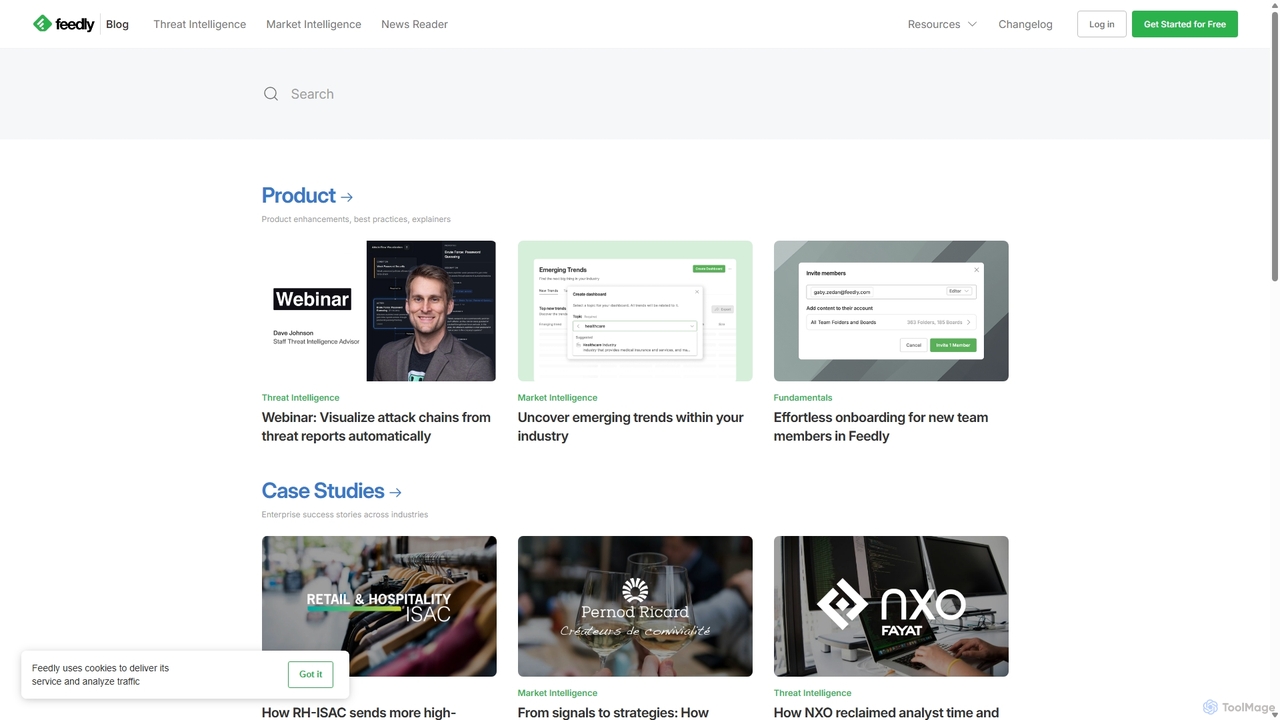
Feedly is an AI-powered intelligence platform that helps professionals and teams track critical industry trends, monitor market intelligence, and stay ahead of cybersecurity threats. It aggregates content from news sites, blogs, Twitter, and newsletters, using an AI assistant named Leo to filter noise, prioritize insights, and summarize key information, transforming information overload into actionable intelligence.

Market Intelligence
Visits 13.6MFavorites 131Likes 132
Global Threat
Paid

Global Threat

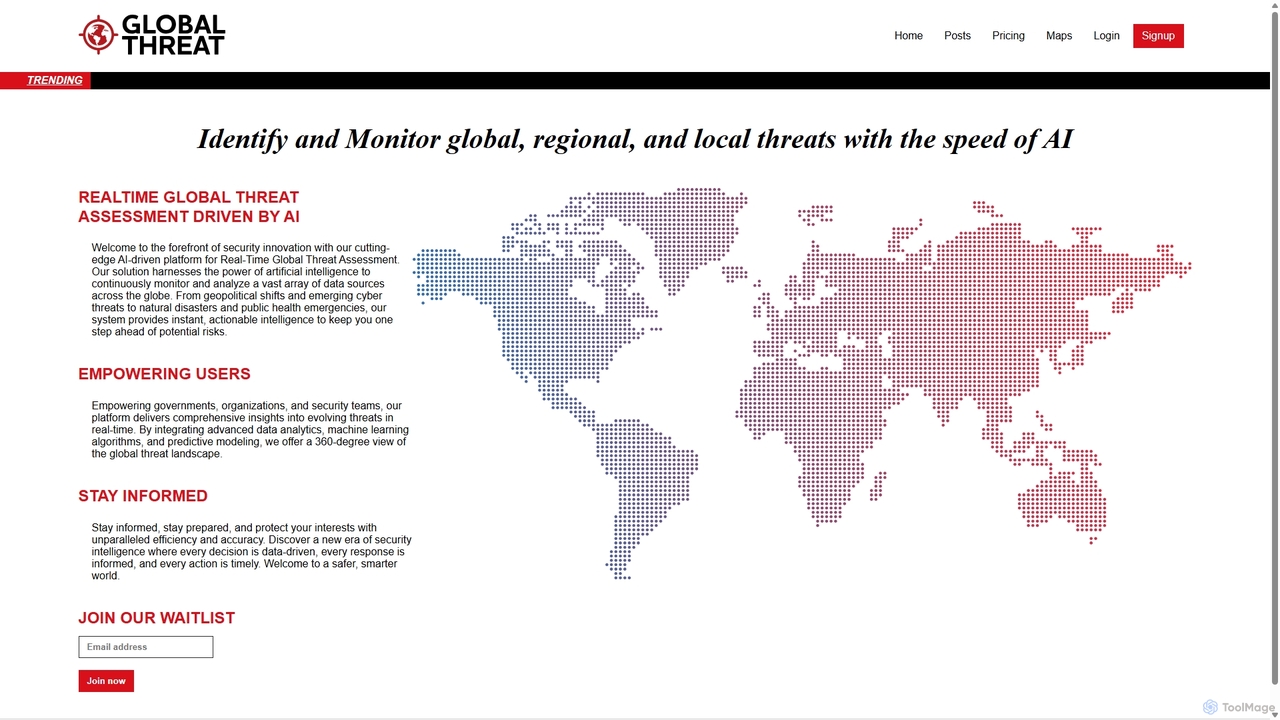
Global Threat is an AI-driven platform for real-time identification, monitoring, and assessment of global, regional, and local threats. It analyzes vast data sources to provide actionable intelligence on geopolitical shifts, cyber threats, natural disasters, and public health emergencies, empowering governments, organizations, and security teams.

Risk Management
Visits 6KFavorites 123Likes 130
Dark Pools Gov AI

Dark Pools Gov AI

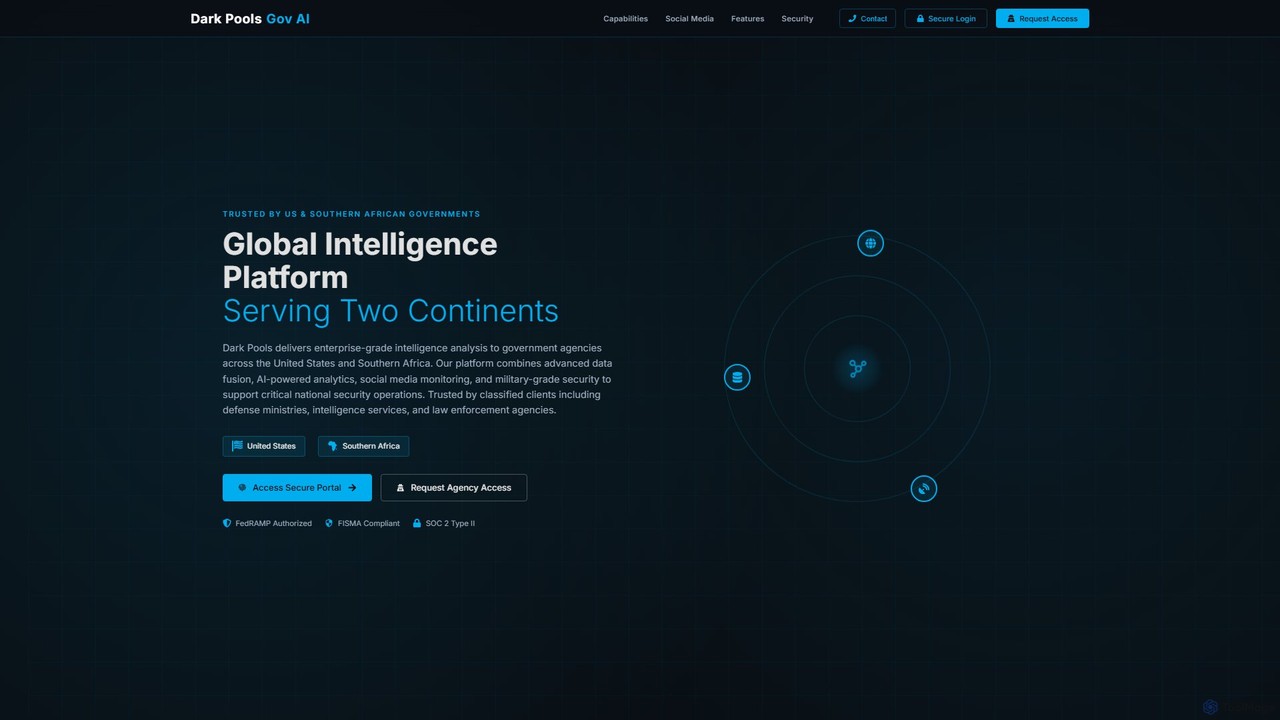
Dark Pools Gov AI is an enterprise-grade intelligence analysis platform for government agencies in the US and Southern Africa. It combines AI-powered analytics, multi-source data fusion, and social media monitoring to support critical national security, law enforcement, and defense operations with military-grade security and compliance.

Analytics
Visits 6.2KFavorites 110Likes 121
The Security Bulldog
Freemium

The Security Bulldog

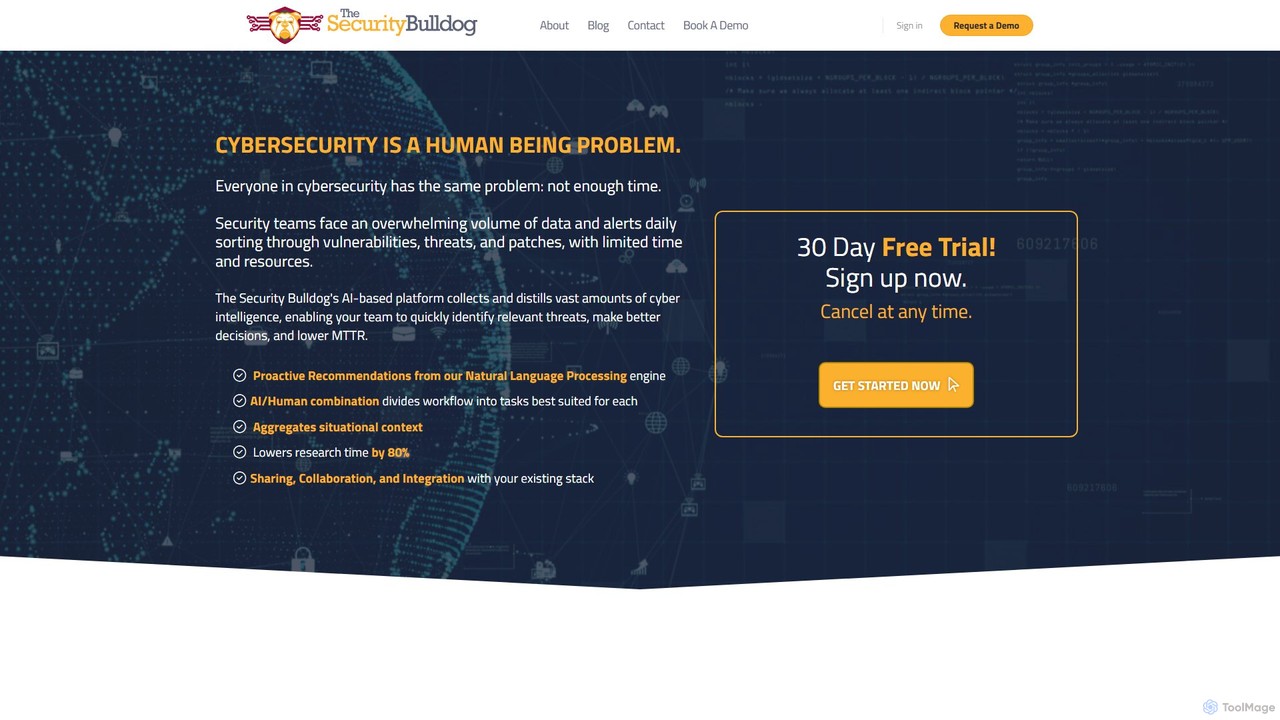
The Security Bulldog is an AI-powered cybersecurity platform that uses a proprietary NLP engine to distill vast amounts of cyber intelligence. It helps security teams reduce manual research time, quickly identify relevant threats, make better decisions, and lower Mean Time To Remediate (MTTR).

Devsecops
Visits 5.3KFavorites 103Likes 104
CrowdStrike
Freemium

CrowdStrike

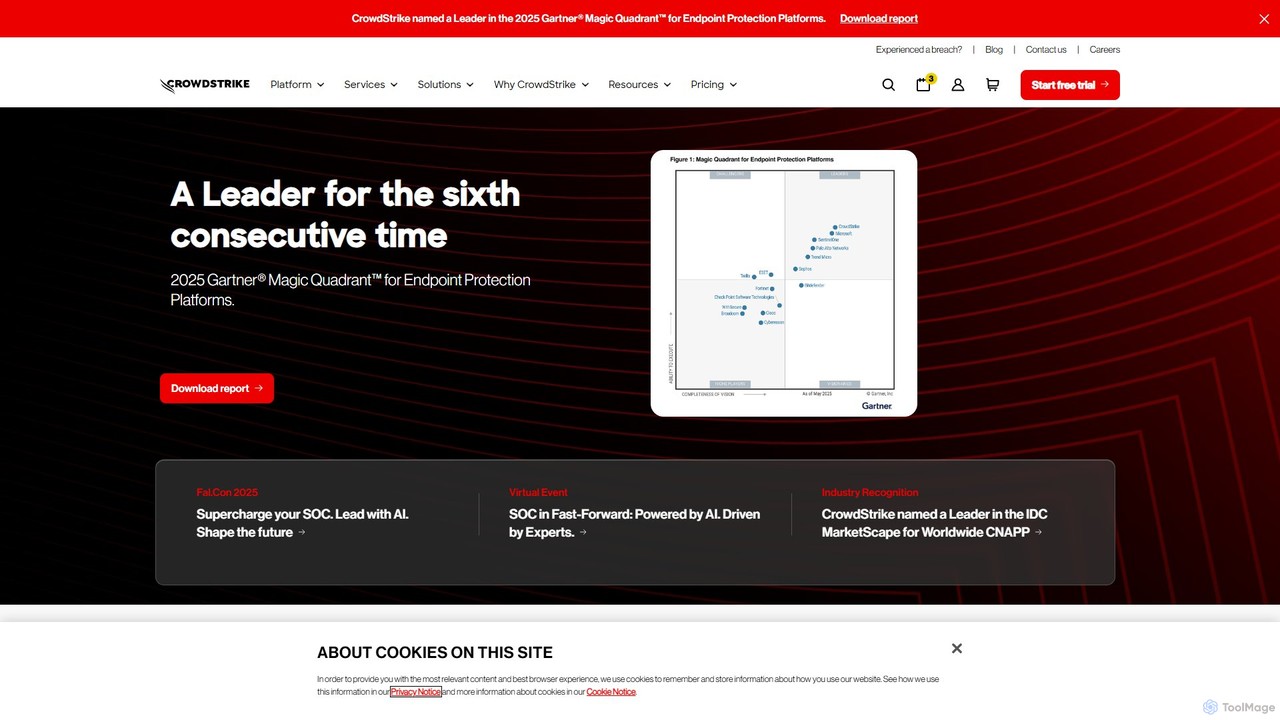
CrowdStrike is a global cybersecurity leader with its AI-native Falcon platform. It unifies endpoint security, cloud security, identity protection, and threat intelligence into a single, lightweight agent solution. By leveraging advanced AI and real-time threat data, CrowdStrike proactively stops breaches, providing comprehensive visibility and automated protection across the entire enterprise.

It Management
Visits 2.4MFavorites 101Likes 92
Babel Street
Paid

Babel Street

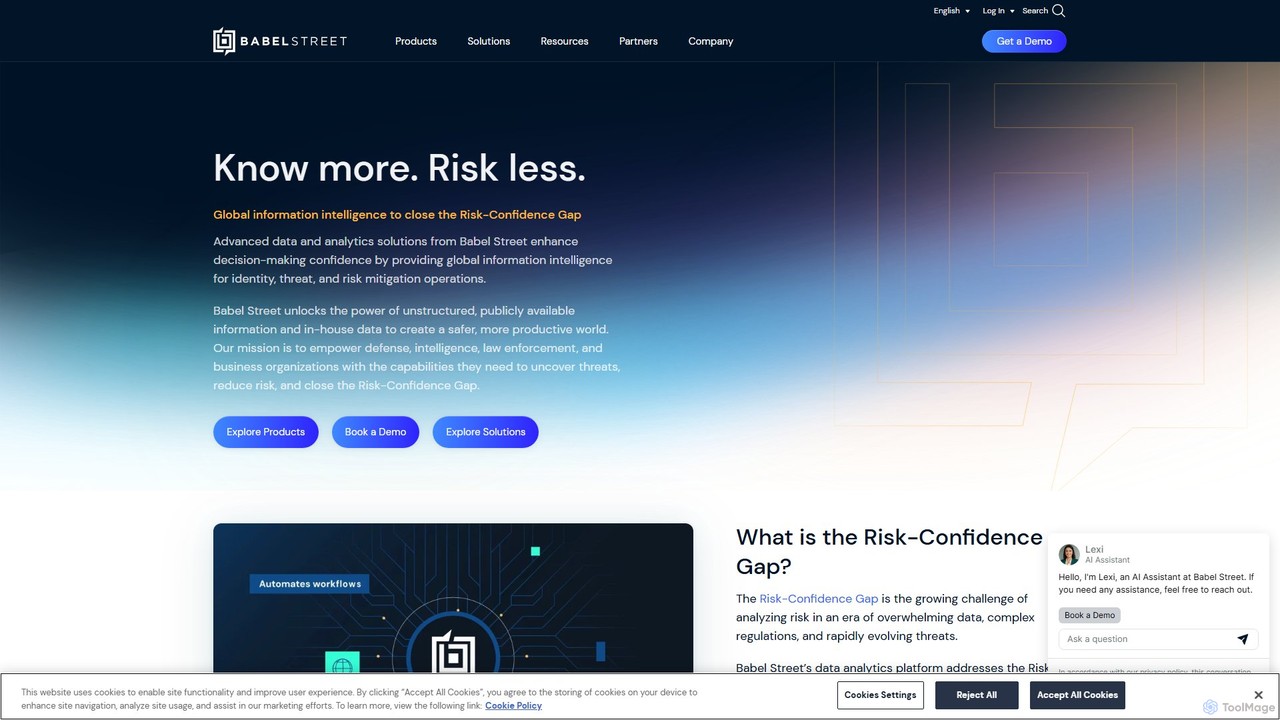
Babel Street is an AI-powered data analytics and threat intelligence platform. It analyzes vast amounts of multilingual, publicly available information (PAI) to help government and commercial organizations identify threats, mitigate risk, and ensure compliance. The platform provides actionable insights for security, investigations, and strategic decision-making.

Data Analysis
Visits 33.6KFavorites 113Likes 125
Axur
Paid

Axur

Axur is an AI-powered Digital Risk Protection (DRP) platform that helps businesses detect and respond to online threats. It specializes in protecting brands from phishing, data leaks, brand impersonation, and digital piracy through automated monitoring and takedown procedures across the surface, deep, and dark web.

Cybersecurity
Visits 53.2KFavorites 106Likes 111
Vigilocity
Paid

Vigilocity

Vigilocity is an AI-powered breach intelligence platform featuring "Mythic," its Offensive Impact Platform. It provides agentless, automated intelligence to confirm material security breaches by monitoring and disrupting threat actor infrastructure in real-time. Leveraging its proprietary Reverse Attack Surface Analysis (RASA), Vigilocity helps security, audit, and regulatory teams identify exfiltrated data, assess the material impact of incidents, and facilitate timely compliance with disclosure regulations.

Compliance
Visits 5.5KFavorites 118Likes 117
Overwatch Data
Paid

Overwatch Data

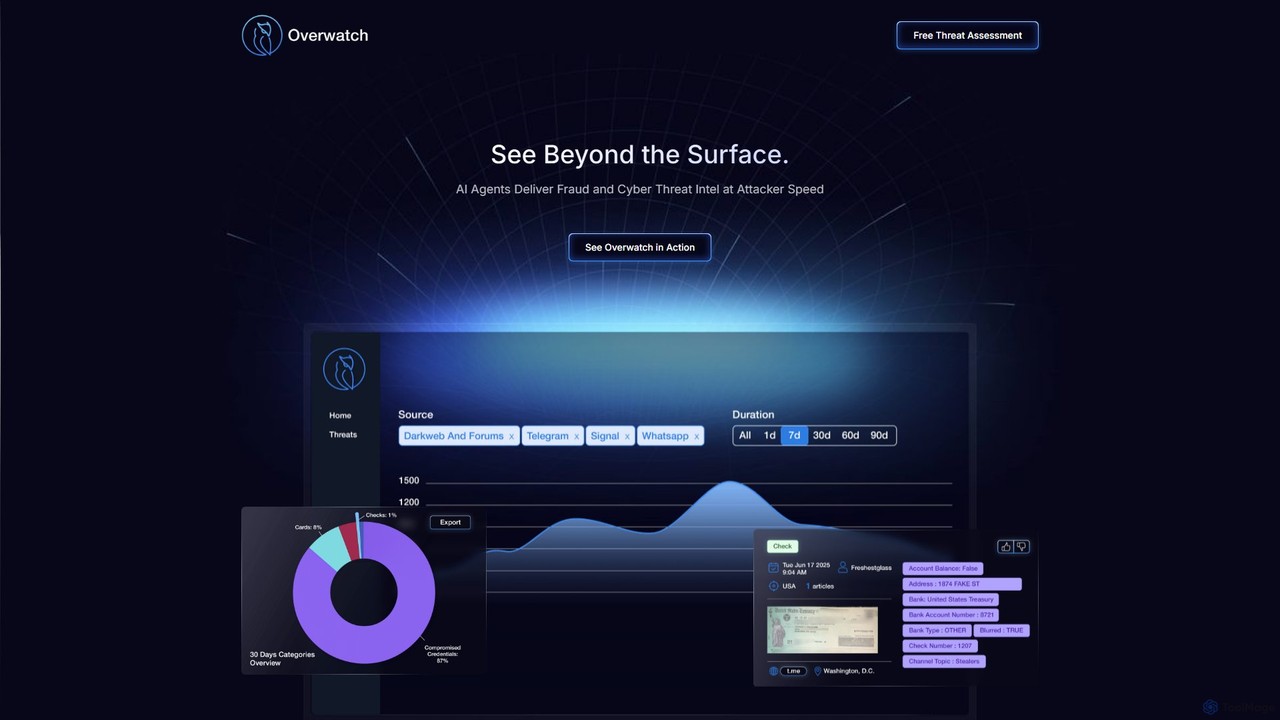
Overwatch Data is an AI-powered threat intelligence platform for cyber and fraud teams. It uses AI agents to monitor over 300,000 sources, including the deep/dark web and social media, 24/7. The platform delivers real-time, context-rich alerts to help businesses proactively prevent fraud, data breaches, and cyberattacks.

Monitoring
Visits 7.8KFavorites 130Likes 109

About Threat Intelligence

Threat Intelligence tools are AI-powered solutions that proactively collect, process, and analyze vast amounts of cybersecurity data to provide actionable insights into current and emerging threats. These platforms leverage machine learning and natural language processing to identify patterns, predict attack vectors, and understand adversary tactics, techniques, and procedures (TTPs). By transforming raw data into contextualized, actionable intelligence, they empower organizations to enhance their defensive posture, mitigate risks, and respond to incidents more effectively within the broader cybersecurity landscape.

Core Features

  • Automated Data Collection: Gathers threat data from diverse sources like dark web, forums, malware repositories, and open-source intelligence (OSINT).
  • Predictive Analytics: Uses AI to forecast potential attack campaigns, identify emerging vulnerabilities, and anticipate adversary movements.
  • Indicator of Compromise (IoC) Management: Automatically extracts, correlates, and manages IoCs (IPs, domains, hashes) for detection and blocking.
  • Vulnerability Contextualization: Prioritizes vulnerabilities based on real-world exploitability and active threat campaigns.
  • Real-time Alerting & Reporting: Provides immediate notifications on relevant threats and generates comprehensive reports for strategic decision-making.

Use Cases

Threat Intelligence is crucial for Security Operations Centers (SOCs), incident response teams, and CISOs. It enables proactive threat hunting by identifying suspicious activities before they escalate, informs vulnerability management by prioritizing patches based on active threats, and strengthens incident response through rapid context provision. Organizations also use it for strategic risk assessment and understanding the evolving threat landscape relevant to their industry.

How to Choose

When selecting a Threat Intelligence platform, consider the breadth and quality of its data sources, its integration capabilities with existing security tools (SIEM, SOAR), the sophistication of its AI/ML-driven analytics for predictive insights, and its ability to deliver real-time, actionable intelligence. Evaluate the platform's reporting features, ease of use, and alignment with your organization's specific threat model and compliance requirements.

Featured tool rankings

Threat Intelligence use cases

1

Proactive Threat Hunting

Security Operations Center (SOC) analysts leverage AI-powered Threat Intelligence to proactively search for and identify emerging threats and adversary activities within their network. By correlating internal telemetry with external threat feeds, they can detect subtle indicators of compromise (IoCs) or suspicious patterns that traditional security tools might miss, enabling them to neutralize threats before they escalate into full-blown incidents and significantly reducing potential damage.

2

Vulnerability Prioritization & Management

Security teams utilize Threat Intelligence to contextualize and prioritize vulnerabilities. Instead of patching every discovered vulnerability, TI helps identify which vulnerabilities are actively being exploited in the wild or are associated with known threat actors targeting their industry. This allows organizations to focus resources on patching the most critical and exploitable weaknesses first, optimizing their vulnerability management efforts and reducing their attack surface effectively.

3

Enhanced Incident Response

During an active security incident, incident response (IR) teams use Threat Intelligence to quickly understand the nature of the attack, the likely adversary, and their TTPs. TI provides crucial context about malware families, attack campaigns, and associated IoCs, enabling IR teams to accelerate root cause analysis, contain the breach more effectively, and implement targeted remediation strategies. This significantly reduces the mean time to detect (MTTD) and mean time to respond (MTTR).

4

Strategic Risk Assessment & Planning

Chief Information Security Officers (CISOs) and executive leadership rely on Threat Intelligence for strategic decision-making and long-term security planning. By understanding the evolving threat landscape, industry-specific attack trends, and geopolitical cyber risks, they can make informed investments in security technologies, develop robust security policies, and allocate resources effectively to build a resilient cybersecurity posture that aligns with business objectives and regulatory requirements.

5

Supply Chain Security Assessment

Organizations extend their security perimeter by using Threat Intelligence to assess the cybersecurity risks associated with their third-party vendors and supply chain partners. TI helps identify if a vendor has been compromised, if their software contains known vulnerabilities, or if they are a target of specific threat groups. This enables proactive risk mitigation, informed vendor selection, and continuous monitoring to protect against supply chain attacks that could impact the organization.

6

Fraud Detection & Prevention

Financial institutions and e-commerce platforms deploy Threat Intelligence to detect and prevent sophisticated fraud schemes. By analyzing threat data related to phishing campaigns, credential stuffing, account takeovers, and payment card fraud, TI tools can identify suspicious user behaviors, fraudulent transactions, and emerging attack patterns. This allows for real-time blocking of malicious activities, protecting customer assets and maintaining trust in digital services.

Threat Intelligence FAQ

What is AI-powered Threat Intelligence?

AI-powered Threat Intelligence is a cybersecurity discipline that uses artificial intelligence and machine learning to automate the collection, processing, and analysis of vast amounts of threat data from diverse sources. Its primary goal is to provide actionable insights into current and emerging cyber threats, enabling organizations to proactively defend against attacks, understand adversary behaviors, and make informed security decisions. It moves beyond simple data aggregation to deliver predictive and contextualized intelligence.

How does Threat Intelligence differ from traditional security monitoring (e.g., SIEM)?

Threat Intelligence focuses on external, proactive insights into the adversary and their methods, answering "who, what, why, and how" of potential attacks. Traditional security monitoring tools like SIEM (Security Information and Event Management) primarily focus on internal log aggregation and anomaly detection within an organization's own network, answering "what happened and where." While SIEM reacts to events, Threat Intelligence provides context to those events and helps predict future ones, making it a proactive layer that enhances SIEM's effectiveness.

What are the key benefits of implementing Threat Intelligence?

Implementing Threat Intelligence offers several key benefits. It enables proactive defense by identifying threats before they impact your organization, significantly reducing the risk of breaches. It enhances incident response by providing crucial context for faster analysis and containment. Furthermore, it optimizes security investments by helping prioritize vulnerabilities and allocate resources effectively, leading to a more resilient and cost-efficient cybersecurity posture. It also supports strategic decision-making by offering a clear view of the evolving threat landscape.

What types of data do Threat Intelligence tools analyze?

Threat Intelligence tools analyze a wide array of data types to build a comprehensive picture of the threat landscape. This includes Indicators of Compromise (IoCs) like malicious IP addresses, domains, and file hashes; Indicators of Attack (IoAs) which describe adversary behaviors; Tactics, Techniques, and Procedures (TTPs) used by threat actors; vulnerability information; malware analysis reports; dark web discussions; geopolitical events; and open-source intelligence (OSINT) from various public feeds. AI helps correlate and make sense of this disparate data.

How can organizations effectively choose an AI Threat Intelligence platform?

To effectively choose an AI Threat Intelligence platform, organizations should consider several factors. First, evaluate the breadth and quality of its data sources, ensuring they cover relevant threats. Second, assess its AI/ML capabilities for predictive analytics and automated correlation. Third, check its integration capabilities with existing security infrastructure (SIEM, SOAR, firewalls). Fourth, consider the platform's ability to provide actionable, contextualized intelligence and customizable reporting. Finally, evaluate the vendor's reputation, support, and the platform's scalability and cost-effectiveness.