ToolMage
Sign in

Best 4 It Management AI tools for Productivity

Popular It Management AI tools in Productivity include CrowdStrike, SolarWinds, Upfort, and ZenAdmin, helping you work more efficiently.

ZenAdmin
Paid

ZenAdmin

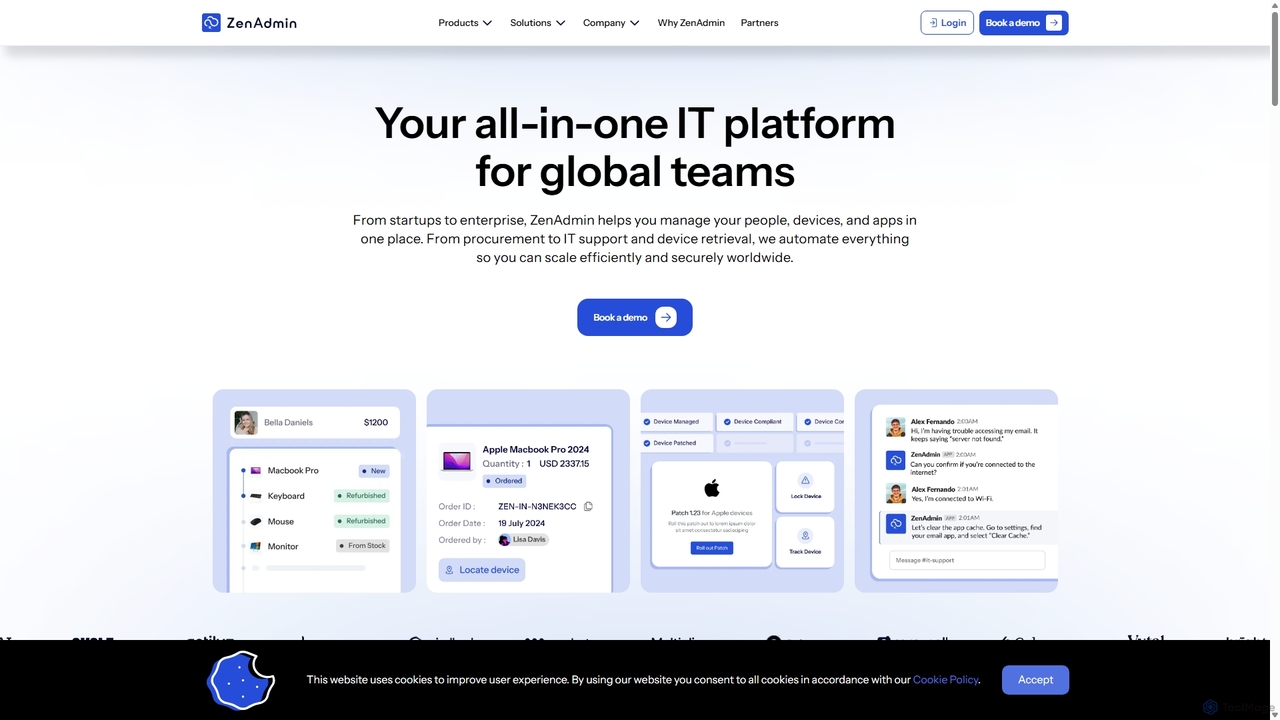
ZenAdmin is an all-in-one IT management platform designed for global teams. It automates the entire employee lifecycle, from device procurement and app provisioning to 24/7 IT support and secure offboarding. By unifying device management (MDM), SaaS management, and identity access control, ZenAdmin helps businesses scale efficiently and securely worldwide, reducing administrative overhead for IT and HR departments.

Operations
Visits 9.7KFavorites 131Likes 132
CrowdStrike
Freemium

CrowdStrike

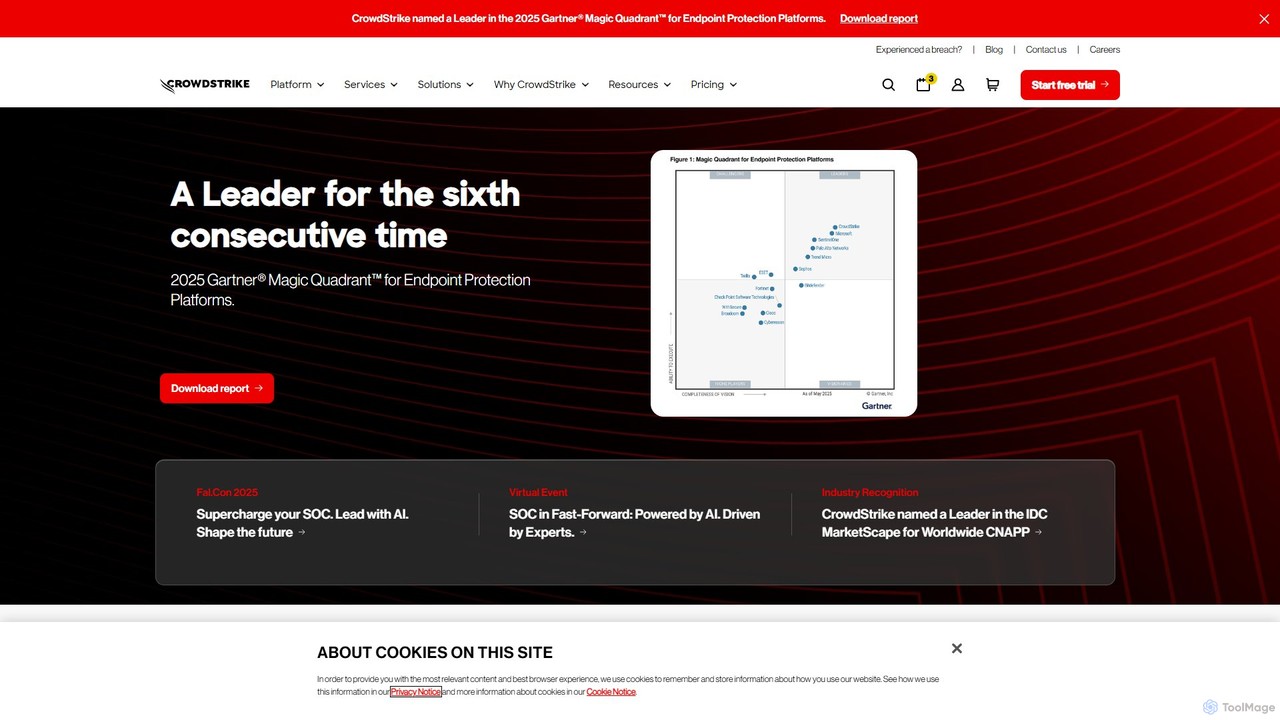
CrowdStrike is a global cybersecurity leader with its AI-native Falcon platform. It unifies endpoint security, cloud security, identity protection, and threat intelligence into a single, lightweight agent solution. By leveraging advanced AI and real-time threat data, CrowdStrike proactively stops breaches, providing comprehensive visibility and automated protection across the entire enterprise.

It Management
Visits 2.4MFavorites 101Likes 92
SolarWinds
Freemium

SolarWinds

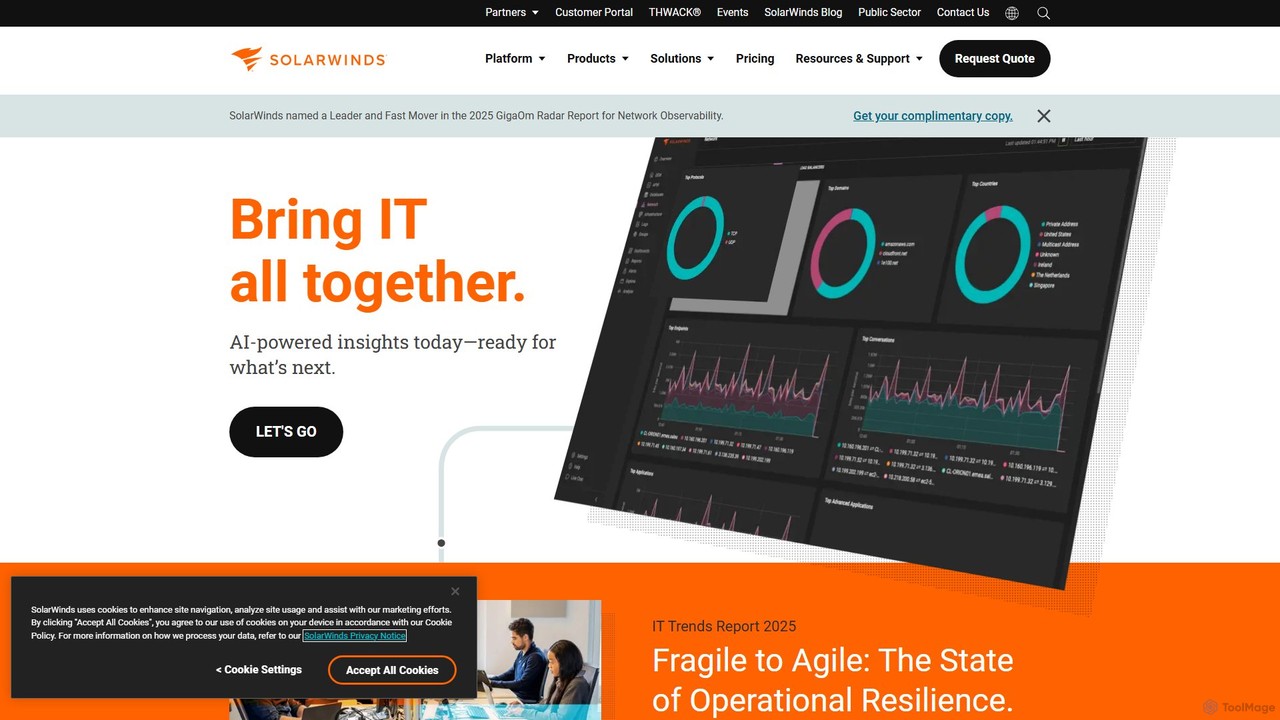
SolarWinds offers a comprehensive suite of IT management tools powered by AI for full-stack observability, database performance monitoring, and IT service management (ITSM). It helps businesses manage complex on-prem, hybrid, and cloud environments, providing AI-driven insights to accelerate issue resolution, enhance operational resilience, and optimize performance across networks, applications, and databases.

Service Desk
Visits 784.7KFavorites 142Likes 158
Upfort
Paid

Upfort

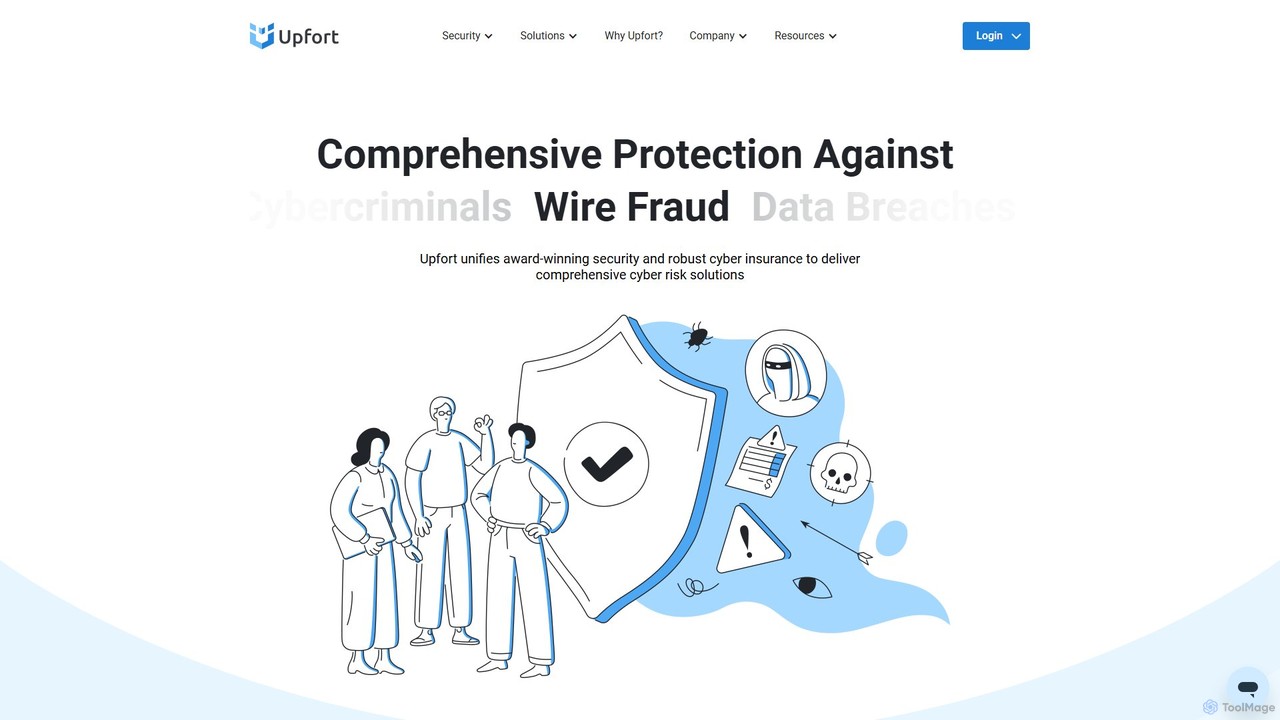
Upfort is an AI-powered platform that unifies advanced cybersecurity and robust cyber insurance. It provides comprehensive protection against ransomware, phishing, and data breaches for businesses, particularly SMBs. The platform simplifies cyber risk management through a suite of automated tools, making enterprise-grade security accessible and affordable for all.

Risk Management
Visits 10KFavorites 128Likes 146

About It Management

IT Management AI tools are designed to automate, optimize, and enhance various aspects of an organization's IT infrastructure and operations. These tools leverage artificial intelligence, machine learning, and data analytics to provide predictive insights, streamline workflows, and improve decision-making. They help IT departments proactively manage systems, respond to incidents faster, and ensure robust security, ultimately boosting overall productivity and reliability.

Core Features

  • Automated Monitoring & Alerting: Proactively track system performance, network health, and security events, generating intelligent alerts.
  • Predictive Analytics: Analyze historical data to forecast potential issues, resource needs, or security threats before they occur.
  • Intelligent Incident Response: Automate incident detection, diagnosis, and resolution, reducing downtime and manual effort.
  • Service Desk Automation: Enhance help desk operations with AI-powered chatbots, automated ticket routing, and knowledge base suggestions.
  • Resource Optimization: Dynamically allocate IT resources (e.g., cloud compute, storage) based on real-time demand and predictive models.

Use Cases

IT departments utilize these tools for proactive infrastructure monitoring, automating routine maintenance tasks, and enhancing cybersecurity posture. They are crucial for large enterprises managing complex networks and for Managed Service Providers (MSPs) offering comprehensive IT services.

How to Choose

Evaluate tools based on their integration capabilities with existing IT systems, the breadth of their monitoring and automation features, scalability to match organizational growth, and the clarity of their AI-driven insights. Consider vendor support, compliance certifications, and the ease of deployment.

It Management use cases

1

Proactive Network Performance Monitoring

For IT operations teams, AI-powered IT management tools continuously analyze network traffic, device health, and application performance. By identifying anomalies and predicting potential bottlenecks or outages before they impact users, these tools enable proactive intervention. This significantly reduces downtime, improves service quality, and frees up engineers from constant manual checks, enhancing overall system reliability.

2

Automated Incident Detection and Response

In a large enterprise, an IT incident response team uses AI tools to automatically detect security breaches or system failures. The AI not only flags the issue but also correlates data from various sources to pinpoint the root cause and, in some cases, initiates automated remediation steps like isolating affected systems or rolling back configurations. This drastically cuts down resolution times and minimizes business disruption.

3

Optimizing Cloud Resource Allocation

Cloud architects and finance managers leverage AI IT management platforms to dynamically optimize cloud resource usage. The AI analyzes historical usage patterns, real-time demand, and cost metrics to automatically scale up or down virtual machines, storage, and network bandwidth. This ensures optimal performance while significantly reducing unnecessary cloud expenditure, leading to substantial cost savings.

4

Enhancing IT Service Desk Efficiency

An IT service desk manager deploys AI chatbots and intelligent routing systems to handle common user queries and support requests. The AI can answer FAQs, guide users through troubleshooting steps, or automatically route complex issues to the correct specialist. This reduces ticket volume for human agents, improves first-contact resolution rates, and enhances user satisfaction by providing faster, more consistent support.

5

Predictive Maintenance for IT Infrastructure

Data center operators use AI IT management tools to predict hardware failures in servers, storage arrays, and networking equipment. By analyzing sensor data, logs, and performance metrics, the AI identifies early warning signs of component degradation. This allows for scheduled maintenance or replacement before critical failures occur, preventing costly downtime and extending equipment lifespan, ensuring continuous operation.

6

Automated Compliance and Security Auditing

Cybersecurity and compliance officers utilize AI-driven IT management solutions to continuously monitor system configurations, access controls, and data flows against regulatory requirements and security policies. The AI automatically flags deviations, generates audit reports, and can even suggest or implement corrective actions, ensuring ongoing compliance and strengthening the organization's security posture with minimal manual oversight.

It Management FAQ

What are IT Management AI tools?

IT Management AI tools are software solutions that use artificial intelligence, machine learning, and advanced analytics to automate, optimize, and enhance various IT operations. They aim to improve efficiency, reliability, and security across an organization's IT infrastructure by providing predictive insights, automating routine tasks, and facilitating faster incident resolution.

How do AI tools improve IT operations?

AI tools enhance IT operations by automating repetitive tasks like monitoring and patching, enabling predictive maintenance to prevent outages, and accelerating incident response through intelligent diagnosis and automated remediation. They also optimize resource allocation, improve cybersecurity posture with advanced threat detection, and streamline service desk interactions, leading to greater efficiency and reduced operational costs.

What's the difference between traditional IT management and AI-powered IT management?

Traditional IT management relies heavily on manual processes, rule-based systems, and human analysis for monitoring, troubleshooting, and resource allocation. AI-powered IT management, however, leverages machine learning to learn from data, predict issues proactively, automate complex decision-making, and adapt to changing environments without explicit programming. This shifts the focus from reactive problem-solving to proactive optimization and prevention, offering greater scalability and efficiency.

What are the key benefits of implementing AI in IT management?

Implementing AI in IT management offers several key benefits, including reduced operational costs through automation, improved system uptime and reliability due to predictive capabilities, enhanced security with faster threat detection, and increased IT staff productivity by offloading routine tasks. It also leads to better decision-making based on data-driven insights and a more agile IT infrastructure, fostering innovation.

Who typically uses IT Management AI tools?

IT Management AI tools are primarily used by IT professionals across various roles, including IT operations managers, network administrators, cybersecurity analysts, service desk teams, and cloud architects. Organizations of all sizes, from small businesses to large enterprises, as well as Managed Service Providers (MSPs), adopt these tools to manage their complex IT environments more effectively and efficiently, ensuring business continuity and security.