Asterisk
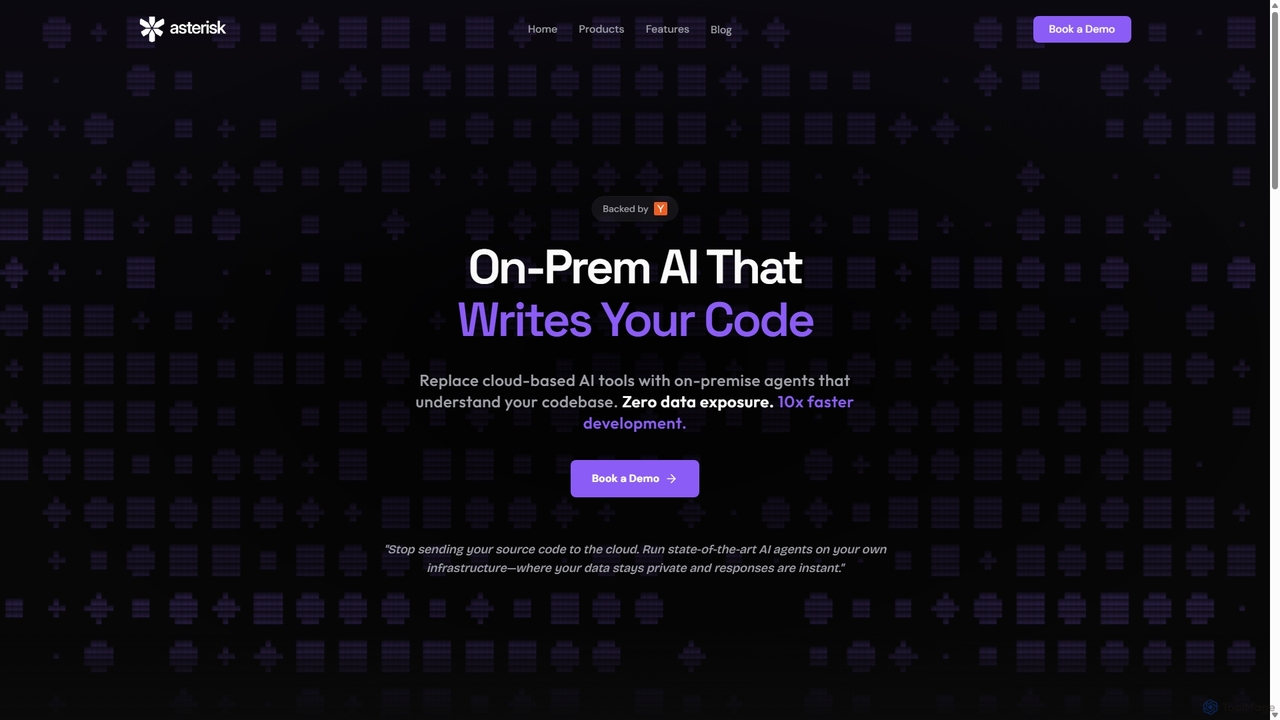
Asterisk is an on-premise AI code intelligence platform designed for enterprises. It offers a suite of secure AI …
Asterisk is an on-premise AI code intelligence platform designed for enterprises. It offers a suite of secure AI agents for autonomous coding, advanced security scanning, and codebase Q&A, ensuring zero data exposure, lightning-fast performance, and full control over your infrastructure. It's built for privacy-conscious development at scale.
Warden
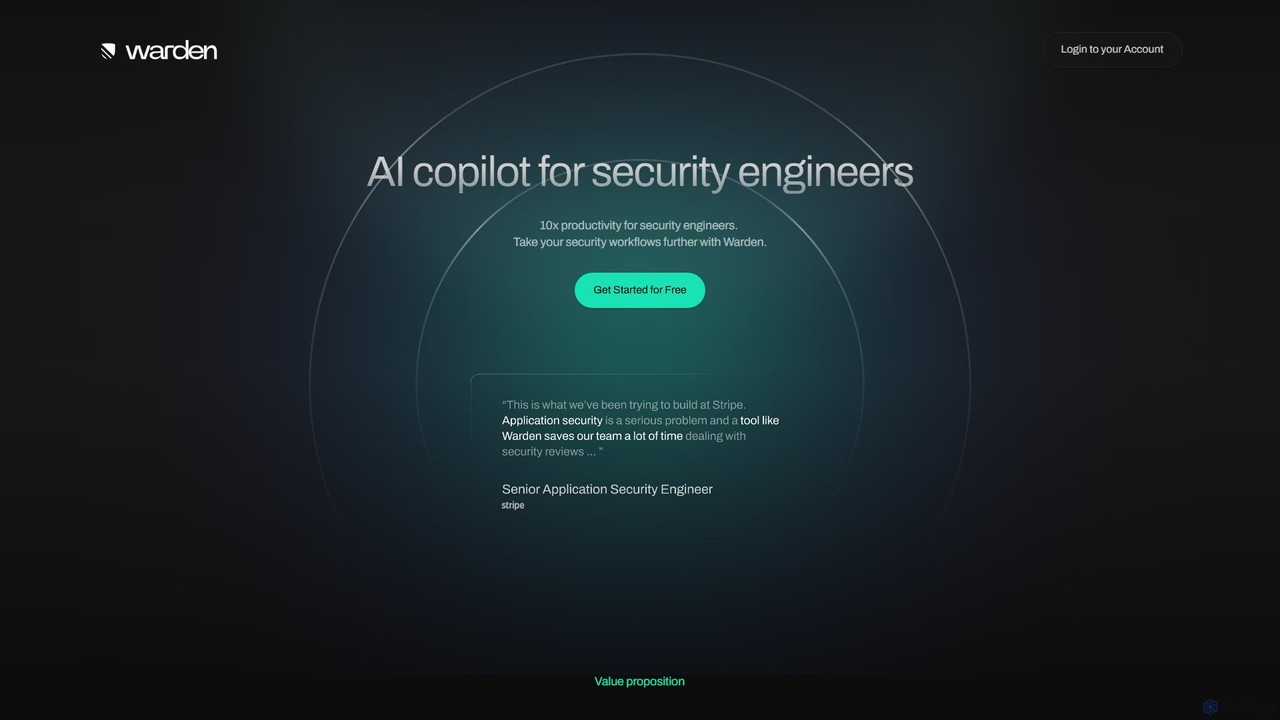
Warden is an AI copilot designed for security engineers to enhance productivity by up to 10x. It automates …
Warden is an AI copilot designed for security engineers to enhance productivity by up to 10x. It automates security workflows by generating technical architecture diagrams, identifying risks, and suggesting mitigations, helping to clear security backlogs and accelerate product launches.
CodeDefender
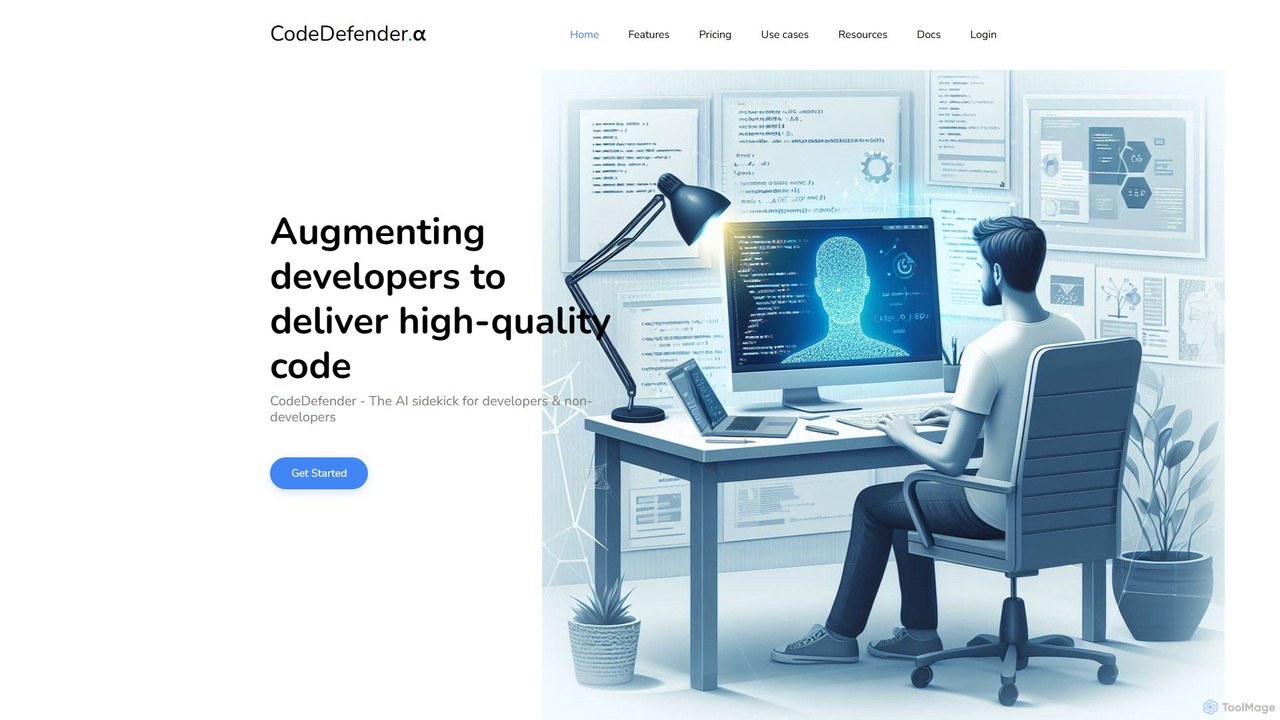
CodeDefender is an AI-powered sidekick for developers and non-developers, designed to enhance code quality, security, and performance. It …
CodeDefender is an AI-powered sidekick for developers and non-developers, designed to enhance code quality, security, and performance. It integrates directly into popular IDEs like VS Code and Visual Studio, offering features like code analysis, documentation generation, code conversion, and support for local LLMs, ensuring both productivity and data privacy.
About Vulnerability Detection
Vulnerability Detection tools are a specialized class of security software that uses AI to automatically identify, assess, and report security weaknesses in code, applications, and infrastructure. By leveraging machine learning models trained on vast datasets of known vulnerabilities, these tools can analyze source code (SAST), test running applications (DAST), and scan dependencies for known flaws. This proactive approach helps organizations discover and remediate security risks early in the development lifecycle, significantly reducing the attack surface. They provide a scalable and efficient alternative to manual security reviews, enabling teams to build more secure software faster.
Core Features
- Static Application Security Testing (SAST): Analyzes source code, bytecode, or binary code for security vulnerabilities without executing the application.
- Dynamic Application Security Testing (DAST): Tests a running application by simulating external attacks to find vulnerabilities in its operational state.
- Software Composition Analysis (SCA): Scans for known vulnerabilities within open-source and third-party libraries used in a project.
- Container & IaC Scanning: Inspects container images and Infrastructure as Code (IaC) templates for misconfigurations and security flaws.
- Vulnerability Prioritization: Uses AI to assess the context and severity of found vulnerabilities, helping teams focus on the most critical risks first.
Use Cases
These tools are integral to modern DevSecOps practices, embedded directly into CI/CD pipelines to provide continuous security feedback. They are used by developers for secure coding, by security teams for comprehensive application audits, and by compliance officers to meet regulatory standards like PCI DSS, HIPAA, and GDPR.
How to Choose
When selecting a tool, consider its support for your specific programming languages and frameworks. Evaluate its integration capabilities with your existing development ecosystem (e.g., GitHub, Jenkins, Jira). Assess the accuracy of its scanning engine, particularly its rates of false positives and negatives. Finally, consider the scope of its analysis (SAST, DAST, SCA) and the quality of its reporting and remediation guidance.

Vulnerability DetectionUse Cases
Automating Security Scans in CI/CD Pipelines
A DevOps team integrates a vulnerability detection tool into their GitHub Actions workflow. For every pull request, the tool automatically performs a SAST scan on the new code. If a high-severity vulnerability is detected, the pipeline fails, preventing the flawed code from being merged into the main branch. This 'Shift Left' approach provides developers with immediate feedback, allowing them to fix security issues before they become part of the production environment, drastically reducing remediation costs and time.
Securing Open-Source Dependencies
A software developer is building a Node.js application that relies on dozens of open-source packages from npm. They use a Software Composition Analysis (SCA) tool to scan their project's dependencies. The scan identifies a critical remote code execution vulnerability in a transitive dependency (a library used by another library). The tool provides a detailed report, pinpoints the vulnerable package, and recommends updating the parent library to a secure version, preventing a potential supply chain attack.
Pre-Launch Web Application Security Audit
A security analyst is tasked with auditing a new e-commerce website before its public launch. They configure a DAST scanner to crawl the live staging environment and test for common web vulnerabilities. The tool simulates attacks like SQL Injection, Cross-Site Scripting (XSS), and insecure direct object references. It discovers a critical XSS vulnerability on the checkout page, allowing the team to patch it before any customer data is put at risk.
Ensuring Container Image Security
A cloud infrastructure team manages hundreds of microservices running in Docker containers on Kubernetes. Before deploying a new version of a service, they use a container scanning tool integrated with their container registry. The tool inspects the container image's layers, checking the base OS and installed software for known vulnerabilities (CVEs). It flags an outdated base image with several critical security holes, prompting the team to rebuild the image with a patched version, securing the production environment.
Generating Compliance and Audit Reports
A financial services company must demonstrate compliance with the PCI DSS standard. The compliance manager uses a vulnerability detection tool to run scheduled scans on all in-scope applications. After the scans, they generate a comprehensive report that lists all identified vulnerabilities, their CVSS severity scores, and their remediation status. This report serves as crucial evidence for auditors, proving that the company has a robust process for identifying and managing security weaknesses.
Assessing Security Posture of Legacy Code
A development team inherits a large, monolithic legacy application written in Java with minimal documentation. To understand the existing security risks, they perform a full SAST scan of the entire codebase. The tool identifies hundreds of potential issues, including outdated cryptographic functions and hardcoded secrets. Using the tool's AI-powered prioritization feature, they can focus their limited resources on fixing the 10 most critical vulnerabilities that pose a direct threat to the application's integrity.